




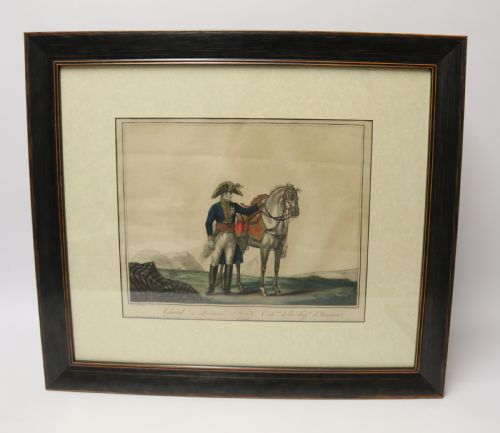
Military Portrait Engraving
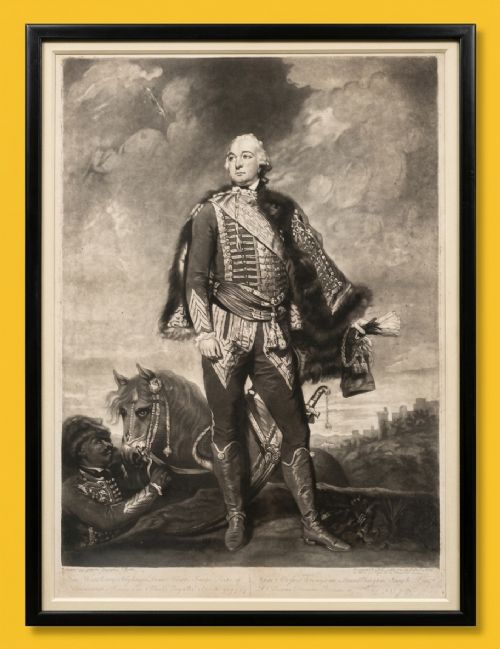
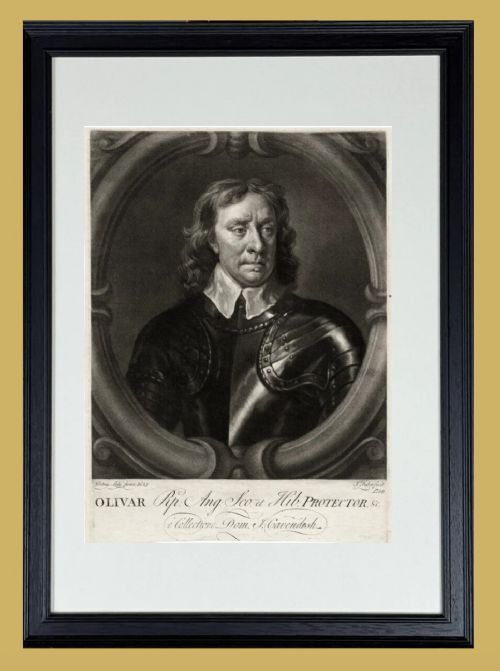
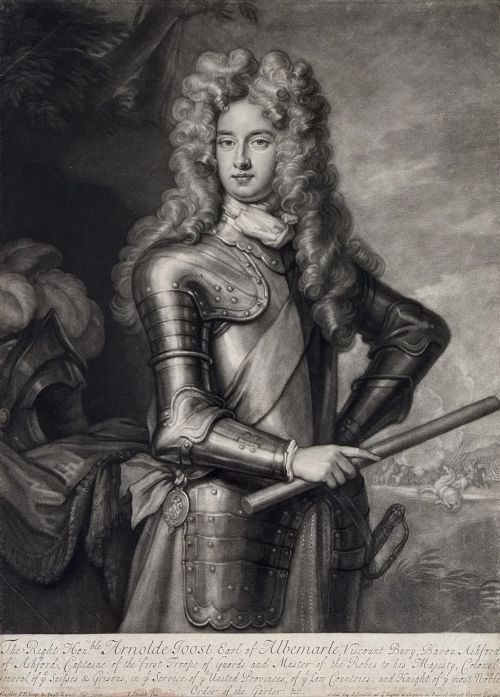
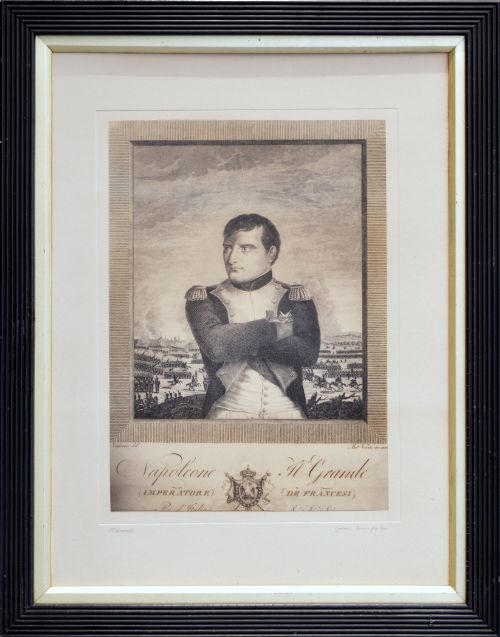
These military portrait engraving works capture officers and rulers across the seventeenth, eighteenth, and nineteenth centuries in ink on paper.
Military Portrait Engraving
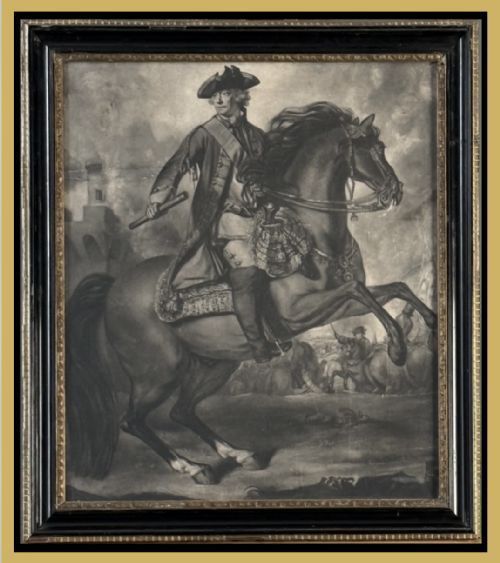
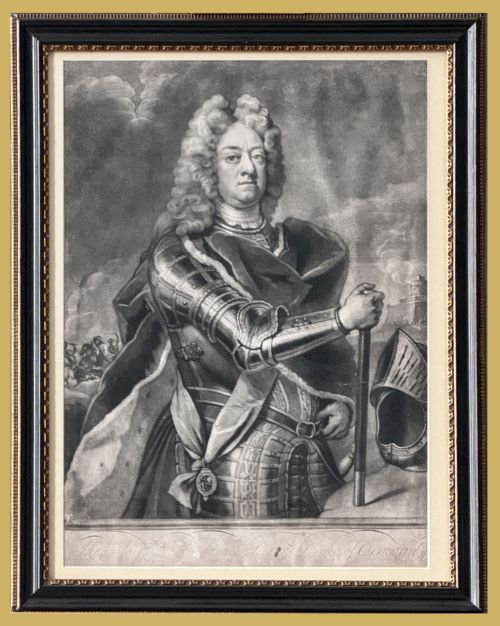
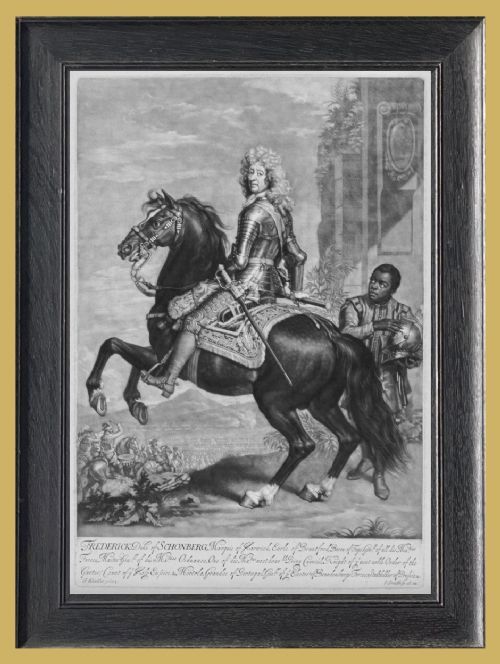
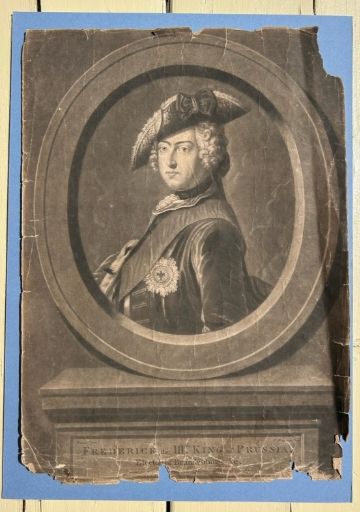
A military portrait engraving captures officers, dukes, and commanders through printed works framed in wood and glass with gilt details. These framed prints span eras from seventeenth-century Baroque and Georgian to Edwardian and Napoleonic styles.
The version most commonly met on this page is the eighteenth-century mezzotint portrait, often depicting British and European figures after notable painters. Alongside these, buyers find early nineteenth-century hand-coloured prints and printed portraits from around nineteen hundred with handwritten text.
What varies in quality
The impression strength dictates visual clarity, with earlier pulls from a copper plate showing sharper contrast and finer detail than later impressions. The depth of the mezzotint burr directly affects the richness of the dark tones in the portraits.
Framing and preservation alter the character of surviving pieces, where original wood and gilt frames alongside clean paper margins elevate the presentation of the artwork. Contemporary hand-colouring quality also distinguishes standard prints from more refined examples.
Military Portrait Engraving Retail Price Guide 2026
Typical asking prices for military portrait engraving among the pieces listed under this phrase on Sellingantiques today, from the lower quarter to the upper quarter. They describe what is for sale here now, not the wider market.
An emperor's portrait from nineteen hundred arrives complete with unexpected handwritten marginalia.
John Rafael Smith·Sir Joshua Reynolds·John Smith·Sir Godfrey Kneller·John Simon·Michael Dahl·Edward Fisher·Joseph Sympson·Sir Peter Lely·Richard Houston·Antoine Pesne
The Military Portrait Engraving Glossary
- Mezzotint
- A printmaking process where the copper plate is roughened evenly and smoothed selectively to produce tones and half-tints. This method allows for subtle gradations of light and shade in portraiture.
- Gilt
- A gold leaf or gold-coloured application used on wood frames. It provides a reflective border that complements the dark ink of the printed portrait.
- Baroque
- An artistic style spanning the seventeenth and early eighteenth centuries, noted for grandeur and dramatic tension. Many military subjects from this period reflect these bold aesthetic qualities.
- Napoleonic
- A stylistic and historical period associated with the era of Napoleon, yielding specific military uniforms and hand-coloured prints. Items from this time often document distinct campaign dress.
Military Portrait Engraving: Frequently Asked Questions
What is a military portrait engraving?
A military portrait engraving is a printed depiction of a commander, officer, or ruler, typically produced on paper using ink and printmaking techniques like mezzotint. These works document military figures from the seventeenth century through to the early twentieth century.
Most examples are framed for display, combining historical documentation with printmaking skill from various European and British publishing traditions.
How were these prints displayed?
These works were traditionally framed in wood, sometimes with gilt finishes, and placed behind glass to protect the paper from dust and handling. They hung in private studies, messes, and country houses as records of military service and lineage.
Today, framing often reflects either the period of the print itself or later nineteenth and twentieth-century conservation practices.
How do I identify the period?
Periods are identified through a combination of the sitter's costume, the printing technique, lettering styles, and any accompanying handwritten text or biographical dates. Seventeenth and eighteenth-century prints often feature specific Baroque or Georgian lettering beneath the image.
Napoleonic and Regency pieces display distinctive military uniforms and hat styles unique to the late eighteenth and early nineteenth centuries.
Are these prints hand coloured?
Some military prints, particularly those from the Napoleonic period, feature hand-applied watercolour or ink over the printed base. This work was done after printing to enhance uniforms, flags, and insignia.
Not all prints are coloured; many seventeenth and eighteenth-century mezzotints rely entirely on monochrome tonal ink gradations.