
Antique Equestrian Art
Antique equestrian art encompasses centuries of paintings, prints and sculptures depicting horses and riders, offering a direct window into historical sporting and military life.
Antique Equestrian Art
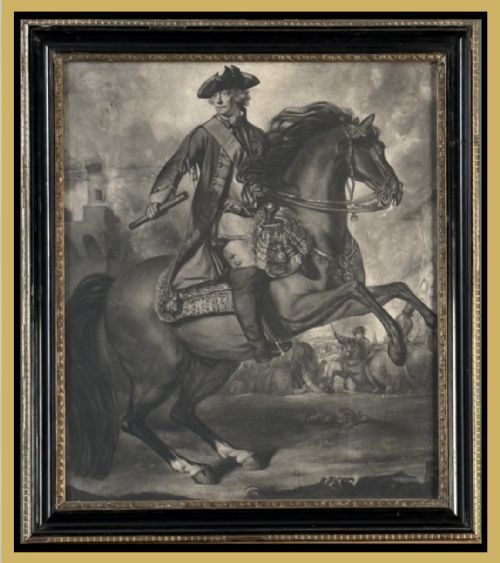
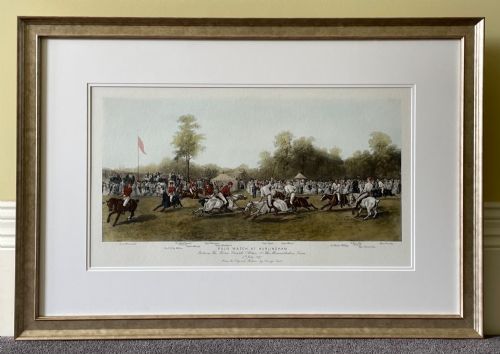
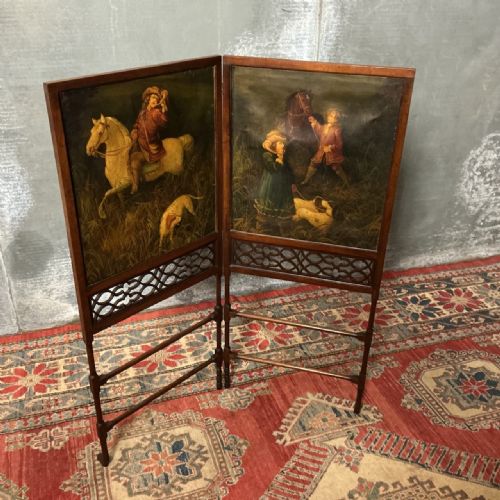
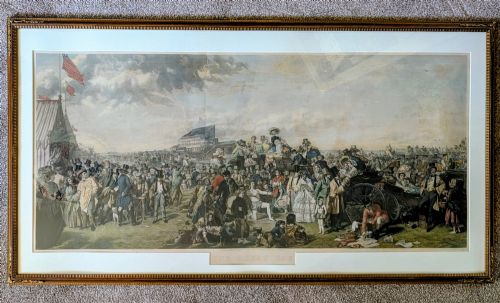
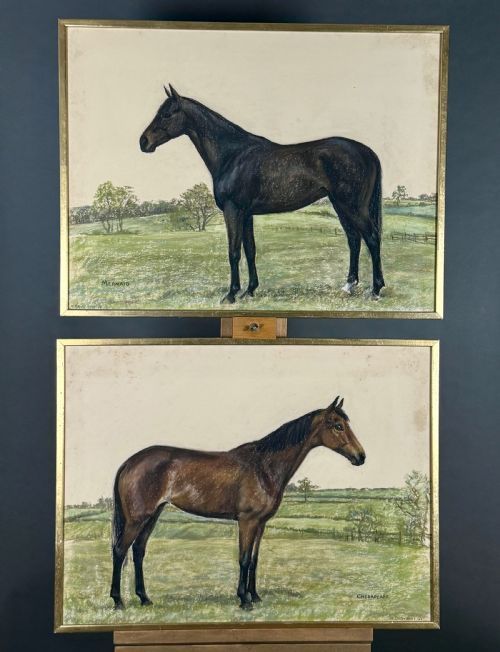
When browsing antique equestrian art, buyers encounter a diverse array of mediums spanning the seventeenth century through to the mid-twentieth century. The selection ranges from detailed oil paintings on canvas and panel to framed prints, lithographs, etchings and delicate pastels on paper. These works document racing, hunting, military engagements and individual portraits of notable horses.
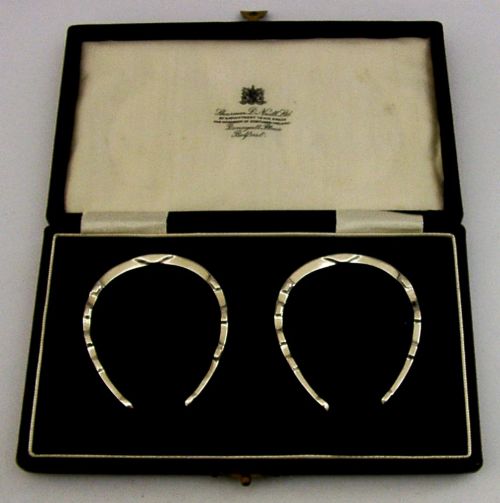
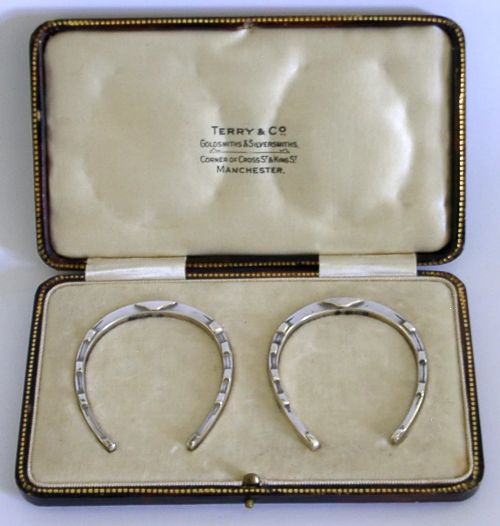
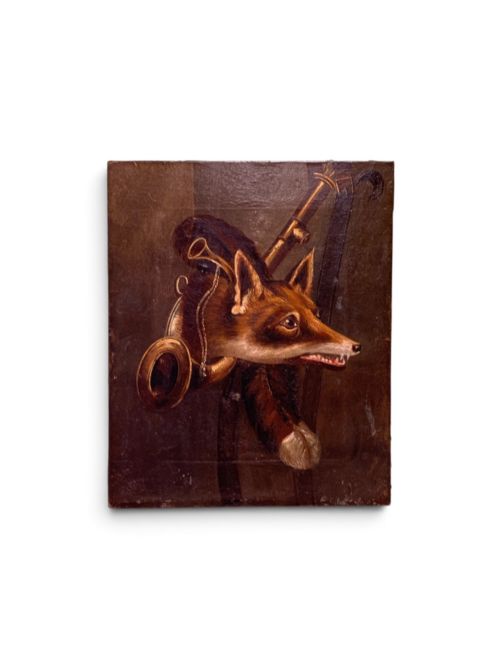
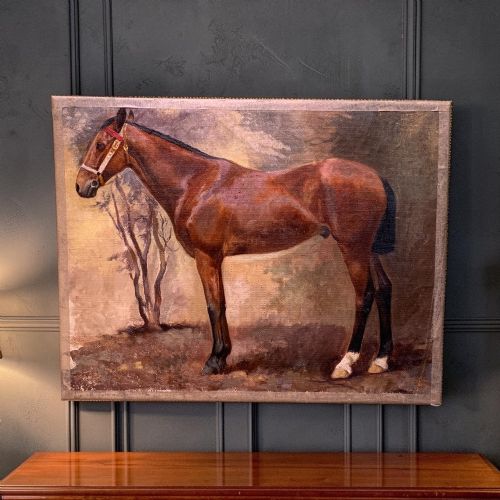
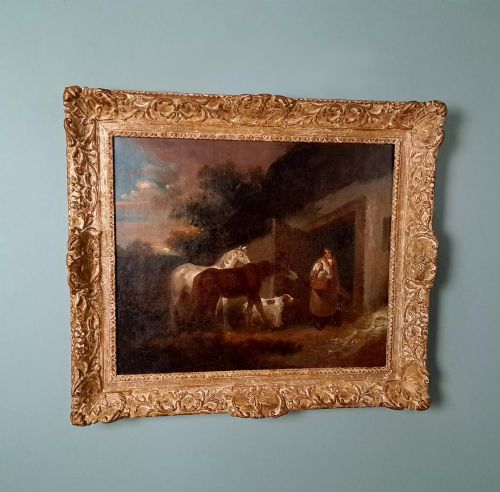
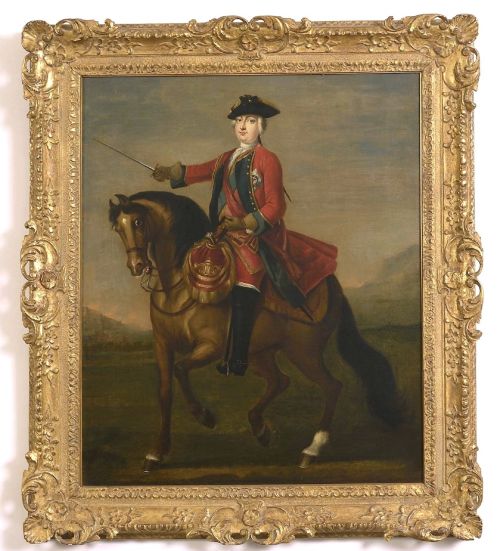
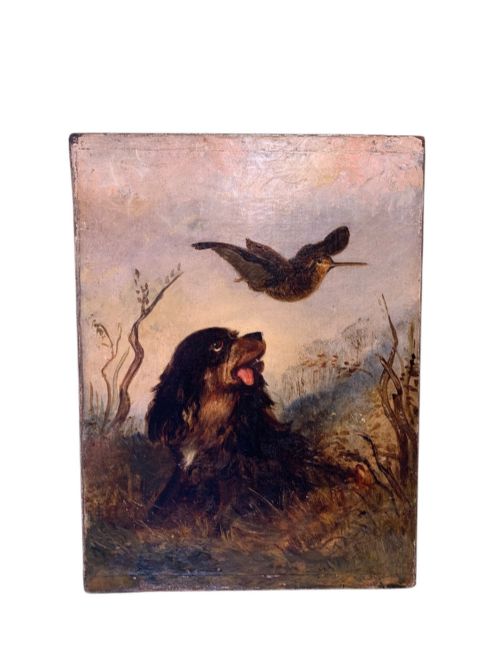
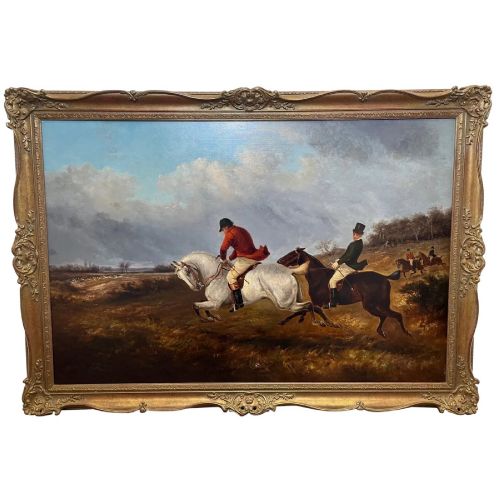
Oil paintings form a prominent category within antique equestrian art, frequently featuring framed works housed in giltwood or carved wooden frames. Pieces from the Victorian era sit alongside earlier Georgian works and later twentieth-century studies, demonstrating how artistic interpretations of horses evolved over generations. Smaller decorative objects such as sterling silver napkin rings also appear alongside flat art.
The subjects within antique equestrian art vary from specific racehorse portraits, such as depictions of Epsom Derby winners, to sweeping landscapes incorporating horses, riders and hounds. Works originate from British, Northern European and broader international traditions, reflecting both formal portraiture and lively sporting scenes.
Materials and methods of production
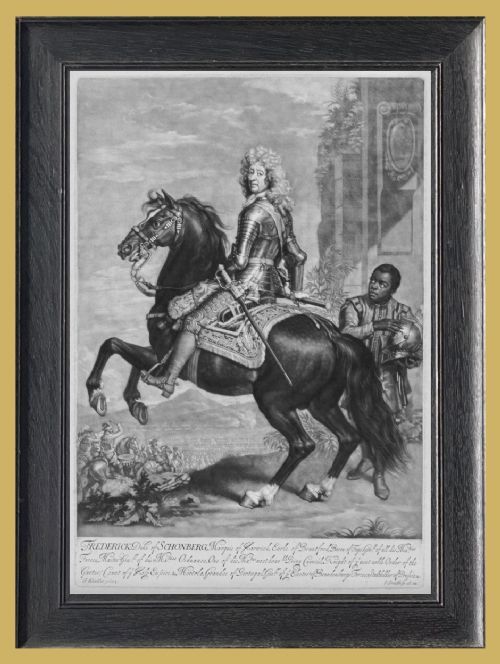
The physical construction of antique equestrian art relies heavily on traditional painting and printmaking techniques executed on canvas, paper and wooden panels. Painters applied oil paint to build up layered depictions of horses and riders, often framing the finished canvases in ornate giltwood frames. Paper works utilise engraving, lithography, mezzotint and drypoint techniques to capture fine line work and tonal depth.
Support materials reflect the period of creation, with older works utilising heavy timber panels or hand-pulled paper before mass-produced canvas boards became common. Printmakers employed metal plates for etchings and drypoints, while framing utilised solid woods such as mahogany, oak and gilded mouldings to protect the artwork.
Antique Equestrian Art Retail Price Guide 2026
Typical asking prices for equestrian art among the pieces listed under this phrase on Sellingantiques today, from the lower quarter to the upper quarter. They describe what is for sale here now, not the wider market.
Listings feature works spanning the seventeenth to the mid-twentieth century, utilising oil on canvas, paper, wood, glass and sterling silver.
Distinctions in craftsmanship and execution
Quality within antique equestrian art is determined by the precision of anatomical rendering and the artist's ability to capture the musculature and movement of the horse. Superior works display confident brushwork or sharp, clear impressions in printed mediums, avoiding stiff or disproportionate representations of the animal.
The integrity of the materials also dictates the standing of a piece, from the depth and original state of the gilding on a frame to the preservation of the paper or canvas surface. Pieces executed by named artists or skilled contemporary copyists typically demonstrate a higher level of artistic competency and composition.
Edward Fisher·Sir Joshua Reynolds·John Smith·Sir Godfrey Kneller·William Joseph Shayer Senior·John Wootton·Thomas Hudson·Kurt Meyer-Eberhardt·William Powell Frith·Thomas Smythe·Albert Clark·Frederick Albert Clark·Robert W Macbeth·Sir John Gilbert·Johannes Lingelbach·George Finch Mason·Sir Edwin Henry Landseer·George Wright·William Albert Clarke·Abraham Cooper·Henry Barraud·Fred Fitzpatrick·C H Weigall·Ernest Payne·Edward Priestley
The Antique Equestrian Art Glossary
- Mezzotint
- A printmaking process of the intaglio family where the plate is roughened to produce dark tones and scraped to create highlights. This technique allows for rich, velvety gradations of shade particularly suited to portraiture.
- Drypoint
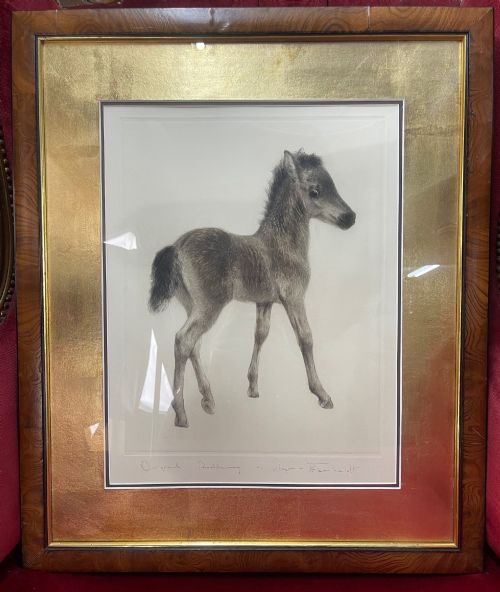
- An intaglio printmaking technique where an image is scratched directly into a metal plate with a hard steel point. This creates a distinctive, soft-edged line due to the burr raised by the metal.
- Giltwood
- Wood that has been coated with a thin layer of gold leaf or gilt paint. It is frequently found on the decorative frames enclosing traditional oil paintings.
- Aquatint
- A variant of etching that produces areas of tone rather than lines. It was widely utilised in sporting prints to replicate the appearance of watercolour washes.
- Lithography
- A planographic printing process based on the repulsion of oil and water. It enabled the mass production of detailed illustrations and colour prints during the nineteenth century.
Antique Equestrian Art: Frequently Asked Questions
What subjects are common in antique equestrian art?
The artworks predominantly feature horses in various contexts, including racing scenes, fox hunting, military battles and individual portraits of celebrated animals. Many pieces focus on specific historical events or famous racehorses tied to particular country estates.
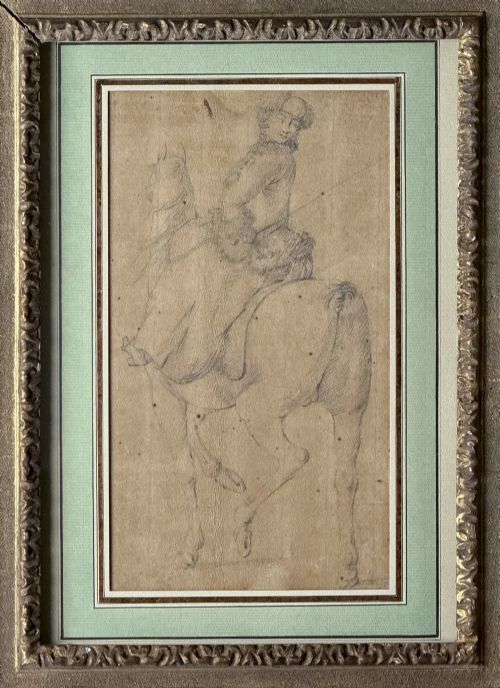
Alongside canvas paintings, buyers encounter framed prints, etchings and preparatory drawings that capture the animal's form from different stylistic perspectives across multiple centuries.
How should I display framed oil paintings safely?
Framed oil paintings require stable indoor environments away from direct sunlight and extreme fluctuations in temperature or humidity. Positioning them on internal walls protects the canvas and wooden structure from warping or environmental stress.
Original giltwood frames should be dusted gently with a soft, dry brush without applying chemical cleaners or polishing agents that might damage the surface gilding.
How can I tell the period of a print?
Dating a print involves examining the paper quality, the printing technique utilised and any associated publishing inscriptions or signatures. Earlier works often use heavy, hand-made laid paper with visible chain lines.
Platemark impressions visible around the edges of engravings and etchings also help differentiate older traditional printing methods from later mechanical reproductions.
What is the difference between an oil painting and a print?
An oil painting is a unique, hand-painted work where pigment suspended in oil is applied directly to a canvas, panel or board by the artist. Every brushstroke is individual and physically textured on the surface.
A print is a mechanical or manual reproduction created from a prepared plate, block or stone, allowing multiple copies of the same image to be produced, though some print forms like drypoints still involve direct hand-working.