


Antique English Porcelain Boat
An antique english porcelain boat brings eighteenth and nineteenth-century craftsmanship to the table with fluid shapes and hand-painted scenes.
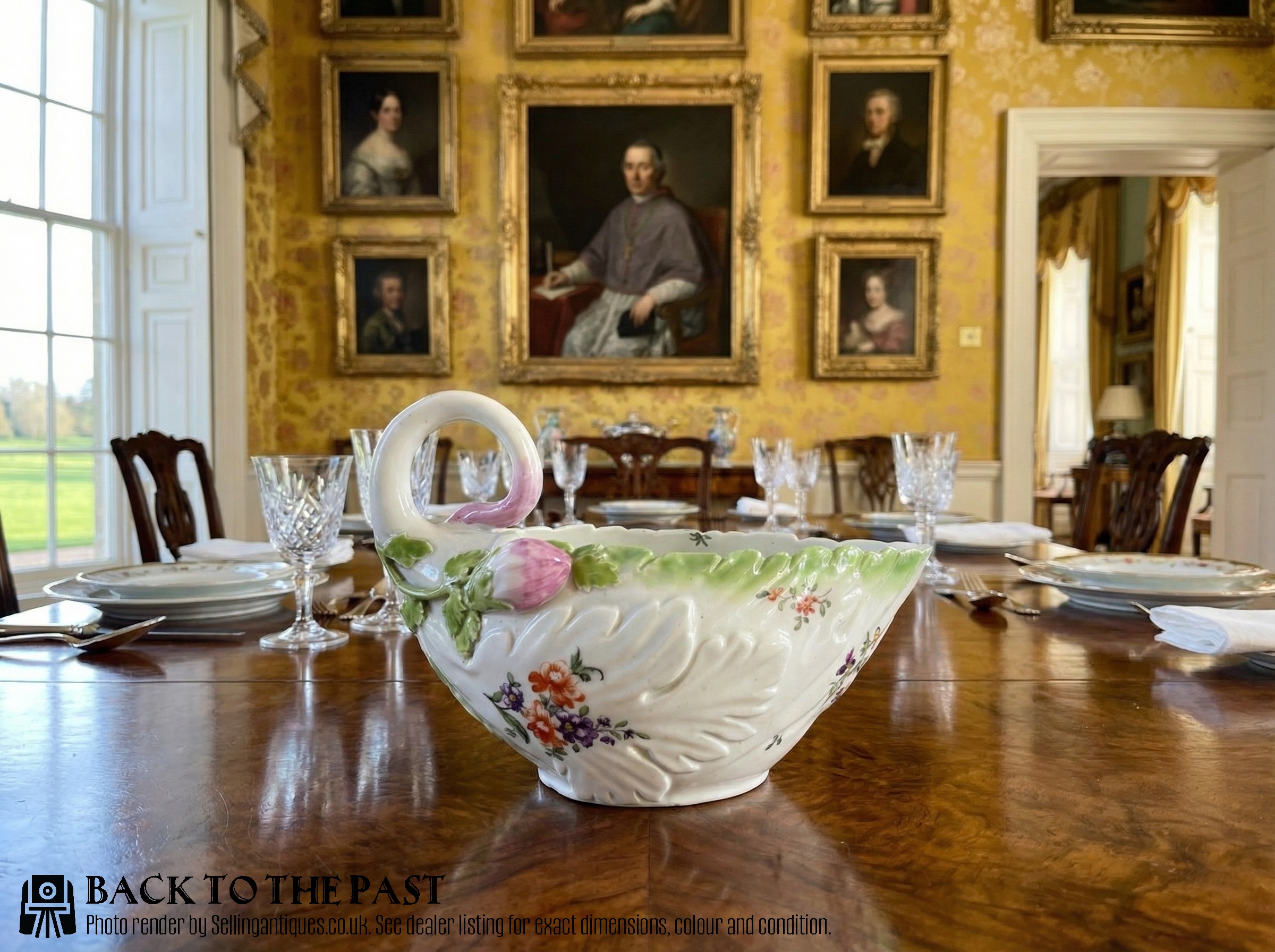
Antique English Porcelain Boat
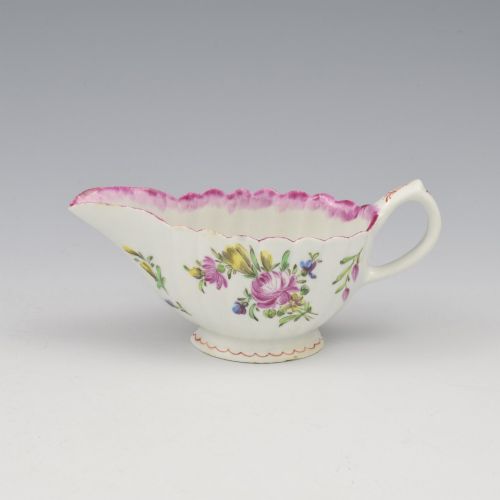
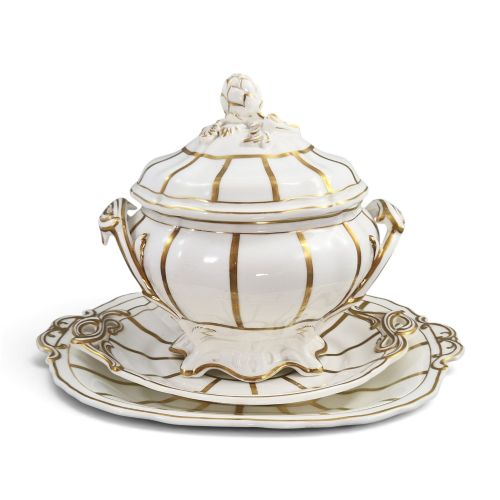
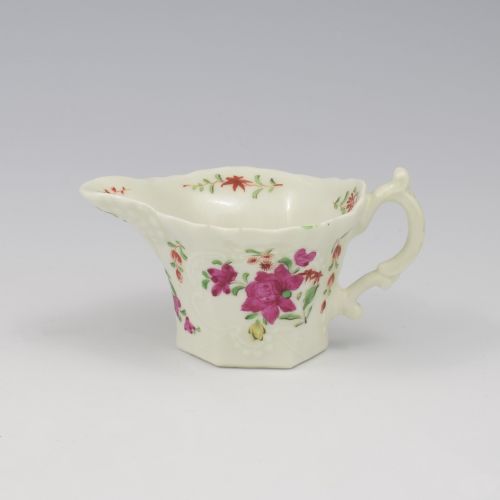
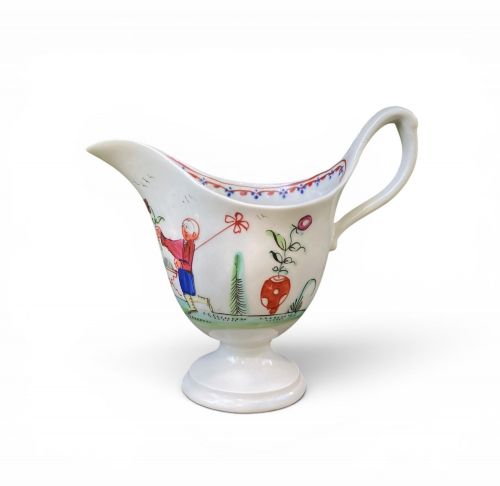
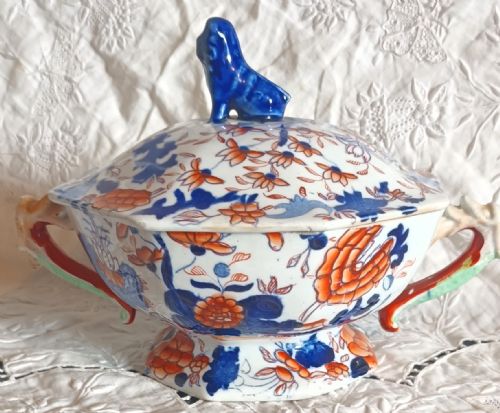
An antique english porcelain boat encompasses utilitarian tableware such as sauce boats, sauce tureens, cream jugs, and butter boats designed for dining. These vessels draw on periods ranging from the eighteenth century through to the Edwardian era, spanning Georgian, Regency, and Victorian styles.
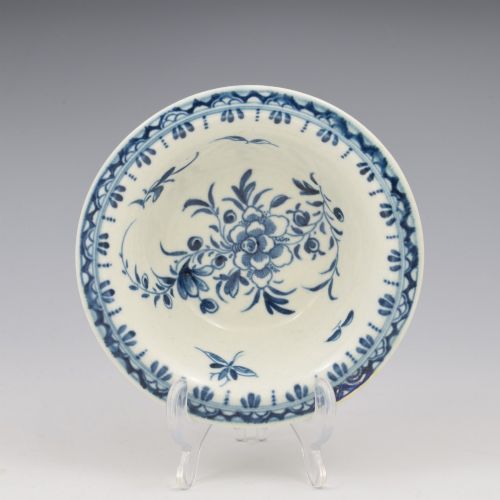
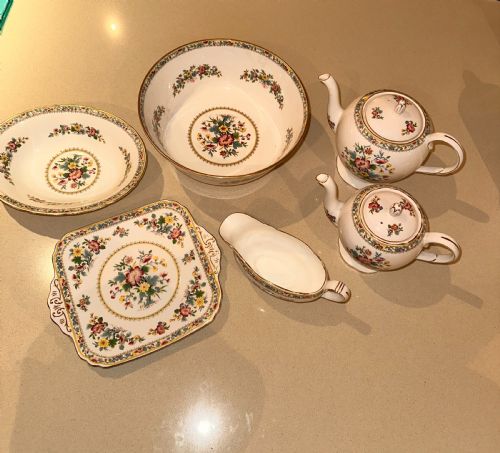
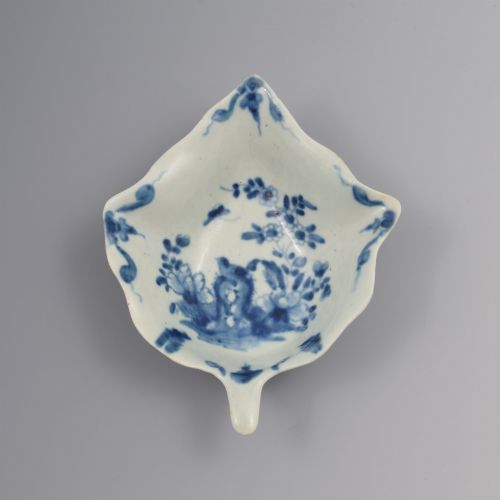
The pieces appearing on this page skew heavily towards eighteenth-century soft-paste porcelain sauce boats alongside nineteenth-century ironstone tureens and bone china services. Forms vary from moulded leaf and dolphin ewer shapes to classic fluted vessels decorated with blue and white or polychrome patterns.
Makers represented in these listings include early factories like Bow, Worcester, and Caughley, progressing to later nineteenth-century firms such as Davenport, Mason's, and Flight, Barr & Barr. Buyers encounter everything from simple domestic cream jugs to elaborate matching tureen sets with ladles.
Materials and production methods
Early makers utilised soft-paste porcelain or bone china bodies, shaped either by throwing on the wheel, pressing into moulds, or building up leaf and dolphin forms by hand. Cobalt glaze, hand-poured enamel colours, and gold leaf or gilt highlights completed the decoration before firing.
Painting techniques combined underglaze blue transfers with overglaze polychrome enamelling depicting Chinese figures, floral sprays, and landscapes. Ironstone bodies offered greater durability for nineteenth-century dinner services while retaining moulded relief details.
Listings feature eighteenth-century soft-paste porcelain alongside nineteenth-century ironstone and bone china forms.
Factors separating quality ranges
Quality rests upon the crispness of the moulding in relief pieces like dolphin ewers and leaf dishes, where sharper details indicate fresher moulds. The precision of the hand-painting, particularly in complex figural scenes such as the Mandarin Chinese patterns, separates basic output from superior studio work.
The integrity of the glaze and the richness of the cobalt blue or gilt accents determine visual success. Pieces showing careful registration in transfer-printing and minimal firing warps stand at the upper end of the scale.
Bow Porcelain·Caughley·Chelsea Derby·Davenport·Mason's Ironstone·Flight Barr And Barr·Royal Crown Derby
The Antique English Porcelain Boat Glossary
- Soft-paste porcelain
- An artificial ceramic body fired at lower temperatures than hard-paste porcelain, common in eighteenth-century English production. It has a warm, slightly creamy appearance under the glaze.
- Sauce boat
- A small pitcher with a lip and handle designed for serving gravies or sauces at the table. These vessels often feature footed bases or triangular platforms.
- Sauce tureen
- A covered container with matching handles and sometimes a ladle, used for holding and serving hot sauces during formal dinners. They frequently sit upon fixed or separate stands.
- Pickle dish
- A small, shallow moulded dish, often shaped like a leaf or shell, used for serving pickles or small relishes. Eighteenth-century examples often feature delicate blue and white painting.
- Ironstone
- A heavy, durable type of earthenware patented in the nineteenth century to imitate porcelain. It resists chipping while accepting rich enamels and gilt successfully.
- Gilt
- A thin layer of gold applied to ceramic surfaces for decorative highlights along rims and handles. This finish can show wear depending on past use and washing.
Antique English Porcelain Boat: Frequently Asked Questions
How were antique porcelain boats used at the table?
These vessels served gravies, melted butter, cream, and sauces during multi-course meals. Sauce boats held liquids for pouring, while covered tureens kept contents warm.
Larger sets included matching ladles and undertrays to protect dining linens from drips during service.
How do I distinguish First Period Worcester from later copies?
First Period Worcester pieces from the eighteenth century typically feature soft-paste porcelain bodies with characteristic workman marks or crescent stamps underneath. The cobalt blue underglaze decoration often shows subtle pooling and softening.
Later nineteenth-century revivals utilise harder ceramic bodies with crisper transfer printing and different factory ciphers.
Are ironstone boats heavier than porcelain ones?
Ironstone tureens and sauce boats feel significantly heavier and denser in the hand than eighteenth-century soft-paste porcelain pieces. This nineteenth-century body was engineered for robust daily dining rather than delicate display.
Despite the weight, ironstone vessels often retained elaborate moulded details and vibrant hand-applied enamel patterns.
How should I display a sauce boat safely?
Display these pieces on stable, flat surfaces away from direct foot traffic where handles or protruding lips might sustain knocks. Avoid placing them in direct sunlight if the enamels include delicate overglaze colours.
Support any separate covers or ladles independently rather than balancing them precariously on the vessel.