
Antique English Metalware
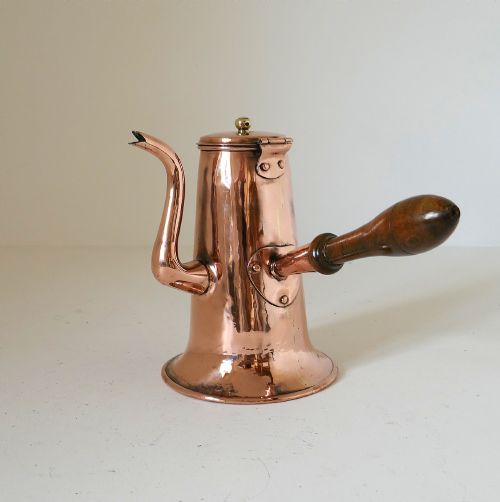
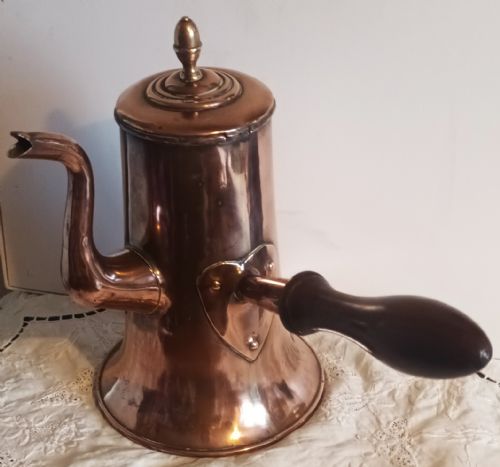
These pieces of antique english metalware range from heavy seventeenth century mortars to gleaming georgian copper coffee pots.
Antique English Metalware
When searching for antique english metalware, collectors encounter domestic utensils, lighting devices and table service items fashioned from various base metals. The selection spans utilitarian kitchen equipment alongside decorative domestic objects designed for affluent households.
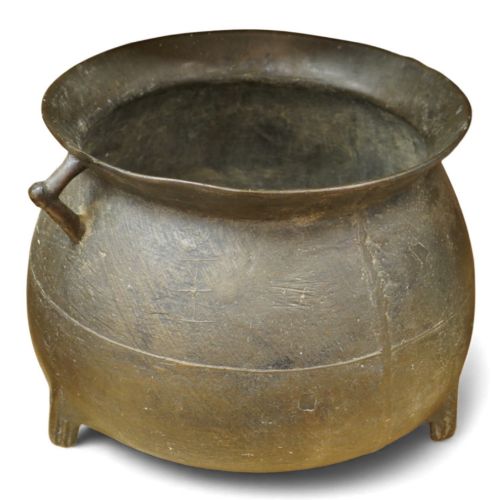
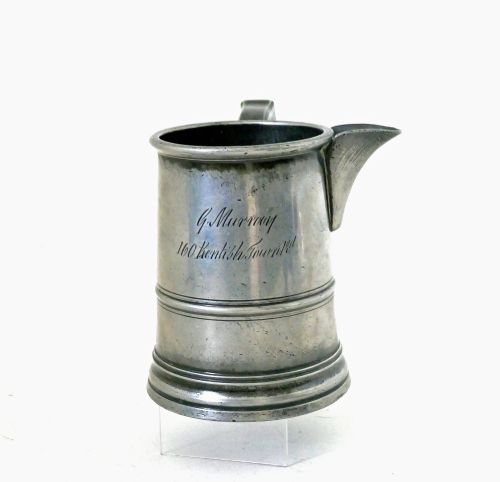
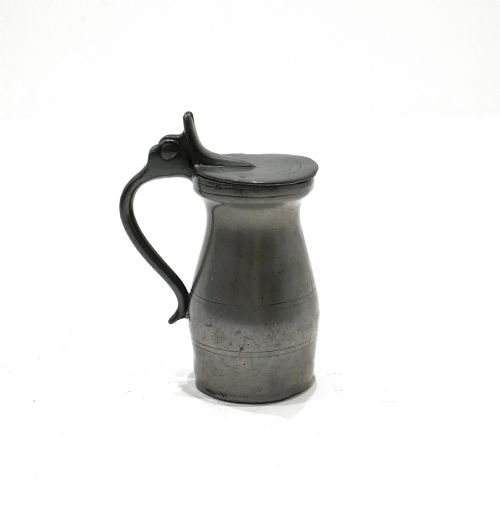
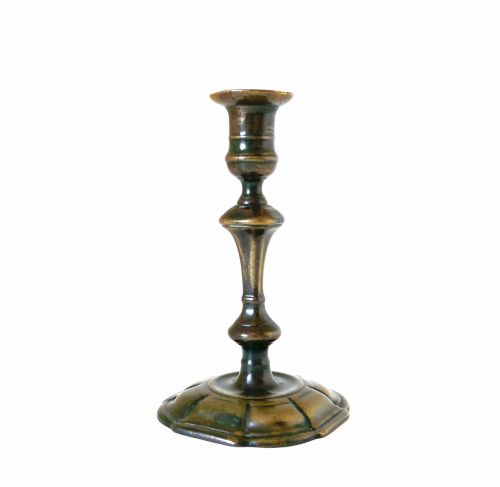
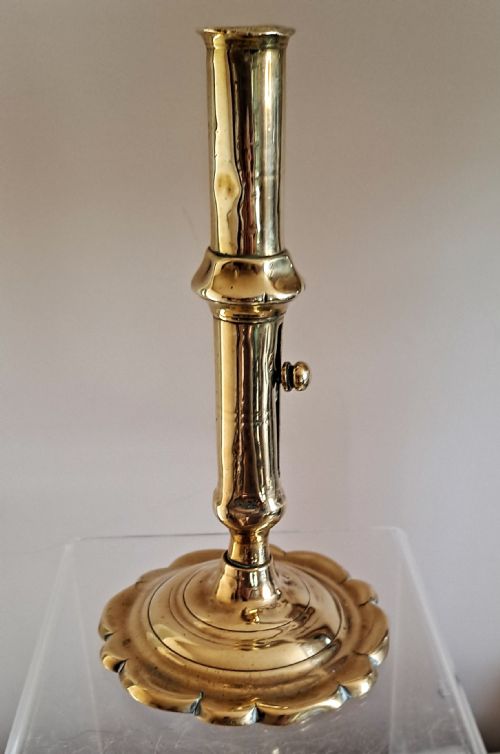
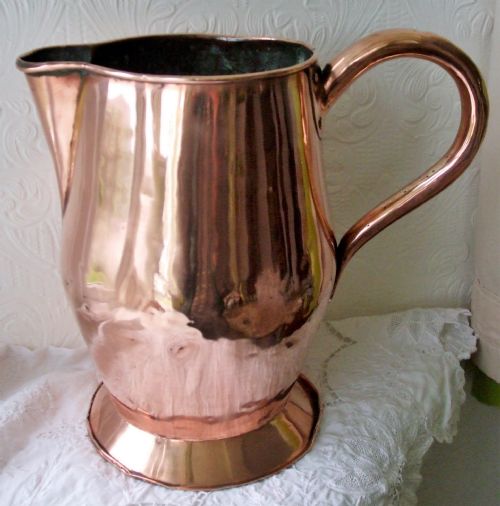
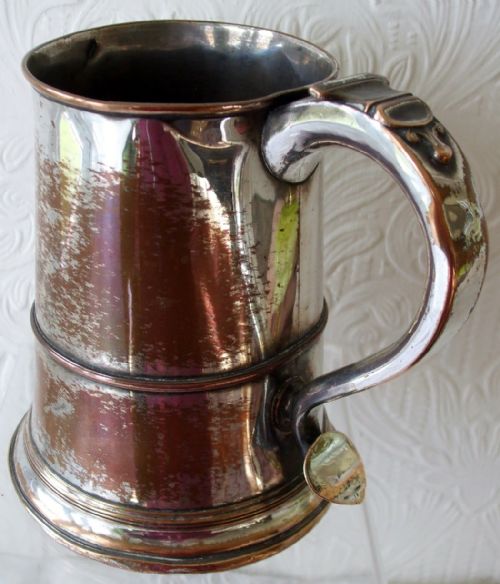
Vessels such as coffee pots, tea urns, ale jugs and cauldrons dominate the domestic forms. Candlesticks, chargers, plates and flatware complete the material record of early households.
The objects derive from seventeenth, eighteenth and nineteenth century workshops, showing how metalworking evolved from heavy cast bronze and leaded bronze into spun copper and refined pewter alloys.
How they were made
Early items rely heavily on sand casting and lost wax techniques, visible in the thick walls of bronze mortars and cauldrons. Pewter objects were cast in metal or stone moulds before undergoing extensive hammering, lathe turning and hand finishing.
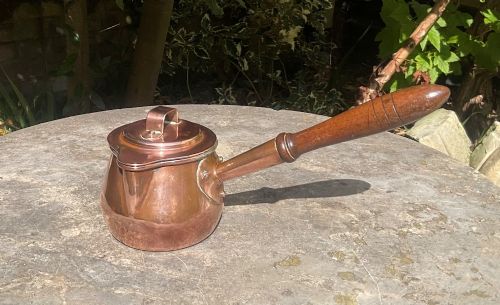
Coppersmiths shaped sheet metal by hammering over stakes, joining seams with dovetails or hard solder to create seamless liquid containers. Wrought iron and steel pieces were forged at the anvil, incorporating punchwork and chiselled details.
Antique English Metalware Retail Price Guide 2026
Typical asking prices for english metalware among the pieces listed under this phrase on Sellingantiques today, from the lower quarter to the upper quarter. They describe what is for sale here now, not the wider market.
Some seventeenth century brass fish slices arrived directly from manor house kitchens.
What varies in quality
The thickness of the original metal sheet and the crispness of secondary chasing or engraving separate standard domestic wares from exceptional examples. Heavy gauge copper and well balanced pewter retain their structural integrity far better over centuries of use.
Maker identification marks, touchmarks and armorial engravings elevate individual pieces significantly. Items bearing legible hallmarks or historical ownership ciphers demonstrate superior workshop origin and provenance.
Liberty & Co·John Linwood·William Soutter & Sons·James Spackman·Wood & Michell
The Antique English Metalware Glossary
- Touchmark
- An indented stamp applied by a pewterer to guarantee the alloy standard of a vessel. These small marks often reveal the maker and working dates.
- Latten
- A yellow metal alloy resembling brass, commonly used for early spoons and candlesticks before modern brass production methods took over.
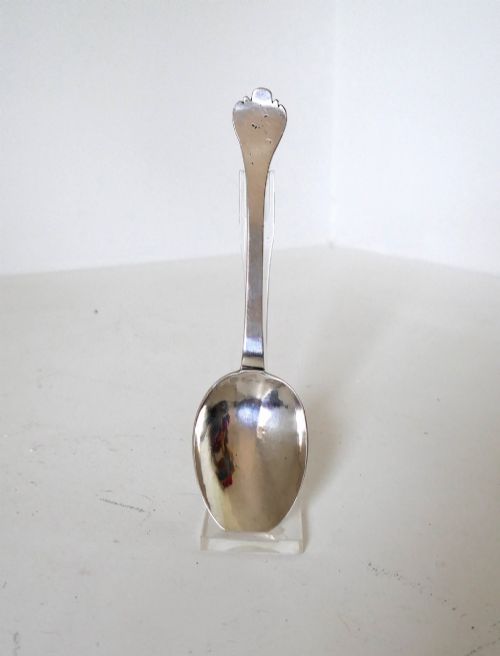
- Trefid spoon
- An early dining implement featuring a broad, three lobed terminal handle stem popular during the late seventeenth century.
- Spit jack
- A mechanical kitchen device driven by weights or clockwork to turn meat uniformly in front of an open hearth fire.
- Paktong
- A copper, nickel and zinc alloy imported from China and utilised for bright, silver coloured candlesticks during the eighteenth century.
Antique English Metalware: Frequently Asked Questions
How do I clean old copper?
Historic metal surfaces develop stable patinas that collectors prefer to preserve rather than polish away. Gentle washing with warm soapy water removes accumulated surface grime safely.
Harsh chemical abrasives strip away historical layers and damage the soft underlying metal permanently. Light dusting and occasional dry waxing protect the surface without altering its age.
What is latten metal?
Latten is a durable copper alloy similar to brass, widely utilised for spoons and candlesticks in seventeenth century households. It contains copper and zinc melted together with small traces of other metals.
This material withstands daily kitchen heat and friction exceptionally well. Surviving pieces display a deep, warm golden tone developed through centuries of handling.
Are pewter plates safe for food?
Early pewter formulations frequently contained variable quantities of lead that can leach into acidic foods and liquids. Modern testing is necessary if historic vessels are utilised for serving meals.
Most collectors treat antique plates and chargers purely as decorative display items. Their historical touchmarks and engraved coats of arms remain best preserved away from active kitchen use.
How do I date a brass candlestick?
Base forms shift from heavy square and petal configurations in the seventeenth and early eighteenth centuries toward slender fluted columns later on. Construction clues like removable push ejectors and casting seams provide reliable chronological markers.
Earlier examples often feel heavier and show distinct lathe turn marks inside the socket base. Comparing base weights and socket diameters helps differentiate eighteenth century production from later Victorian revivals.