



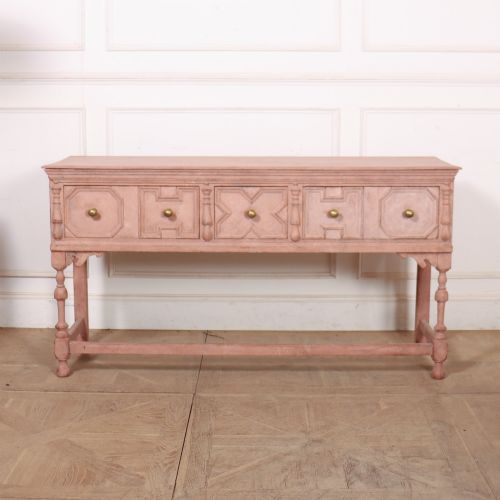

Antique English Dresser Base
When you need a heavy working surface and deep storage for a kitchen or dining room, an antique english dresser base provides fitted drawers and cupboards built to last centuries.
Antique English Dresser Base
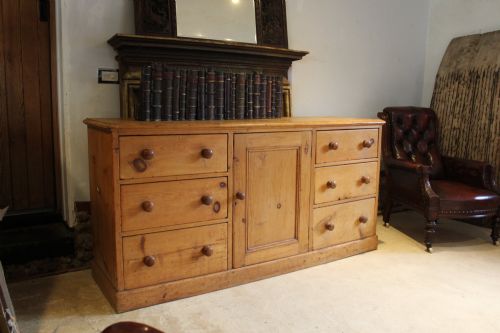
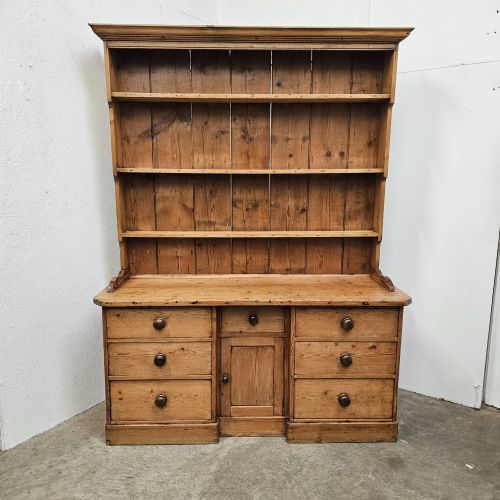
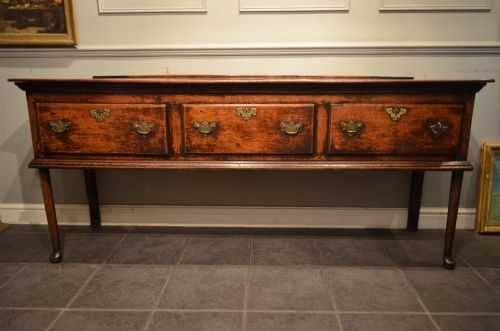
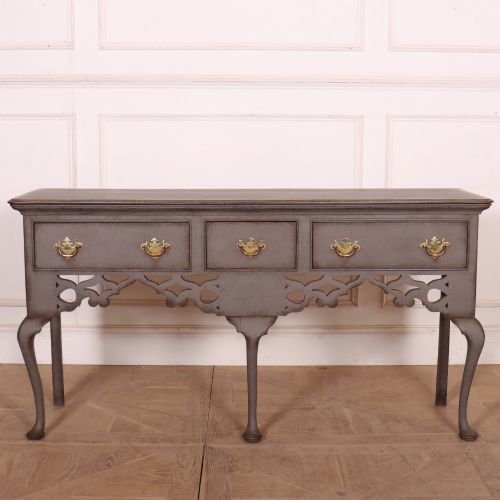
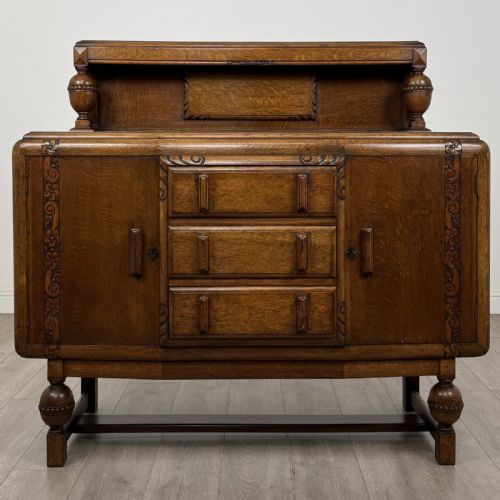
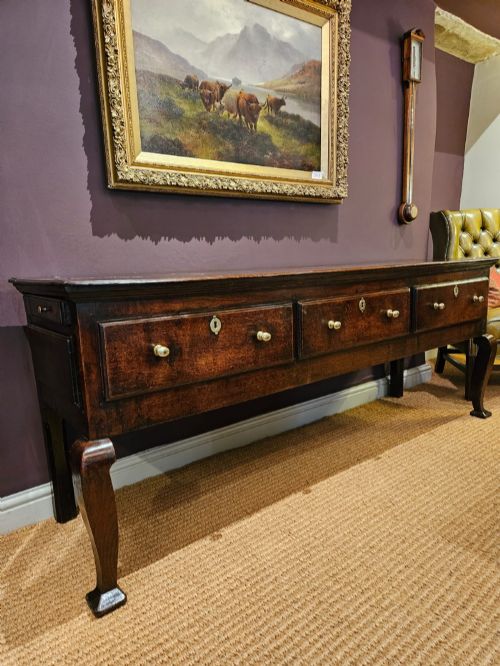
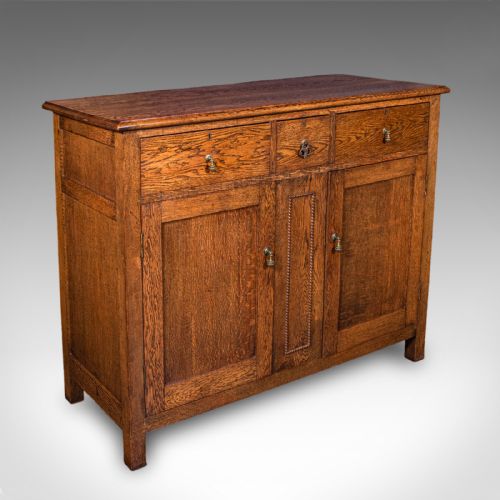
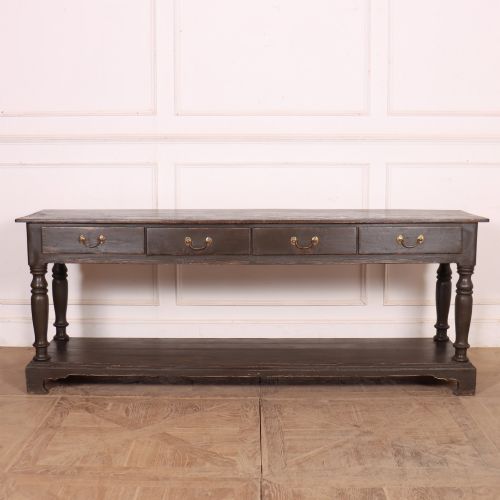
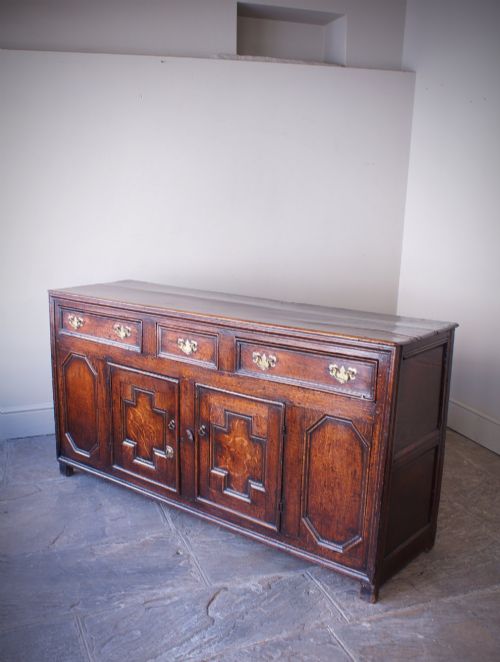
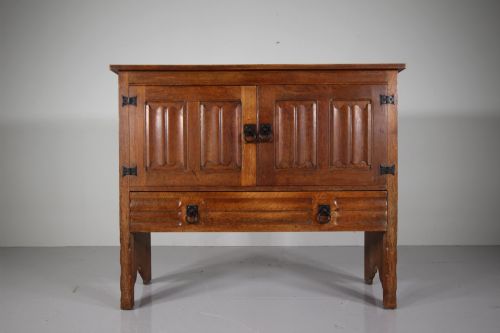
An antique english dresser base sits low to the floor as a heavy wooden sideboard or serving table, typically fitted with a row of drawers above cupboards or an open lower shelf.
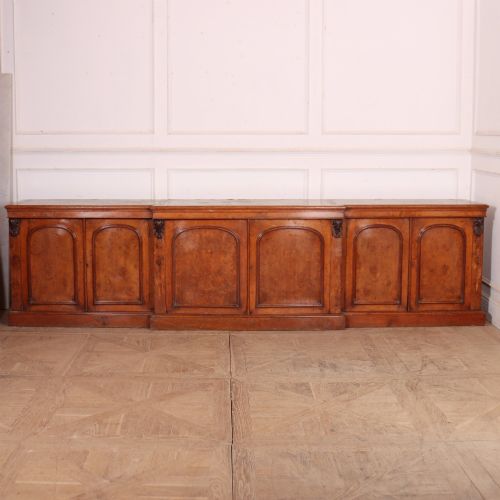
The version most commonly met on this page is the 18th-century or 19th-century oak example, often displaying the robust proportions of the Georgian or country house tradition.
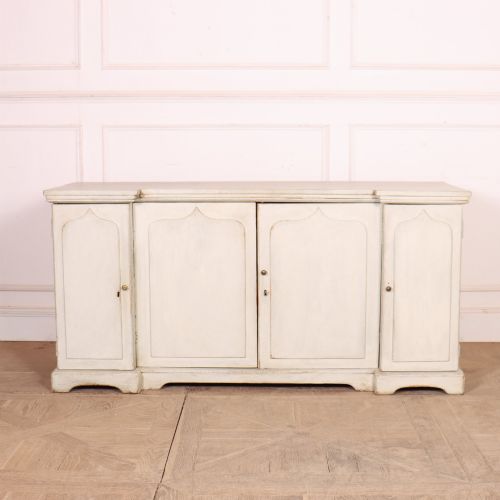
Alongside timber surfaces, many variants appear in old pine or with painted finishes, reflecting regional domestic use across English counties from the 17th century onwards.
How They Were Made
Construction relies heavily on native timbers such as oak, elm, and pine, joined with traditional methods to withstand daily domestic labour.
Surfaces frequently feature hand-planed boards, pegged joints, and brass or iron hardware that secure the drawers and doors.
Finishes range from waxed natural grain to historical painted coats, sometimes layered over centuries of continuous kitchen use.
Antique English Dresser Base Retail Price Guide 2026
Typical asking prices for english dresser base among the pieces listed under this phrase on Sellingantiques today, from the lower quarter to the upper quarter. They describe what is for sale here now, not the wider market.
Some sturdy oak examples double as window seats when placed low beneath a cottage casement.
What Varies in Quality
The standard of a piece depends on the choice of timber and the integrity of its original construction, such as whether drawer linings and backboards remain untouched.
Proportion and regional detailing set finer examples apart, particularly where mouldings, brass pulls, and leg turning reflect specific period styles like Jacobean revival or George III.
The preservation of original surface patination, whether through a deep wax buildup or early paint, distinguishes pieces retaining their historical character.
The Antique English Dresser Base Glossary
- Potboard
- An open lower shelf fitted beneath a dresser base designed to hold pots and heavy tableware. This practical lower tier defines many country house examples.
- Geometric moulding
- Raised decorative wooden strips applied in panels, typical of 17th-century and revival pieces. It creates texture and depth on drawer fronts and doors.
- Breakfront
- A cabinet design where the central section projects forward from the flanking sides. This architectural arrangement adds visual weight and presence.
- Satinwood
- A fine timber known for its pale, golden lustre, occasionally utilised for decorative veneers or smaller drawer fronts in later pieces.
- Cotswold School
- An early 20th-century design movement focused on traditional craft and visible hand-tooling. Pieces from this tradition emphasise honest construction.
Antique English Dresser Base: Frequently Asked Questions
Where were dresser bases used?
These low cupboards and sideboards served primarily in farmhouse kitchens and large country houses as food preparation surfaces and storage units.
Over time, they moved into dining rooms and hallways to display ceramics and house household linens.
How do I tell oak from pine pieces?
Oak items display a dense, visible grain with characteristic silver medullary rays and heavy weight.
Pine versions feel lighter, showing a softer grain structure that often accepts painted finishes or simple wax dressings.
Are painted dresser bases original?
Many pine and hardwood examples retain early or original painted surfaces applied to protect the timber during domestic use.
Layered paint finishes often show genuine wear patterns developed through decades of kitchen activity.