
Antique English Cupboard
An antique English cupboard brings centuries of domestic storage into a room, offering heavy oak timbers, polished mahogany, and fitted shelving.
Antique English Cupboard
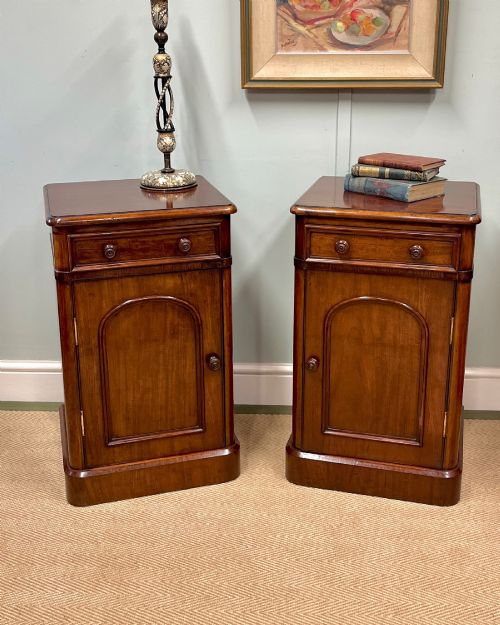
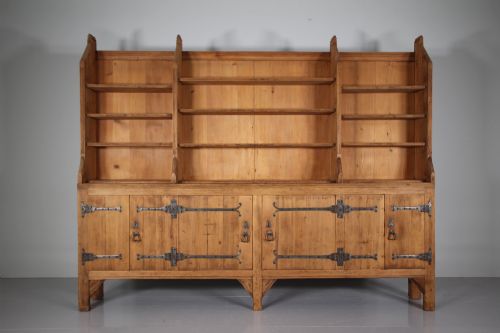
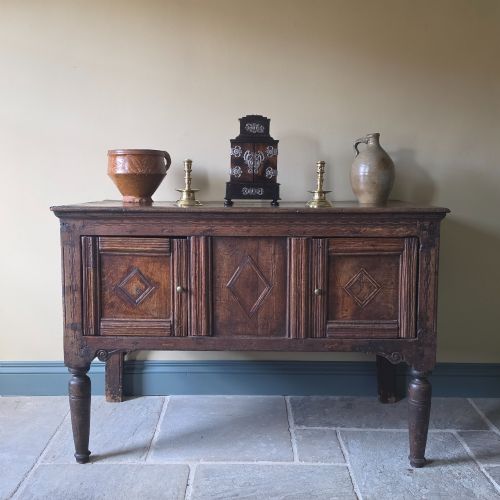
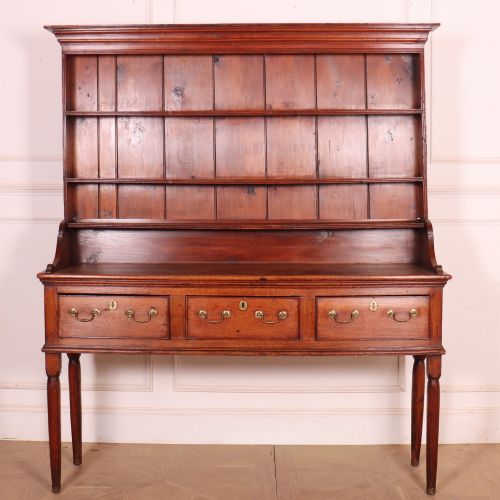
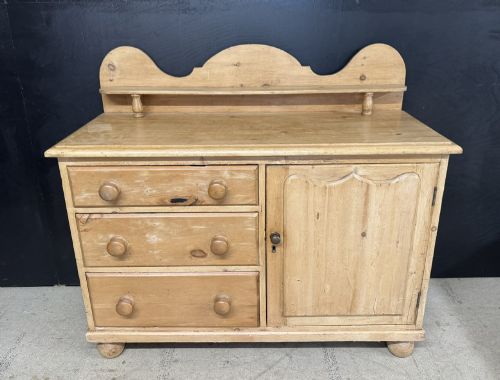
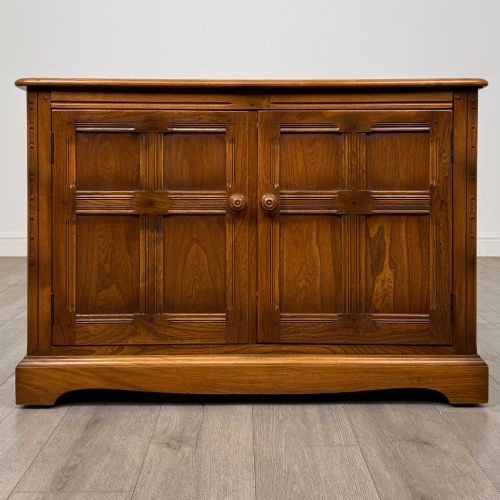
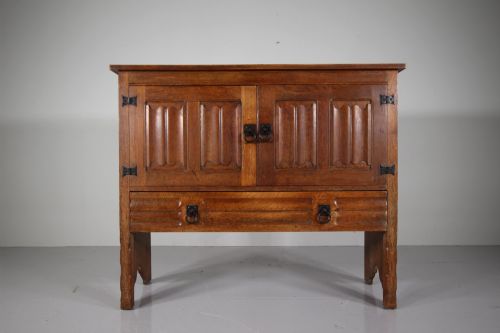
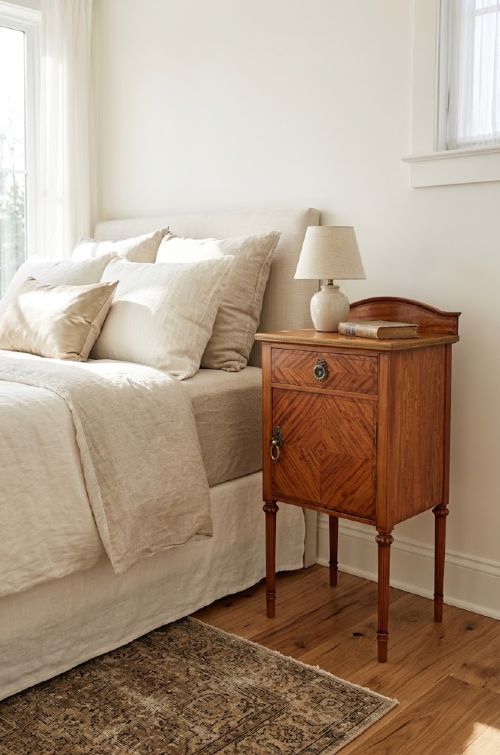
An antique English cupboard encompasses a diverse range of domestic storage forms, from sturdy seventeenth-century food hutches and court cupboards to Victorian mahogany bedside units and Edwardian satinwood nightstands. Buyers searching this phrase encounter heavy oak joined pieces alongside refined Georgian breakfronts, glazed pine dressers, and walnut tallboys.
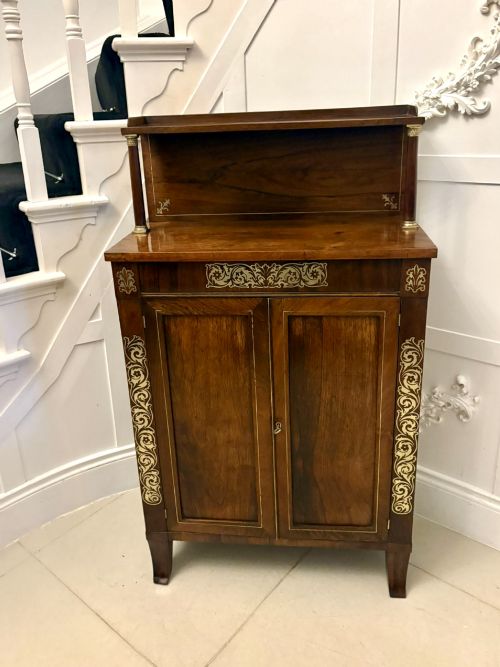
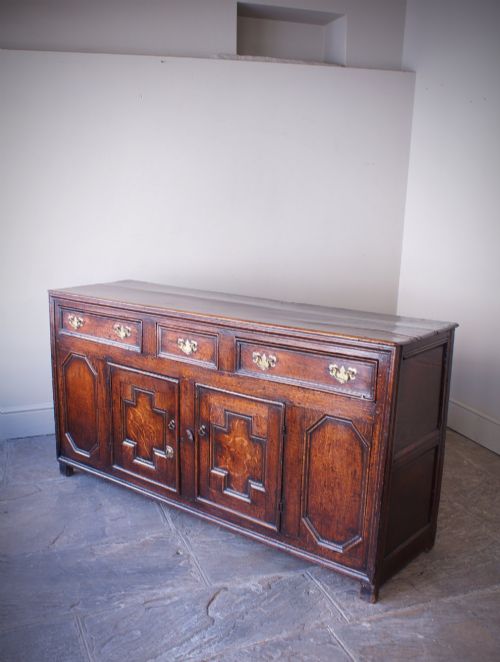
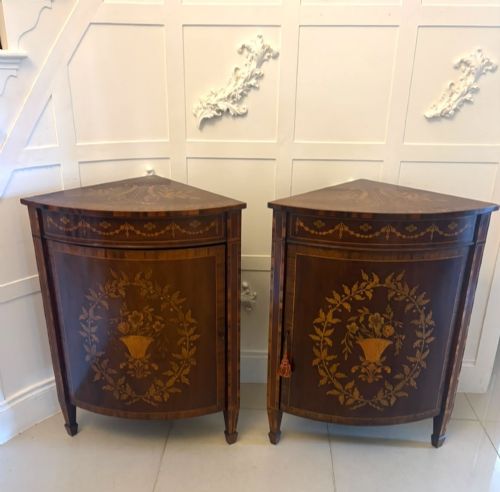
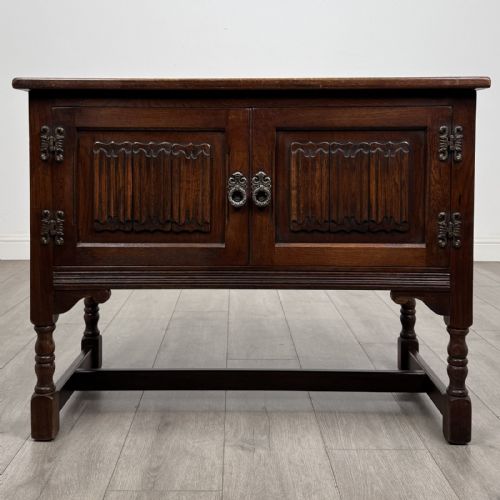
The pieces on this page lean heavily toward oak and mahogany furniture spanning the seventeenth century through to the Art Deco period of the nineteen-thirties. Formats vary from corner cabinets and chiffoniers to press cupboards and linen stores, reflecting the changing interior storage needs of English households across multiple centuries.
How they were made
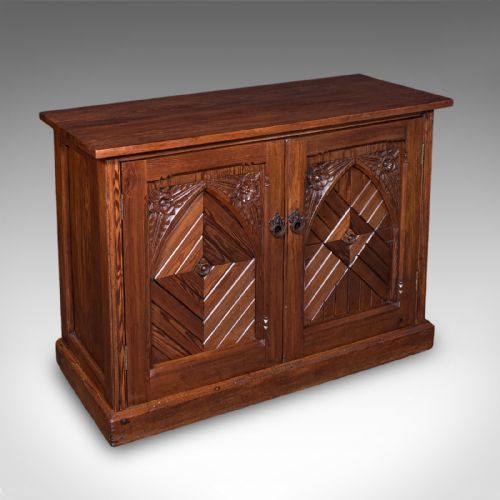
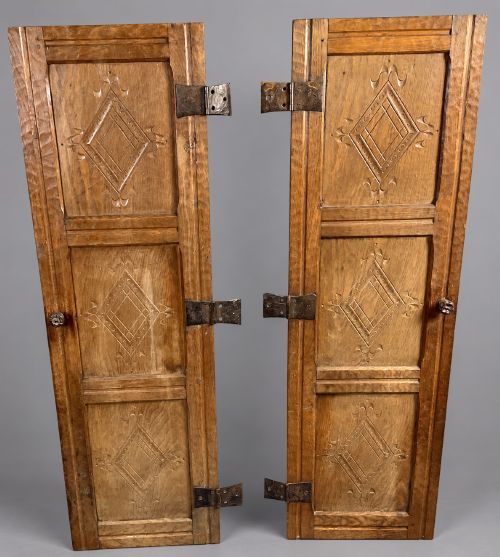
Joinery traditions dictate the construction of these items, utilising solid oak pegged frames in earlier centuries and transitioning to finely figured mahogany, walnut, and satinwood veneers as cabinet-making techniques evolved. Workshops employed traditional hand-planing, dovetailing for drawer construction, and intricate marquetry or linenfold carving to surface the wood.
Secondary timbers such as pine frequently appear in carcass backs and interior shelving, while brass hardware, iron fittings, and glass panes complete the structural and decorative assembly of bookcases, cupboards, and dressers.
A seventeenth-century food hutch shares floor space with a metal jewellers chest featuring its own original light fitting.
What varies in quality
Quality rests upon the integrity of the timber selection and the restraint applied to subsequent restorations, distinguishing structurally honest regional pieces from heavily altered examples. Figuring in walnut and flame mahogany, the crispness of hand-carved linenfold details, and the survival of original brass handles or glass all elevate a piece within its period.
Proportion and construction depth separate standard utility furniture from high-workshop commissions, where secondary woods match primary timbers and drawer linings exhibit meticulous hand-cut dovetailing.
Maple and Co·Gillows
The Antique English Cupboard Glossary
- Court cupboard
- A two-stage seventeenth-century storage piece featuring an enclosed upper section supported by pillars above a recessed or open lower tier.
- Livery cupboard
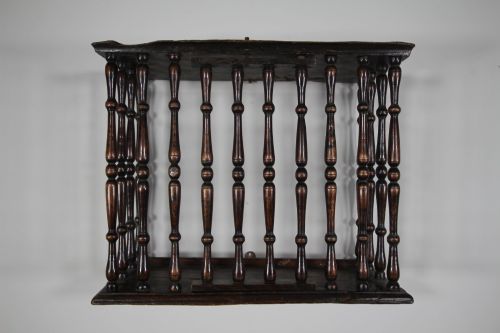
- A medieval or seventeenth-century ventilated storage unit originally designed for food or candles, often constructed with turned spindles for air circulation.
- Press cupboard
- A large wardrobe or linen storage form featuring hanging space or sliding trays enclosed by heavy panelled doors.
- Chiffonier
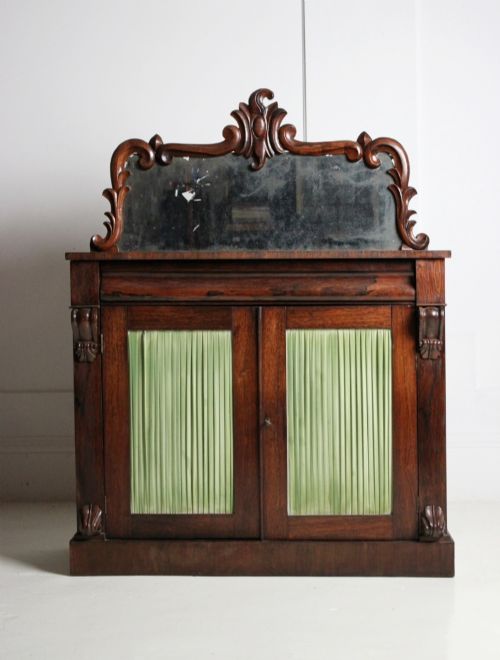
- A low nineteenth-century sideboard or cabinet, frequently fitted with shelves or a mirror superstructure, designed for smaller reception rooms.
- Compactum
- A multi-functional wardrobe or tallboy combining drawers, hanging compartments, and shelving within a single tall carcass.
Antique English Cupboard: Frequently Asked Questions
How do I date an oak cupboard?
Dating relies on construction methods such as hand-pegged joints, adze marks, and timber grain patterns rather than carved dates, which can be later additions. Seventeenth-century examples typically display joined frame-and-panel construction with heavy oak boards.
Later Victorian and Edwardian interpretations often incorporate machine-sawn backing boards and standardised iron hinges alongside period revival styling.
Where should I place a corner cabinet?
Corner cabinets fit directly into ninety-degree room angles, utilising dead space to display glassware or store tableware without obstructing walkways. They suit dining rooms, living spaces, or hallways where wall run is limited.
Tall models anchor empty corners effectively, while smaller wall-hanging or stand-mounted versions sit comfortably above side tables.
What is the difference between a cupboard and a press?
A cupboard generally refers to an enclosed storage piece with shelving behind doors, designed for general provisions, food, or linen. A press specifically denotes a larger wardrobe-style unit built with sliding internal trays or hanging space for garments.
Earlier press cupboards often divide horizontally into an upper storage compartment and a lower chest base.
How do I care for antique mahogany?
Mahogany requires stable humidity levels and protection from direct sunlight to prevent timber warping and fading of the polished finish. Dusting with a dry, soft cloth maintains the surface without build-up.
Occasional application of traditional beeswax feeds the grain and preserves the rich colour developed over centuries of polishing.