

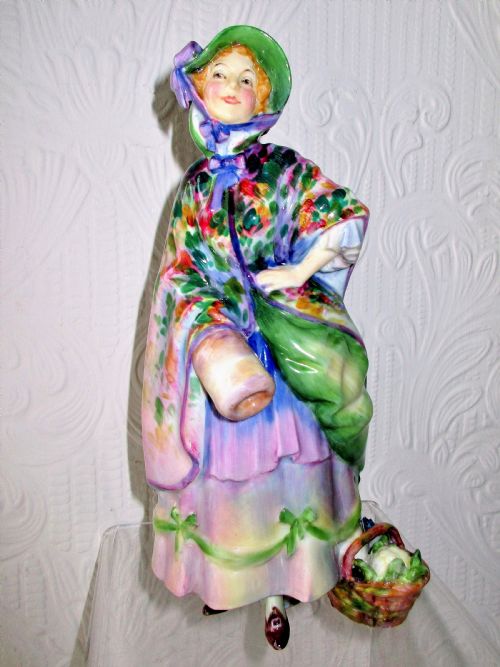
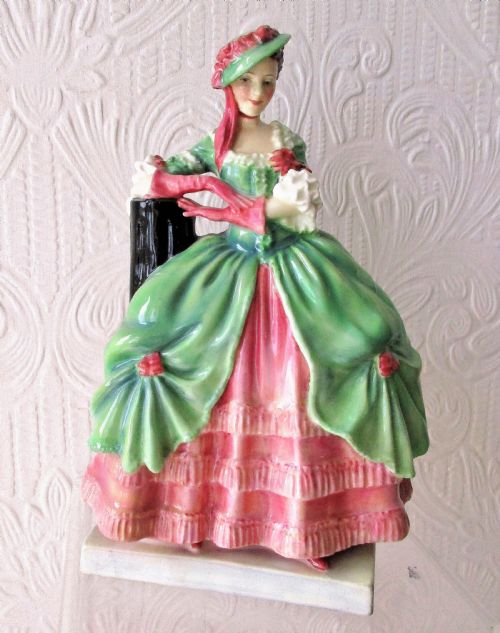
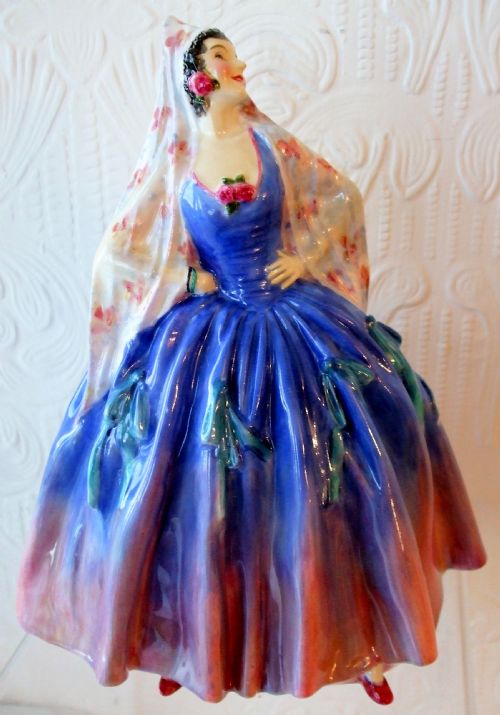
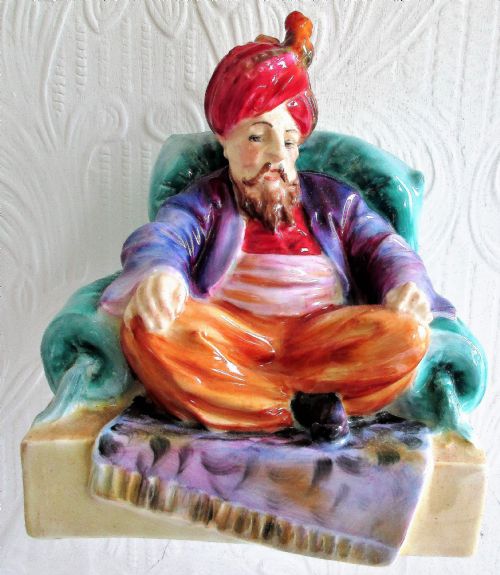
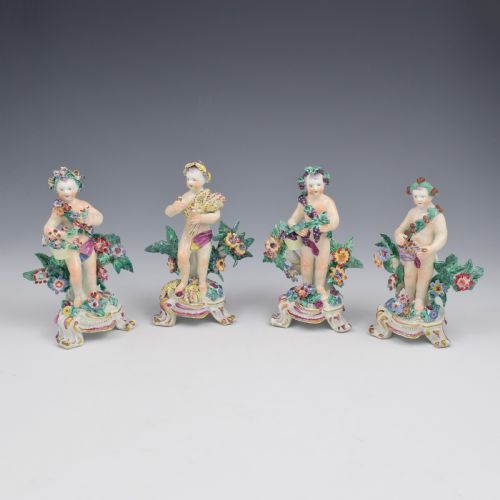


Antique English China Figure
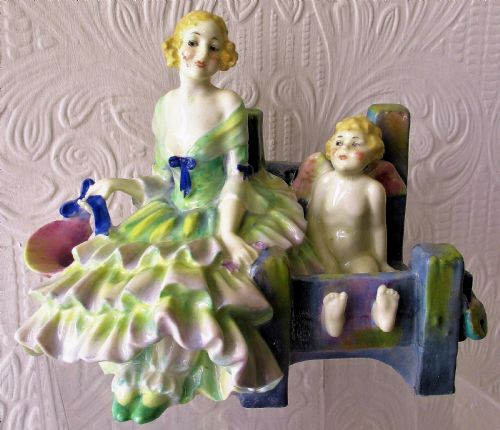
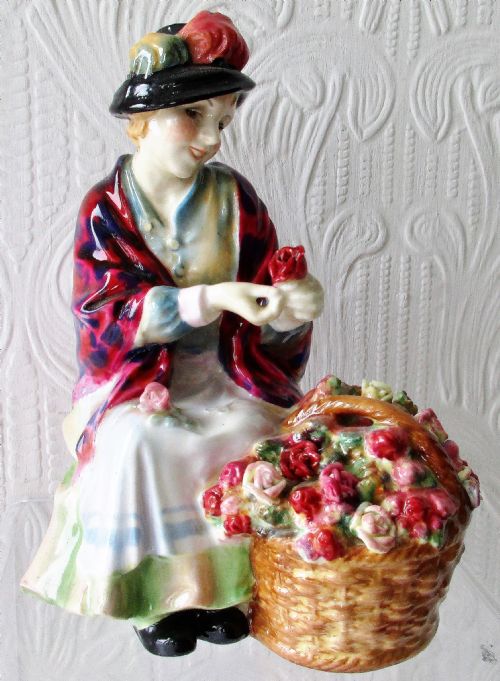
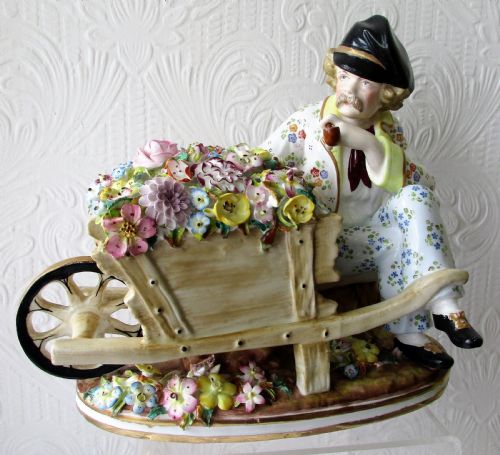
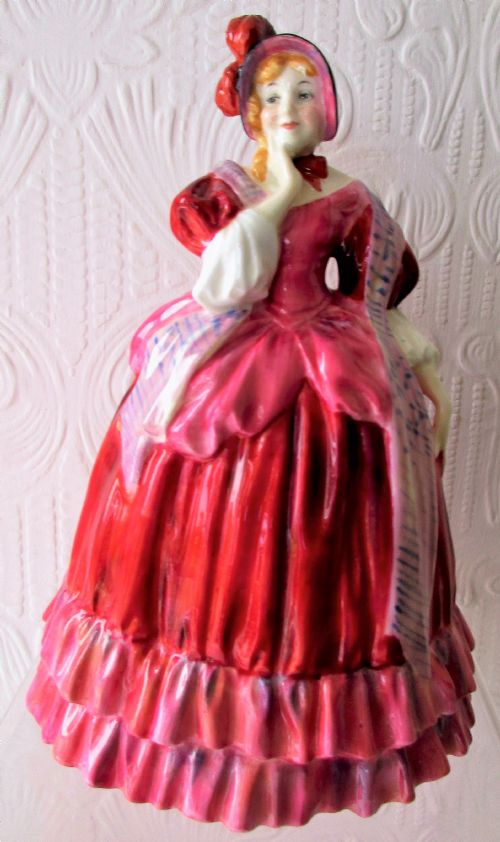
These antique english china figure pieces range from eighteenth-century soft-paste porcelain models to twentieth-century bone china character studies.
Antique English China Figure
An antique english china figure search brings together ceramic sculptures, allegorical groups, and tableware decorated with painted scenes spanning multiple centuries. Collectors encounter eighteenth-century figures from factories like Bow, Derby, Worcester, and Chelsea, alongside nineteenth-century pieces and twentieth-century designs.
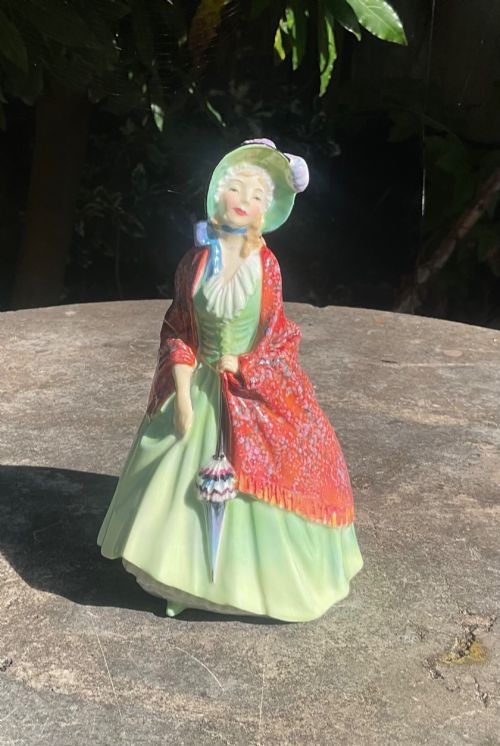
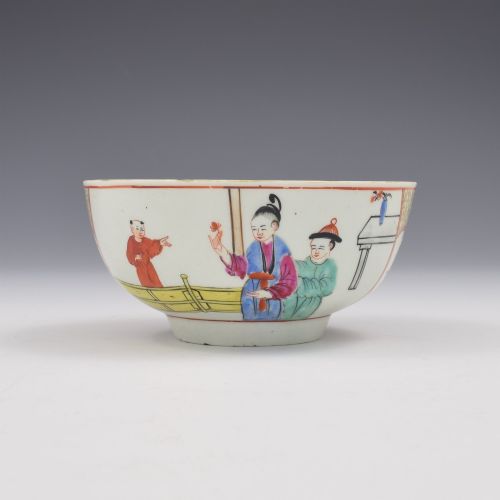
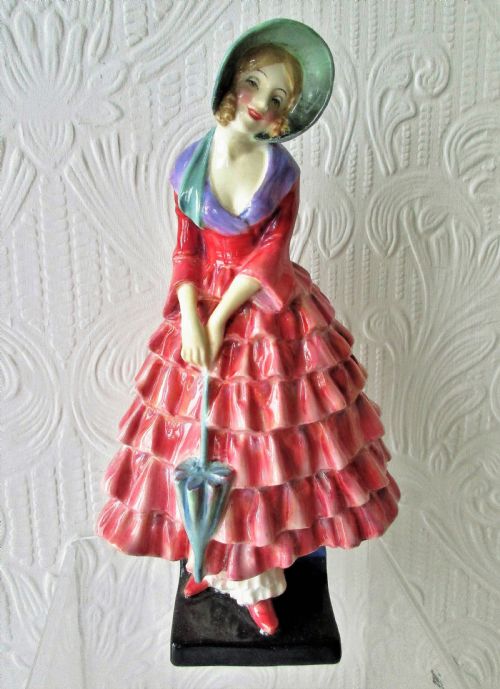
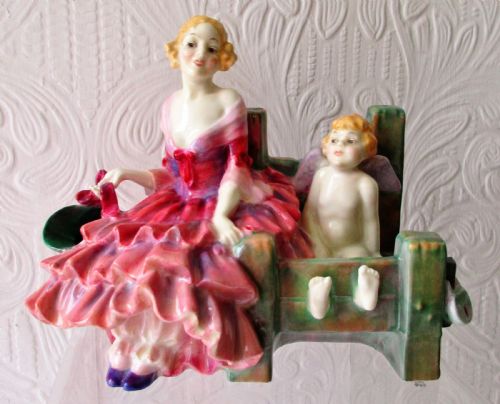
The selections on this page lean heavily toward nineteenth-century works and twentieth-century porcelain figurines by makers such as Royal Doulton and Royal Worcester. Alongside human representations, buyers find animal models, allegorical representations of the seasons and continents, and functional tableware bearing painted Chinese figures.
Forms vary from standing putti and mythological deities to literary characters, street vendors, and theatrical portraits. Eighteenth-century examples frequently employ soft-paste porcelain with allegorical or pastoral themes, whereas later iterations utilise bone china or refined earthenware for decorative character studies.
Materials and construction methods
Makers shaped these sculptures using soft-paste porcelain, bone china, and glazed porcelain, often finished with delicate enamel painting and gilding. Eighteenth-century pieces from factories like Bow and Derby rely on soft-paste bodies that interact distinctively with early underglaze and enamel colours.
Surfaces received careful treatment involving clear glaze, gold leaf, and polychrome enamel decoration applied by hand. Later twentieth-century figures by Royal Doulton and Royal Worcester showcase smooth bone china bodies finished with precise coloured glazes.
Several eighteenth-century putti figures are caught mid-action, embodying water, land, winter, and the four seasons with charming expressions.
Distinctions in quality and execution
Quality separates through the crispness of the modelling and the precision of the hand-painted enamel details. Superior examples retain fine facial expressions, well-defined fingers and drapery, and cleanly applied polychrome palettes without blurring.
The sophistication of the original design and the preservation of delicate applied elements, such as foliage or musical instruments, distinguish finer porcelain figures from standard production pieces.
Royal Doulton·John Bevington·Bow Porcelain·Derby Porcelain·Royal Worcester·Minton·Chelsea Porcelain
The Antique English China Figure Glossary
- Soft-paste porcelain
- An artificial ceramic composition fired at lower temperatures than hard-paste porcelain, common in eighteenth-century English factories.
- Bone china
- A type of soft-paste porcelain incorporating bone ash, developed to improve durability and whiteness in English ceramics.
- Enamel
- Opaque vitreous material fused to the ceramic surface to provide coloured decoration.
- Putto
- A plump naked male child, frequently depicted as a winged cupid or allegorical figure in eighteenth-century porcelain.
- Allegorical figure
- A symbolic sculpture representing an abstract concept, season, or continent through specific attributes.
Antique English China Figure: Frequently Asked Questions
How do I identify eighteenth-century figures?
Eighteenth-century figures typically feature soft-paste porcelain bodies, hand-painted pastel enamel hues, and characteristic forms such as allegorical putti or classical deities from factories like Bow and Derby.
Close examination of the paste under magnification and familiarity with period modelling styles help distinguish these early productions from later nineteenth-century revivals.
What materials were used for these sculptures?
English makers utilised soft-paste porcelain, bone china, and glazed porcelain, complemented by enamel colours, gold leaf, and gilding.
Early works rely on soft-paste bodies with vibrant or pastel hand-painting, while twentieth-century examples standardise on refined bone china.
Are these figures purely decorative?
Most pieces serve as decorative figurines, mantle ornaments, or cabinet displays representing literary characters, historical figures, or seasonal allegories.
Some early porcelain forms combined utility and decoration, appearing as sauce bowls or coffee cups painted with Mandarin figure scenes.
How should I display porcelain figures?
Porcelain figures require stable placement within enclosed display cabinets or vitrines away from direct sunlight and heavy foot traffic.
Because applied elements like fingers, flowers, and instruments are fragile, secure shelving protects them from accidental knocks.