

Antique English Carver Chairs
Antique English carver chairs combine structural timber framing with generous arm support, offering practical seating shaped by centuries of regional vernacular and formal cabinet-making traditions.
Antique English Carver Chairs
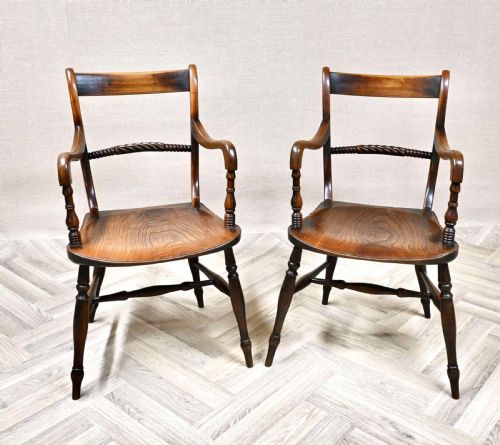
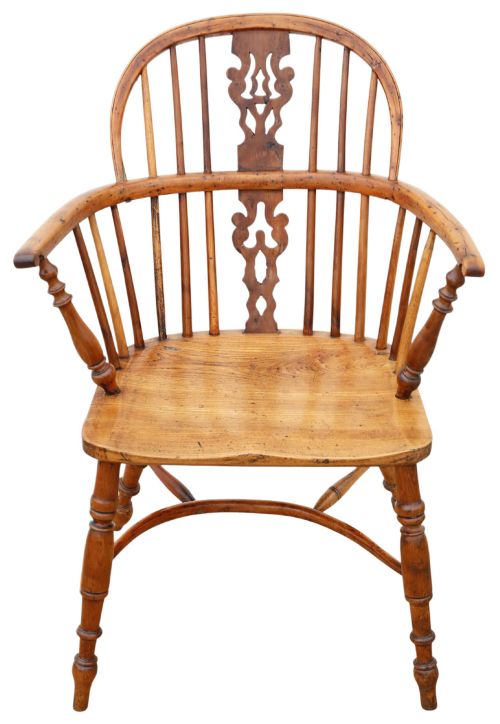
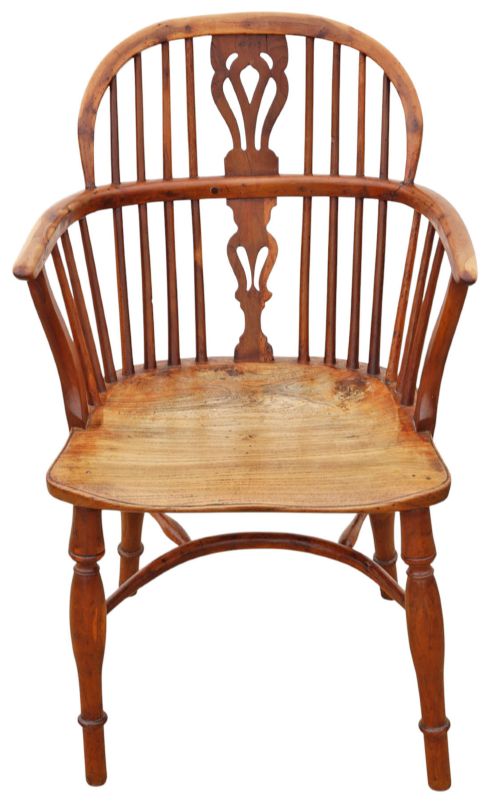
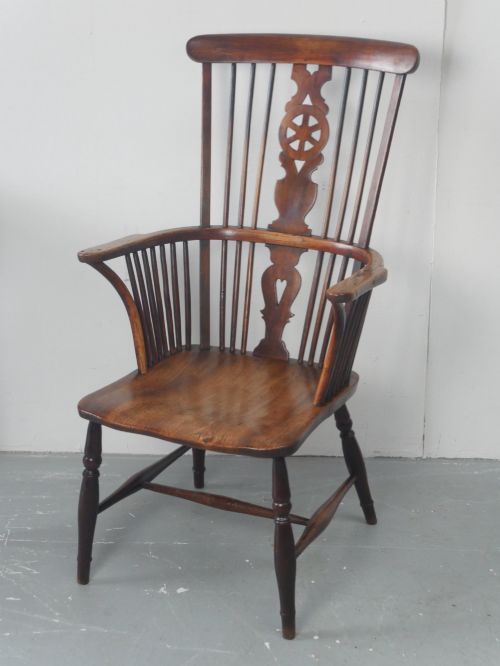
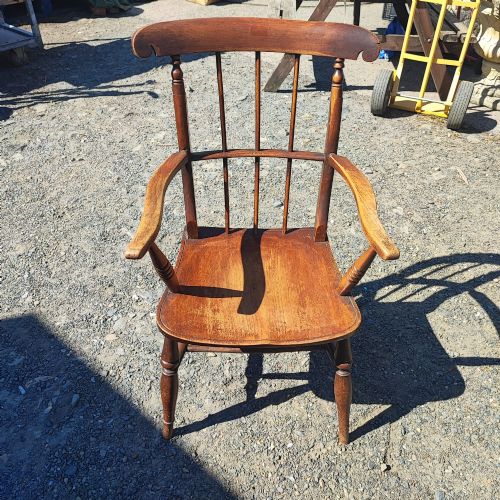
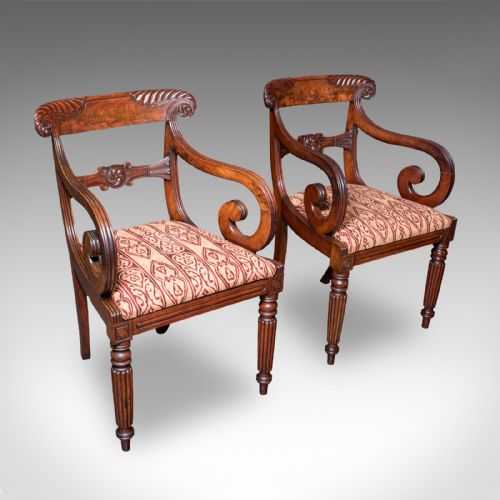
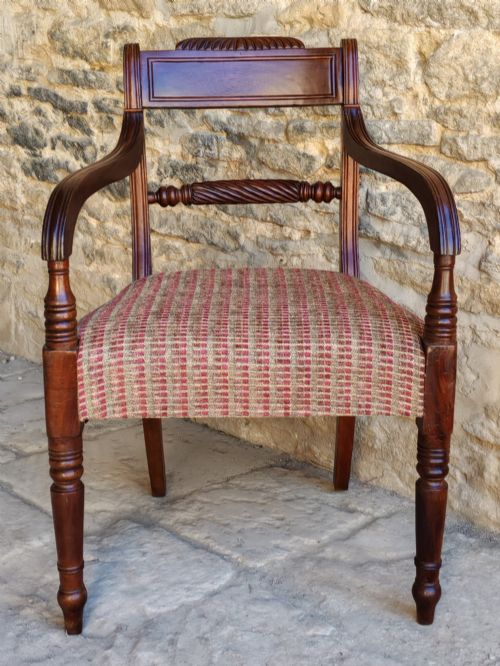
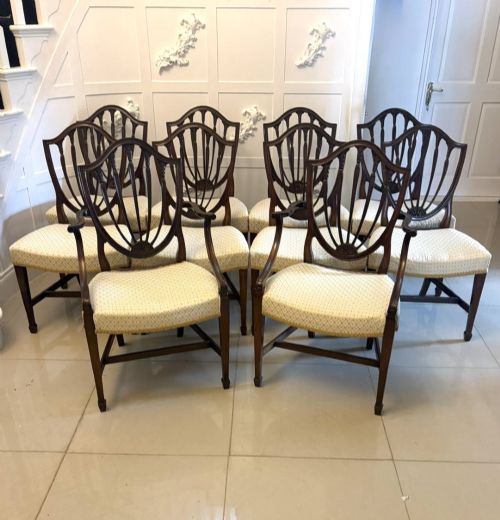
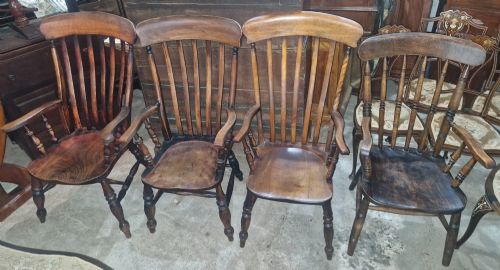
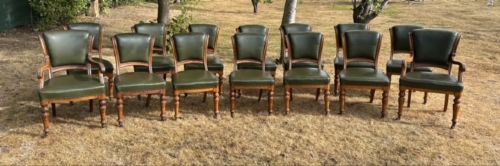
These seating pieces encompass formal mahogany dining carvers from the Georgian and Regency periods alongside robust country vernacular armchairs made from native woods. A buyer exploring antique English carver chairs encounters everything from elegant shield-back and ladder-back dining seats to heavy elm and yew wood Windsors.
Materials and construction methods
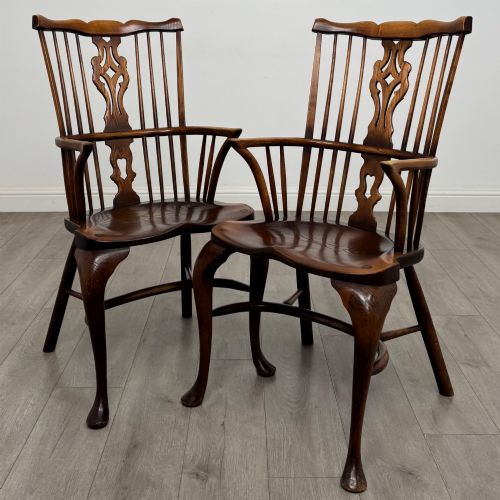
Country makers relied on indigenous timbers, frequently pairing bent ash or yew for the bows and arm rails with solid carved elm for the saddle seats. Beech, oak and laburnum also appear across the vernacular pieces, often joined using traditional wedged tenons and turned spindles.
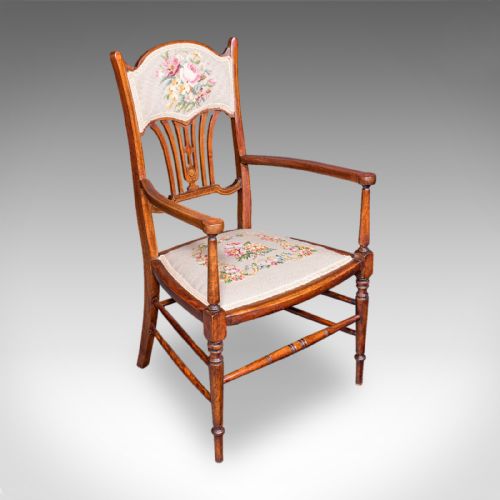
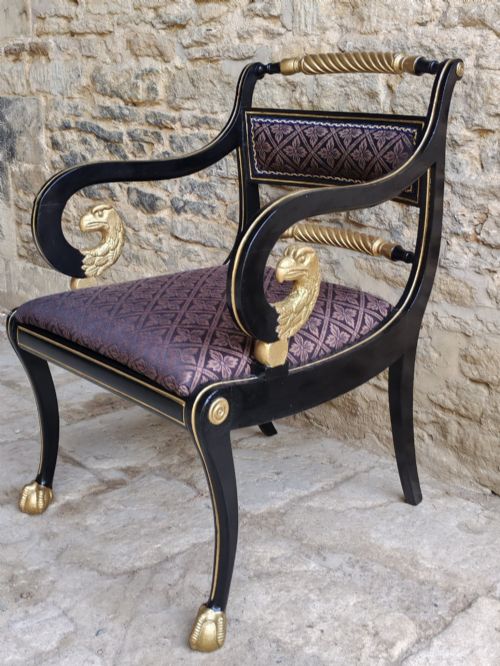
Formal town workshops utilised imported mahogany, walnut and maple, employing precise mortise and tenon joinery, carved splats and drop-in or cane seats. Craftsmen shaped these formal library and dining carvers to reflect prevailing architectural fashions like Hepplewhite, Chippendale and Regency.
Some country armchairs retain the dents of generations of elbows resting on the timber bows.
Distinctions in construction and character
Quality rests in the integrity of the timber selection and the retention of original surface patination. Superior country armchairs show careful matching of grain in the elm seats and well-turned spindles without excessive replacement parts.
Formal carvers demonstrate skill through crispness of carved detail on the back splats, arms and legs. Chairs retaining their early finish and sound structural joints command greater interest than heavily restored examples.
Philip Clissett·Maple & Co
The Antique English Carver Chairs Glossary
- Carver
- An armchair designed to match a set of dining chairs, typically featuring lower arms to slide beneath a table edge. These pieces served at the head of the dining table.
- Windsor
- A vernacular chair constructed with a solid wooden seat into which the legs, back spindles and bow are wedged directly. This form developed deep regional variations across England.
- Spindle back
- A chair back constructed from a series of slender turned wooden rods fitted between a top rail and the seat. This method provided lightweight strength.
- Elbow chair
- An alternative historical term for an armchair, often used to describe morning room or library seating with supportive side rests. These pieces offered comfortable seating away from the dining table.
- Ladder back
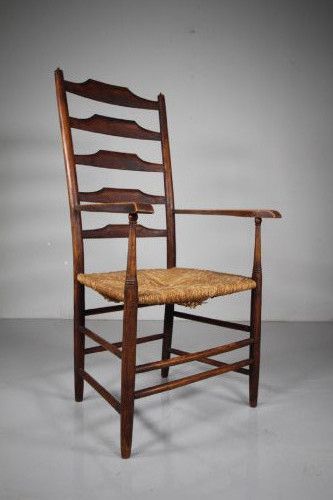
- A chair back formed from horizontal arched wooden slats placed between two upright posts. This traditional vernacular design frequently incorporated rush seating.
Antique English Carver Chairs: Frequently Asked Questions
How do I tell a country Windsor from a formal dining carver?
Country Windsor chairs feature a distinctive thick wooden saddle seat into which the legs and back construction are tenoned directly. They rely on turned spindles, hooped bows and regional vernacular designs.
Formal dining carvers follow classical furniture styles such as Hepplewhite, Chippendale or Regency, utilising frame-and-panel joinery with upholstered, cane or drop-in seats.
How were rush and cane seats used?
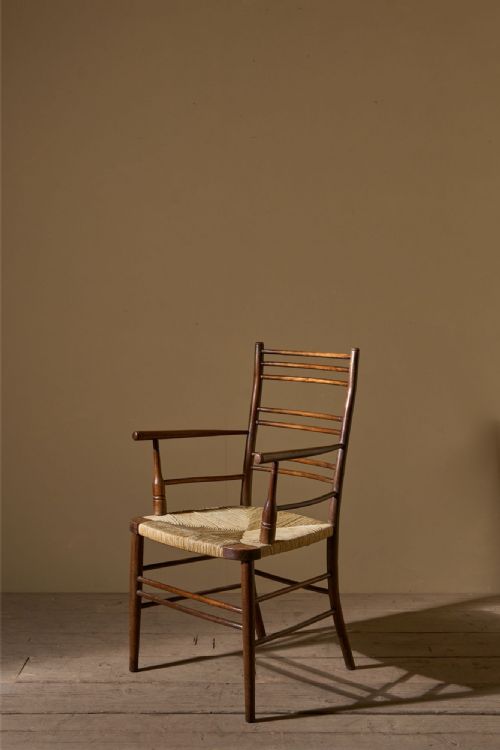
Rush and cane provided lightweight, resilient seating surfaces woven directly onto the wooden framework of dining and library armchairs. Craftsmen utilised these materials extensively during the Arts and Crafts and formal revival periods.
Over time, dried marsh reeds or split rattan created a flexible surface that supported daily domestic use while complementing exposed oak, beech or mahogany frames.
Can I use these chairs at a modern dining table?
Many antique carver chairs fit comfortably beneath standard dining tables, provided the arm height clears the underside of the tabletop. Checking the specific clearance dimensions of individual armchairs ensures practical daily use.
Their sturdy timber construction makes them durable enough for regular seating, whether paired with matching dining chairs or used singly as desk and accent chairs.