


Antique English Artwork
Antique english artwork gathers centuries of hand-rendered portraiture and landscape studies that bring historical character directly into domestic interiors.
Antique English Artwork
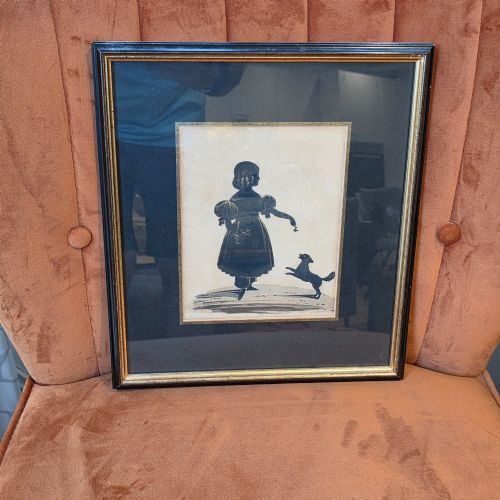
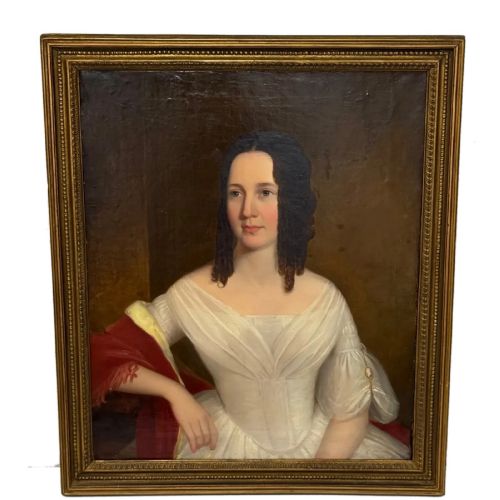
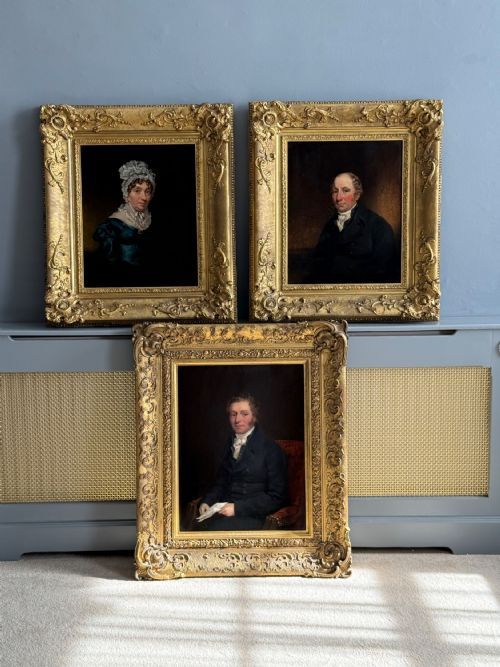
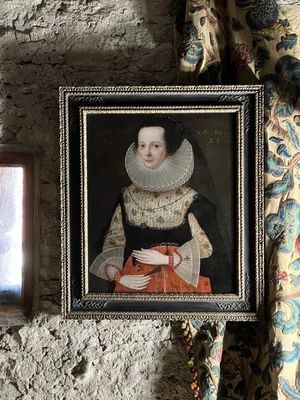
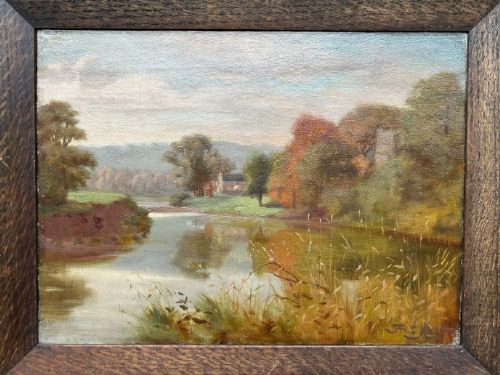
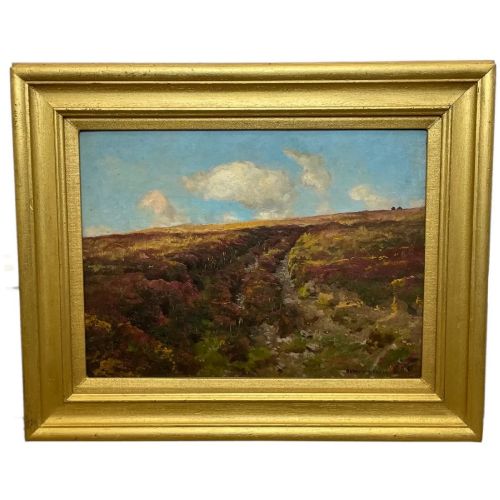
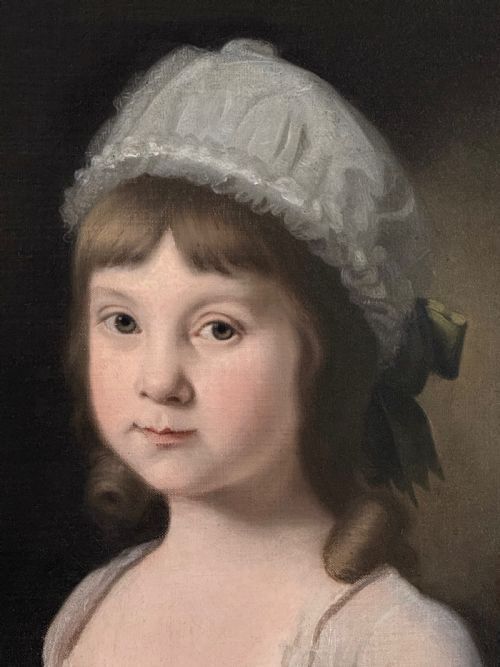
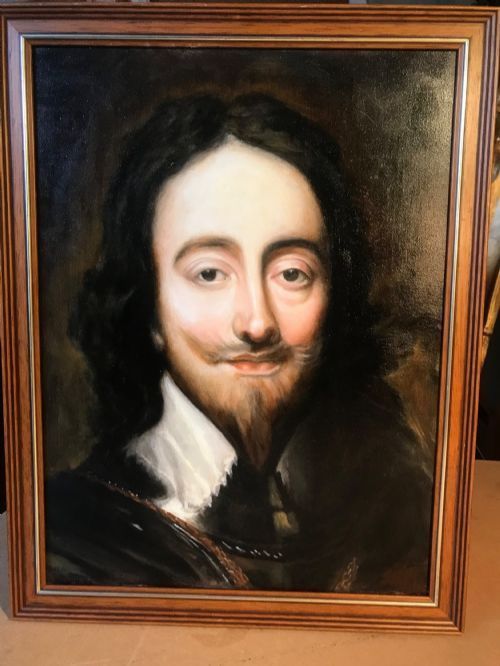
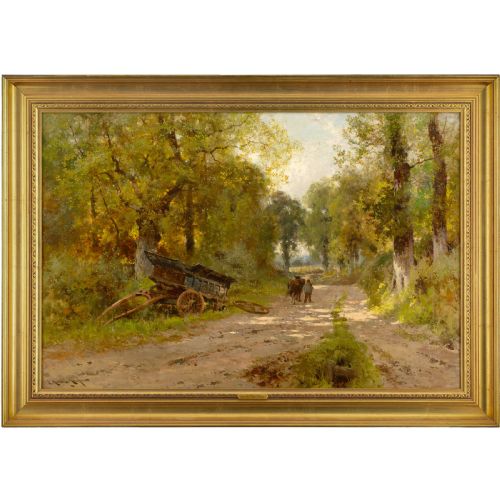
When searching for antique english artwork, buyers encounter a diverse selection of framed visual media spanning multiple centuries. The offerings range from detailed portraiture and coastal scenes to pastoral landscapes executed by named artists and regional schools.
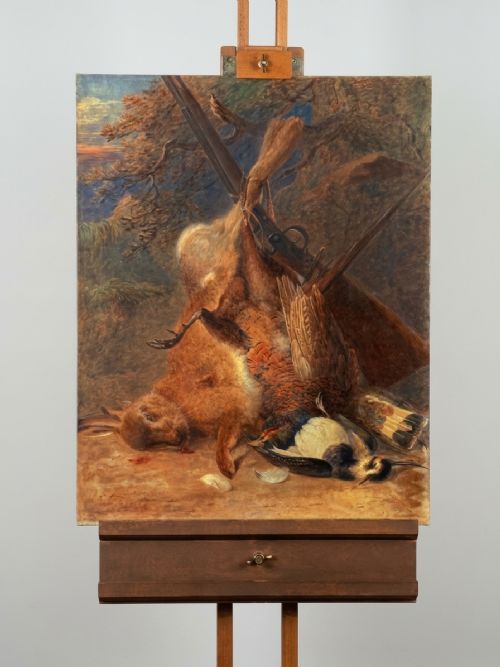
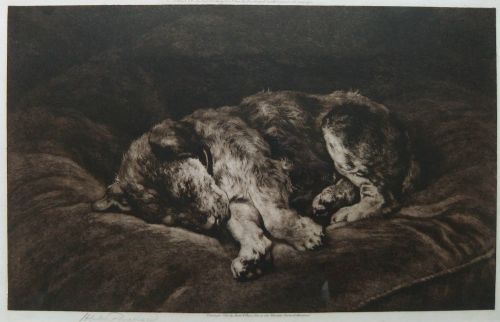
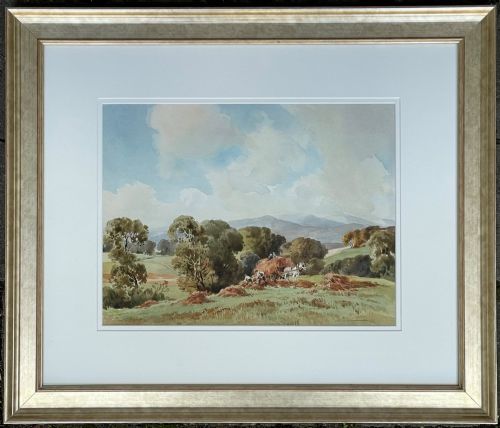
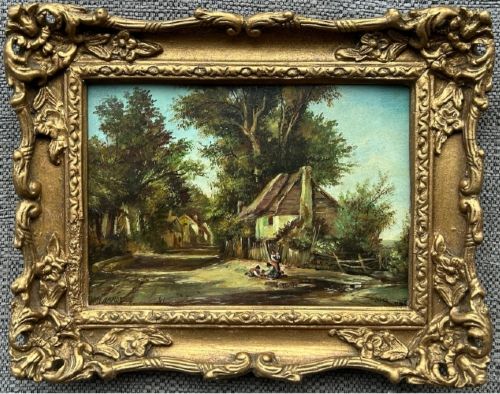
Oil paintings on canvas, panel, and board dominate the selection alongside delicate watercolours, pastels, and etchings. These pieces bridge traditional British artistic movements from the seventeenth century through to the Edwardian era and beyond.
How they were made
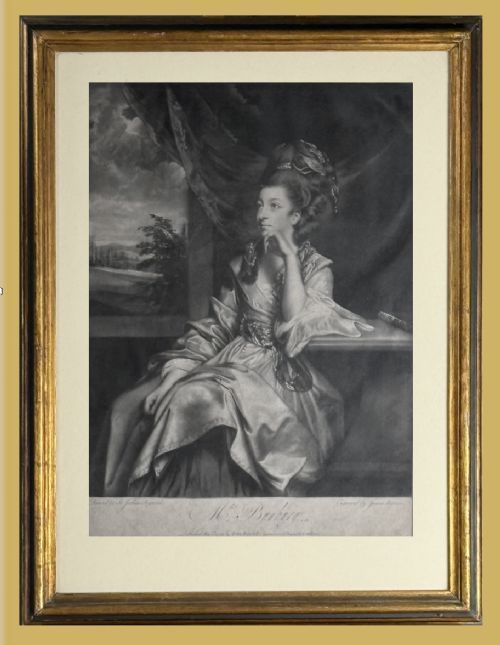
Makers utilised traditional pigments applied via oil on canvas or wood panel, as well as watercolour and bodycolour on paper supports. Etchings and mezzotints demonstrate precision printmaking techniques executed from original plates.
Framing frequently incorporates period elements such as giltwood surrounds that complement the visual weight of the paintings and works on paper.
A prized shorthorn bull shares the gallery walls with noblewomen and naval officers.
What varies in quality
Execution and draughtsmanship separate accomplished compositions from ordinary decorative examples, particularly in the handling of light and human anatomy. The reputation of the artist or the strength of the associated school plays a significant role in distinction.
The survival condition of the paper or canvas, alongside the retention of original framing materials, marks the difference between well-preserved historical survivals and heavily restored pieces.
William James Hubard·Joseph Clover RA·Sir Joshua Reynolds·Sir Godfrey Kneller·Benjamin Barker of Bath
The Antique English Artwork Glossary
- Oil on Canvas
- Pigment mixed with drying oil applied to stretched fabric. This medium allows for deep colour saturation and rich textural layering.
- Watercolour
- Paint consisting of pigment suspended in a water-based solution applied to paper. It yields translucent washes and delicate tonal shifts.
- Etchings
- Prints produced by biting lines into a metal plate with acid before applying ink. This technique creates fine, linear detail.
- Mezzotint
- A printmaking method of the tonal engraving category where the artist works from dark to light. It produces smooth gradations of shade.
- Giltwood
- Carved wood coated with leaf gold or a gold-coloured metallic finish. It provides ornate framing suitable for formal portraits and landscapes.
Antique English Artwork: Frequently Asked Questions
How do I date an old painting?
Dating relies on examining the stretcher frames, canvas type, pigment composition, and costume details depicted in the artwork.
Comparing stylistic signatures with known periods helps narrow the timeframe of creation.
What is the difference between oils and watercolours?
Oils utilise slow-drying pigment suspended in oil on canvas or panel, offering rich textures and deep opacity.
Watercolours employ water-soluble pigments on paper, producing lighter, translucent effects.
How should I hang antique artwork?
Hang paintings away from direct sunlight and fluctuating heat sources to protect the canvas and paper supports.
Ensure adequate wall fixings support the weight of heavy giltwood frames safely.
Can I clean an antique oil painting?
Surface dust can be removed gently with a soft, dry brush by someone experienced with delicate surfaces.
Chemical cleaning or varnish removal requires professional conservation to prevent damaging the original pigment.