


Antique Enamel Compact
An antique enamel compact is a pocket-sized piece of vanity history that brings colour and tactile weight to daily life.
Antique Enamel Compact
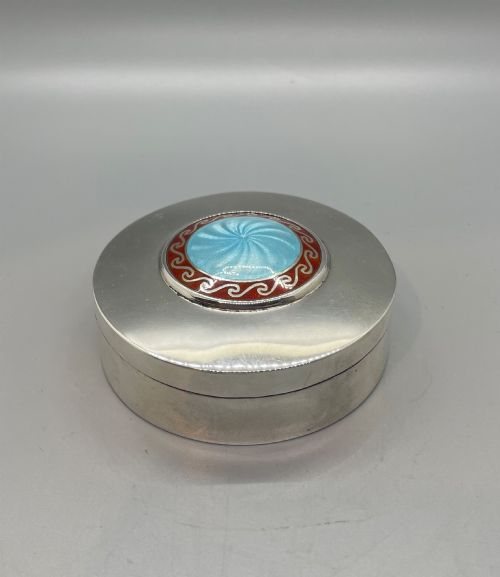
When you search for an antique enamel compact, you encounter small personal containers designed for powder, rouge, and cosmetics, alongside related items like cigarette cases and trinket boxes. These pieces emerge from the Edwardian period through the Art Deco era and into the mid-century, reflecting changing social habits and fashion. The version you are most likely to meet on this page is the silver pocket compact featuring patterned guilloche enamel work.
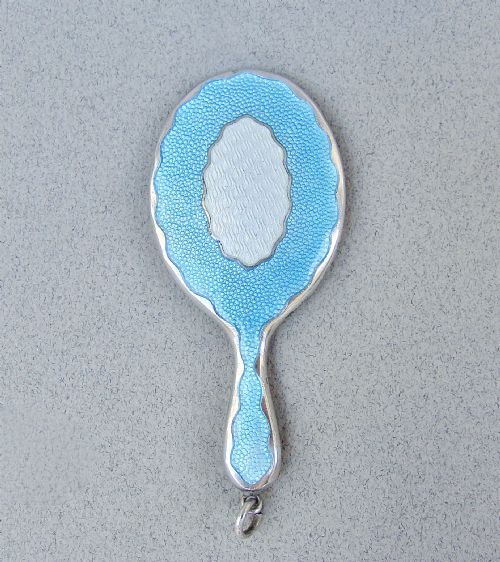
The objects range from early twentieth-century sterling silver boxes bearing hallmarks to later chrome and gilt metal pieces from the nineteen-thirties and nineteen-fifties. Alongside standard powder containers, the selection includes combination compacts, mesh purses, pill boxes, and hand mirrors. Their origins span English silversmiths, French makers, Austrian workshops, and Italian creators.
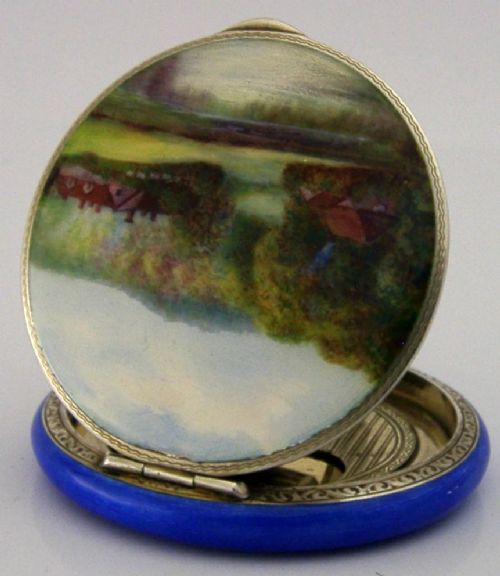
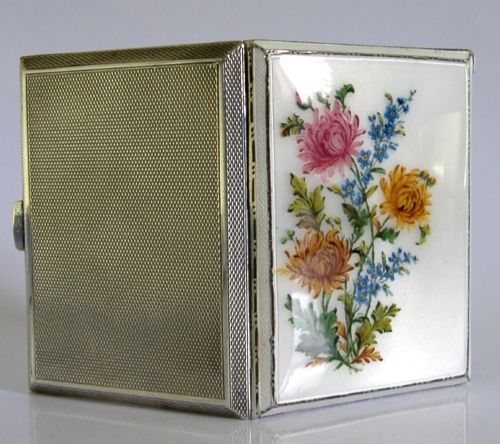
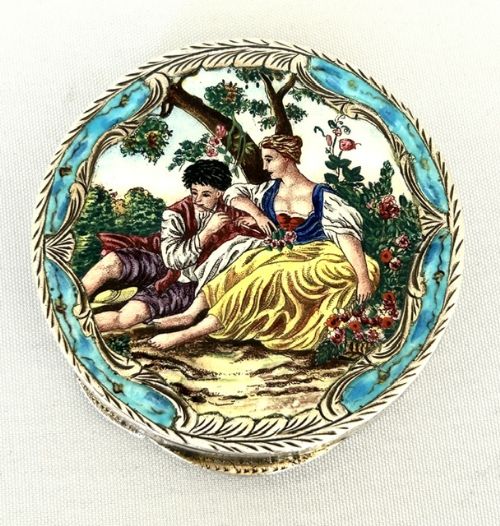
Form follows function across these small containers, with hinged lids opening to reveal mirrored interiors and compartments. Some items present geometric Art Deco designs suited to nineteen-thirty dress, while others display floral hand-painting typical of Edwardian taste. The diversity of styles ensures that each survivor carries the distinct aesthetic of its decade.
Materials and Techniques
Makers built the structural bodies of these items using sterling silver, silver-gilt, brass, and chrome, often pairing metalwork with suede linings and mother of pearl details. Sterling silver formed the foundation for British hallmarked pieces, while continental makers utilised various silver standards alongside base metals. Chrome and gilt metal emerged strongly in later decades for streamlined designs.
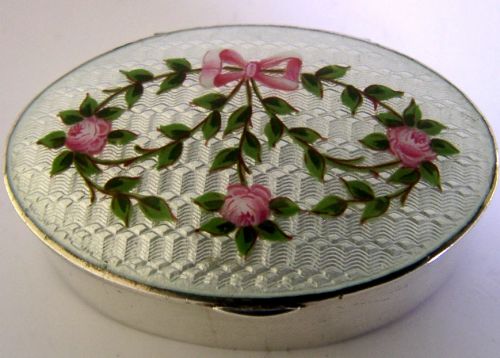
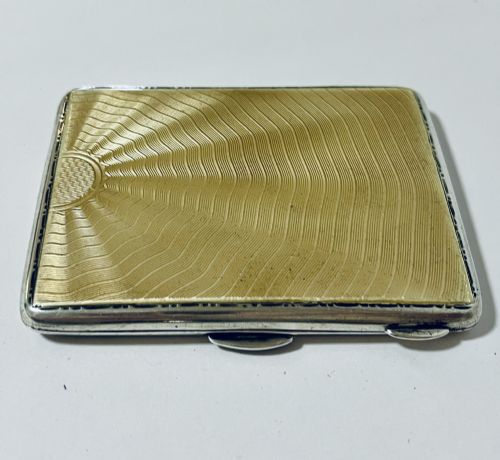
Vitreous enamel provides the colourful surface layer, fused to the metal through intense heat. Many pieces feature guilloche enamel, where an engine-turned geometric pattern is engraved into the metal beneath translucent coloured enamel to create a shimmering depth. Hand-painted floral or scenic motifs frequently decorate the upper surfaces above this worked base.
Factors of Quality
The excellence of a piece rests heavily on the crispness of the underlying guilloche engraving and the clarity of the vitreous enamel. Superior examples maintain smooth, uninterrupted surfaces where the metal pattern catches the light evenly beneath the translucent glaze. Hand-painted details show fine brushwork and deliberate composition rather than hasty application.
Construction standards distinguish better items through the precise fit of hinges, the secure snap of catches, and the quality of internal mirrors. Maker marks and clear silver hallmarks add assurance of origin and material integrity. The weight of the metal and the complexity of combination designs further separate standard production items from finer workshop pieces.
Henry Williamson·Henry Matthews·Henry Perkins And Sons·Richard Hudnut·Giuliano Spinelli·Houbigant
The Antique Enamel Compact Glossary
- Guilloche
- A decorative engraving technique where a mechanical lathe cuts a precise, intricate geometric pattern into metal. This worked surface sits beneath translucent enamel to create shifting patterns of light.
- Vitreous enamel
- A material made by fusing powdered glass to a metallic substrate through firing at high temperatures. It provides a durable, glossy coloured coating.
- Hallmark
- An official stamp applied to precious metals indicating the purity of the metal, the maker, and the year of assay. British pieces typically carry these marks on the rim or interior.
- Combination compact
- A multi-functional vanity case designed to hold powder alongside other items such as cigarettes, lipstick, or a watch. These pieces represent more complex manufacturing.
- Sterling silver
- An alloy of silver containing ninety-two point five percent silver by mass and seven point five percent other metals, usually copper. It serves as the primary metal for higher quality cases.
Antique Enamel Compact: Frequently Asked Questions
What is guilloche enamel?
Guilloche enamel is a decorative technique combining precision metal engraving with a translucent glass coating. The mechanical pattern beneath shines through the coloured glaze.
This method was widely utilised across compacts and cigarette cases during the early twentieth century. It creates a distinctive shimmering effect that changes as the angle of light shifts.
How do I date an enamel compact?
Dating relies primarily on metal hallmarks, maker marks, and stylistic indicators such as geometric Art Deco lines or Edwardian floral motifs. British silver pieces often feature date letters.
Materials also offer clues, as chrome and base metal cases became more common in the nineteen-thirties and nineteen-forties. Comparing the clasp style and interior fittings helps narrow down the decade of production.
Were all compacts made of silver?
No, while sterling silver was common for Edwardian and twenties pieces, many items utilised brass, gilt metal, and chrome. Continental makers also worked in various silver standards.
Later Art Deco and mid-century designs frequently turned to base metals and chrome to achieve sleek, modern finishes. Hallmarks help identify solid silver pieces from plated or base metal alternatives.
How were these compacts used?
These vanity items were carried by women in handbags for powder touch-ups, lipstick application, and holding small essentials during social outings. Some housed mirrors and powder sifts.
Others served dual purposes as cigarette cases, pill boxes, or miniature purses. They functioned as both practical accessories and fashionable status symbols.