




Vintage Enamel Trinket Box
A vintage enamel trinket box brings vibrant colour and meticulous miniature craft to a dressing table or pocket, uniting polished metal with vitreous gloss.
Vintage Enamel Trinket Box
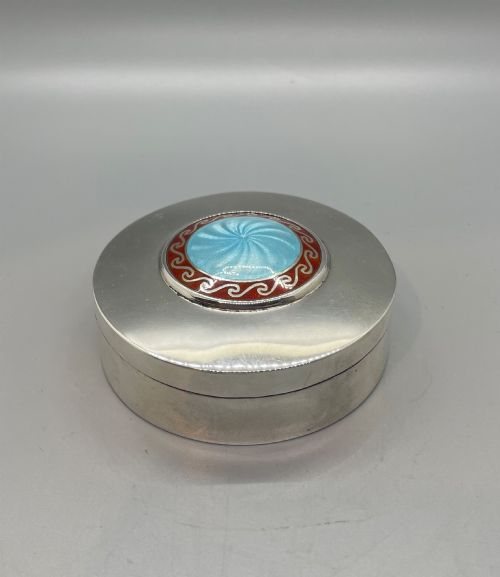
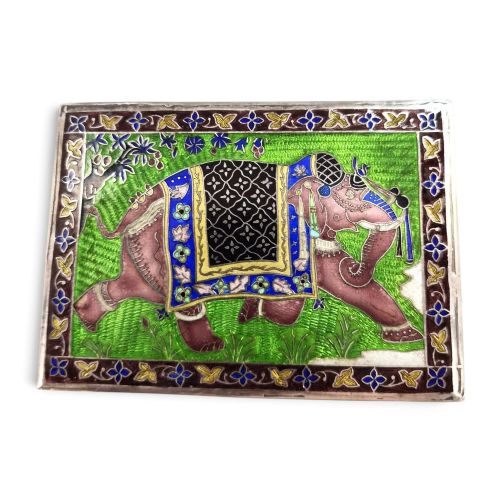
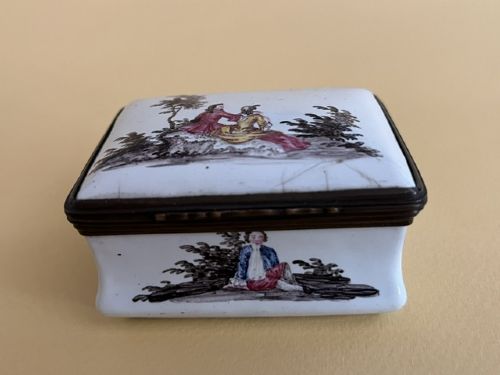
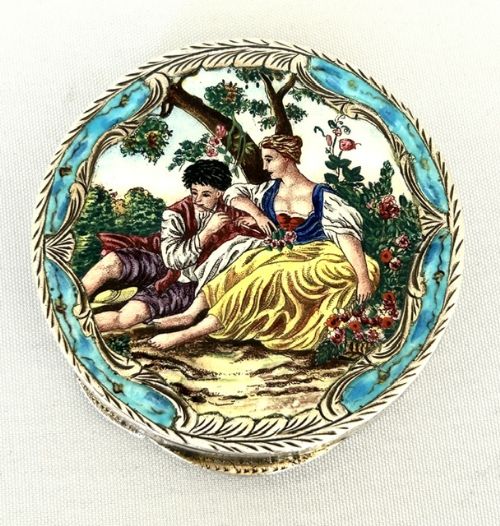
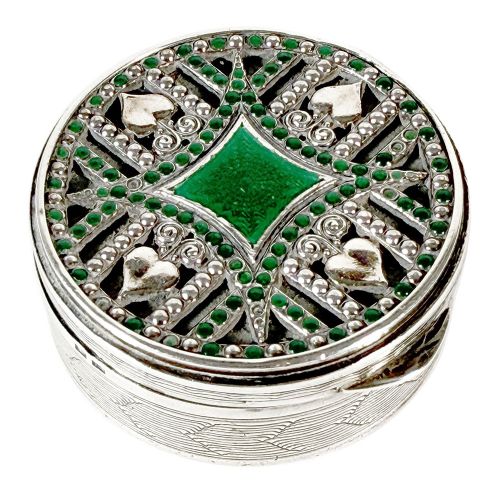
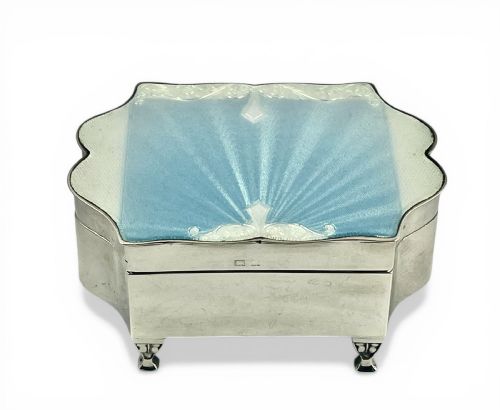
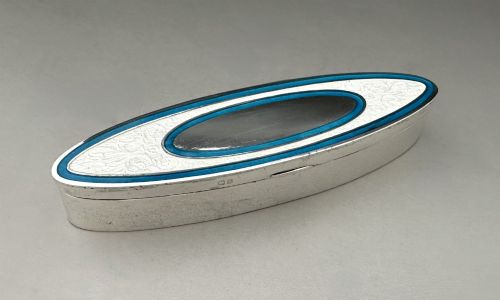
A vintage enamel trinket box serves as a small, decorative container designed for dressing tables or waistcoats, encompassing diverse forms such as pill boxes, snuff boxes, powder compacts, and larger vanity jars. When searching this phrase, a buyer encounters pieces originating from the eighteenth century through to the mid-twentieth century, with strong representation from the Edwardian era and the Art Deco period.
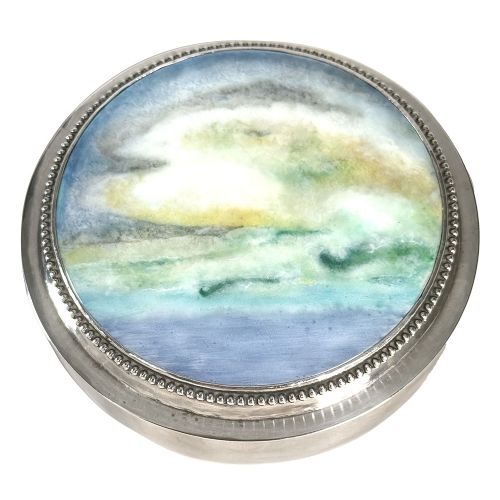
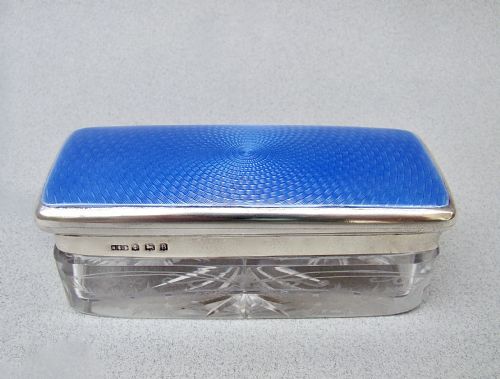
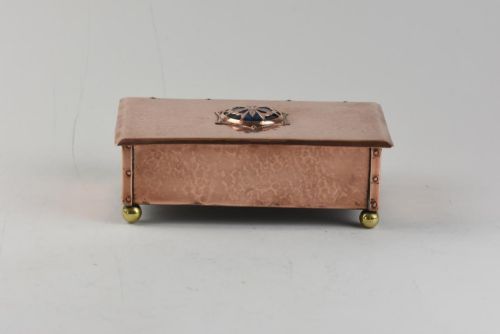
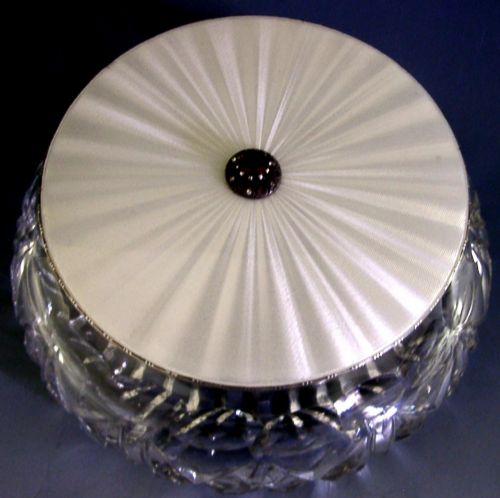
The objects take many shapes, including rectangular patch boxes, oval snuff boxes, and lidded glass jars mounted with enamelled silver tops. Materials span sterling silver, copper, brass, pewter, and glass, combined with various forms of enamel ranging from hand-painted Georgian scenes to precise engine-turned guilloche patterns.
How They Were Made
Craftsmen fused powdered glass to metal bases through high-temperature firing, creating durable vitreous enamel surfaces that retain their brilliant colour over centuries. Metalwork techniques combined casting, stamping, and smithing in silver, copper, brass, and bronze, often paired with cut glass or wood bodies.
Specialised decoration involved engine-turning metal substrates beneath translucent guilloche enamels, or applying cloisonné wire boundaries to contain distinct cells of coloured glass paste before final polishing.
Vintage Enamel Trinket Box Retail Price Guide 2026
Typical asking prices for vintage enamel trinket box among the pieces listed under this phrase on Sellingantiques today, from the lower quarter to the upper quarter. They describe what is for sale here now, not the wider market.
One unexpected box depicts a charming scene of a boy and girl wearing traditional wooden clogs.
What Varies in Quality
The distinction between ordinary and exceptional pieces rests upon the crispness of the metalwork, the complexity of the enamel technique, and the preservation of the vitreous surface. Finely executed guilloche engraving creates intricate geometric shadows beneath translucent enamel, whereas simpler pieces rely on plain opaque colour fields.
Makers' marks and assay office stamps provide evidence of origin and standard, while hand-painted pictorial scenes demand high miniature painting skill that elevates the status of an eighteenth-century patch box or a scenic compact.
Henry Clifford Davis·Fleetwood Varley·George Adam Scheid·S Theeman
The Vintage Enamel Trinket Box Glossary
- Guilloche enamel
- A decorative technique where metal is engine-turned with a precise repeating pattern before a translucent enamel layer is applied over the top. This method allows the underlying mechanical engraving to show through the glossy coloured glass.
- Cloisonné
- A method of decoration where flat metal wires are soldered to a metal base to form compartments, which are then filled with enamel paste and fired. The resulting grid of fine metal lines separates the distinct areas of colour.
- Patch box
- A small container originally used in the eighteenth century to hold small fabric beauty patches worn on the face. These portable boxes typically featured hinged lids and internal mirrors.
- Vitreous enamel
- A material made by fusing powdered glass to a substrate by firing, usually at high temperatures. The glass melts, flows, and hardens to a smooth, durable coating.
- Cabochon
- A gemstone or enamel piece shaped and polished with a rounded, convex top rather than faceted edges. It is frequently mounted centrally on Arts and Crafts metalwork.
Vintage Enamel Trinket Box: Frequently Asked Questions
What is a vintage enamel trinket box used for?
These small vessels were historically used for storing personal items such as medicinal pills, tobacco snuff, decorative beauty patches, or small rings and keepsakes.
Today, collectors utilise them on dressing tables or desks to hold modern rings, earrings, and small everyday valuables.
How do I identify an eighteenth century enamel box?
Early pieces from periods like the Georgian era often feature hand-painted pictorial scenes, copper bodies, and characteristic white or pastel enamel interiors.
They frequently take the form of patch boxes or snuff boxes with simple hinge constructions and hand-finished mounts.
What is the difference between guilloche and cloisonne?
Guilloche involves mechanically engraving a geometric pattern directly into a metal disc before flooding it with transparent coloured enamel.
Cloisonne relies instead on soldered wire walls that create raised cells by hand, which are then filled individually with coloured glass pastes.
How should I clean a vintage enamel box?
Vitreous enamel surfaces benefit from gentle wiping with a soft, dry cloth to remove dust and restore the glossy finish.
Harsh chemical dips and abrasive metal polishes must be avoided, particularly near delicate hinge joins and painted pictorial panels.
How can I tell the age of a silver enamel box?
Hallmarks stamped into the metal components provide direct evidence of the assay office, standard of silver, and year of manufacture.
Stylistic indicators, such as the symmetrical geometry of Art Deco or the flowing organic curves of Art Nouveau, also help narrow the period.