
Antique Enamel Clock
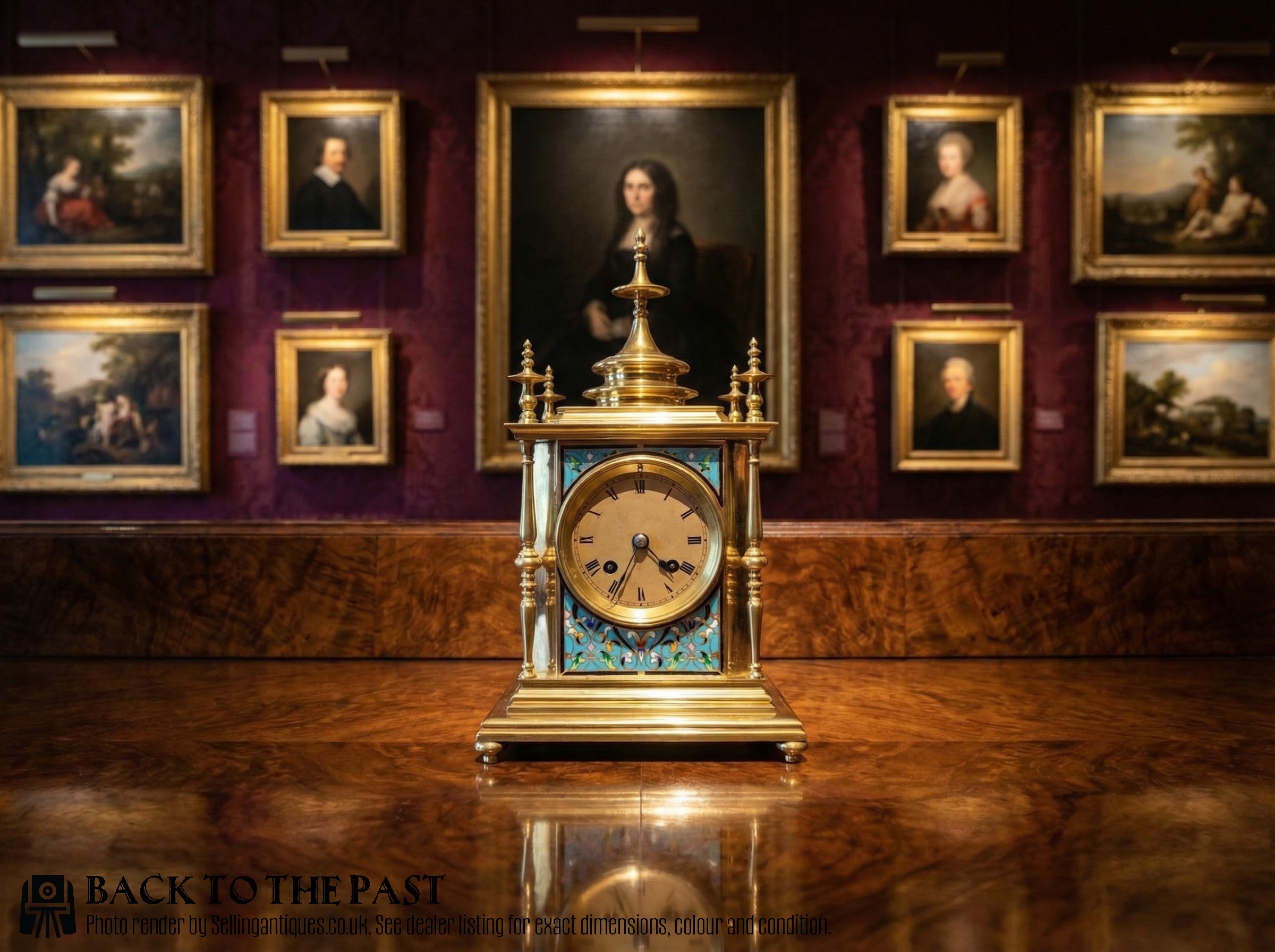
An antique enamel clock brings precision timekeeping together with vibrant vitreous colour, most often seen in French carriage clocks and mantel pieces.
Antique Enamel Clock
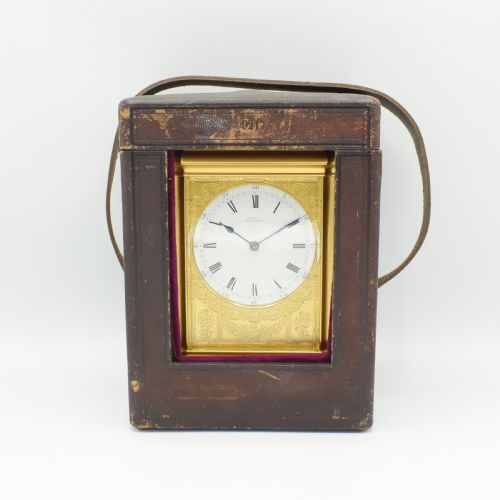
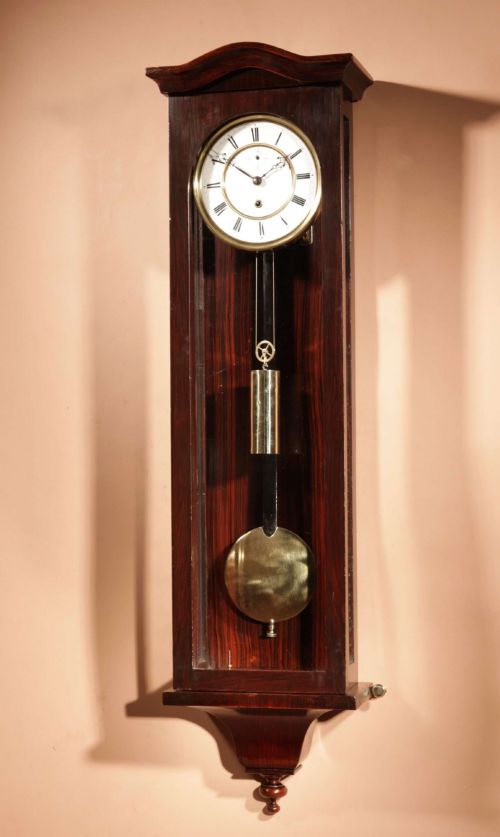
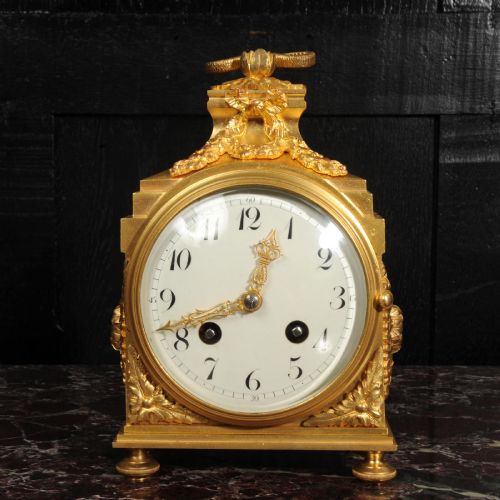
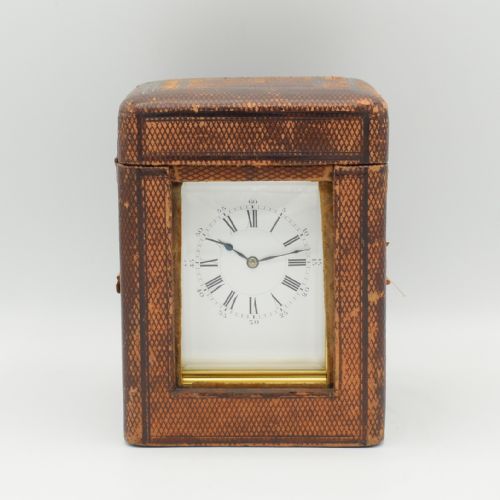
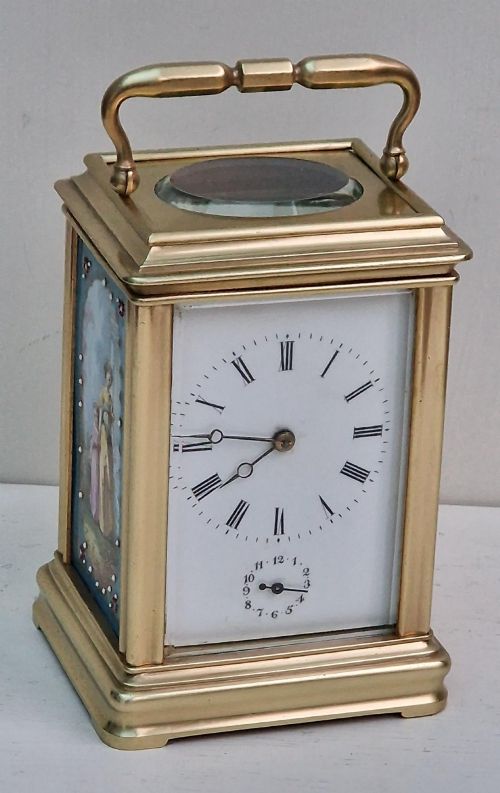
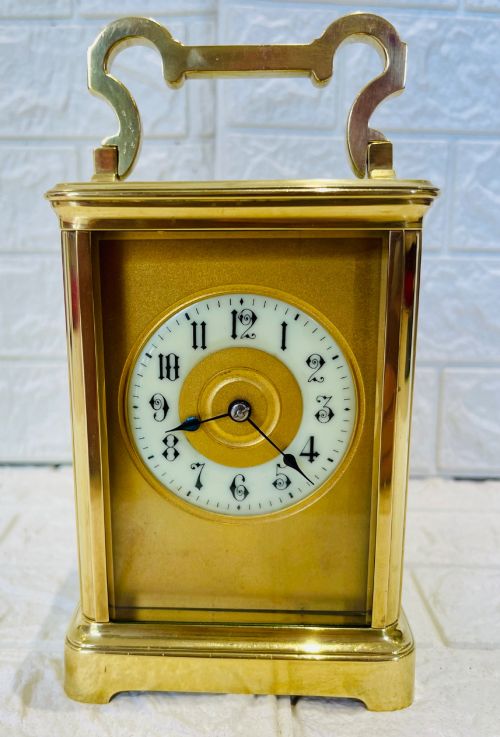
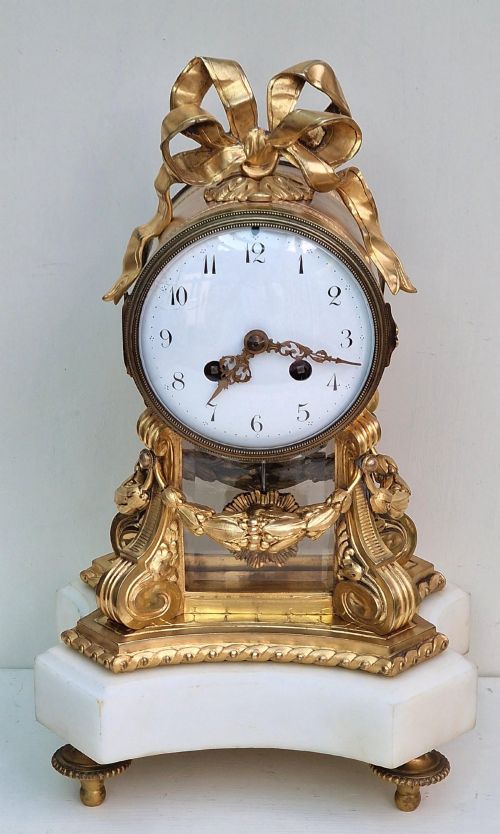
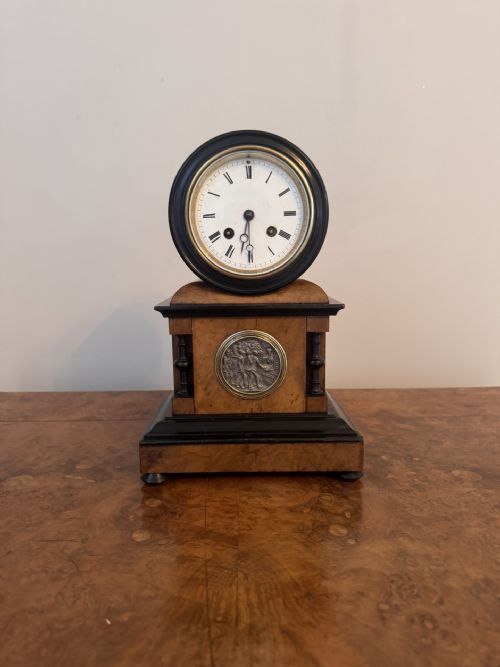
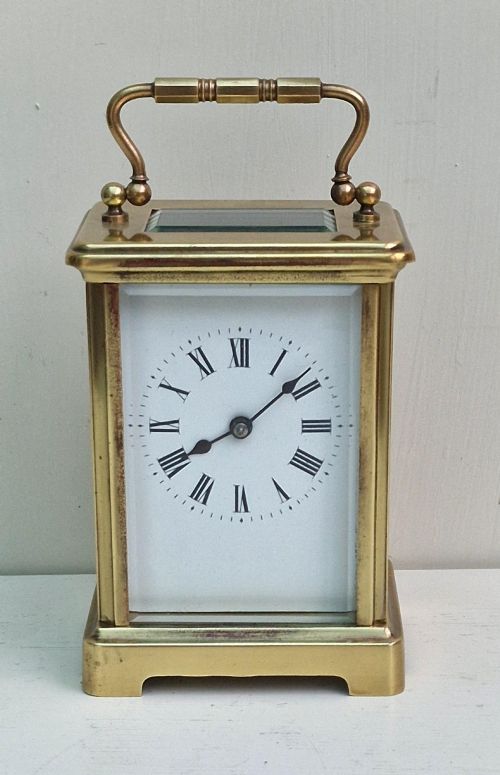
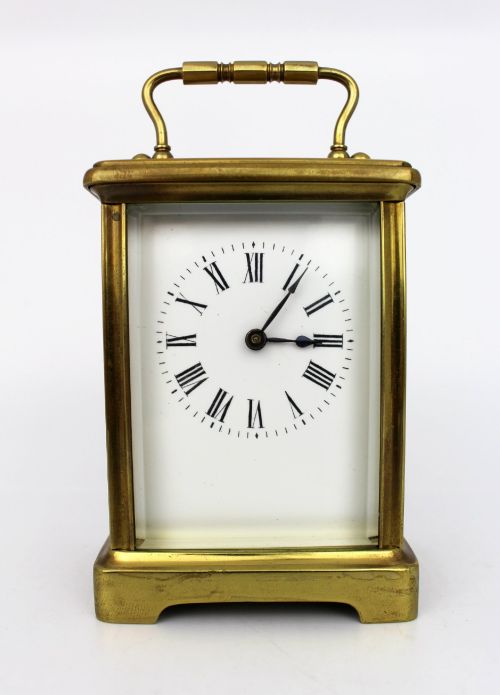
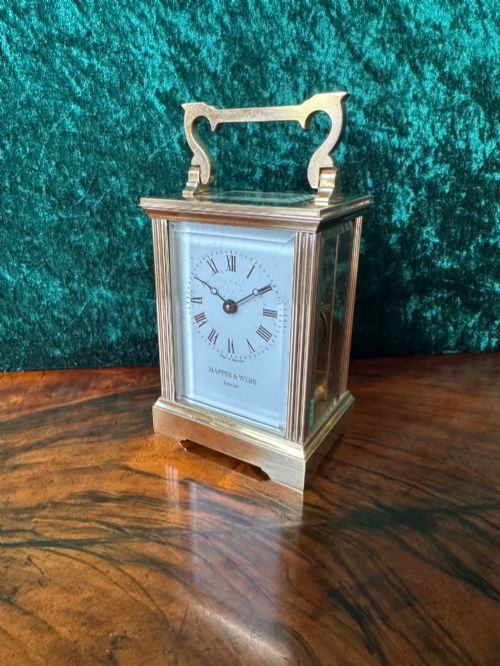
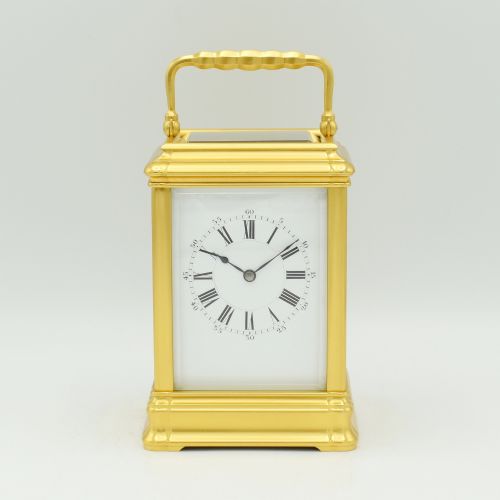
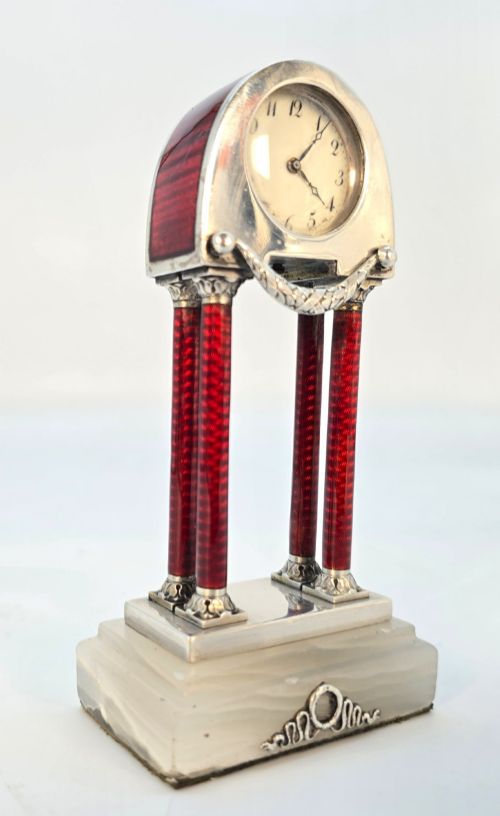
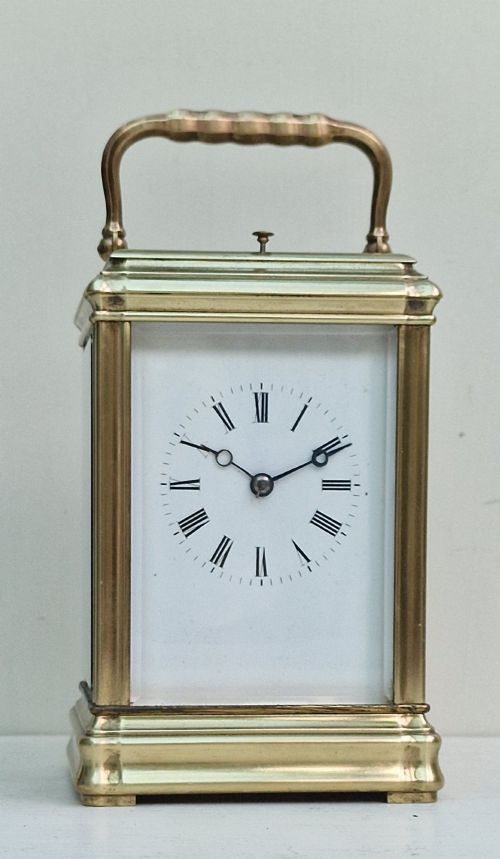
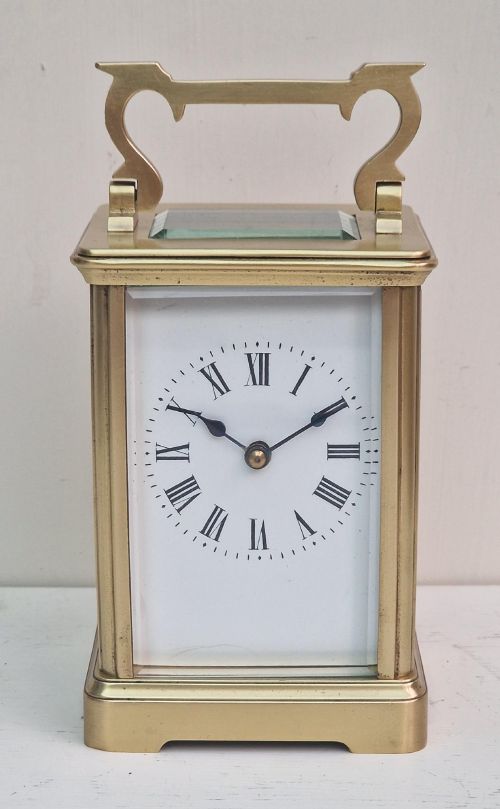
When you search for an antique enamel clock, you encounter timepieces that combine metalwork with fused glass surfaces. The form appears predominantly in nineteenth-century French carriage clocks, mantel clocks, and desk pieces.
The materials span brass, gilt bronze, and silver, paired with champleve or cloisonne enamel dials and panels. These objects range from simple travel clocks in leather cases to ornate clock garniture sets.
Victorian and Edwardian periods supply the bulk of these items, often featuring French movements housed in glass-sided gorge cases. Miniature portico desks and pocket watches also surface across the inventory.
Materials and construction
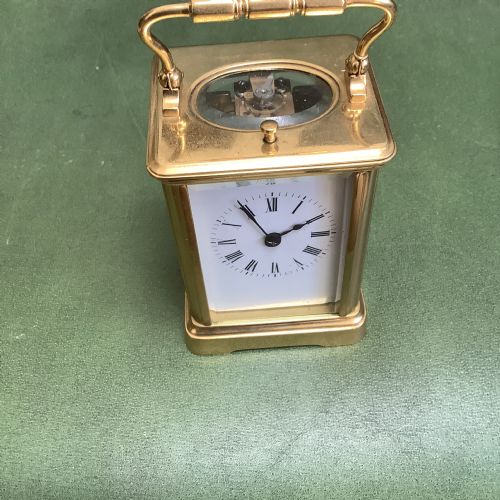
Makers formed the structural frames from brass, ormolu, and gilt bronze, frequently mounting bevelled glass panels to expose the gear train. Vitreous enamel was applied to dials and bezels through intense kiln firing, creating smooth coloured surfaces for numerals.
Techniques like champleve involved hollowing metal cells to receive coloured glass paste, whereas cloisonne utilised soldered wire partitions to contain the enamel powders. Gilt brass and silver casings were then polished, engraved, or combined with marble and porcelain.
Antique Enamel Clock Retail Price Guide 2026
Typical asking prices for enamel clock among the pieces listed under this phrase on Sellingantiques today, from the lower quarter to the upper quarter. They describe what is for sale here now, not the wider market.
Object forms span large mantel clocks, architectural portico desks, pocket watches, and multi-piece garniture sets.
Distinctions in quality
Quality rests upon the crispness of the gilt brass casting and the depth of the hand-applied enamel work. Finer examples display intricate engraving across the case and multi-coloured enamel without firing flaws.
Movement execution also dictates standing, with documented makers using superior eight-day striking mechanisms rather than standard timepieces. Complete travel cases and matching keys further separate standard pieces from notable works.
Henri Jacot·Georg Adam Scheid·Pickford of London·Drocourt Paris·T. Martin and Co·C. Detouche Paris·Morse London
The Antique Enamel Clock Glossary
- Champleve
- An enamelling technique where troughs or cells are carved into a metal surface and filled with vitreous paste before firing. This method produces robust coloured patterns set flush with the surrounding metal.
- Cloisonne
- A decorative method using thin metal wires soldered to a metal base to create compartments for enamel colours. These tiny walled partitions hold the glass pastes during the kiln process.
- Garniture set
- A matching decorative ensemble comprising a central clock flanked by matching ornamental pieces such as urns or candelabra. These sets were designed to sit upon a mantelpiece as a unified display.
- Pendule d'Officier
- A traditional French military or officer timekeeper with a distinctive arched top and carrying handle. These compact clocks were built for travel during the nineteenth century.
Antique Enamel Clock: Frequently Asked Questions
How do I wind an antique carriage clock?
Most carriage clocks use a double-ended key to wind both the time train and the strike train through apertures in the backplate. Turn the key gently until you feel resistance, avoiding over-winding to protect the mainspring.
Ensure you keep the clock upright during the process and handle the key with steady control. If the movement resists firmly, stop immediately to prevent internal damage.
What is a gorge case?
A gorge case refers to the heavy brass frame construction featuring distinct stepped mouldings around the top and base. This housing style provides structural strength and a polished architectural outline.
These cases frequently incorporate glass panels that allow natural light to illuminate the escapement within. They represent a hallmark of quality nineteenth-century French carriage clock production.
How do champleve and cloisonne differ?
Champleve involves carving recesses directly into a solid metal plate to hold the coloured enamel paste. The surrounding metal forms the visible outlines of the design.
Cloisonne builds the pattern using thin wire soldered onto a base metal to form individual cells. Both techniques create vibrant vitreous surfaces, but their manufacturing methods alter the texture of the finished case.
Can these clocks run daily?
Many of these pieces retain working eight-day movements capable of running continuously when properly wound and set on a level surface. Regular servicing by a horologist ensures the brass gears and escapements remain lubricated.
Placing the clock away from damp environments and direct heat preserves the enamel panels and metal gilding over time. Gentle handling ensures the delicate balance wheel operates without interruption.
How do I date a Victorian enamel clock?
Dating relies on stylistic clues, movement serial numbers, and maker marks stamped on the brass backplate. Victorian pieces often combine Gothic or Rococo revival brass cases with hand-painted enamel dials.
Examining the shape of the escapement and the inclusion of original travel cases helps narrow the production window. Archival records for makers like Henri Jacot provide precise chronological reference points.