
Antique Embroidery Art
Antique embroidery art encompasses centuries of needlework, sampler panels and textile hangings worked in silk, wool and metallic thread.
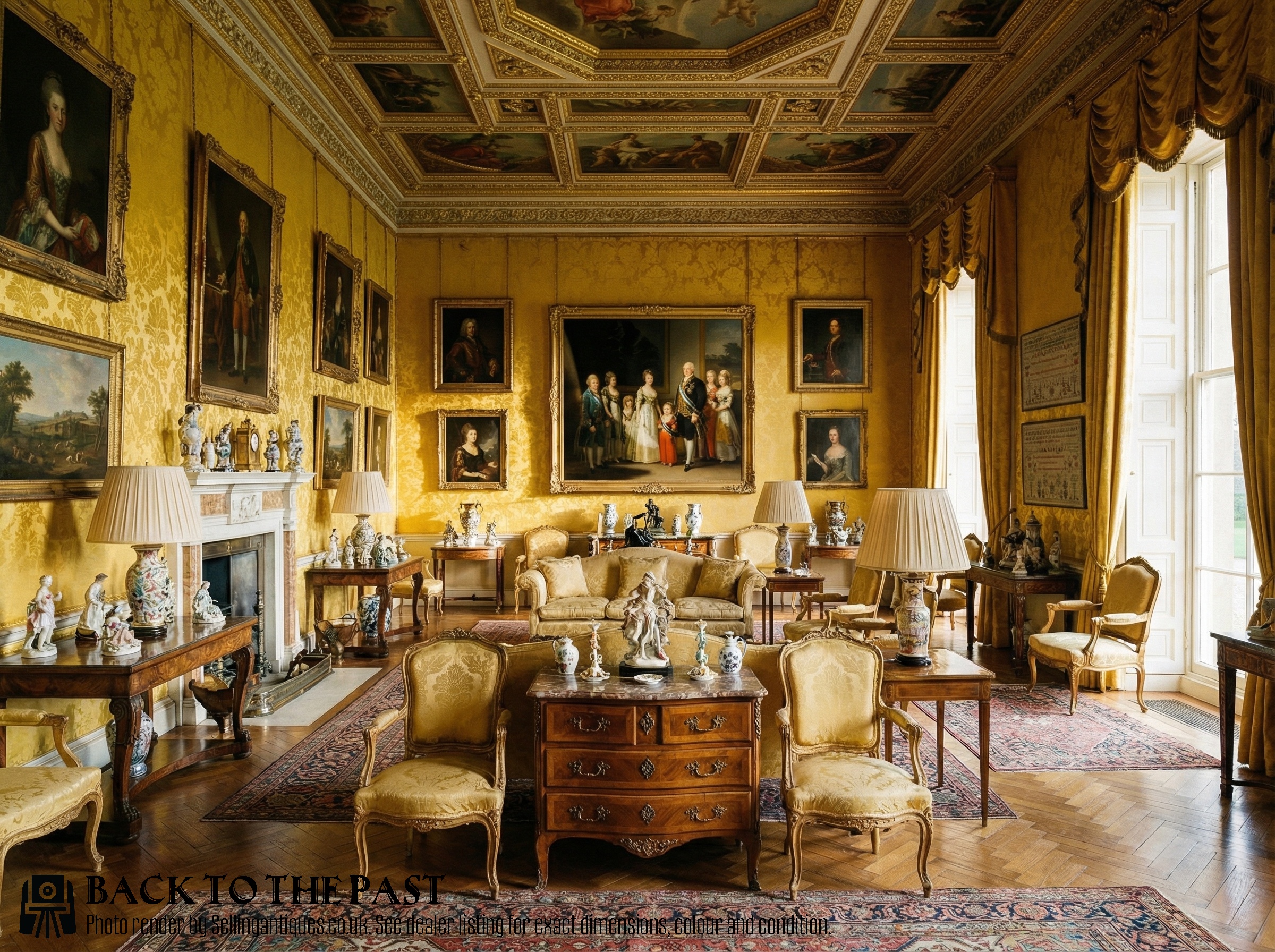
Antique Embroidery Art
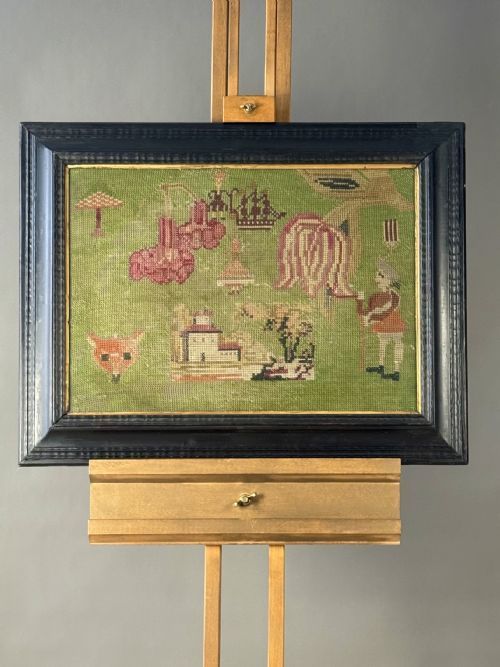
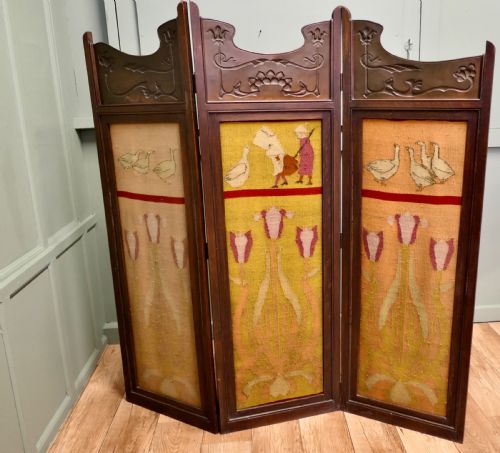
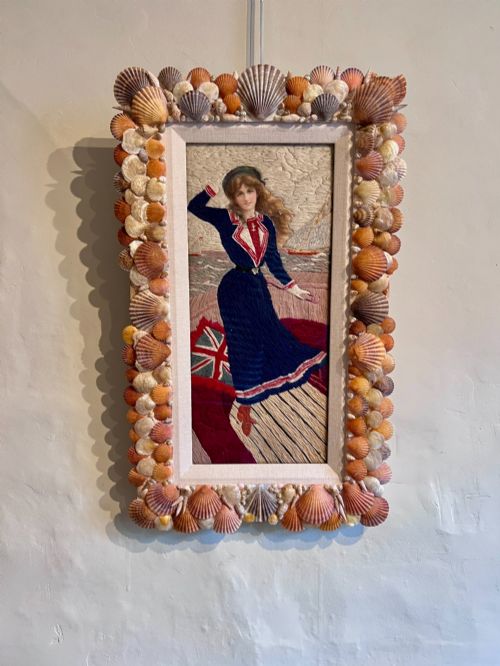
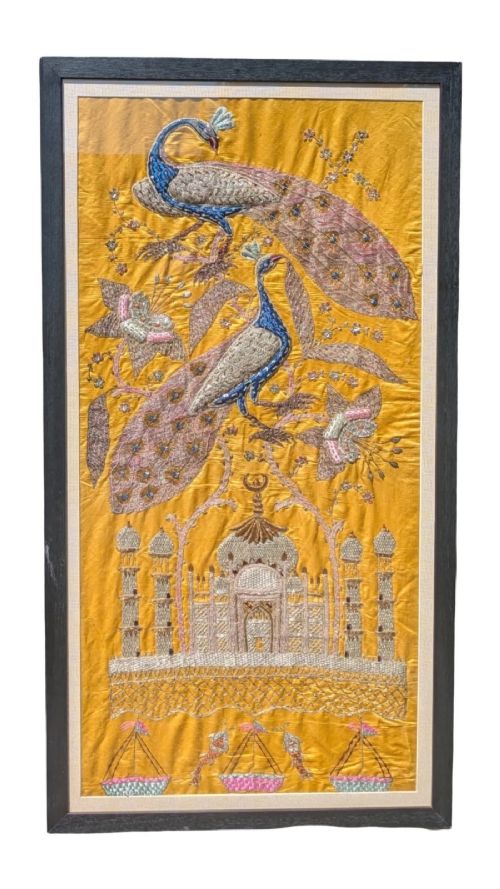
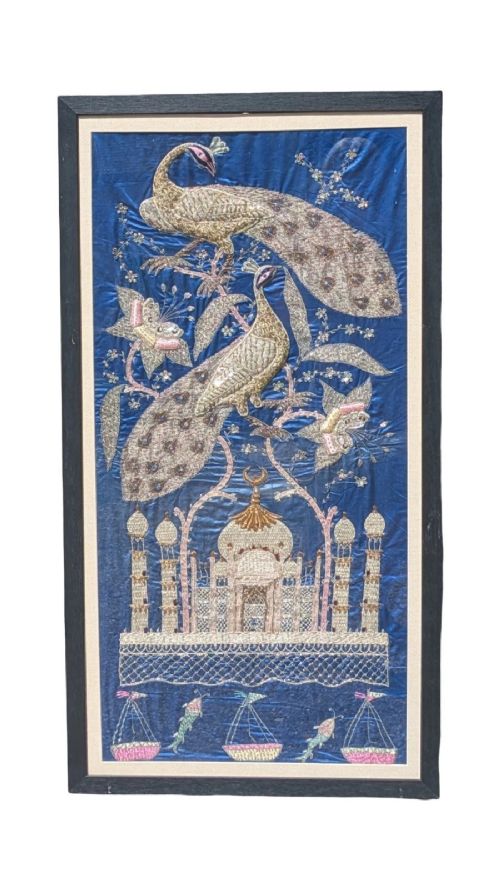
When you search for antique embroidery art, you encounter textile pieces created for display, devotion and domestic record. The forms range from framed wall hangings and needlework pictures to large wall panels and ceremonial embroideries.
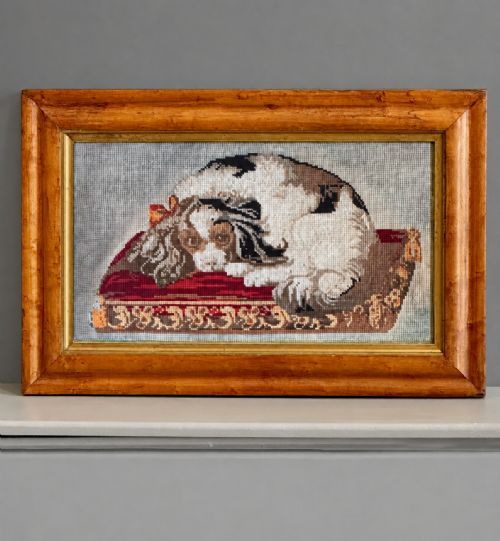
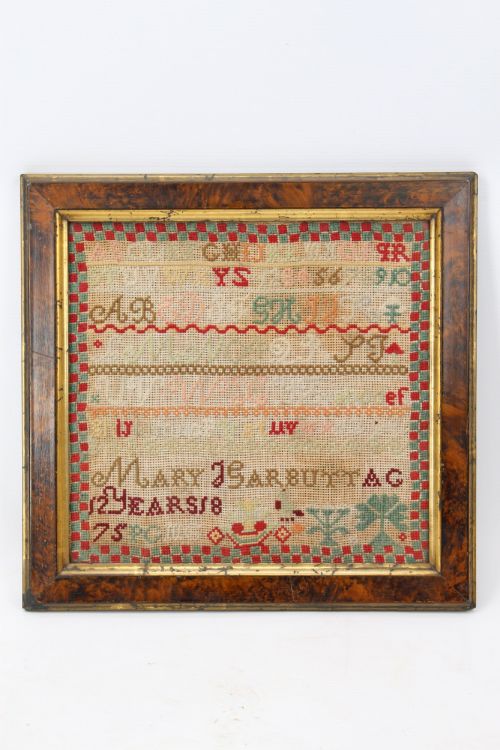
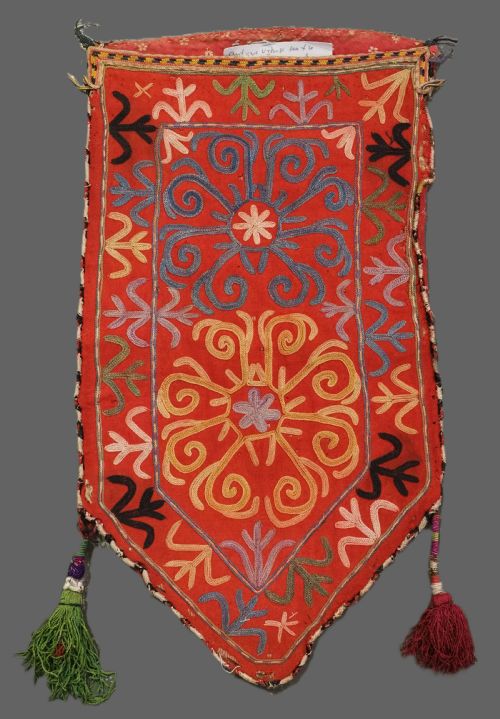
The most common examples on this page are nineteenth century woolwork pictures, samplers and Central Asian tribal wall hangings. These pieces span periods from the seventeenth century through to the early twentieth century.
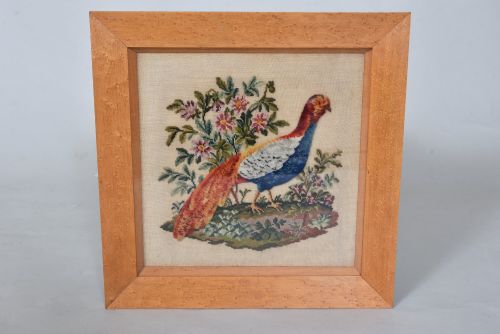
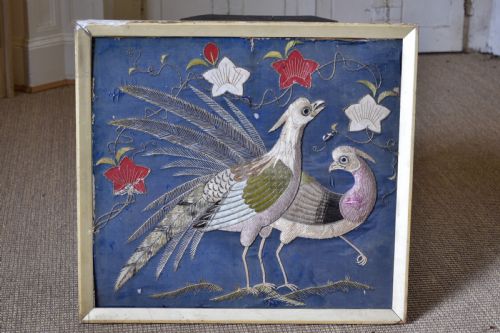
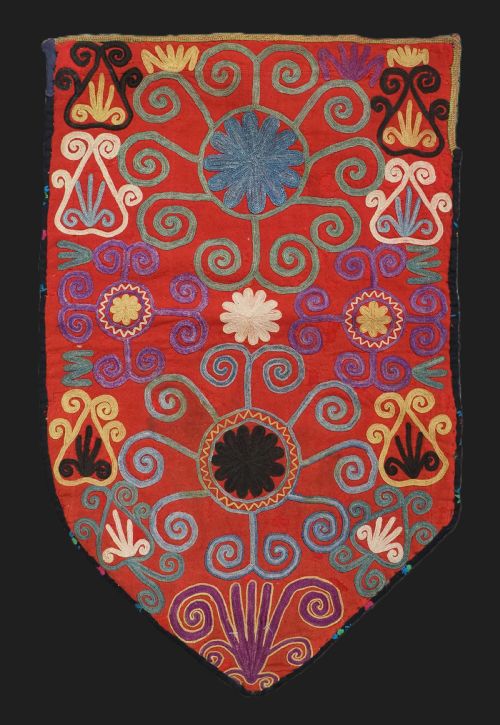
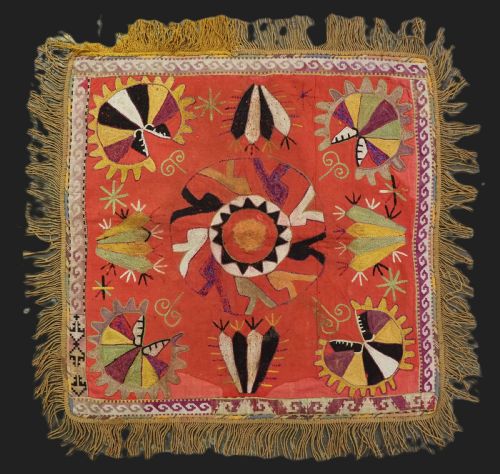
Domestic needlework includes British samplers, Berlin woolwork and floral panels alongside global works such as Uzbek suzanis and Chinese silk panels. Each object reflects the textile traditions and decorative tastes of its origin.
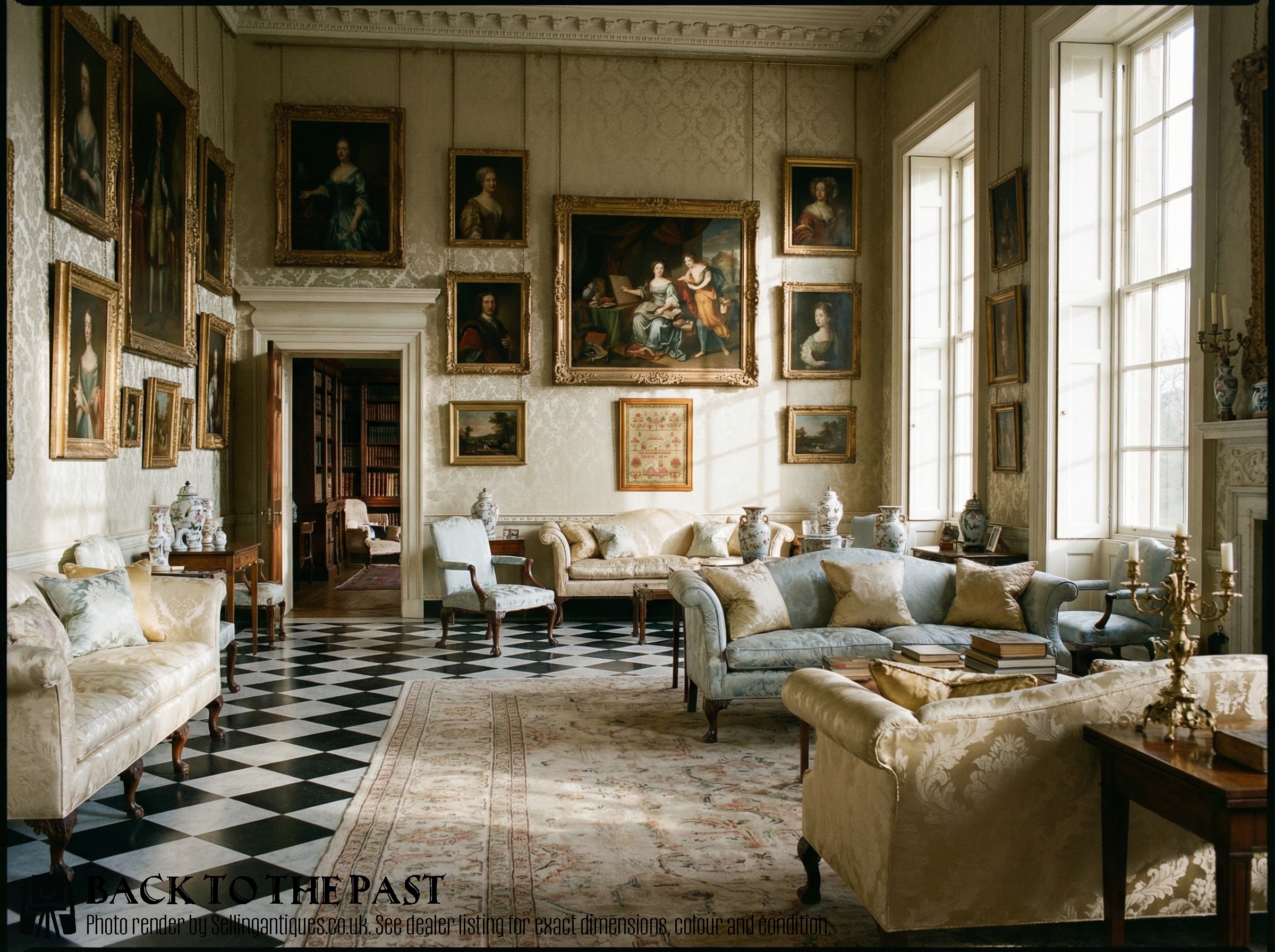
How they were made
Makers utilised natural foundations such as linen, cotton, canvas and wood, working stitches with silk, wool and metallic thread. Glass protection often covers delicate silk panels and framed needlework to preserve the fibres.
Techniques vary from fine silk floss embroidery and hand-sewn pictorial panels to dense crewelwork and plushwork. Tribal pieces feature specialist dowry embroidery stitches while European works employ counted thread and Berlin woolwork methods.
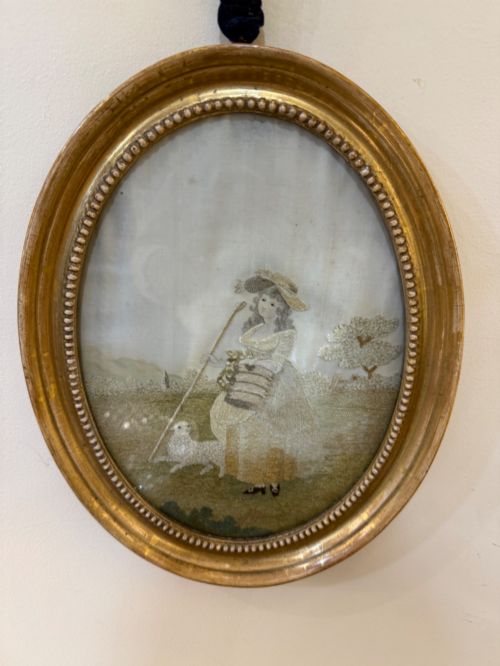
The selection includes British samplers, Chinese silk rank badges, French silk pictures and Uzbek suzanis.
What varies in quality
Quality rests upon the fineness of the stitch execution, the complexity of the pictorial design and the survival of the original materials. Intricate silk shading and well-preserved metallic threads distinguish finer works from simpler naive efforts.
The integrity of the mounting, whether an original burr maple frame, gilt frame or traditional wall hanging format, contributes significantly to the visual coherence of the textile art.
The Antique Embroidery Art Glossary
- Sampler
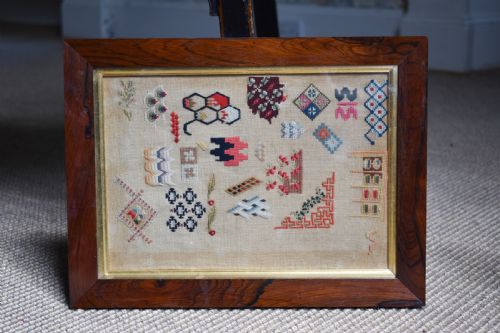
- A piece of needlework demonstrating various stitches and alphabets, often worked by young girls as a measure of skill.
- Berlin work
- A popular nineteenth century style of needlepoint charted on squared paper, using brightly coloured wools on canvas.
- Suzani
- A large, embroidered tribal wall hanging from Central Asia, traditionally made as part of a bride's dowry.
- Plushwork
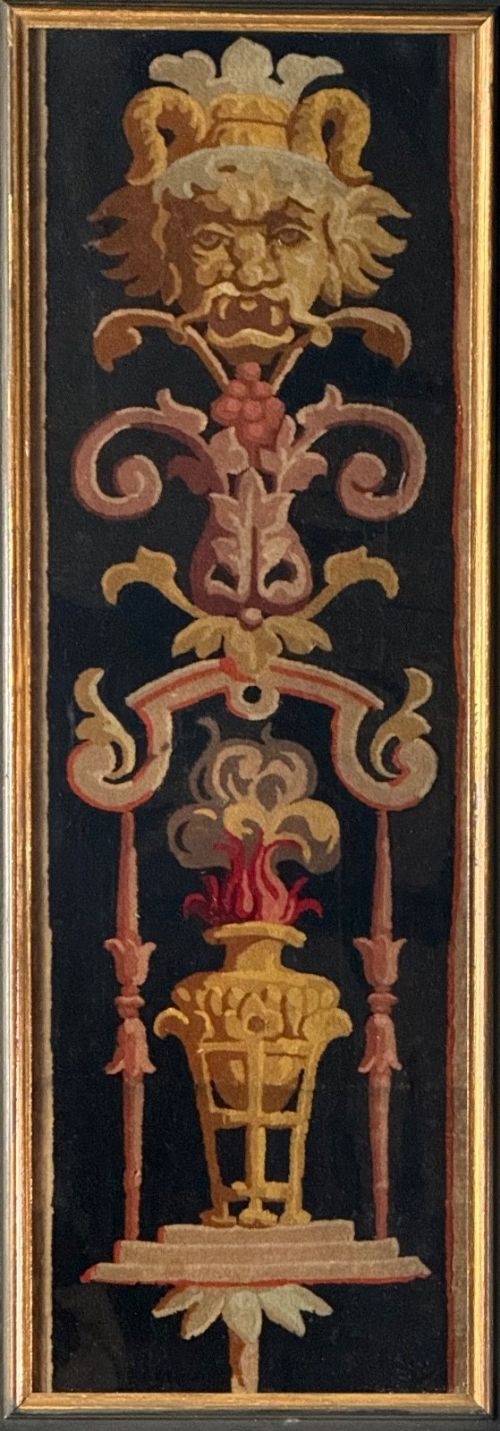
- A textile technique creating a raised, velvety pile surface on needlework pictures.
- Crewelwork
- Embroidery executed using wool yarn on a linen or cotton twill fabric foundation, frequently displaying scrolling floral motifs.
Antique Embroidery Art: Frequently Asked Questions
How should I hang antique textiles?
Protect delicate embroidery art from direct sunlight by placing pieces away from bright windows. Hang them in rooms with stable humidity to preserve organic silk and wool fibres.
Mount textiles on acid-free backing boards within frames fitted with glass spacing to prevent direct contact with the surface. This safeguards the stitching and prevents moisture accumulation.
What is a sampler?
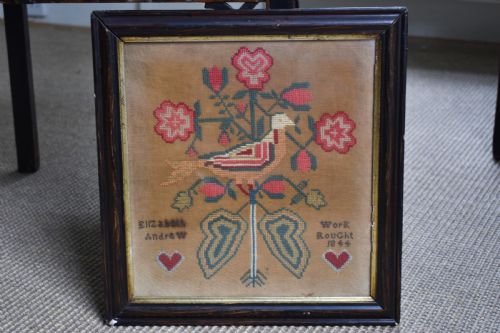
A sampler is a piece of needlework created to demonstrate proficiency in various stitches, patterns and alphabets. Young makers often included dates, names and ages.
These works serve as historical records of domestic education and textile design from the Georgian and Victorian eras.
How do I identify Victorian woolwork?
Victorian woolwork pictures typically feature thick wool yarns worked onto canvas foundations, depicting animals, figures or narrative scenes. Common varieties include Berlin work and plushwork panels.
These pieces often survive in their original wooden or gilt frames, reflecting mid to late nineteenth-century domestic tastes.