



Historical Needlework Textile
These historical needlework textile pieces are centuries-old stitched works of art, offering a direct window into domestic skill and historic imagery.
Historical Needlework Textile
When you search for a historical needlework textile, you encounter centuries-old stitched creations ranging from sampler pieces to framed panels and cushion covers. These works span from the sixteenth century through the Victorian era, reflecting diverse domestic and decorative traditions across Britain, France, Germany, and the Netherlands.
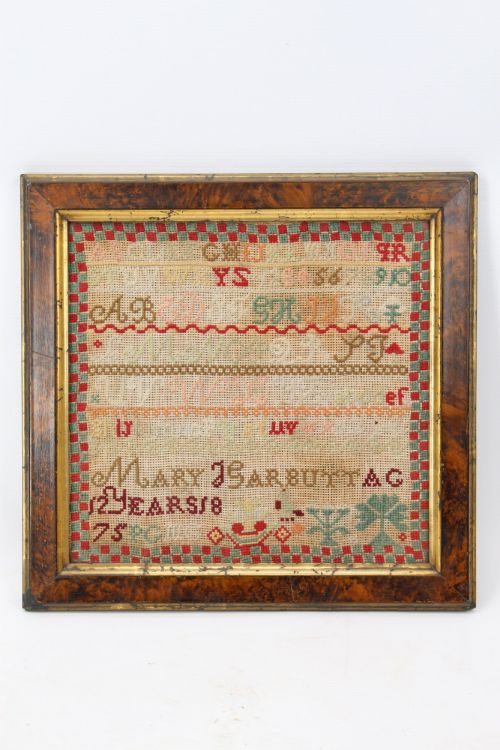
You are most likely to meet Victorian needlework samplers and eighteenth-century framed panels on this page. These forms often record names, dates, or specific historical events like the Crystal Palace alongside traditional motifs.
The materials comprising these objects include linen, silk, wool, and metal thread, frequently housed in wood and glass frames. Their origins stretch from domestic schoolroom exercises to large-scale tapestry art and covers.
How they were made
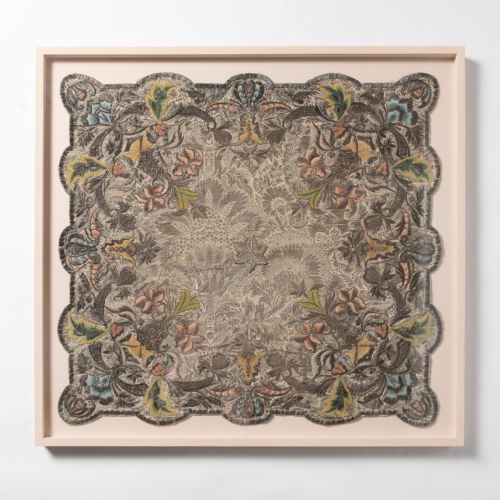
The makers of these historical textiles employed natural fibres such as linen, silk, and wool, often worked upon a linen ground. Silk and metal threads provided finer detail and lustre in pictorial and geometric compositions.
Techniques varied from counted-thread embroidery on samplers to free-hand needlework pictures and woven tapestry structures. Surviving pieces frequently retain their original wooden frames, sometimes accented with gilded elements.
Historical Needlework Textile Retail Price Guide 2026
Typical asking prices for historical needlework textile among the pieces listed under this phrase on Sellingantiques today, from the lower quarter to the upper quarter. They describe what is for sale here now, not the wider market.
The listings here feature periods spanning from the sixteenth century through the Victorian era, utilising linen, silk, wool, and metal thread.
What varies in quality
The fineness of the stitchwork and the complexity of the design separate the simpler schoolroom exercises from ambitious pictorial representations. Purity of the surviving silk and metal threads also dictates the visual impact of the piece.
Condition plays a central role, particularly the integrity of the ground fabric and the stability of the original fibres. Framing adds another layer, with pieces retaining period wood and glass holding distinct contextual value.
The Historical Needlework Textile Glossary
- Sampler
- A piece of needlework produced as a demonstration or test of skill in various stitches. These often record the maker's name, age, and date.
- Coif
- A close-fitting cap worn in the sixteenth and seventeenth centuries. These textile items were frequently decorated with elaborate whitework or polychrome embroidery.
- Tapestry
- A form of textile art traditionally woven on a vertical loom. These heavy pieces were utilised for wall hangings or cushion covers.
- Coverlet
- A decorative bedcover or spread placed over the uppermost layer of bedding. Historical examples often feature detailed embroidery upon a linen base.
- Metal thread
- Flat or wound metal wire utilised in advanced embroidery. This material added shimmering highlights to eighteenth-century panels and samplers.
Historical Needlework Textile: Frequently Asked Questions
What is a needlework sampler?
A needlework sampler is a historic piece created by stitching alphabets, numbers, and motifs to demonstrate proficiency. Young makers often recorded their age and the year of completion.
These works serve as personal historical records, preserving the names of individuals like Mary J Garbutt or Jane Wettmore alongside specific dates.
How do I date a textile?
Dating relies upon inscribed names and years, stylistic conventions of the lettering, and the types of fibres utilised. Seventeenth-century pieces differ markedly in composition from Victorian works.
Examining the backing materials, framing, and stitch techniques provides further physical evidence for the period of creation.
How were tapestries used?
Tapestries and tapestry cushions served both decorative and functional purposes in historic interiors. They provided warmth and visual richness to wall spaces and furniture.
Larger proportions indicate wall hanging use, while smaller formats were fashioned into items such as cushion covers.
Where were these pieces made?
These textiles originate from various European regions, including England, France, Germany, and the Netherlands. Domestic settings and local schools produced the majority of the samplers.
Foreign influences appear in specific styles, such as Dutch eighteenth-century embroidery and North German tapestry work.