


Antique Embroidered Throw
An antique embroidered throw brings rich Central Asian and Indian textile traditions into modern spaces through historic needlework and vibrant historic patterns.
Antique Embroidered Throw
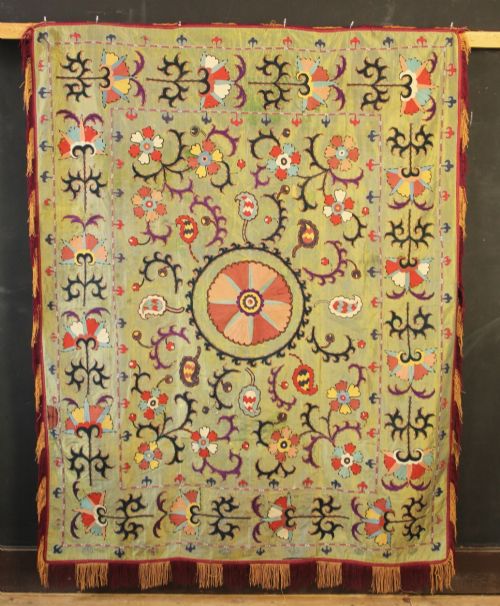
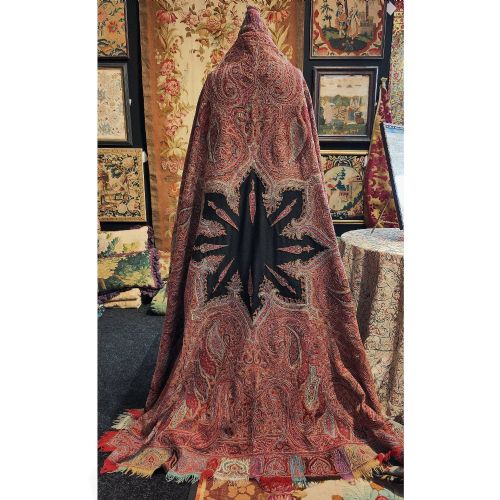
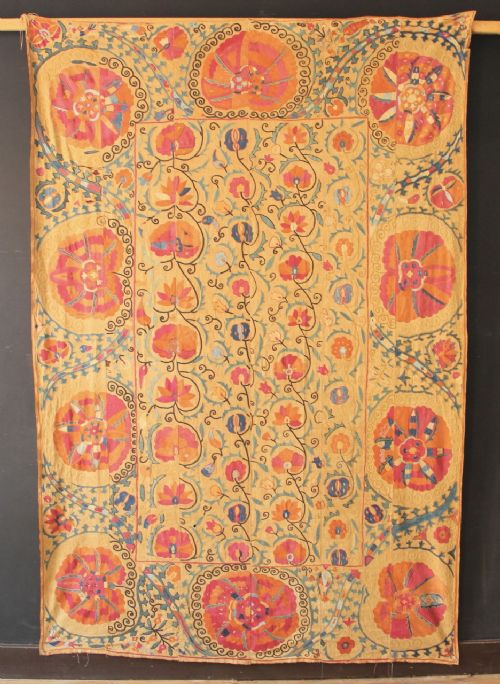
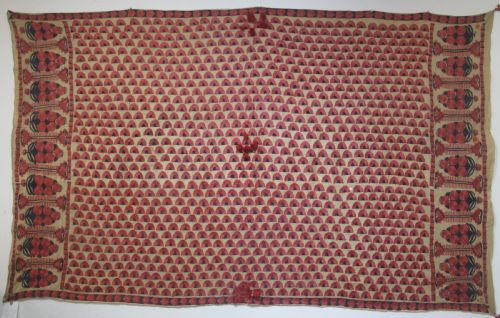
When searching for an antique embroidered throw, buyers encounter historic textiles primarily originating from Central Asian regions such as Uzbekistan, alongside South Asian examples from India and Kashmir. These pieces encompass traditional bed covers, wall hangings, and ceremonial shawls created across the nineteenth and early twentieth centuries.
How they were made
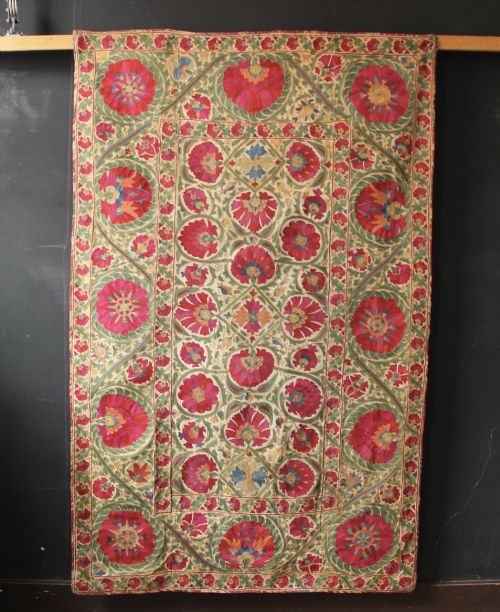
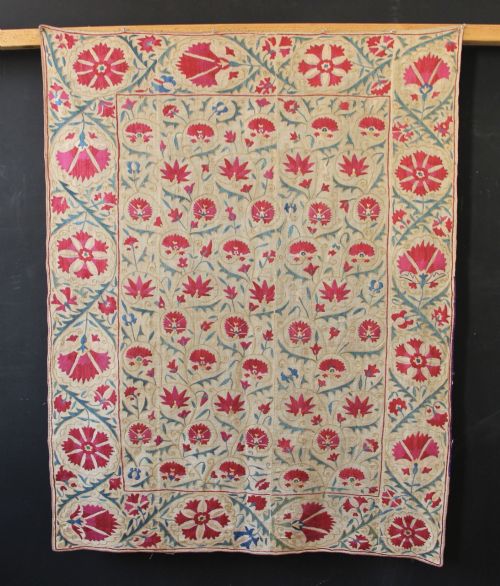
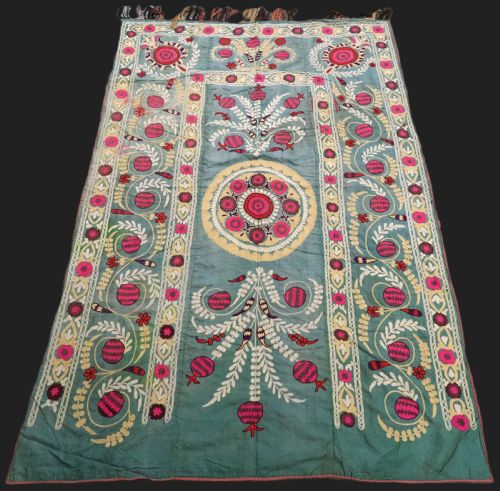
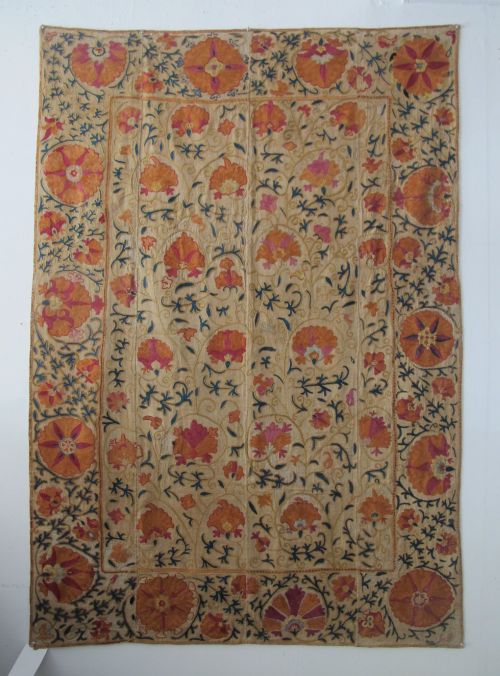
Artisans constructed these textiles by working fine silk thread embroidery onto ground fabrics of cotton, wool, linen, velvet, or adras silk-cotton blends. Stitchers applied dense patterns by hand, frequently building up large medallion motifs, floral layouts, and central star designs.
Makers utilised traditional regional techniques to anchor the embroidery firmly to foundational cloths like red cotton or black cotton grounds. This combination of natural textiles and hand-stitched thread creates the characteristic heavy drape and textured surface seen across surviving examples.
Regional styles represented span Central Asian tribal traditions, traditional South Asian needlework, Kashmiri shawls, and Anglo-Indian velvet pieces.
What varies in quality
The standard of execution depends heavily on the density of the needlework and the complexity of the design layout, ranging from partial nim suzanis to fully embroidered palak variants. Finer examples display meticulous stitch control and harmonious colour retention across extensive silk thread motifs.
The choice and condition of the ground fabric also influence the overall character of each textile, with sturdy cotton, wool, or velvet foundations supporting heavy hand-stitched compositions differently. Material preservation and the integrity of the original backing cloth define the longevity of these historic needlework pieces.
The Antique Embroidered Throw Glossary
- Suzani
- An embroidered tribal textile from Central Asia featuring hand-stitched silk thread on a cotton or linen ground. These decorative hangings and covers traditionally formed part of a bride's dowry.
- Nim Suzani
- A smaller or half-embroidered variant of a traditional suzani textile. These pieces feature less dense overall coverage than full-work examples.
- Palak
- A fully embroidered Tashkent suzani style dominated by a central star or medallion motif. The needlework covers almost the entire ground fabric.
- Amli rumal
- A traditional Kashmiri shawl worked in fine embroidery rather than woven twill tapestry. These garments display intricate needlework patterns across fine wool or Pashmina.
- Adras
- A traditional hand-woven fabric made from a blend of silk and cotton yarns. This material frequently serves as the ground cloth for Central Asian needlework.
Antique Embroidered Throw: Frequently Asked Questions
How were antique suzanis used originally?
Historic suzanis served primarily as ceremonial bed covers, wall hangings, and decorative furnishings within Central Asian households. Families commissioned them as significant elements of traditional dowry trousseaus.
Over time, these textiles functioned to adorn interior living spaces and celebrate important family milestones.
Can I use an antique embroidered throw on a bed?
These historic textiles make striking decorative overlays for beds or furniture when handled with care. Their delicate silk embroidery requires placement away from heavy daily wear and friction.
Placing them thoughtfully protects the vintage threads while adding distinct historic character to a room.
How do I care for historic silk embroidery?
Maintenance involves gentle vacuuming through a protective mesh screen to remove surface dust without disturbing the stitches. Professional textile conservators should handle any necessary cleaning or stabilization.
Keeping the pieces out of direct sunlight prevents the natural silk threads from fading over time.
How do I distinguish regional suzani styles?
Different towns and tribes across Central Asia developed distinct design vocabularies and colour palettes for their needlework. Tashkent pieces often feature bold palak star motifs, while Bokhara and Lakai examples display unique tribal variants.
Examining the choice of ground fabric and specific floral layouts helps identify the probable geographic origin.