






Antique Edo Porcelain
Antique edo porcelain brings together centuries of Japanese ceramic skill, offering collectors striking hand-painted plates, bowls, and vases shaped by tradition.
Antique Edo Porcelain
Antique edo porcelain encompasses wares produced during the Edo period, a defining era of Japanese artistry. Buyers seeking these items encounter a variety of forms including decorative plates, chargers, bowls, and vases.
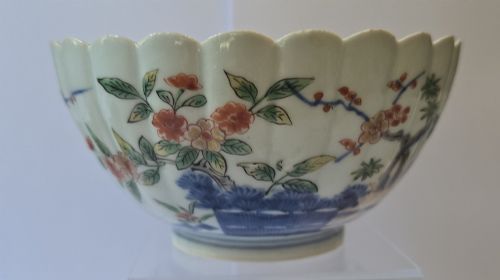
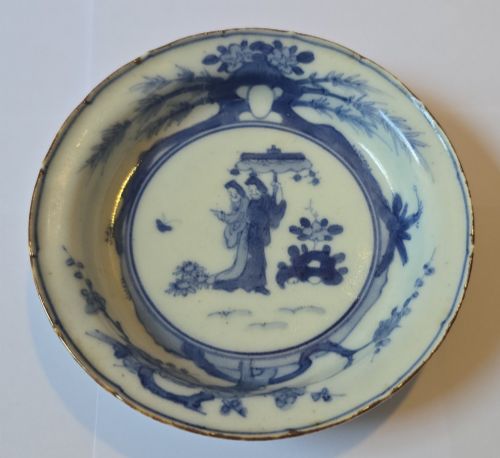
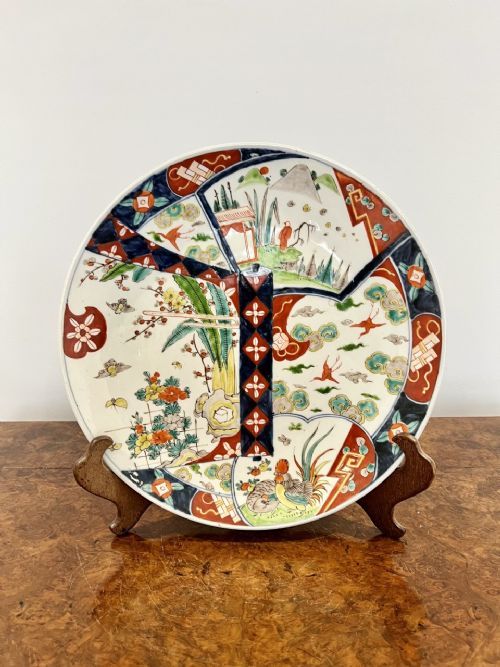
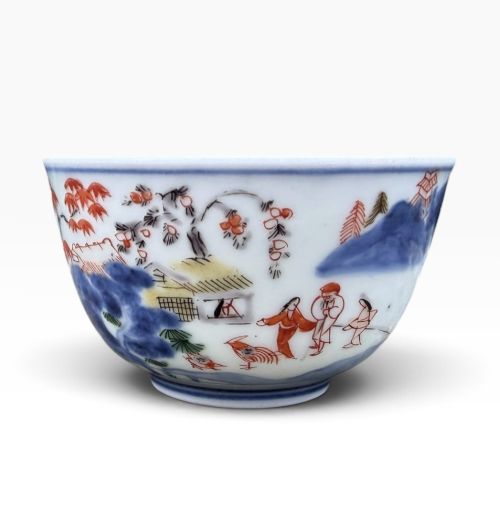
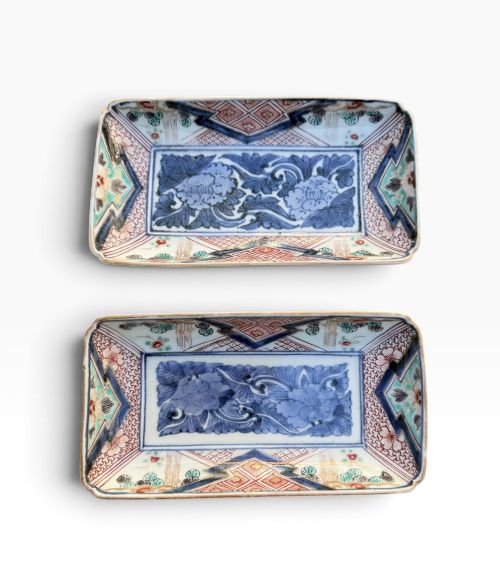
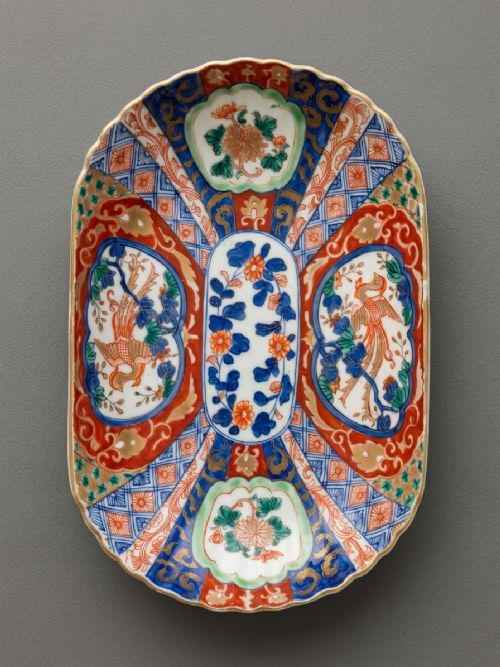
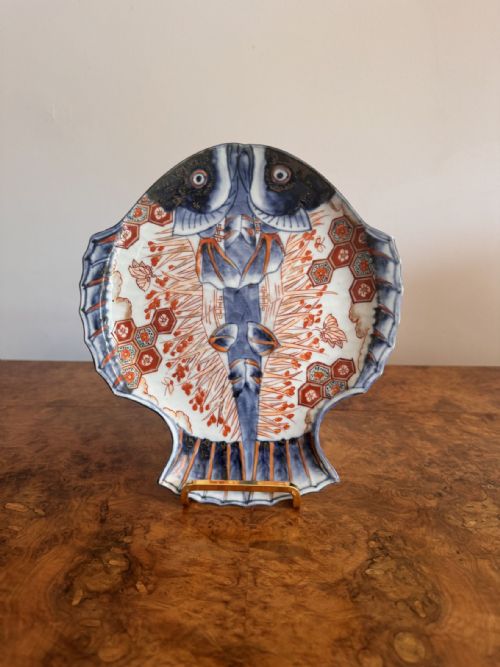
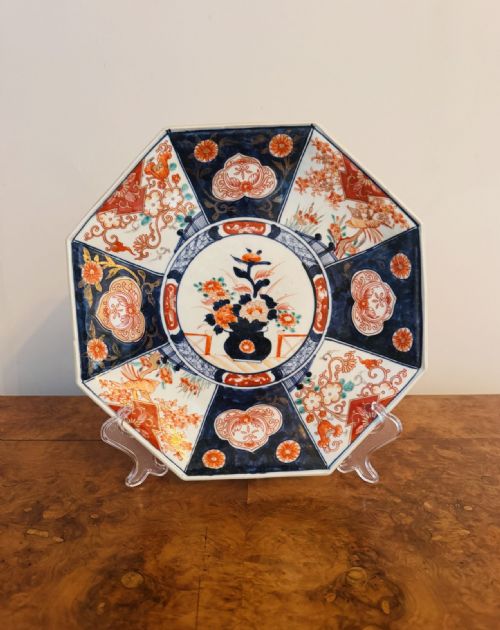
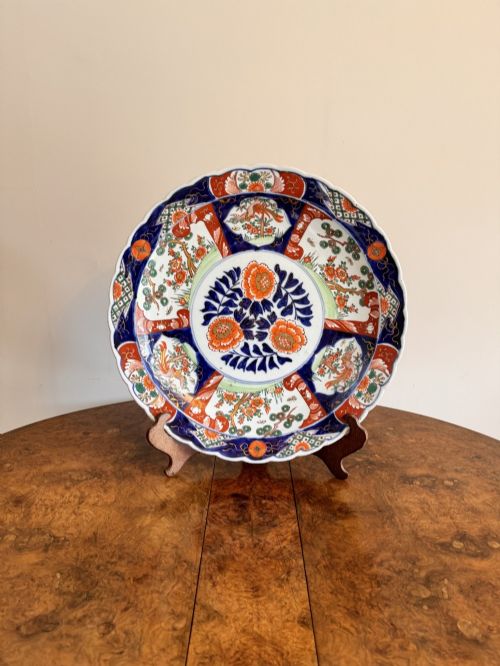
The pieces on this page heavily feature Japanese Imari styles, alongside Arita and Hirado wares. Forms range from standard round dishes to specific shapes such as leaves, fish, shells, and hexagons.
Originating across the seventeenth, eighteenth, and nineteenth centuries, these ceramics demonstrate the rich manufacturing heritage of Japan. Collectors often select items based on specific decorative motifs like horses, cranes, and chrysanthemums.
How it was made
Potters shaped porcelain clay into intricate vessels and tableware before applying cobalt underglaze, enamel, and glaze. Many pieces received detailed hand painting, sometimes enhanced with gold leaf and gilt accents.
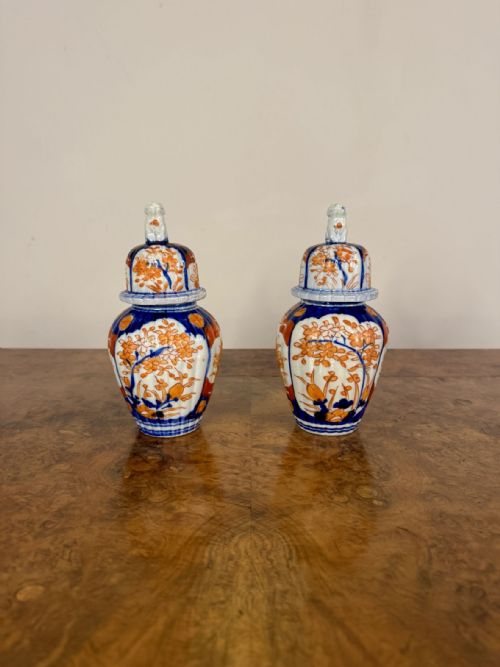
Kiln firing methods of the period allowed for the creation of durable porcelain bodies suited for both utilitarian objects like inkwells and large decorative items such as jardinières and lidded vases.
Antique Edo Porcelain Retail Price Guide 2026
Typical asking prices for edo porcelain among the pieces listed under this phrase on Sellingantiques today, from the lower quarter to the upper quarter. They describe what is for sale here now, not the wider market.
Several clever Edo potters shaped their porcelain plates directly into the likeness of swimming fish, autumn leaves, and clams.
What varies in quality
Quality in these ceramics rests on the precision of the hand-painted details and the complexity of the form. Moulded shapes like clam shells, fish, and leaf dishes demand greater skill from the potter than simple round vessels.
The application of cobalt underglaze, enamel, and gold leaf determines the visual depth of a piece. Finer examples display crisp outlines, balanced compositions, and rich colour saturation across the surface.
The Antique Edo Porcelain Glossary
- Imari
- A style of Japanese porcelain decorated in underglaze blue, iron red, and gold, named after the port from which it was shipped. This aesthetic dominated export markets and remains highly collectible today.
- Arita
- The Japanese town central to the production of porcelain during the Edo period. Kilns in this region produced the bulk of the cobalt underglaze wares found in trade.
- Hirado
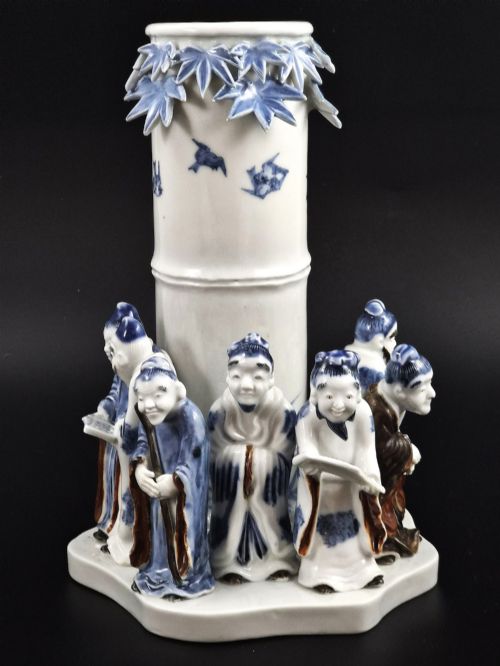
- A type of fine Japanese porcelain known for its delicate body and skilled figural work. Pieces from this tradition often include subtle relief decoration.
- Jardinerie
- A large ornamental pot designed to hold a plant or floral arrangement. These substantial ceramic pieces served as prominent interior decoration.
- Garniture
- A set of matching vases or jars displayed together on a mantelpiece or cabinet. These groupings were popular in aristocratic interiors.
Antique Edo Porcelain: Frequently Asked Questions
What is antique edo porcelain?
Antique edo porcelain refers to ceramic items produced in Japan during the Edo period. This category includes hand-painted plates, bowls, and vases created for both domestic use and export.
These pieces are celebrated for their intricate designs, utilising cobalt underglaze, enamel, and gold leaf. Collectors prize them for their historical importance and distinct artistic styles.
How do I identify Arita wares?
Arita wares originate from the town in Hizen province that became the cradle of Japanese porcelain production. They are typically recognised by their refined porcelain body and cobalt blue decoration.
Many of these items feature traditional Japanese motifs such as cranes, horses, and floral patterns. They often overlap with the Imari style depending on the specific palette used.
What is Japanese Imari?
Japanese Imari is a distinct style of porcelain featuring a tripartite colour scheme of underglaze blue, iron red, and supplementary gold leaf. It gained immense popularity in Europe during the seventeenth and eighteenth centuries.
Potters applied these pigments to create dense, geometric, and floral patterns across plates, chargers, and vases. The style remains one of the most recognisable forms of historic Japanese ceramics.
How were these ceramics used historically?
These ceramics served both functional and decorative roles in daily life and formal interiors. Smaller dishes and bowls were utilised for dining and serving, while large chargers and vases acted as display pieces.
Specialist items like tokuri served as sake flasks, and inkwells accommodated writing implements. Over time, many larger vessels transitioned into purely decorative interior ornaments.