



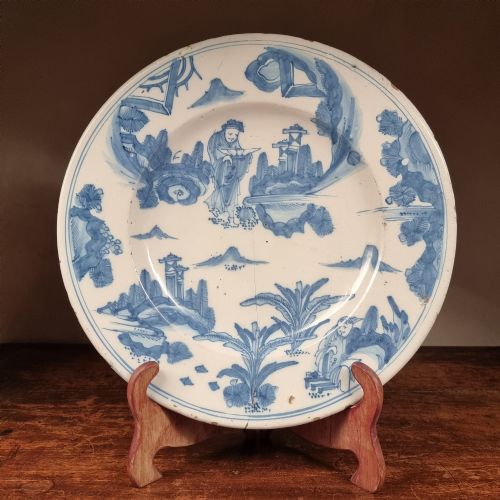
Antique Earthenware Plate
An antique earthenware plate carries the hand of the potter and the colours of centuries past, offering a tangible connection to early domestic dining.
Antique Earthenware Plate
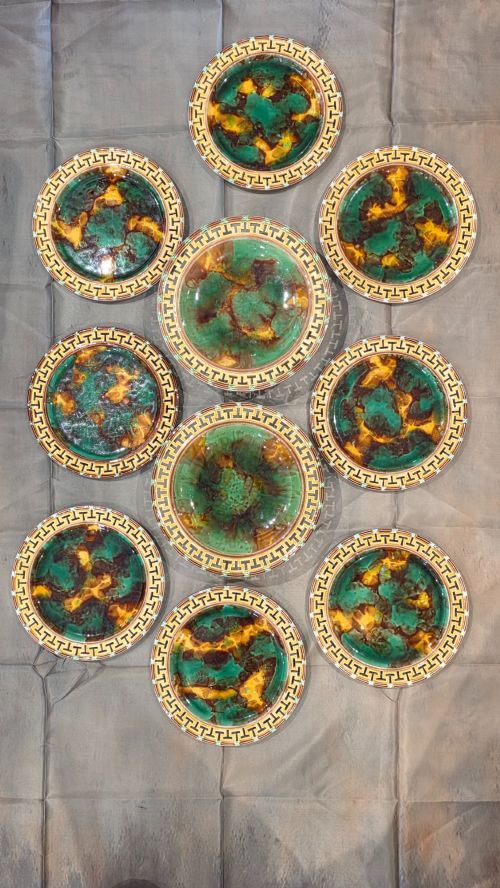
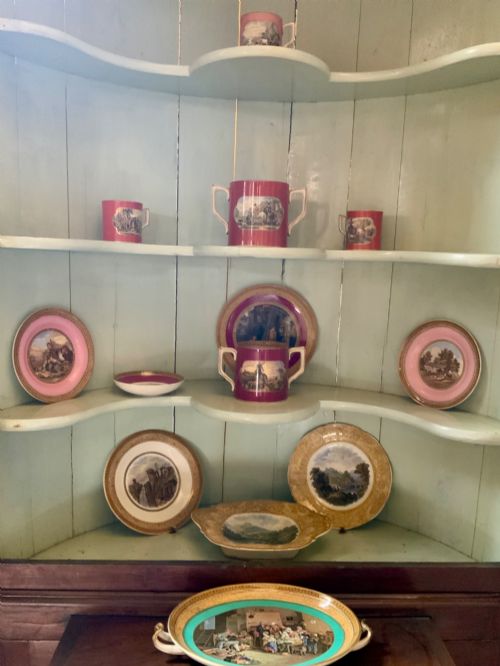
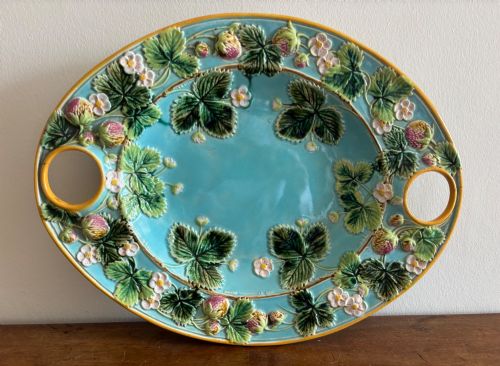
When searching for an antique earthenware plate, a buyer encounters a diverse group of tablewares and display pieces spanning several centuries. The selections on this page range from modest serving platters to large chargers and dessert services intended for formal dining. Most examples stem from the eighteenth and nineteenth centuries, reflecting the major pottery traditions of England and continental Europe.
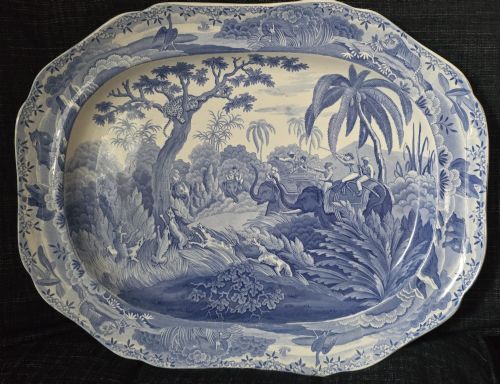
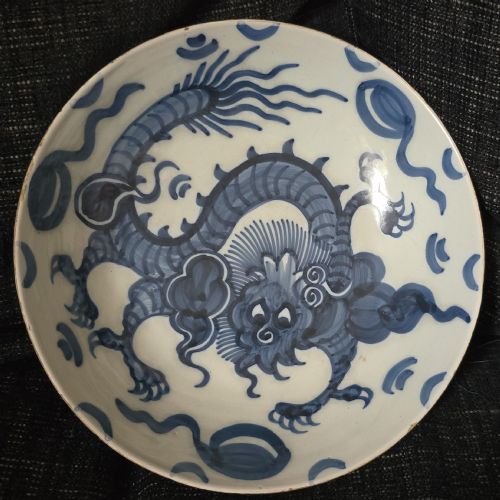
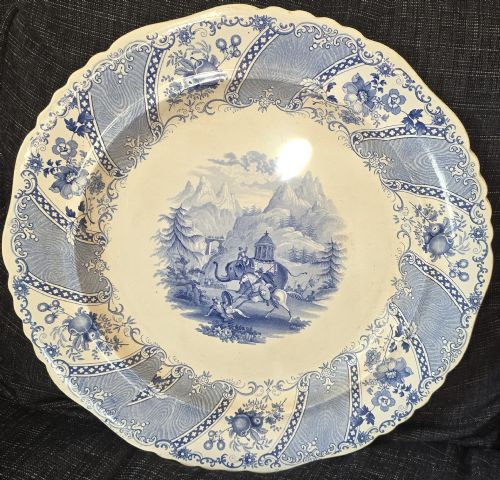
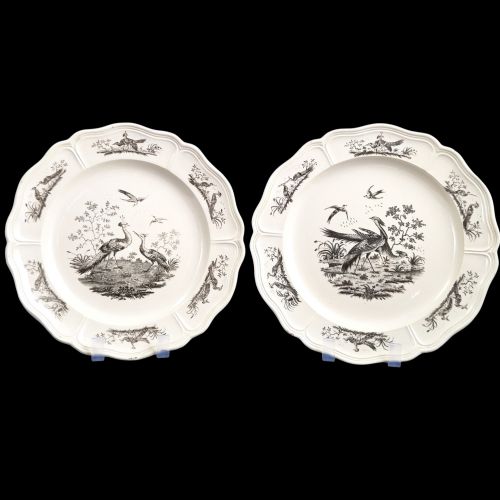
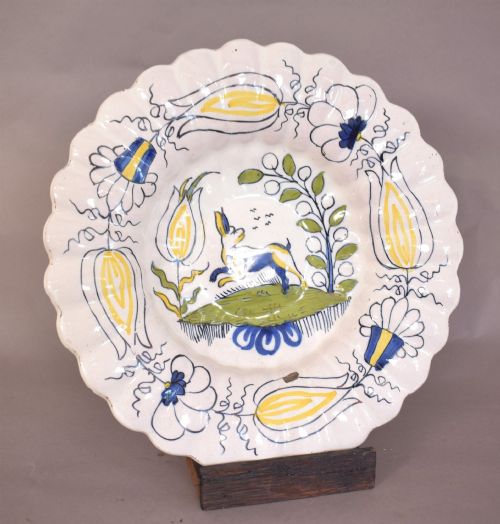
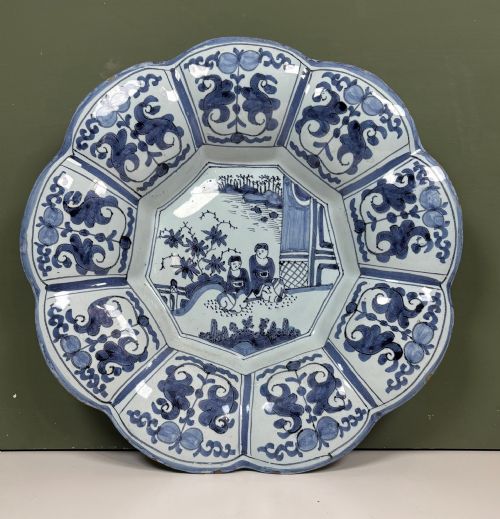
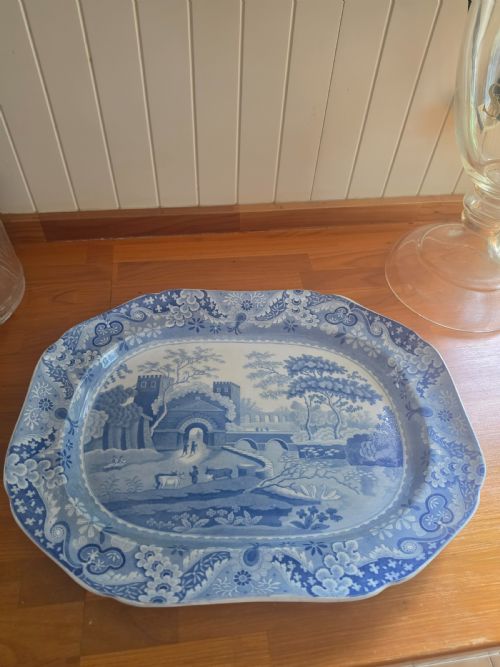
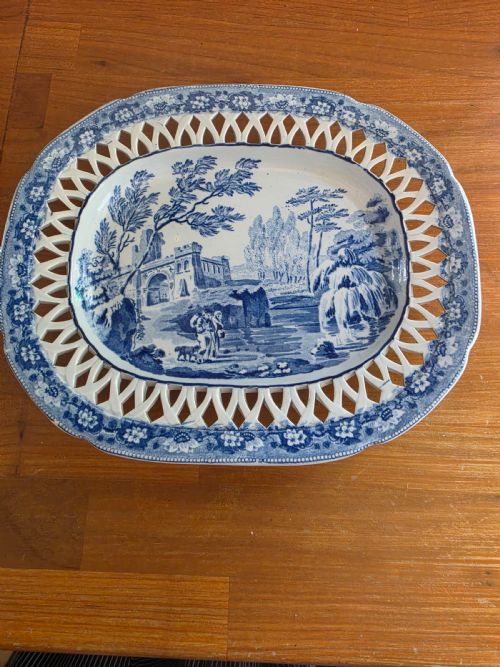
The forms vary considerably across the periods, incorporating deep chargers, flat dinner plates, lobed dishes, and specialised vessels like hot-water plates. English Staffordshire potteries and Dutch delftware workshops dominate the available inventory, bringing together tin-glazed earthenwares, creamware, and transfer-printed ironstone. Buyers are most likely to meet blue and white transferware patterns alongside polychrome delft dishes decorated with floral or Chinoiserie motifs.
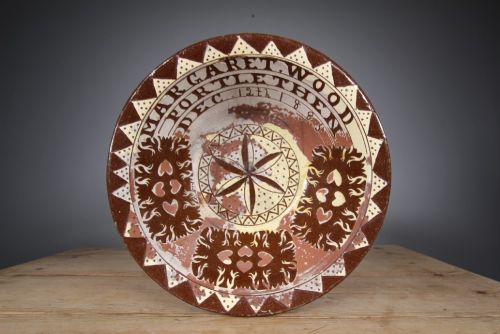
Beyond standard plates, the evidence shows larger display pieces designed to hang upon walls or rest upon sideboards. These chargers often feature elaborate painted scenes, armorial bearings, or Moorish revival designs that emphasise decoration over utility. The survival of these fragile earthenware objects depends greatly on their initial thickness and whether they were kept for daily service or formal display.
How they were made
Potters formed these pieces using porous clay bodies fired at relatively low temperatures, resulting in the characteristic earthenware structure that required a surface coating to hold liquids. Tin glaze provided an opaque white background suitable for hand-painted cobalt pigment or enamel decoration, particularly within the delftware tradition. Creamware and pearlware utilised refined lighter pastes covered in transparent lead glazes to achieve a smoother finish.
Decoration relied heavily on two distinct methods: direct hand-painting with mineral pigments and copperplate transfer printing. Transfer-printed plates utilised engraved designs pulled onto tissue paper and transferred onto the biscuit or glazed surface prior to a final kiln firing. Polychrome examples incorporated manganese, yellow, and green enamels applied by hand over the initial glaze layer.
Materials recorded span basic earthenware bodies, tin-glazed surfaces, cobalt pigments, and transfer-printed decorations in both blue and polychrome palettes.
What varies in quality
Quality in these earthenwares rests largely upon the crispness of the transfer printing and the skill of the hand-painted brushwork. Superior pieces exhibit well-defined lines, balanced compositions, and rich, even glaze application without heavy pooling or cloudiness. The refinement of the underlying clay body also dictates grade, with finer creamwares showing thin, even walls and precise potting.
The reputation of the manufactory or decorator heavily influences distinction within the market. Recognised works by established potteries display superior decorative ambition, often utilising complex polychrome palettes or armorial detailing rather than standard repetitive patterns.
Wedgwood·Spode·Davenport·George Jones·John Rogers and Son·Stubbs·Minton
The Antique Earthenware Plate Glossary
- Earthenware
- Porous pottery fired at relatively low temperatures that requires a glaze to become impermeable. It forms the structural base for the majority of historical tablewares.
- Tin Glaze
- A lead glaze made opaque by the addition of tin oxide, creating a white surface that mimics Chinese porcelain. It serves as the primary canvas for delftware and faience production.
- Transferware
- Pottery decorated by applying a printed design from an engraved copper plate onto paper and pressing it onto the ceramic surface. This technique allowed intricate pictorial scenes to be produced rapidly in blue or multicolour.
- Charger
- A large decorative or serving plate, typically measuring over thirty centimetres in diameter, designed to sit beneath smaller course plates or display food at the centre of a table.
- Creamware
- A refined earthenware developed in eighteenth-century England featuring a pale cream-coloured body and a transparent lead glaze. Wedgwood perfected this light and durable ceramic for general dining use.
Antique Earthenware Plate: Frequently Asked Questions
Can I use an antique earthenware plate for dining?
While structurally sound, antique earthenware plates often possess delicate tin glazes or soft clay bodies that absorb liquids and stain easily over time. Hand washing is essential to preserve the historical surface.
Modern daily use risks scratching the soft lead or tin glazes and damaging hand-painted enamel details. Most collectors prefer to display these pieces or reserve them for occasional dry service.
How do I identify a transfer-printed plate?
Transfer-printed plates display finely detailed repeating patterns made up of microscopic dots or fine printed lines rather than brushstrokes. Examination under a magnifying glass often reveals the characteristic stippled texture of the engraved copper plate.
These patterns usually appear in single colours like cobalt blue, mulberry, or sepia under the glaze. They often include named topographical or narrative titles on the reverse or within the border.
Why are some plates called chargers?
Chargers are exceptionally large plates originally used to serve shared joints of meat at grand banquets before individual place settings became standard. In later periods, they functioned primarily as decorative items displayed on walls or sideboards.
Their substantial size provided artisans with a large canvas for elaborate painted landscapes, armorial crests, and historical scenes. They require sturdy walls or specialised plate stands for safe display.