

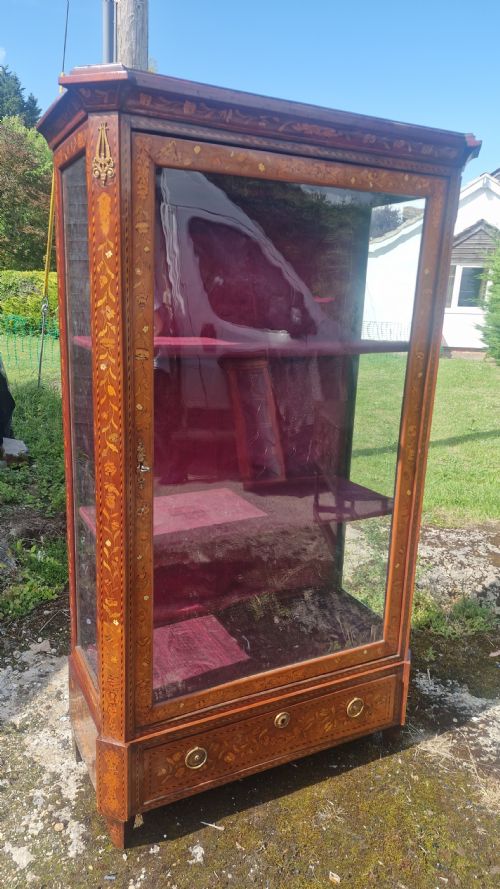
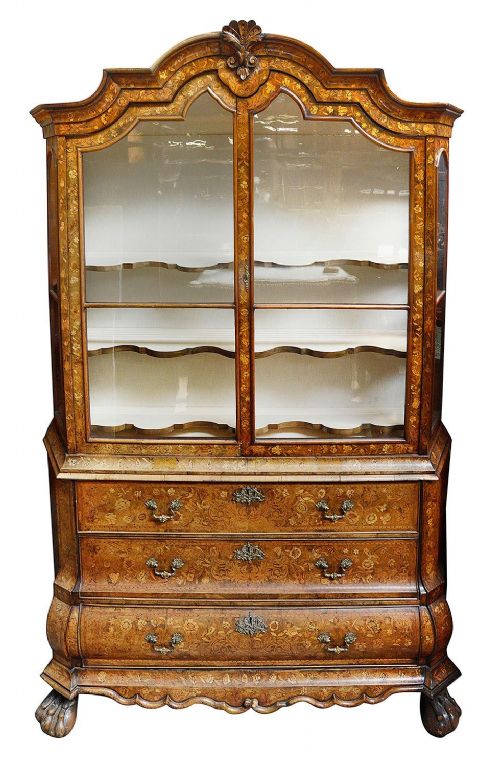
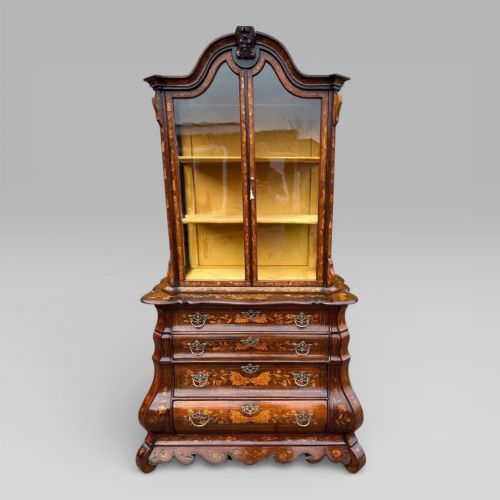


Antique Dutch Vitrine
An antique Dutch vitrine is a glazed cabinet built for displaying valuables, combining practical storage with elaborate floral marquetry.
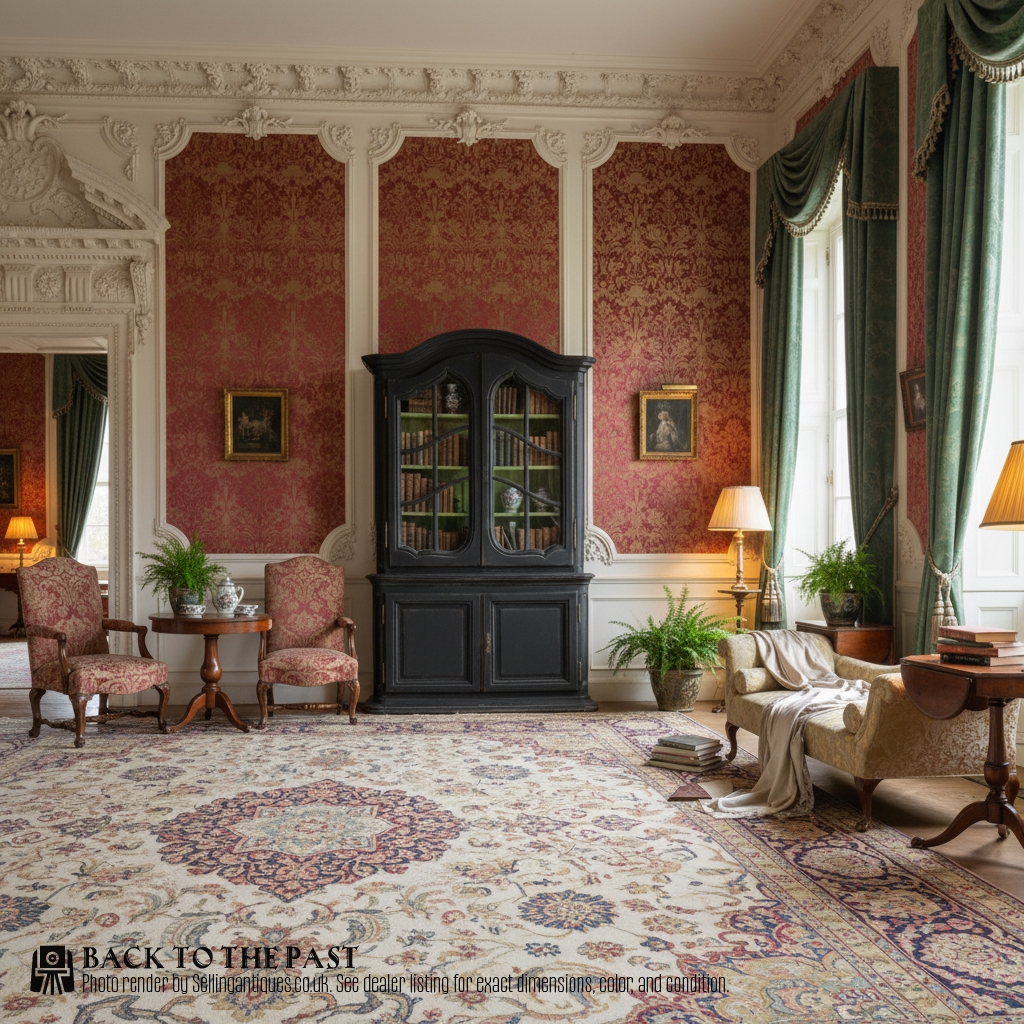
Antique Dutch Vitrine
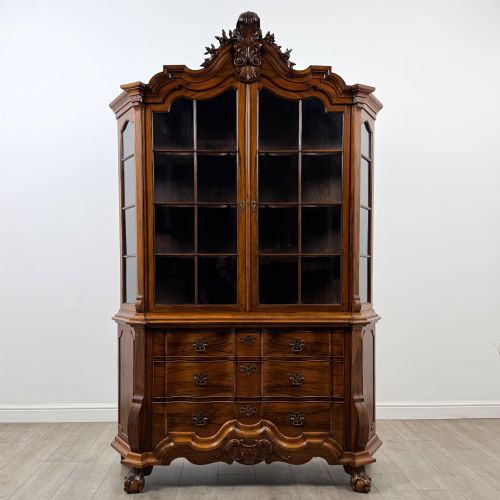
An antique Dutch vitrine serves as a grand display piece for porcelain, silver, and curiosities, combining glazed upper sections with spacious lower cupboards or chest bases. These cabinets emerge primarily across the eighteenth and nineteenth centuries, spanning distinct periods such as Georgian, Victorian, and Edwardian production.
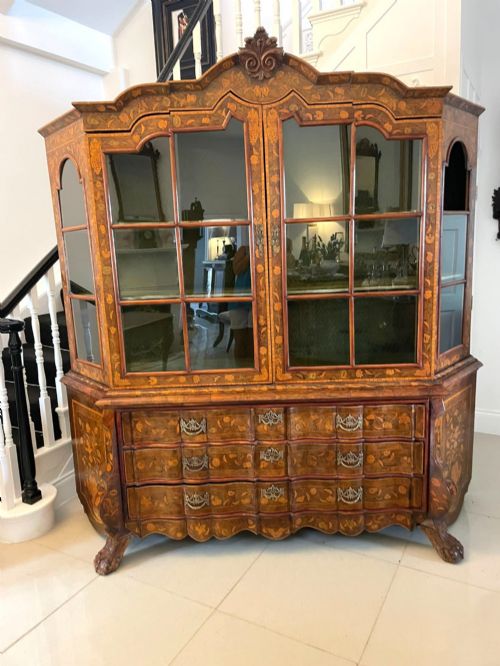
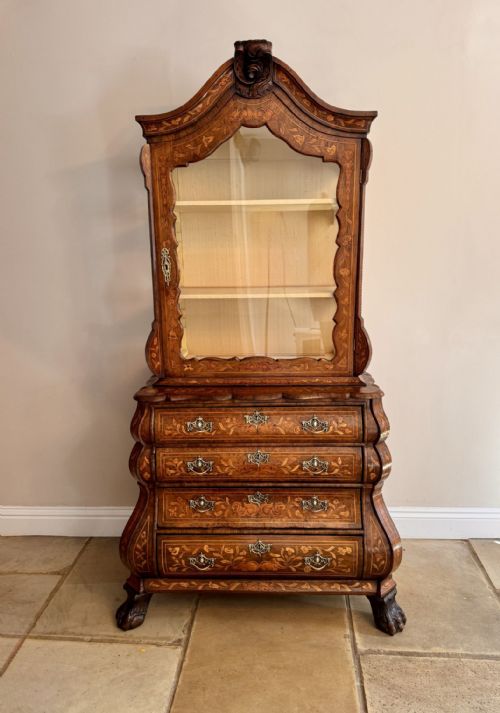
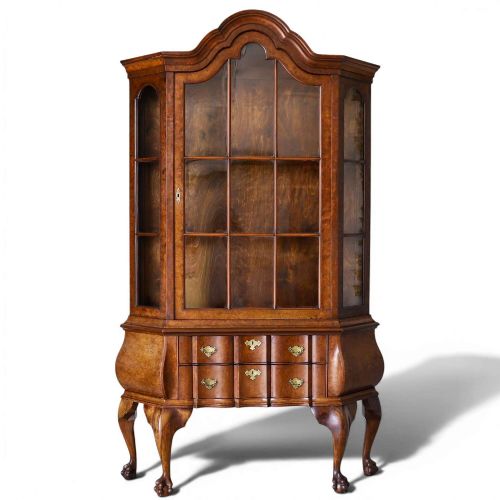
The visual weight of these cabinets ranges from architectural wall cabinets and corner cupboards to massive bomb’ shaped bodies with curving fronts. Walnut and burr walnut dominate the forms, frequently paired with fruitwood and satinwood to render intricate floral patterns across the surface.
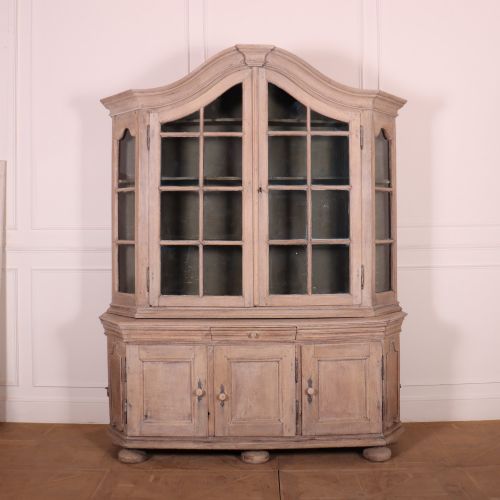
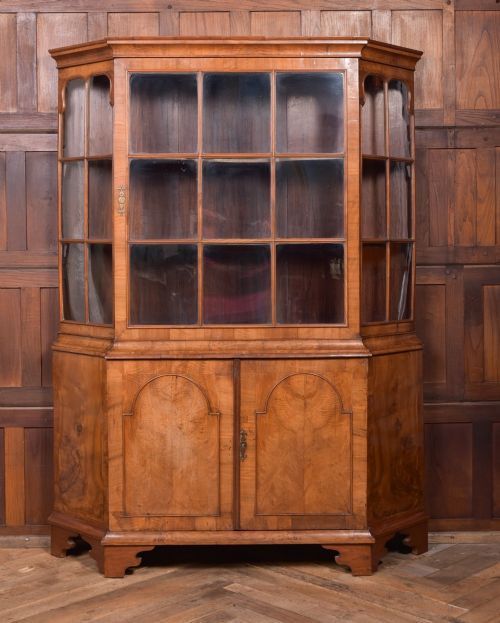
Regional cabinetry traditions heavily influence the silhouette, shifting between restrained classical lines and dramatic Baroque or Rococo revival curves. Glazed doors feature multiple glass panes held by slim timber bars, framing the interior shelves designed to showcase collected objects.
Materials and Construction Methods
Cabinetmakers constructed these pieces using solid oak and fruitwood carcases overlaid with rich walnut veneers and burr walnut panels. The characteristic floral marquetry involves precise hand-cutting of contrasting timbers such as satinwood and fruitwood, inlaid directly into the primary veneer.
Curved bombé profiles required skilled timber steaming and shaping to achieve the swelling lower chests seen on many examples. Glazing relied on hand-blown window glass fitted into rebated wooden frames, secured with traditional pins and putty.
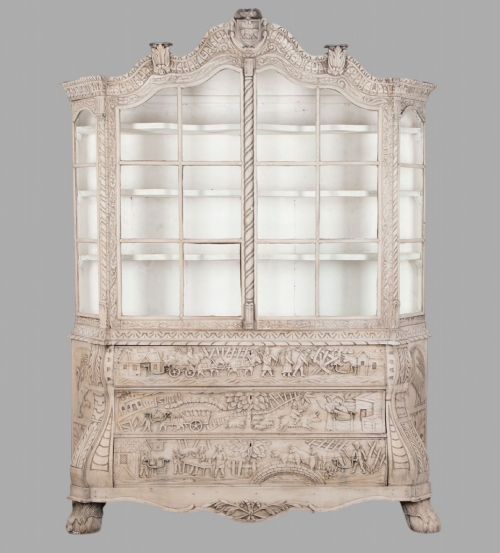
Brass hardware, including hinges, keyplates, and drop handles, provides functional contrast to the dark polished wood surfaces. Painted variants utilise layered pigments on timber bases, yielding muted tones suited to domestic interiors.
Antique Dutch Vitrine Retail Price Guide 2026
Typical asking prices for dutch vitrine among the pieces listed under this phrase on Sellingantiques today, from the lower quarter to the upper quarter. They describe what is for sale here now, not the wider market.
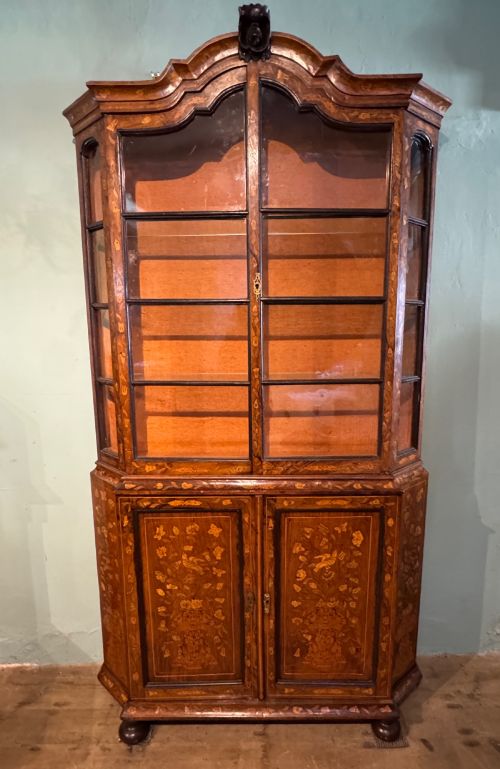
Several Dutch marquetry cabinets manage to squeeze blooming tulips and exotic birds into every available square inch of walnut.
Distinctions in Quality and Execution
The precision and complexity of the floral marquetry dictate much of the distinction across these cabinets, separating simple veneering from densely packed pictorial inlay featuring birds and urns. Finer examples maintain crisp edges along the botanical motifs without excessive filler or lifting veneer segments.
The architectural ambition of the carcase marks the upper tier of production, particularly in bombé forms where sweeping, continuous curves demand exceptional mastery of timber bending. Lesser pieces rely on flat-fronted corners and simpler rectilinear frameworks with minimal decorative carving.
Patina and timber selection reveal the underlying age and treatment of the material, with burr walnut providing deep, swirling grain patterns superior to plain domestic woods. Original brass furniture and intact hand-blown glass panes further elevate the standing of an individual vitrine.
Edwards and Roberts
The Antique Dutch Vitrine Glossary
- Vitrine
- A glazed display cabinet designed specifically for showing porcelain and precious objects. These pieces feature glass panels on multiple sides to maximise interior light.
- Bombe
- A swelling, outwardly curving furniture shape characteristic of eighteenth-century Dutch design. This profile requires advanced carpentry to form the bulging lower drawers or cabinet doors.
- Marquetry
- Decorative inlay work where thin slices of various coloured woods are assembled to form pictorial patterns. Artisans cut floral and botanical motifs directly into the surface veneer.
- Burr Walnut
- A specialised timber cut from walnut tree growths, prized for its swirling, highly figured grain pattern. Cabinetmakers utilise these veneers on primary display surfaces for maximum visual impact.
- Canted
- Beveled or cut away at an angle, usually referring to the vertical corners of a cabinet. This architectural detail softens the silhouette of heavy display cases.
Antique Dutch Vitrine: Frequently Asked Questions
What is an antique Dutch vitrine?
An antique Dutch vitrine is a wooden display cabinet featuring glass doors and panels, built primarily in the eighteenth and nineteenth centuries. These cabinets were designed to protect and showcase valuable ceramics, glassware, and small ornaments.
They often combine upper display shelves with lower enclosed storage cupboards or chest of drawers bases. The exterior surfaces frequently display elaborate floral marquetry inlaid in contrasting timbers.
How do I distinguish eighteenth-century pieces?
Eighteenth-century examples typically display hand-cut floral marquetry involving walnut and various fruitwoods, combined with substantial oak carcases. The glass panes within the doors often show subtle distortions typical of early hand-blown manufacturing methods.
Later nineteenth-century and revival pieces may incorporate machine-sawn veneers or standardised brass hardware. Examining the interior construction and timber backing boards helps confirm the primary period of manufacture.
Where were these cabinets placed?
These display cabinets served as principal reception room and parlour furniture for affluent households. Corner cupboards and wall-mounted variants made efficient use of smaller domestic spaces.
Larger bombé cabinets stood against prominent walls where their curved fronts and inlaid surfaces functioned as focal points. Their primary purpose remained the exhibition of imported porcelain and prized collectibles.
How do I care for the wood and glass?
Maintaining these cabinets requires stable indoor humidity to prevent the walnut and fruitwood veneers from drying or lifting. Regular dusting with a soft cloth protects the polished patina without accumulating chemical residue.
Glass panes should be cleaned carefully using minimal moisture to avoid seeping behind old putty or wooden glazing bars. The internal shelves benefit from soft linings to protect the antique timber from scratches.