


Antique Dutch Seascape
These antique dutch seascape paintings capture coastal waters, harbours, and sailing vessels through centuries of maritime heritage.
Antique Dutch Seascape
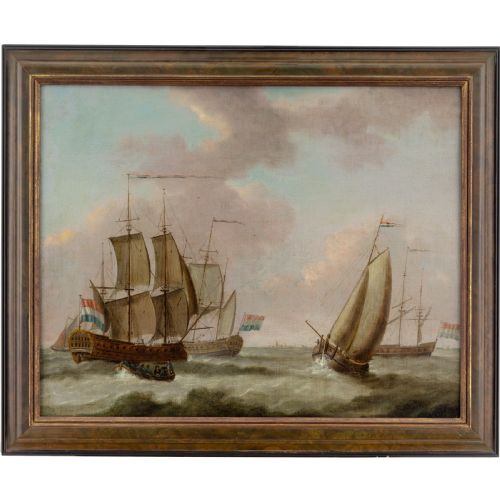
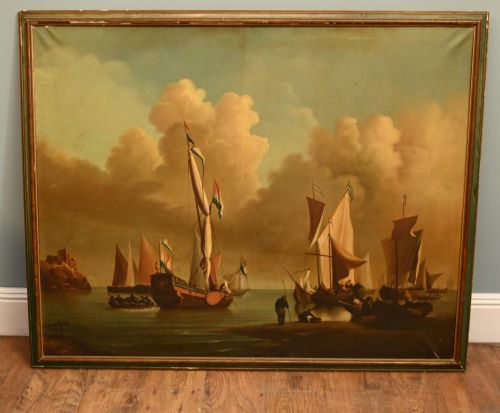
When you search for an antique dutch seascape, you encounter oil paintings, watercolours, and panels depicting coastal views, estuaries, and maritime shipping. The selections span from seventeenth century Golden Age depictions to nineteenth century interpretations and early twentieth century works.
The most common pieces on this page are nineteenth century oil on canvas paintings focusing on fishing boats, coastal shores, and choppy waters. You also find watercolours and panel works representing canals, harbours, and naval scenes by various named artists and schools.
Materials and construction
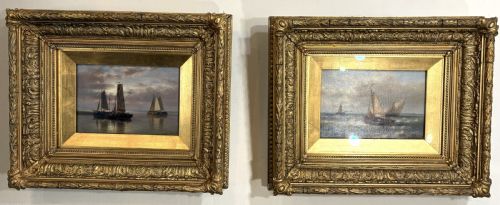
Artists painted primarily with oil paint upon stretched canvas or wooden panels, sometimes utilising watercolour on paper for lighter coastal sketches. Frames frequently consist of carved wood ornamented with gesso and finished in gold leaf or giltwood.
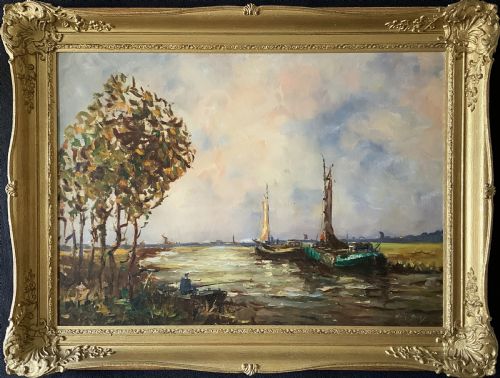
Canvases display varied brushwork ranging from the fine detail of nineteenth century marine specialists to the broader strokes of impressionistic harbour scenes. Pigments are layered to create atmospheric skies, turbulent seas, and reflective waterways characteristic of Dutch maritime art.
Materials recorded across the selection include oil on canvas, wood panels, watercolours on paper, gesso, and giltwood frames.
Distinctions in quality
Quality rests upon the artist's command of light, water movement, and atmospheric perspective in capturing maritime atmosphere. Stronger works demonstrate confident brushwork, accurate rigging of vessels, and harmonious tonal balance across the canvas or panel.
The sophistication of the original giltwood or gesso frame often matches the importance of the painting it surrounds. Condition of the paint surface, preservation of the canvas, and clarity of attribution further divide standard regional works from master pieces.
Bonaventura Peeters·Willem Bos·Abraham Hulk I·Pieter Cornelis Dommersen·Adrian Van Porten·Florence Hess·Hendrik Willebrord Jansen·Owen Bowen·William Raymond Dommersen·Paul Jean Clays·Fred Mayor·Hendrik Yan Wolter·Frank Myers Boggs·Charles Martin Powell·Thomas Bush Hardy·Abraham Storck·Alfred Montague
The Antique Dutch Seascape Glossary
- Estuary
- The tidal mouth of a large river, where the tide meets the stream. These settings provided artists with dynamic subjects involving shipping and changing light.
- Gesso
- A plaster mix used as a base for moulding or painting on frames. Elaborate giltwood frames often feature textured gesso ornament.
- Marine painting
- Artwork that depicts ships, seascapes, or coastal views. This genre encompasses naval battles, commercial shipping, and local fishing fleets.
- Giltwood
- Wood that has been thinly coated with gold leaf or gold paint. Frames of this material surround many nineteenth century maritime paintings.
- Impressionism
- A nineteenth century painting style characterised by relatively small, thin, yet visible brush strokes. Artists employed this approach to emphasise accurate depiction of light.
Antique Dutch Seascape: Frequently Asked Questions
How do I identify periods?
Periods are identified through costume details on figures, vessel design, stretcher construction, and framing styles. Seventeenth century works show distinctive rigging and garment cuts compared to nineteenth century canvases.
Signatures, artist records, and canvas stamps offer further chronological markers. Comparing handling of water and light against documented academic styles helps narrow down the decade.
What subjects appear most?
Fishing boats by the shore, merchant shipping in estuaries, and harbour views dominate the inventory. Canals and sea battles also feature prominently across different centuries.
Artists frequently recorded specific European ports, coastal towns like Scheveningen, and choppy North Sea waters. Figures mending nets or launching boats add narrative local colour to the seascapes.
Where were they displayed?
These maritime works traditionally hung in nineteenth century domestic parlours, shipping offices, and merchant residences. Wealthy patrons collected coastal scenes to celebrate maritime trade and national naval heritage.
Today they suit study rooms, drawing rooms, and hallways with traditional or eclectic interior schemes. Their muted or dramatic maritime palettes pair well with wood panelling and neutral wall colours.