

Antique Dutch Scene Painting
When you search for an antique dutch scene painting, you encounter centuries of frozen canals, bustling tavern interiors and quiet coastal harbours captured by observant hands.
Antique Dutch Scene Painting
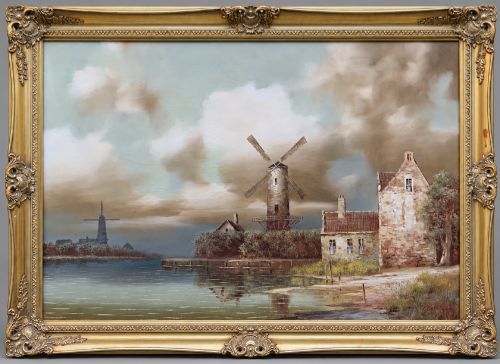
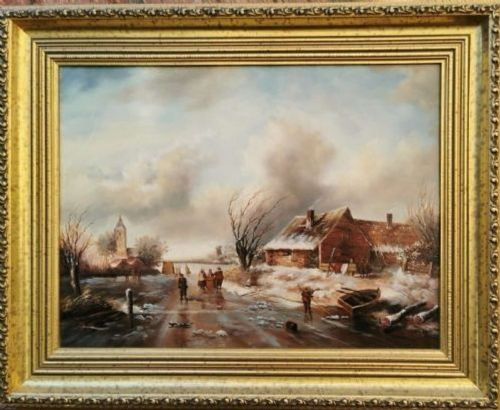
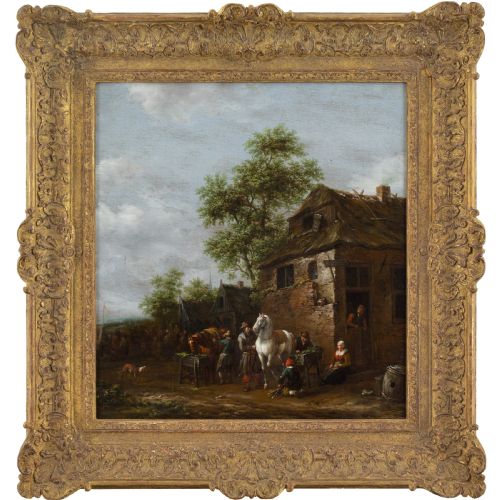
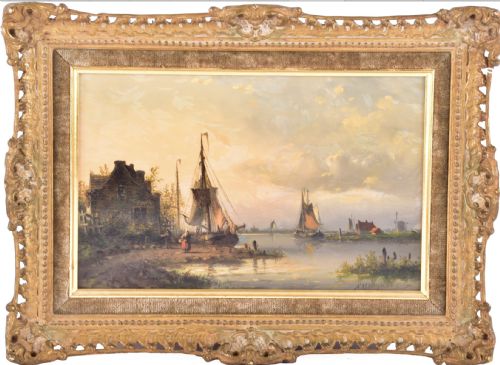
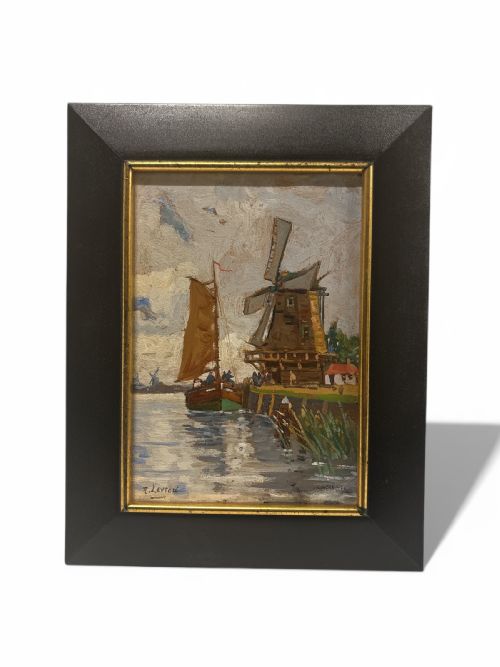
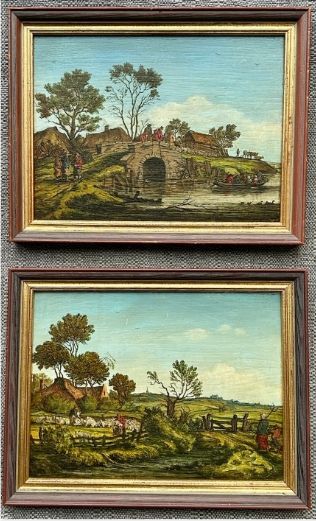
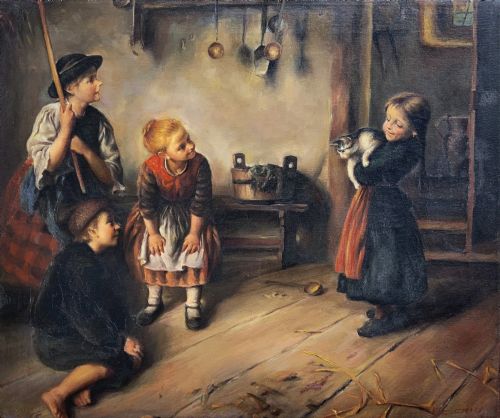
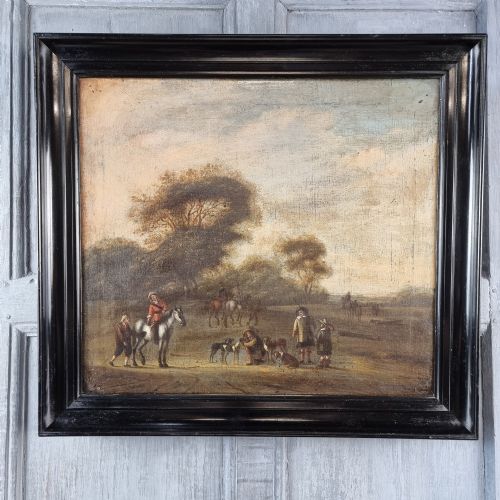
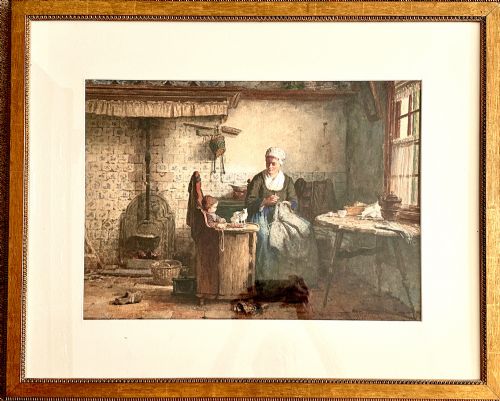
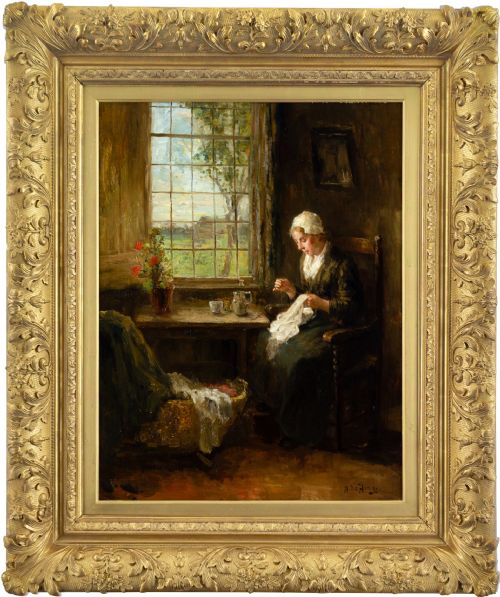
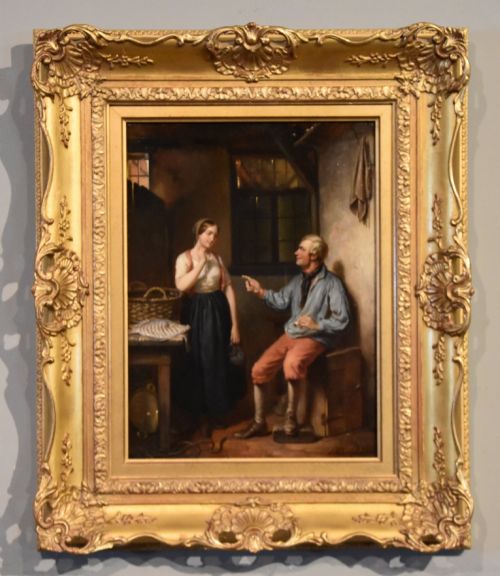
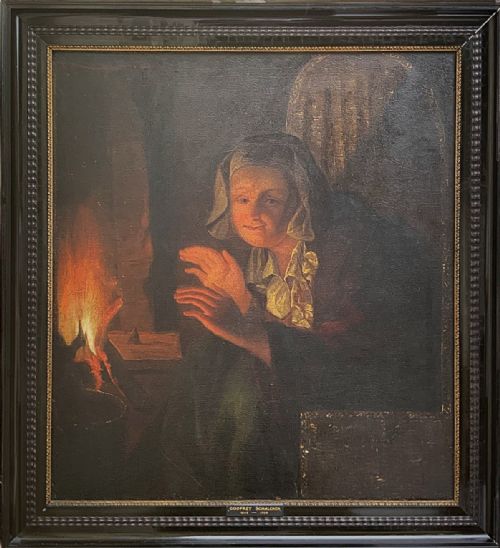
When you search for an antique dutch scene painting, you enter a visual record that spans from the seventeenth century through to the middle of the twentieth century. These works depict everyday domestic interiors, figures gathered in taverns, frozen winter landscapes with windmills, and coastal marine views.
The pieces on this page are most frequently nineteenth-century interpretations of the Dutch Golden Age, alongside actual seventeenth-century works and later twentieth-century impressions. Painters worked in oils and occasionally watercolours, capturing the shifting light over flatlands and canals with remarkable fidelity.
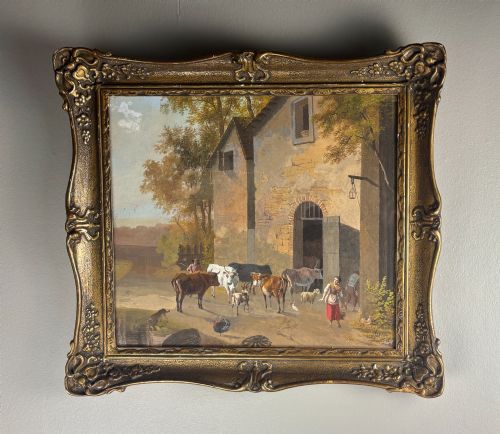
Subjects range from grand historical genres to humble genre scenes of spinner ladies, children playing, and musicians performing indoors or outdoors. Each canvas or wood panel acts as a window into historical Netherlands daily life, shaped by specific regional painting traditions.
How these paintings were made
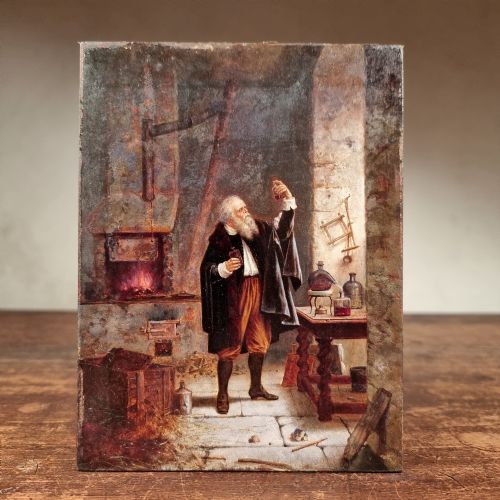
Artists painted primarily with oil paint on stretched canvas, oak wood panels, and occasionally copper or tin supports. Wood panels often received a preparatory ground layer before the application of pigments, providing a rigid surface for fine brushwork in interior scenes.
Framing played an integral role in presentation, with works frequently housed in period giltwood frames, some featuring elaborate leaf-cast ornamentation. Watercolours on paper were executed with transparent washes, capturing atmospheric weather along rivers and coastal markets.
The listings feature works spanning the 17th Century, 18th Century, 19th Century, and 20th Century.
What varies in quality across these works
Quality rests upon the subtlety of light handling and the precision of draughtsmanship within the figures and architecture. Master works capture atmospheric depth in winter skies and interior shadows with confident, economical brush strokes rather than heavy layering.
The integrity of the original support panel or canvas heavily influences value, alongside the presence of period framing that complements the period style. Works bearing authentic signatures or originating from established artistic circles show superior composition and pigment preservation.
David Teniers The Younger·Hendrik Valkenberg·Bernard De Hoog·Jacob Akkersdijk·Godfried Schalcken·Abraham Hulk I·Thomas Bush Hardy·Cornelis Christian Dommersen·Willem Anton Alexander Knip·Jan Evert Morel·William Raymond Dommersen
The Antique Dutch Scene Painting Glossary
- Genre painting
- A style of art depicting scenes from everyday life, such as domestic interiors, tavern gatherings, and market activities. These works focus on ordinary people engaged in common daily tasks.
- Wood panel
- A rigid support base made from timber, frequently oak, used by artists before canvas became dominant. Panels provide a smooth, stable surface for detailed seventeenth-century and nineteenth-century cabinet paintings.
- Dutch Golden Age
- A period in seventeenth-century Netherlands history marked by immense artistic achievement and trade dominance. Artists during this era established enduring conventions for landscape and interior painting.
- Tavern interior
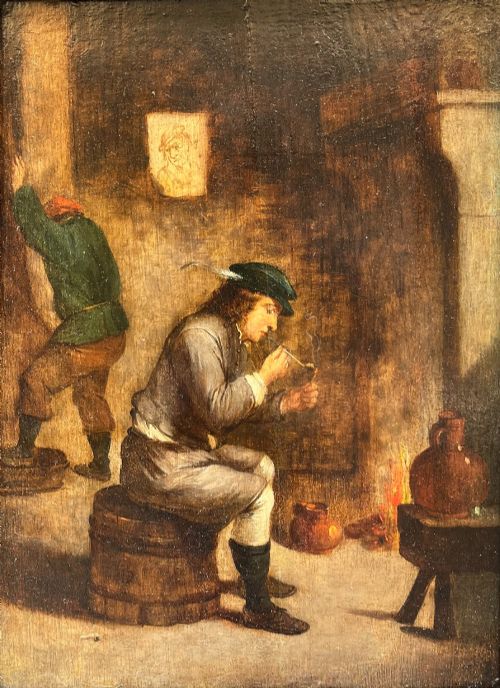
- A common compositional setting showing figures drinking, smoking, or conversing in a public house. These indoor scenes allowed painters to study dramatic chiaroscuro and human expression.
Antique Dutch Scene Painting: Frequently Asked Questions
What is a genre painting?
A genre painting depicts ordinary people engaged in daily activities, such as working, drinking in taverns, or managing a household.
These works provide historians with visual records of clothing, domestic objects, and social habits from past centuries.
Why were wood panels used instead of canvas?
Wood panels offered a completely rigid and smooth surface that allowed artists to apply minute, highly detailed brushwork without the flex of woven fabric.
Many early works utilised oak panels prepared with a gesso ground to hold luminous oil glazes over long periods.
How can I tell a seventeenth-century piece from a nineteenth-century copy?
Distinguishing periods requires examining the preparation layers of the panel or canvas, the ageing of the oil paint pigments, and the specific manner of brush application.
Nineteenth-century artists frequently painted in the manner of earlier masters, adopting seventeenth-century subject matter while retaining the technical palette of their own era.
How should I display an antique oil painting?
Antique paintings require stable indoor environments away from direct sunlight, high humidity, and rapid temperature fluctuations that can crack wood panels or canvas.
Allow natural ambient light to illuminate the surface without exposing the pigments to harsh ultraviolet rays over extended hours.