
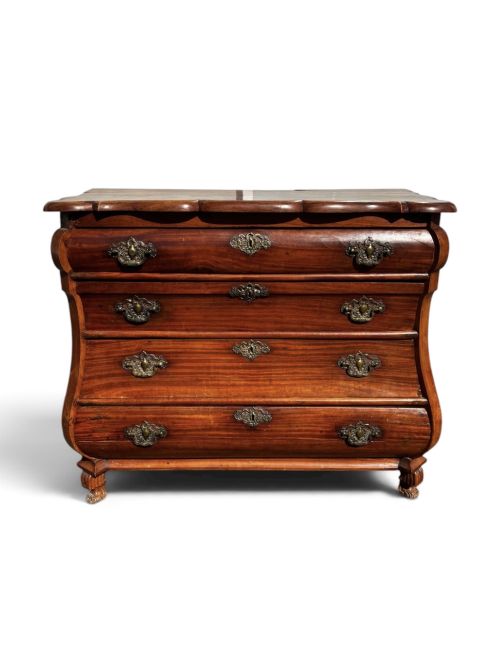
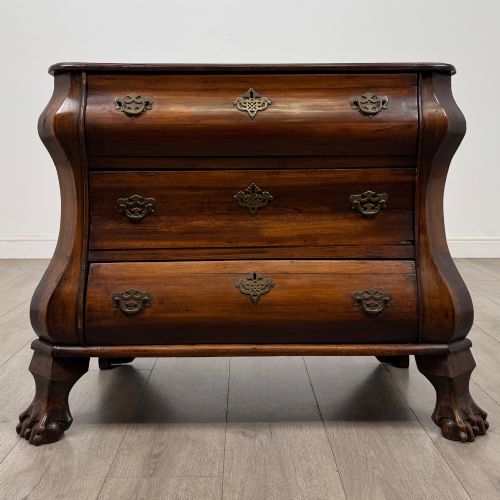
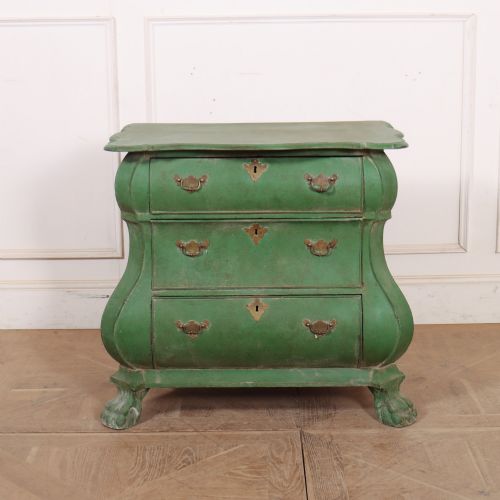
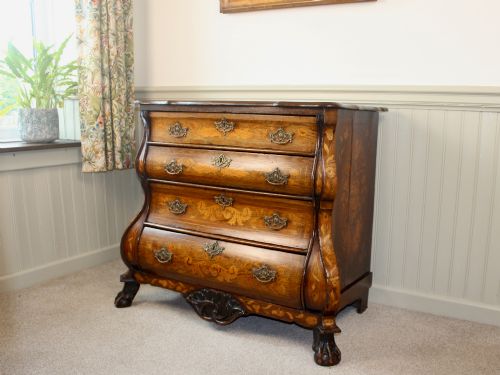




Antique Dutch Commode
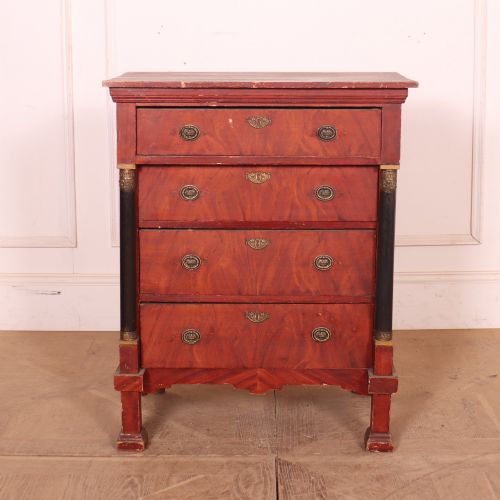
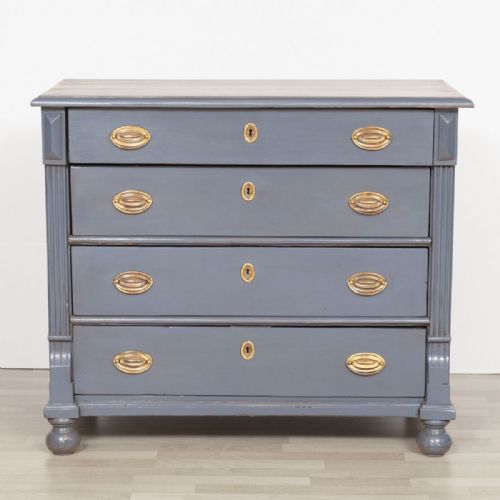
These heavy drawer units are the antique dutch commode pieces that bring rich timber movement and deep serpentine curves into a room.
What They Are
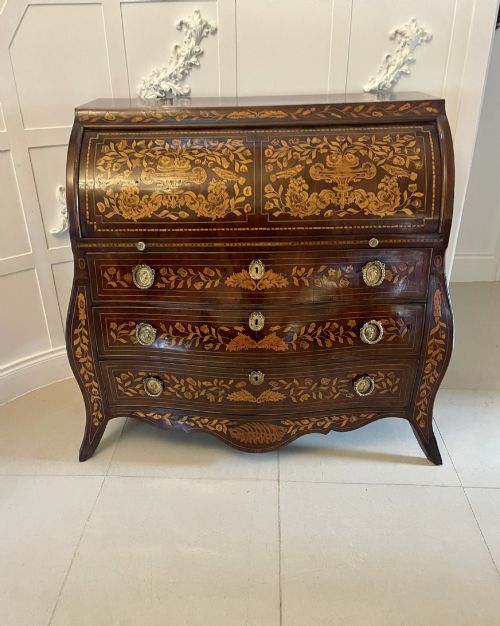
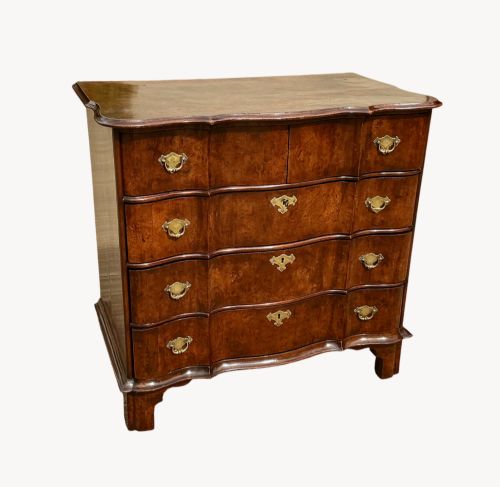
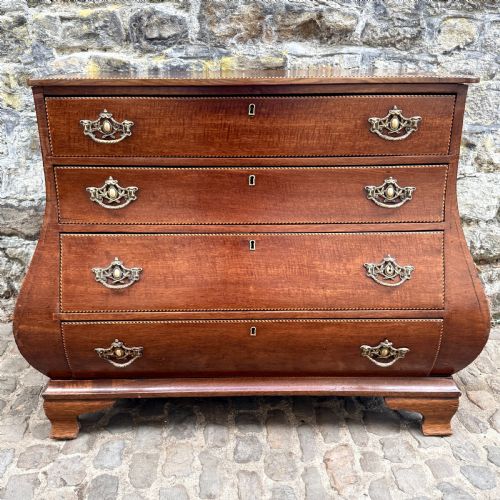
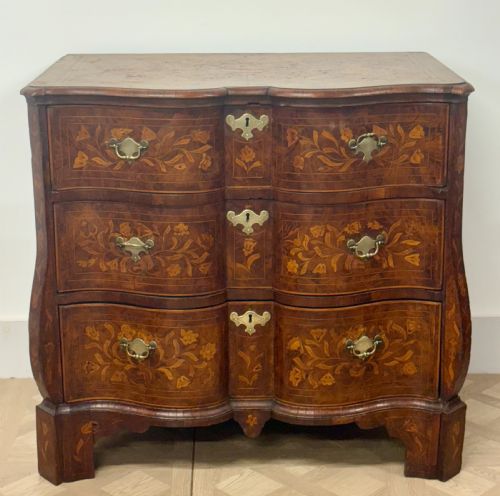
An antique dutch commode is a sturdy chest of drawers built with distinct continental proportions and generous storage capacity. The selections on this page span the eighteenth century, nineteenth century, and Victorian eras, taking the form of traditional chests of drawers and dramatic bombe silhouettes.
Makers shaped these chests in several distinct styles including Dutch Baroque, Dutch Rococo, Dutch Neoclassical, and Dutch Rococo Revival. Buyers frequently encounter pieces displaying flat fronts alongside the heavily swelling outlines typical of bombe designs.
How They Were Made
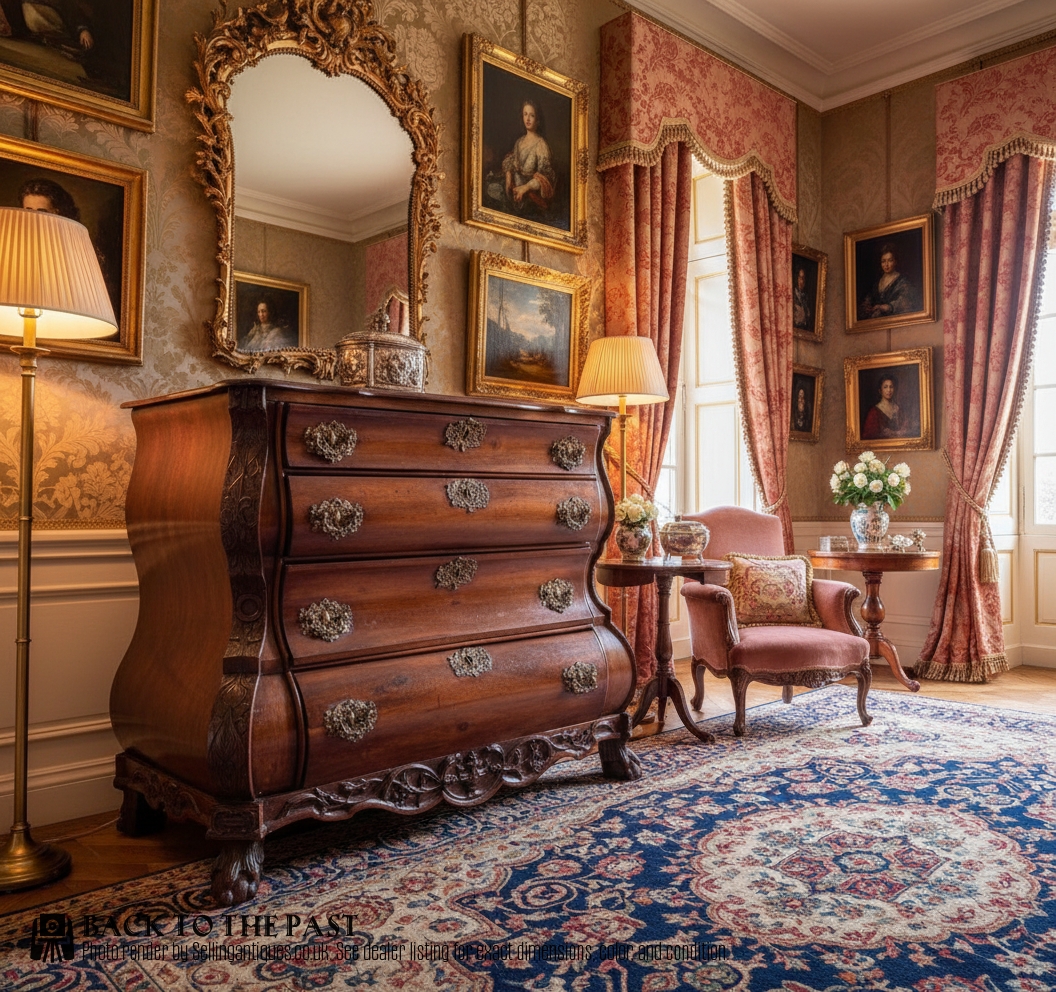
Cabinet makers built these pieces using dense woods such as mahogany, rosewood, oak, pine, and olive wood, frequently incorporating elaborate marquetry and burr walnut veneers. Structural framing often relied on oak or pine, while exterior surfaces showcased the rich grain patterns of choice imported timbers.
Details were completed with cast brass hardware and occasionally topped with marble surfaces. Painted wood and plain paint finishes also appear across the surviving pieces, offering alternative surface treatments to the polished timber.
Retail Price Guide 2026
Typical UK retail prices for dutch commode, calculated from the Sellingantiques database of over a million retail prices indexed since 2003. This retail price guide relies exclusively on Sellingantiques data; no external sources or auction records are used, so the figures do not describe the wider market.
Listings feature pieces spanning the eighteenth and nineteenth centuries, incorporating styles from Dutch Baroque to Neoclassical.
What Varies in Quality
The sophistication of the timber work and the complexity of the veneer layout define the upper tier of these chests. Finely executed marquetry patterns and well-matched burr walnut or olive wood veneers separate exceptional examples from simpler painted or plain mahogany carcases.
The integrity of the serpentine or bombe shaping dictates the visual success of the piece. Superior examples maintain crisp lines along swelling drawer fronts and harmonious proportions across the entire timber frame.
The Antique Dutch Commode Glossary
- Bombe
- A swelling, bulging contour found on the front and sides of furniture chests. This undulating profile requires advanced cabinet making skill to execute successfully in solid timber and veneer.
- Marquetry
- Decorative patterns formed by inlaying small pieces of wood veneer into a background panel. Artisans use varied timber tones to create intricate floral or geometric designs.
- Block front
- A furniture front divided vertically into three sections, with the central section recessed and the outer two projecting forward. This architectural treatment adds depth to nineteenth century chests.
- Secret drawers
- Concealed compartments built into the upper sections of case furniture, often hidden behind decorative moulding or false drawer fronts. These compartments required clever internal joinery.
Frequently Asked Questions
What is an antique Dutch commode?
An antique Dutch commode is a continental chest of drawers featuring robust construction and distinctive regional styles like bombe shaping or marquetry inlay.
These pieces served primarily as storage furniture in domestic interiors, combining deep drawer capacity with decorative presence.
How do I identify a bombe chest?
A bombe chest is easily recognised by its convex, bulging sides and drawer fronts that curve outward dramatically.
This distinct silhouette sets it apart from straight sided chests and is a defining feature of eighteenth and nineteenth century Dutch design.
What woods were used in Dutch commodes?
Cabinet makers utilised a variety of timbers including mahogany, rosewood, oak, pine, olive wood, and burr walnut.
Many of these woods were highlighted with complex marquetry patterns or left with painted finishes depending on the period style.
How do I style a Dutch commode at home?
These chests function well as focal storage pieces in living rooms, hallways, or bedrooms where their substantial forms can be appreciated.
Their rich wood grains and marble or timber tops provide a strong surface for lamps, mirrors, or decorative objects.