



Antique Duet Music Stand
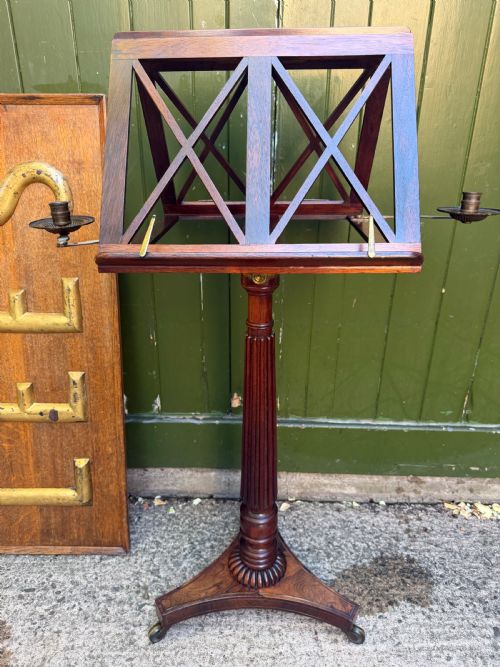
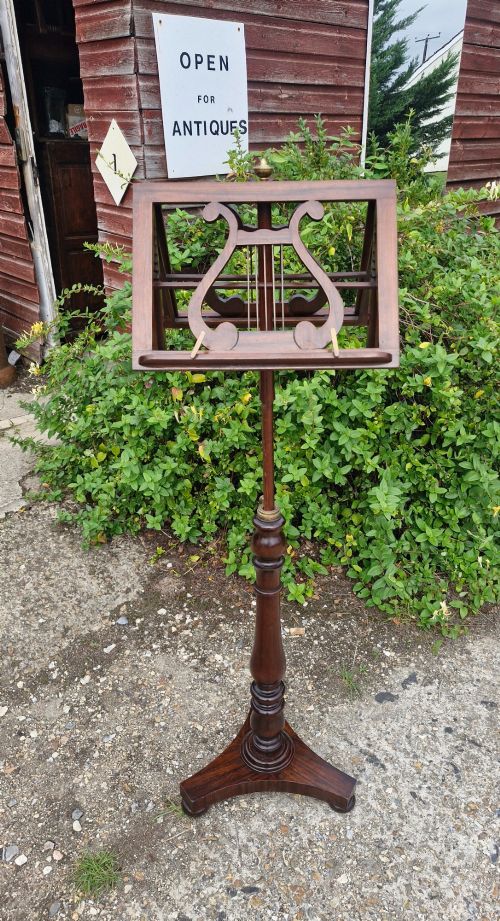
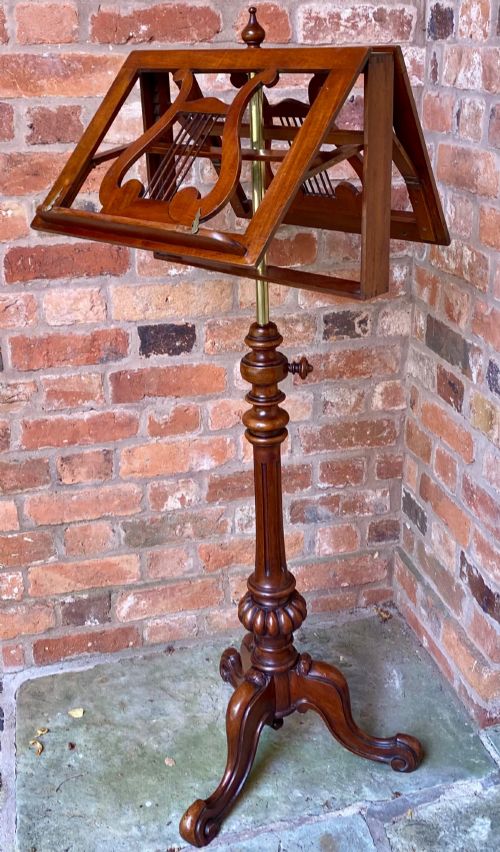
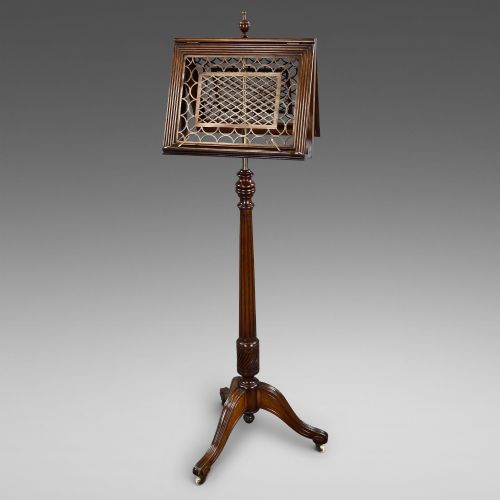
An antique duet music stand holds scores for two musicians to read together, bringing architectural wood and brass into a room.
Antique Duet Music Stand
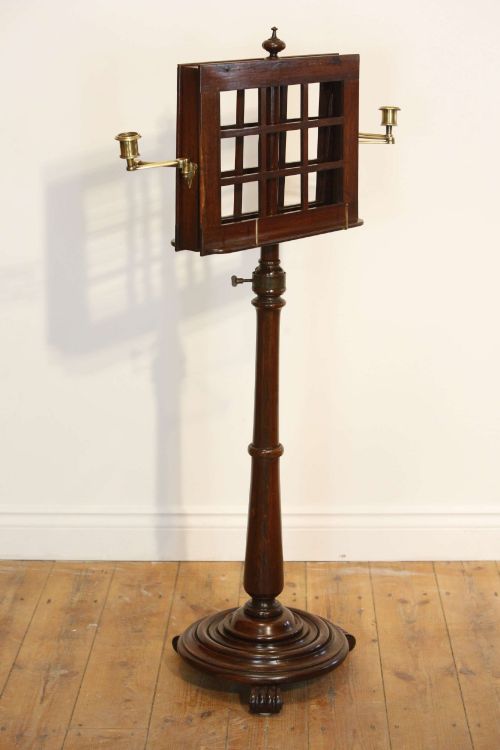
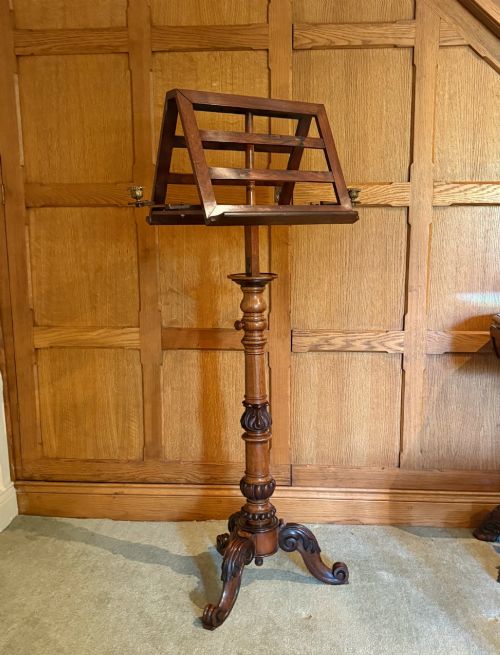
An antique duet music stand provides dual reading surfaces for two musicians to share a single book or separate scores simultaneously. These pieces appear across several periods, most frequently in mahogany, rosewood, walnut, and oak.
The form ranges from formal tripod bases to adjustable reading tables and lecterns designed for domestic performance. Most examples encountered on this page date from the Georgian, Regency, and Victorian eras.
Makers fashioned these stands with folding desks, brass fittings, and column supports to accommodate the practical needs of nineteenth-century drawing rooms.
Materials and construction
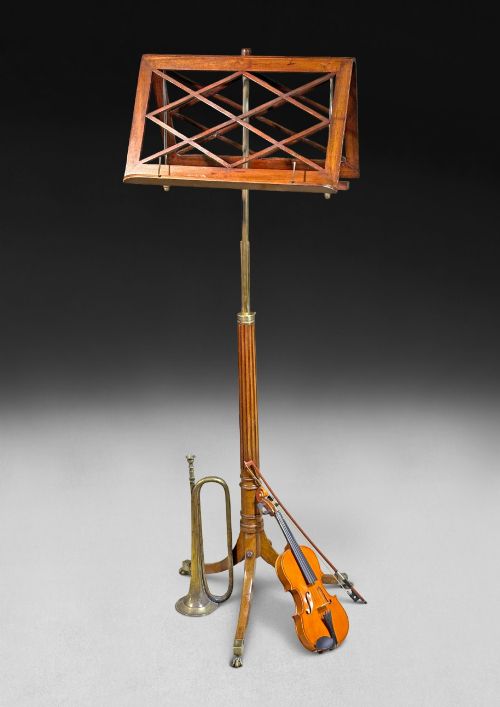
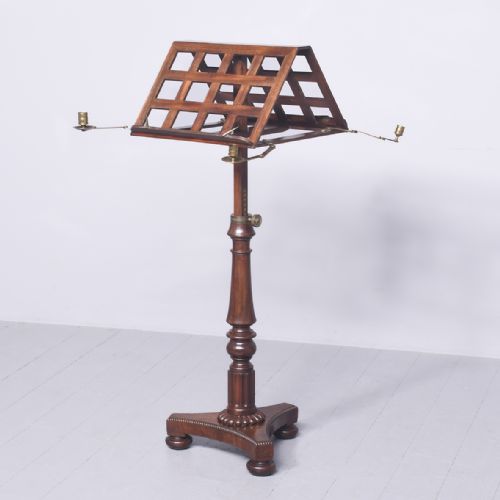
Cabinetmakers utilised dense timbers like mahogany, rosewood, and burr walnut to build stable pillars and tripod bases that could support heavy bound folios. Brass components, including tightening screws and adjustable hinges, allow the desks to pivot and lock into position.
Inlaid satinwood details and fretted woodwork appear on select surfaces, showing the decorative ambition of nineteenth-century workshops. Turned columns and carved tripod legs distribute weight evenly beneath the double desks.
Antique Duet Music Stand Retail Price Guide 2026
Typical asking prices for duet music stand among the pieces listed under this phrase on Sellingantiques today, from the lower quarter to the upper quarter. They describe what is for sale here now, not the wider market.
Several stands double as reading tables, proving that nineteenth-century musicians occasionally needed a place to put their tea.
Distinctions in quality
The refinement of the adjustment mechanism distinguishes standard production from superior examples, particularly where brass screws and ratchets operate with smooth precision. Timber selection also defines the tier, with figured burr walnut and rich rosewood marking out more ambitious commissions.
Proportion and carving detail on the pillar and base separate straightforward utility stands from pieces bearing sophisticated cabinet work. The integrity of the folding desk hinges and the crispness of any fretted fretwork indicate the maker's original investment of time.
GillowS·Swann & Millican
The Antique Duet Music Stand Glossary
- Duet stand
- A music stand featuring two separate reading desks or a double-sided surface designed for two performers. These objects often incorporate adjustable heights and folding mechanisms.
- Tripod base
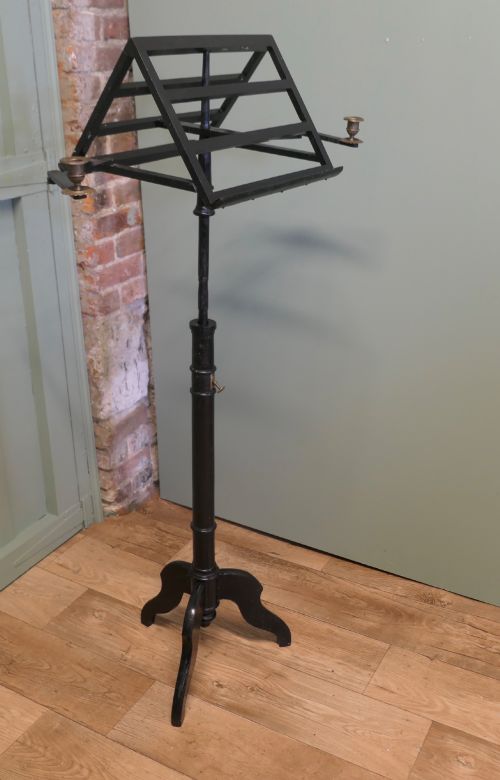
- A three-legged support structure commonly found beneath nineteenth-century stands to ensure stability on uneven floors. This configuration allows the pillar to remain vertical while distributing weight.
- Lyre
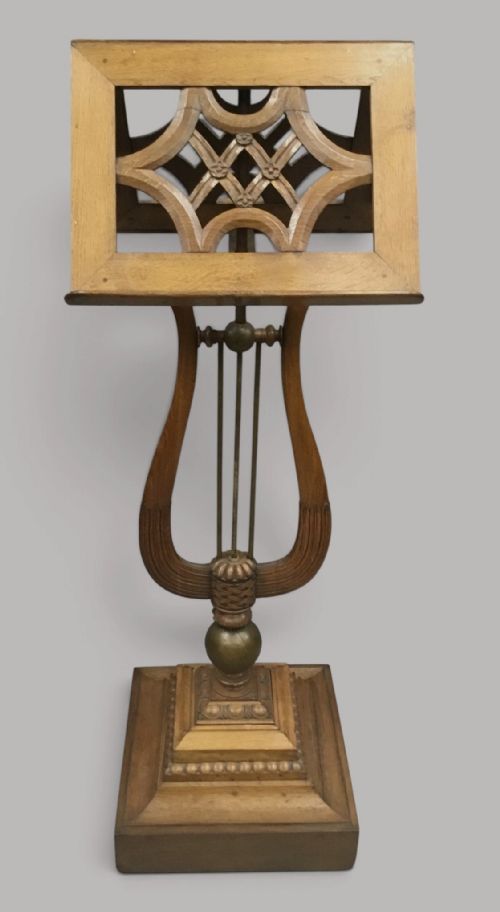
- A decorative motif shaped like an ancient stringed instrument, frequently utilised in the openwork design of music stand pedestals. Cabinetmakers carved or cast this form in wood and brass.
- Folio
- A large book or collection of unbound sheets designed to rest upon the reading ledge. Stands adapted for folios typically feature wider ledges and heavier support frames.
- Lectern
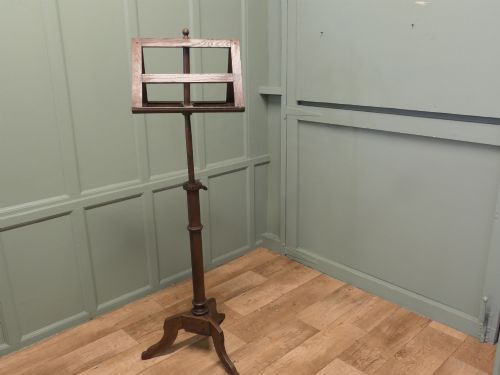
- A standing desk designed to hold large volumes at a reading angle. Country versions in oak often served both domestic study and musical performance.
Antique Duet Music Stand: Frequently Asked Questions
How do you adjust the height?
Most stands utilise a brass thumbscrew or collar on the central pillar to release the inner sliding rod. Tightening the screw secures the desk at the desired elevation for sitting or standing.
Older mechanisms rely on wooden pegs or ratchets hidden within the column. Care should be taken to support the weight of the desk while loosening the fitting.
Can you use them as reading tables?
Certain dual-purpose models feature flat table surfaces alongside adjustable reading slopes. These variants function effectively as bedside tables or book stands in modern interiors.
Standard duet stands with steep fixed ledges are better suited for displaying open books or sheet music rather than writing.
How do I care for the timber?
Polished mahogany, rosewood, and walnut require minimal maintenance beyond dusting with a dry cloth. Avoiding direct sunlight and sudden temperature shifts protects the polish and prevents wood splitting.
Applying occasional wax preserves the grain without building up heavy residue on carved details or brass mounts.
What woods were used?
Makers selected dense hardwoods capable of supporting heavy music desks without warping. Mahogany and rosewood dominate the Regency and Victorian pieces.
Walnut, burr walnut, and oak appear frequently in country and mid-nineteenth-century examples, sometimes accented with satinwood inlay.