
Antique Dresser with Drawers
An antique dresser with drawers brings centuries of utilitarian craftsmanship into a room, offering generous storage through fitted timbers.
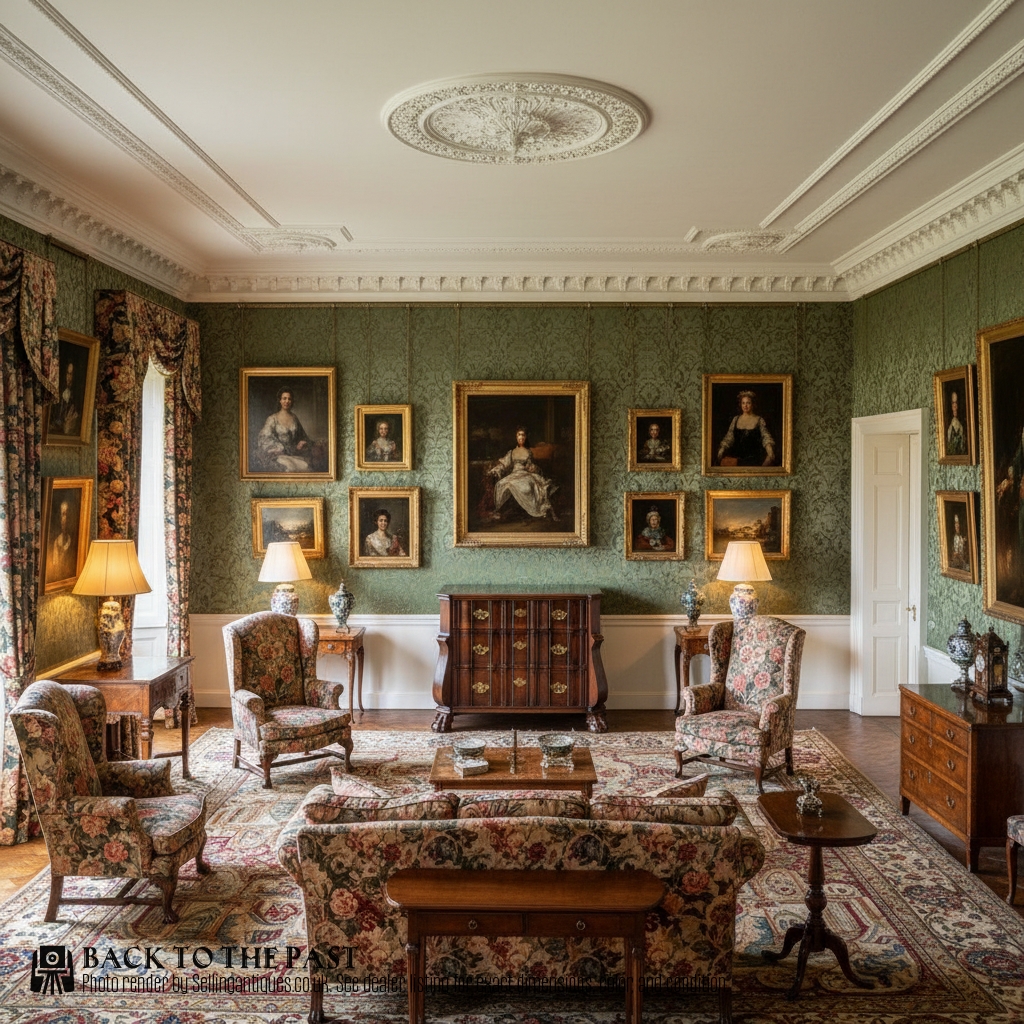
Antique Dresser with Drawers
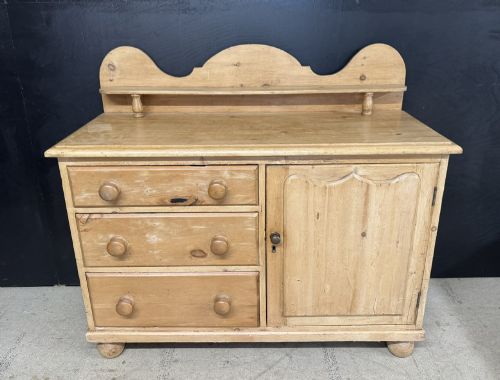
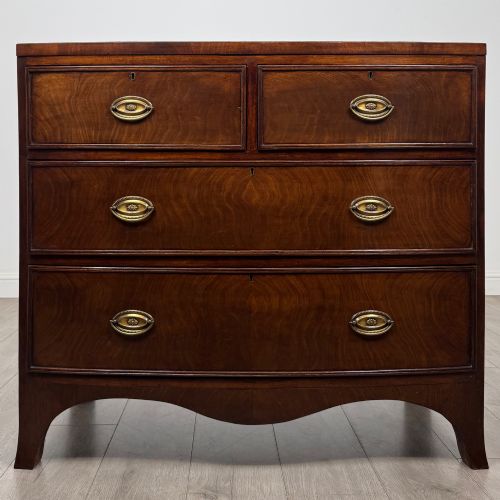
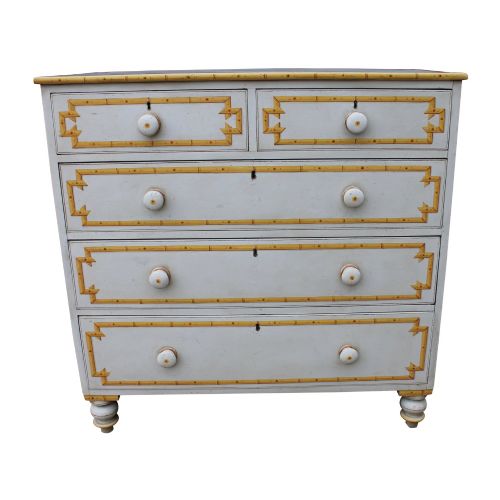
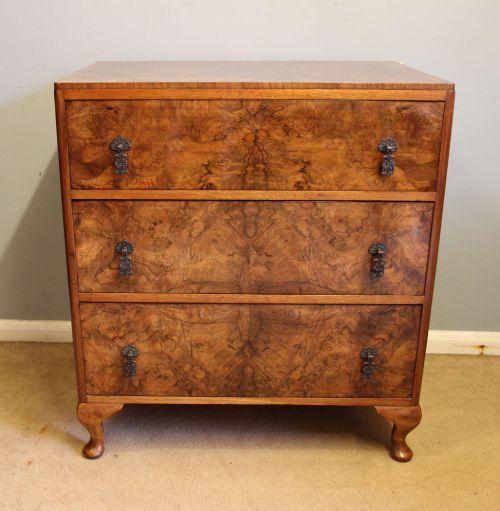
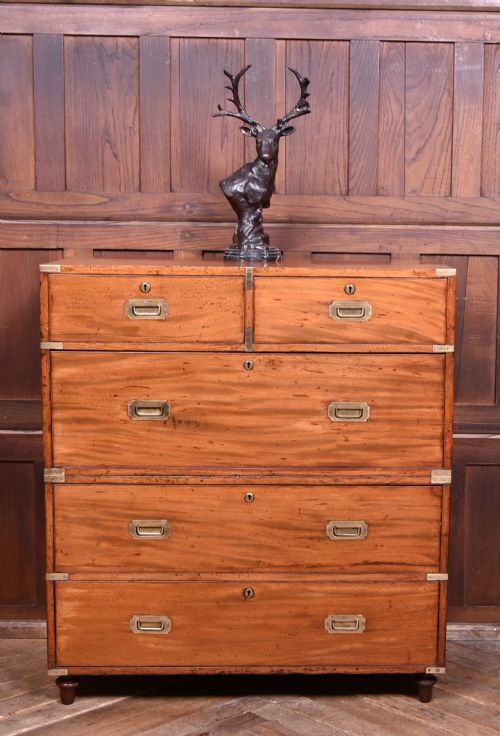
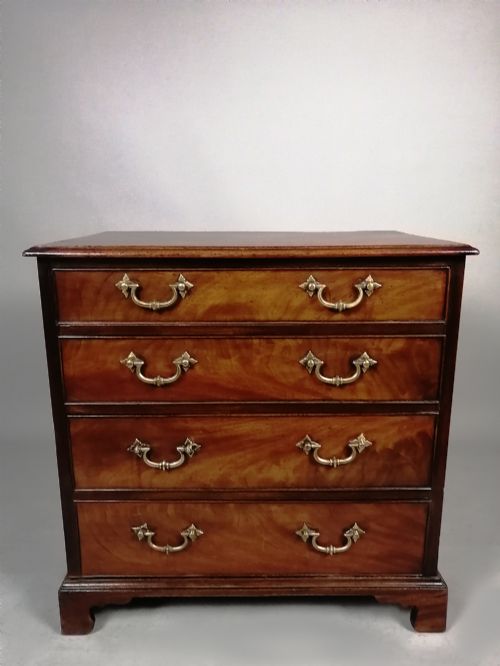
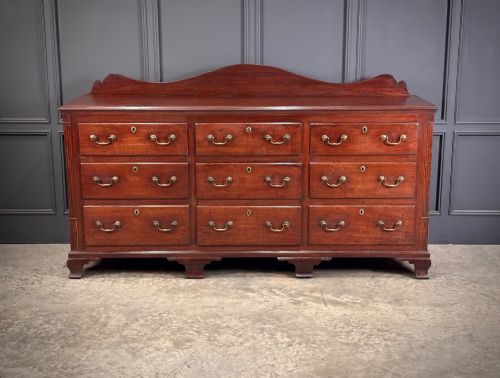
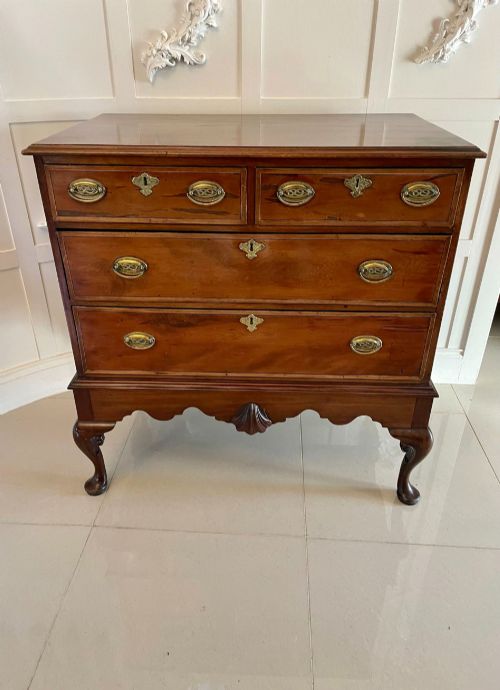
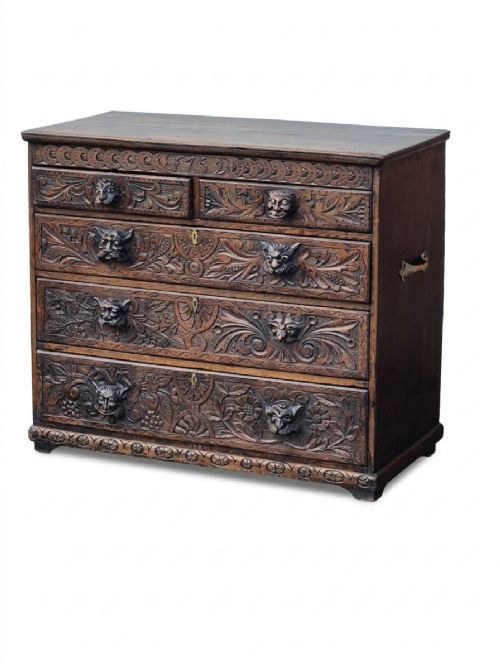
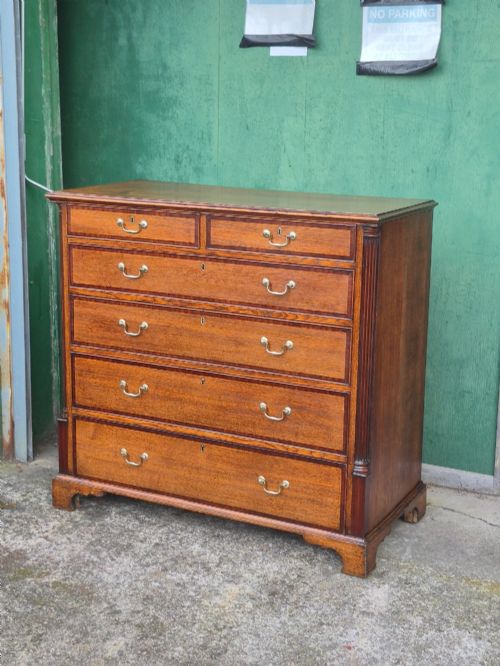
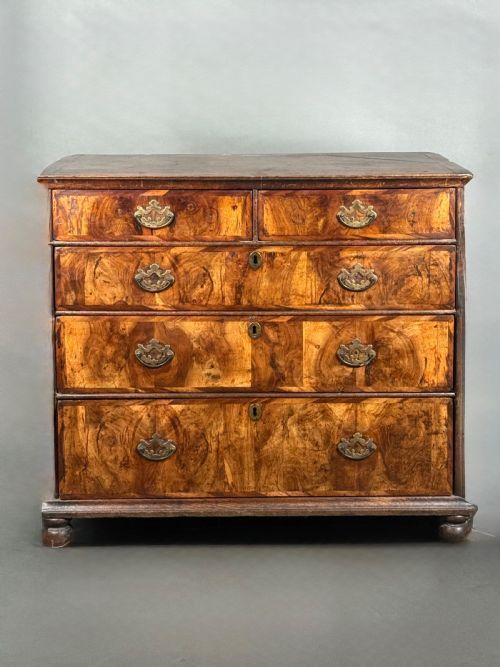
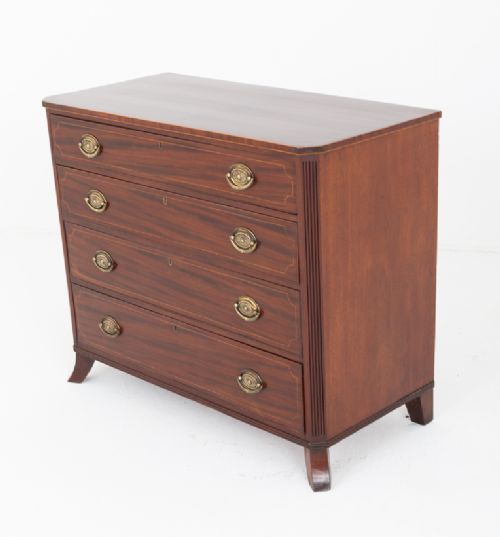
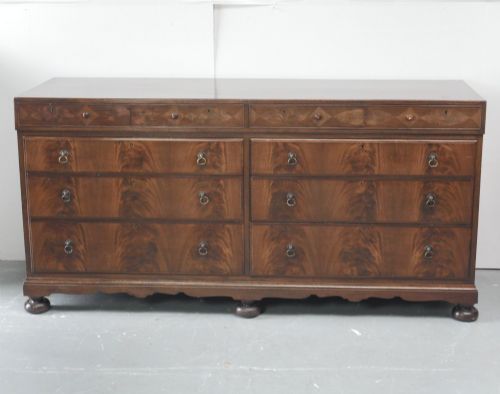
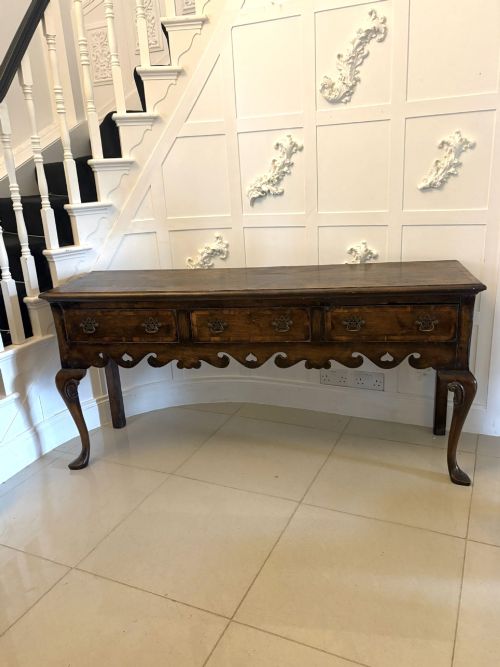
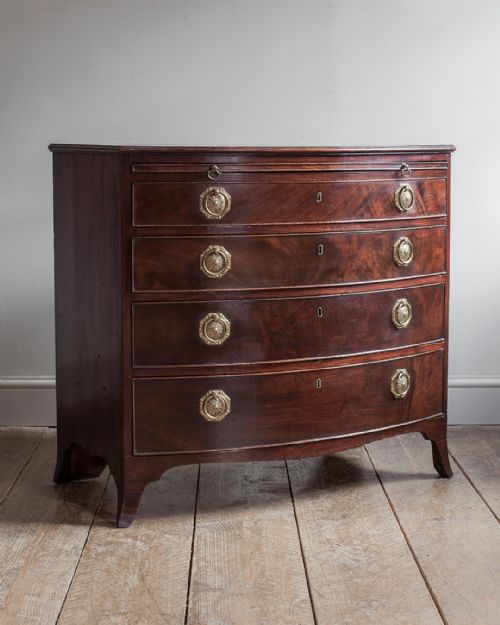
An antique dresser with drawers typically manifests as a sturdy kitchen dresser base, a potboard dresser, or a formal mahogany chest of drawers.
Buyers encounter solid oak and pine country pieces alongside refined Georgian and Victorian designs shaped by regional workshops.
The phrase encompasses both kitchen furniture intended for domestic service and formal living space sideboards with integrated drawer compartments.
Materials and construction
Cabinet makers relied primarily on oak, pine, and mahogany, often pairing denser hardwoods for frames with softer timbers for internal linings.
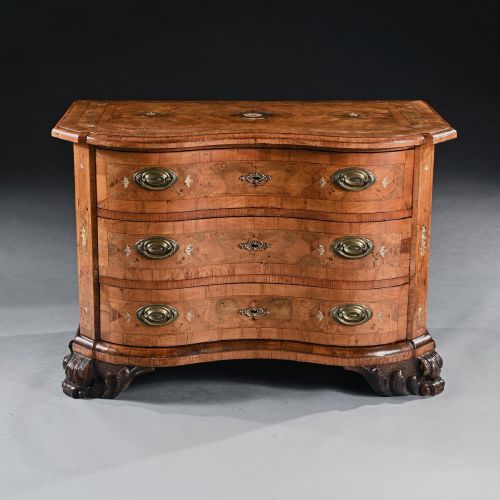
Surface detailing frequently incorporated brass handles, glass elements, marble tops, and decorative inlay such as crossbanding or parquetry.
Joinery techniques tied timber sections together securely, allowing large pieces to withstand generations of heavy daily use.
Certain chests conceal secret drawers designed to keep small valuables out of sight.
Evaluating standard and finish
Quality rests upon the crispness of the timber's grain, the integrity of the original hardware, and the preservation of the surface finish.
Superior examples maintain structural stability without heavy timber replacement, showing honest signs of age rather than aggressive modern restoration.
The Antique Dresser with Drawers Glossary
- Potboard
- An open lower shelf fitted beneath a dresser base, traditionally used for displaying heavy earthenware or storage crocks.
- Brushing slide
- A pull-out shelf integrated into the upper drawer section of a chest of drawers, used for folding clothes or writing.
- Crossbanding
- A decorative border of veneer laid across the grain of the primary wood to frame drawer fronts or tabletops.
- Parquetry
- Geometric wood inlay work arranged in patterns, frequently seen on continental commodes and formal cabinets.
- Serpentine
- A gently undulating curved front line characteristic of refined 18th-century case furniture.
Antique Dresser with Drawers: Frequently Asked Questions
What is a potboard dresser?
A potboard dresser is a specific form featuring an open slatted or solid board near the floor beneath the main drawer section. This lower shelf provided practical storage for kitchen pots and pans in traditional homes.
Over time, these pieces transitioned from utility spaces into principal rooms, retaining their characteristic lower platform as a hallmark of early oak country furniture.
How do I date an antique chest of drawers?
Dating relies on observing timber choices, handle styles, construction methods, and overall proportions. Georgian and earlier pieces frequently show hand-cut dovetails and native oak or mahogany construction.
Later Victorian and Edwardian examples often incorporate machine-sawn elements, standardised brassware, and pine interiors that distinguish them from 18th-century production methods.
Were pine dressers used in kitchens?
Pine dressers served as primary utilitarian furniture in domestic kitchens and sculleries for food preparation and storage. Their waxed or scrubbed pine surfaces were built to endure heavy daily chores.
Today, these pieces bring rustic warmth to modern interiors while continuing to provide deep drawer space and surface utility.
What is a brushing slide?
A brushing slide is a pull-out wooden shelf positioned directly above the top drawers of formal chests. Gentlemen used them to inspect fabrics or handle garments without opening the main drawers.
They appear primarily on 18th-century mahogany and walnut case pieces built for domestic bedchambers.