


Antique Dresden Ceramic
These antique dresden ceramic pieces bring continental porcelain figures, urns and mirrors into your interior with distinct rococo flair.
Antique Dresden Ceramic
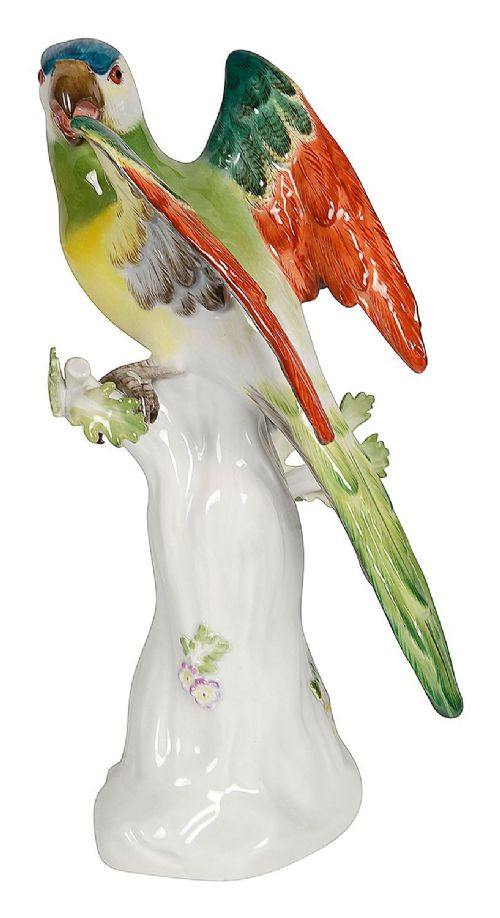
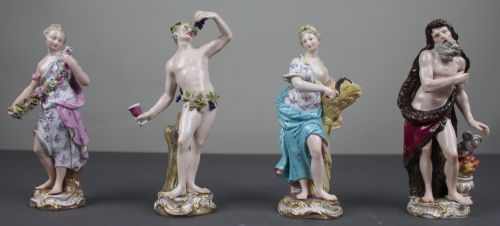
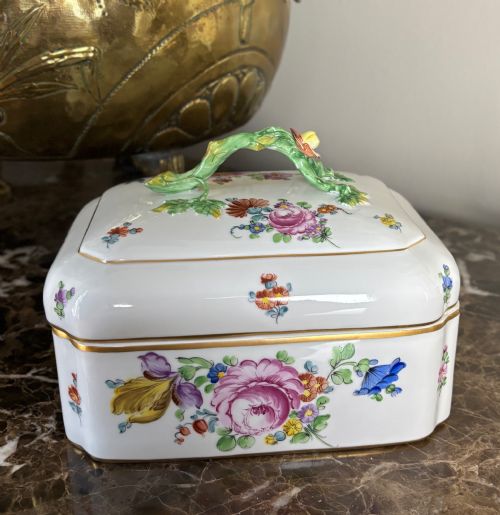
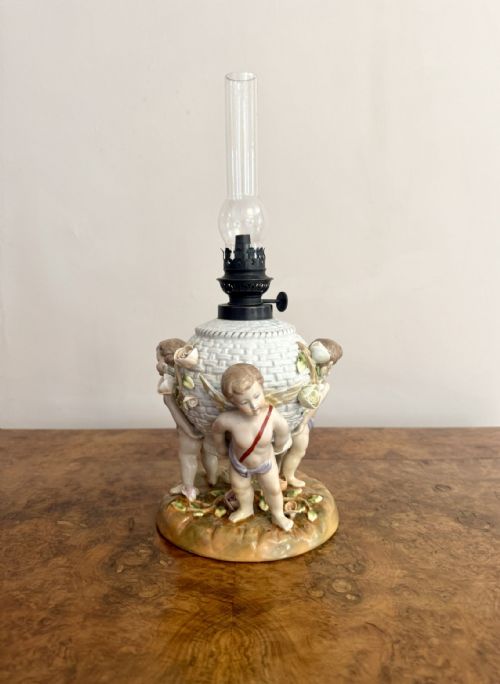
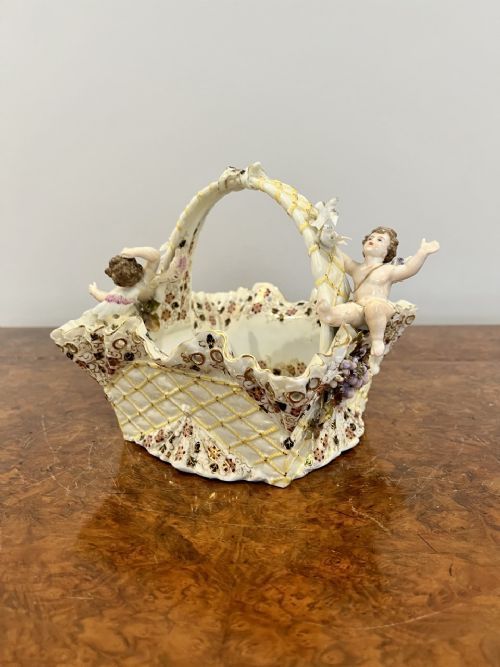
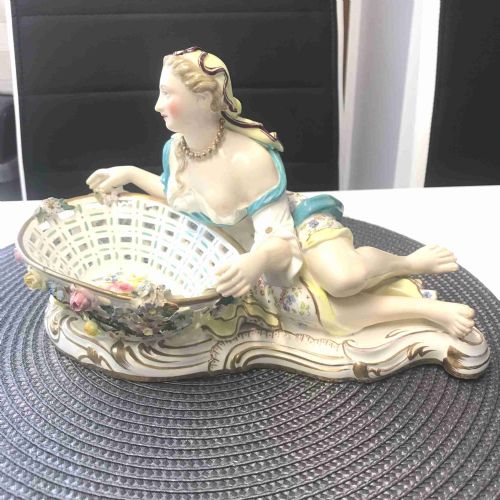
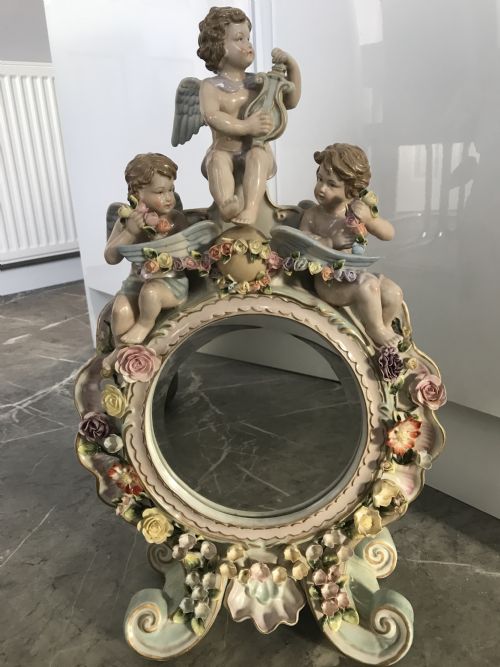
When you search for antique dresden ceramic, you encounter a varied selection of European decorative objects created primarily during the nineteenth and early twentieth centuries. The inventory spans elaborate table centrepieces, figural groups, oil lamps and dressing table mirrors that reflect historical continental styles.
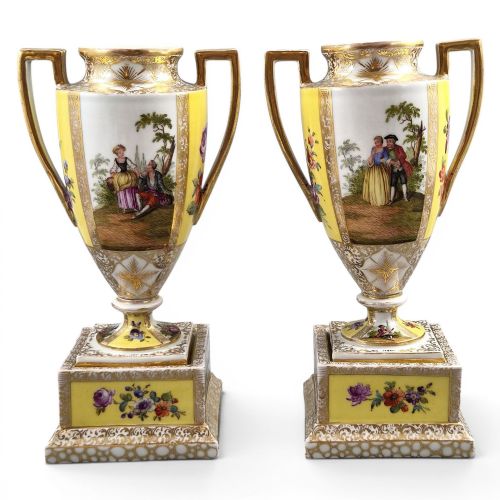
The objects most frequently met on this page originate from German porcelain factories and workshops operating in the Victorian and Edwardian eras. These pieces often incorporate elaborate figural modelling, applied flowers and painted pastoral scenes inspired by earlier eighteenth-century traditions.
How They Were Made
These works utilise hard-paste porcelain shaped through detailed moulding and hand-modelling techniques. Artisans applied delicate porcelain lace, dimensional floral encrustrations and sculptural putti to the bodies before firing.
Decoration relied heavily on hand-painting using enamel colours alongside gold leaf, gilt and gilding details. Many items incorporated brass mounts, glass components or easel backs to support mirrors and lamps.
Materials documented across the listings include hard-paste porcelain, enamel, gold leaf, brass and glass.
What Varies in Quality
Quality rests upon the crispness of the modelling and the precision of the hand-painted details across the porcelain surface. Superior examples exhibit finely rendered facial expressions, deeply undercut foliage and carefully applied applied flowers rather than heavy, thick casting.
The ambition of the form also dictates the tier of the piece, distinguishing standard decorative wares from large, multi-figural centrepieces or complex lamps. Gilding execution and the preservation of delicate elements like lace drapery further separate ordinary output from masterworks.
Meissen·Sitzendorf·Helena Wolfsohn·Bourdois and Bloch·Volkstedt·Paul Muller Selb·Carl Thieme·Schierholz·Ernst Bohne Sohne
The Antique Dresden Ceramic Glossary
- Hard-paste porcelain
- A durable ceramic composition fired at high temperatures, producing a dense, vitreous body. It forms the structural foundation for continental decorative figures and tableware.
- Putti
- Depictions of plump, winged infant figures frequently used as decorative motifs in rococo and nineteenth-century german porcelain. They populate centrepieces, candelabra and mirror frames.
- Enamel
- Vitrified glass paste applied to porcelain surfaces as colour decoration before firing. This material provides the vibrant hues seen on floral motifs and garments.
- Gilding
- The application of gold leaf or gold paint to ceramic highlights. It accentuates borders, scrolls and architectural elements on urns and mirrors.
- Potpourri
- A lidded vessel designed with pierced openings to diffuse scented dried plant materials. These bowls often feature painted pastoral scenes and applied floral ornamentation.
Antique Dresden Ceramic: Frequently Asked Questions
What is antique dresden ceramic?
Antique dresden ceramic refers to porcelain figures, mirrors, urns and centrepieces produced in Germany during the nineteenth and early twentieth centuries. The term often encompasses output from various Saxon factories working in decorative rococo and neoclassical styles.
These pieces are celebrated for intricate hand-painted details, applied floral motifs and figural groupings that emulate eighteenth-century court aesthetics.
How were these porcelain items used?
Many of these objects served as elaborate decorative centrepieces for dining tables or ornamental accents on mantelpieces and cabinets. Dressing table mirrors and oil lamps combined practical household utility with sculptural artistry.
Wealthy households displayed figural groups, urns and lidded bowls in salons and boudoirs to showcase refinement and taste.
Where were these ceramics made?
The pieces originate primarily from German factories and workshops located in regions such as Saxony and Thuringia. Prominent production centres included Meissen, Sitzendorf, Volkstedt and Plaue.
While some items emerged directly from major state manufactories, others were decorated or produced by independent painting studios like that of Helena Wolfsohn.
How do I care for antique porcelain?
Display these delicate ceramics away from direct sunlight and areas subject to sudden temperature fluctuations. Dust them gently with a soft, dry brush to protect fragile applied lace and petals.
Avoid using water or liquid cleaning agents on gilt surfaces and enamel decorations to preserve the original finish.