
Antique Drawers
These antique drawers are functional timber storage pieces that bring period character and deep craftsmanship into a room.
Antique Drawers
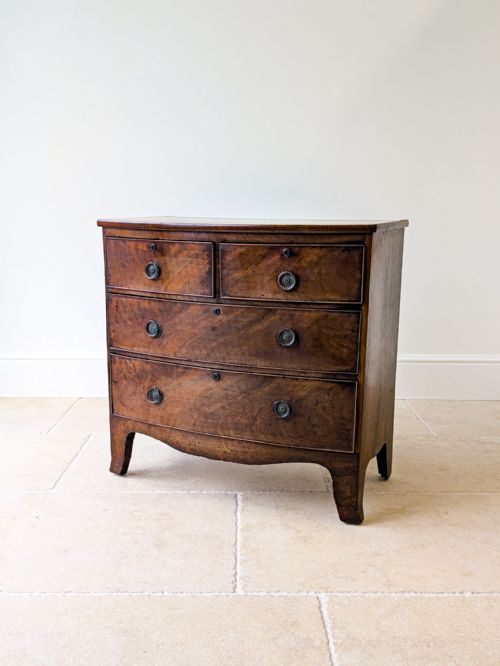
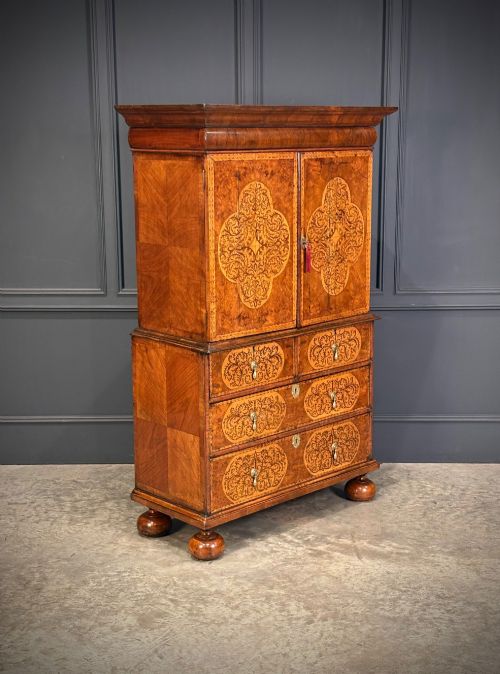
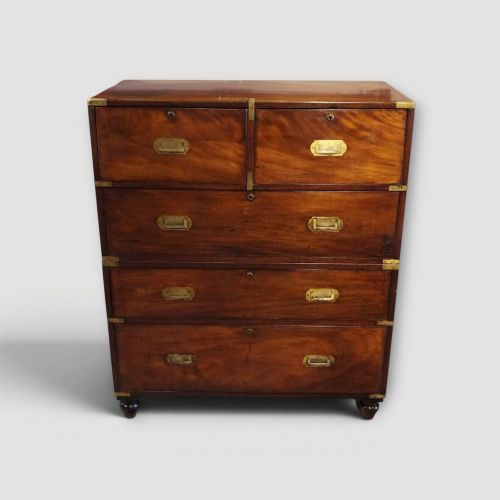
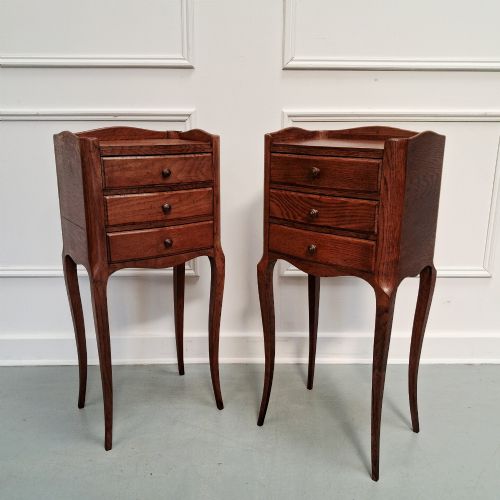
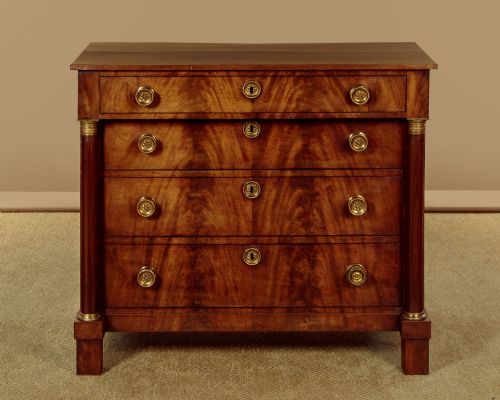
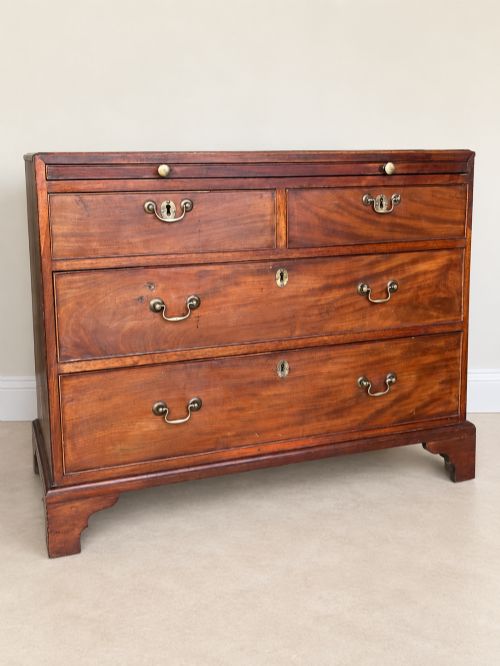
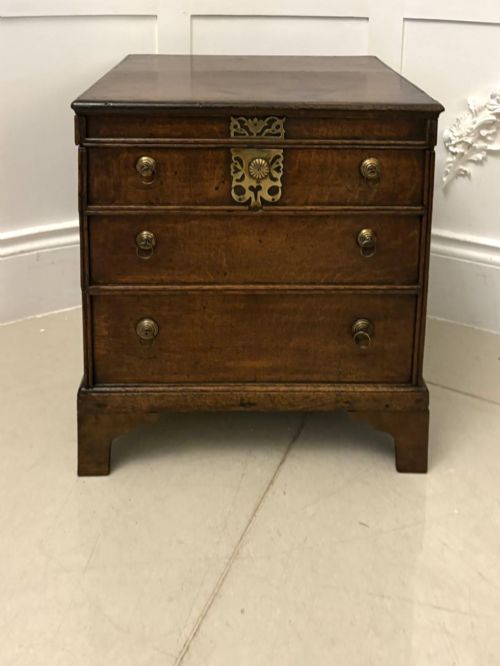
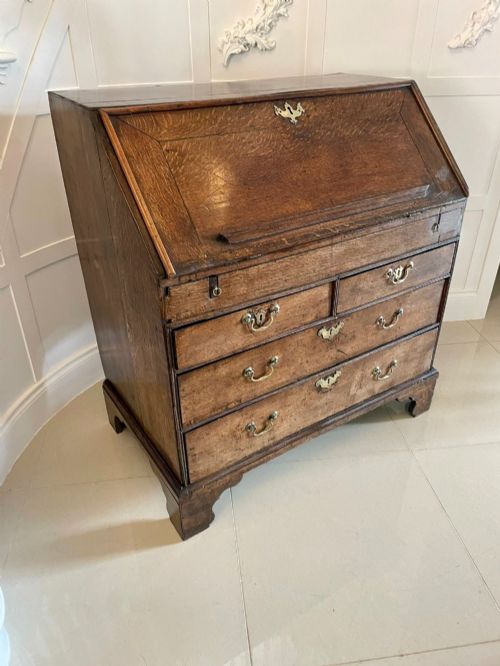
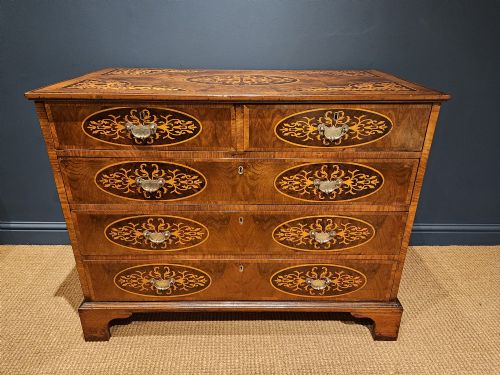
When you search for antique drawers, you find a wide array of timber storage pieces ranging from compact side tables to tall chests and collectors' cabinets. The most common forms on this page are chests of drawers, often featuring multiple graduated tiers or two short drawers over three long ones.
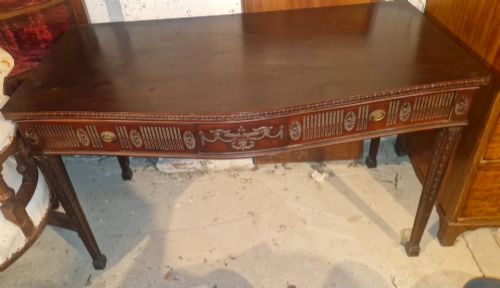
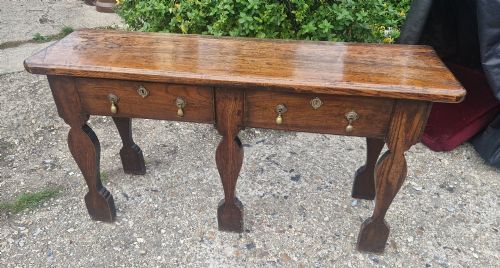
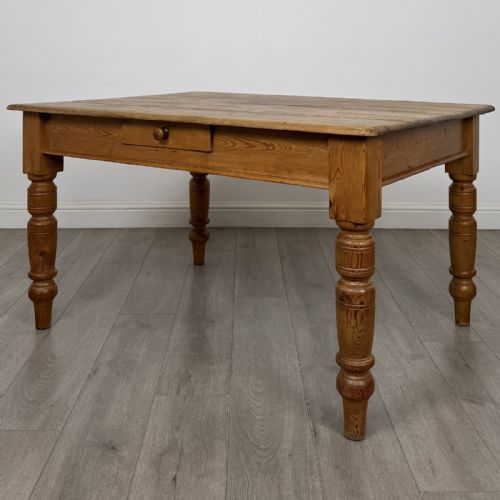
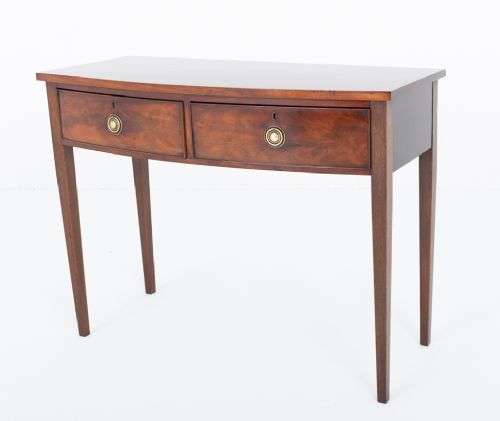
Originating across the 18th century, Victorian, Regency, and Edwardian periods, these pieces reflect the domestic needs of their eras. Alongside traditional chests, you will encounter writing tables, dressing tables, and side tables equipped with functional pull-out storage.
Regional variations and revival styles add further diversity, with styles spanning Georgian, Jacobean Revival, Queen Anne Revival, and Georgian Country. Whether constructed in modest proportions or built as grander architectural items, each piece serves as a practical storage solution with distinct historical provenance.
Materials and construction
Makers relied heavily on solid hardwoods like mahogany, oak, and walnut, frequently selecting figured timbers such as burr walnut for decorative surfaces. Secondary woods like pine and elm appear in structural carcases and regional country pieces, demonstrating traditional timber selection.
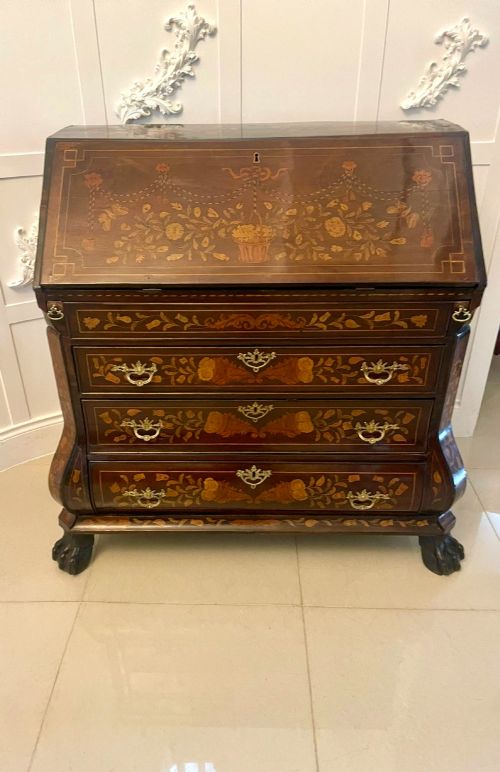
Construction techniques involve dovetail joints for drawer boxes, bracket feet or turned legs for support, and applied brass handles or turned wooden knobs for operation. Decorative flourishes include inlaid stringing, raised galleries, and carved knees on cabriole legs.
Materials recorded across the listings include mahogany, oak, walnut, burr walnut, pine, elm, and brass.
Assessing quality and character
Quality reveals itself in the choice of timber and the precision of the cabinetmaker's joinery, particularly in the tightness of the dovetails and the smooth movement of the drawers. Superior examples display carefully matched grain patterns, especially on burr walnut or mahogany facades.
The sophistication of secondary details such as original brass hardware, inlaid detailing, and well-executed bracket feet elevates a piece. Proportion also matters, as smaller, more compact chests often show finer domestic scale and greater refinement than utilitarian storage.
W Walker and Sons London
The Antique Drawers Glossary
- Bow front
- A convex curved front facade characteristic of certain Georgian and later chests and side tables.
- Graduated drawers
- A series of drawers in a single chest that decrease in depth from bottom to top.
- Raised gallery
- A low raised wooden border running along the top edge of a table, desk, or chest.
- Chest on chest
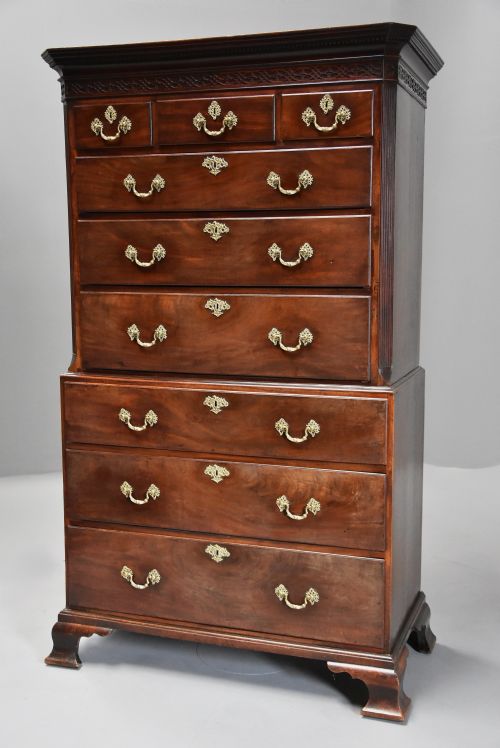
- A tall storage unit formed of one chest stacked directly on top of a larger base chest.
- Dovetail
- A traditional interlocking joint used to secure drawer corners together securely.
Antique Drawers: Frequently Asked Questions
What periods do these pieces come from?
The pieces span several centuries, including the 18th century, Georgian era, Regency period, Victorian era, and Edwardian period. Later 20th-century interpretations also appear.
Each period brings distinct stylistic traits, from the clean proportions of Georgian furniture to the robust forms of the Victorian era.
What timbers were commonly used?
Makers utilised a variety of woods depending on the period and regional origin. Mahogany, oak, and walnut dominate, with burr walnut used for decorative grain.
Softer woods like pine and elm appear frequently in country furniture and functional drawer carcases.
How were different drawer configurations named?
Drawers are often described by their arrangement, such as two over three, or by their graduated depths from top to bottom. Cabinets might also feature internal configurations like fitted interiors or multiple smaller drawers.
Specialist pieces like architects' plan chests provide wide, shallow storage designed for large documents.
How do I incorporate them into a modern room?
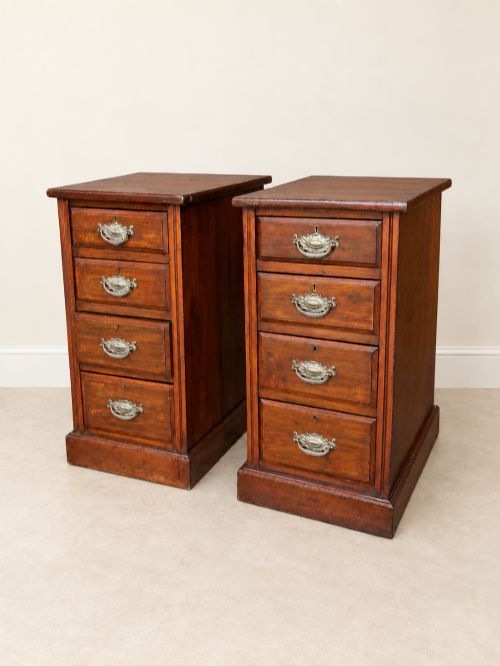
Antique chests of drawers and side tables offer practical storage while introducing rich timber textures to contemporary interiors. They function effectively in bedrooms, hallways, and living spaces.
Their varied sizes, from compact bedside tables to tall chests, allow them to fit into both spacious and restricted layouts.