

Antique Doulton Ceramic
These antique doulton ceramic pieces span Victorian vessels and porcelain figures, offering a tangible link to decades of British ceramic artistry.
Antique Doulton Ceramic
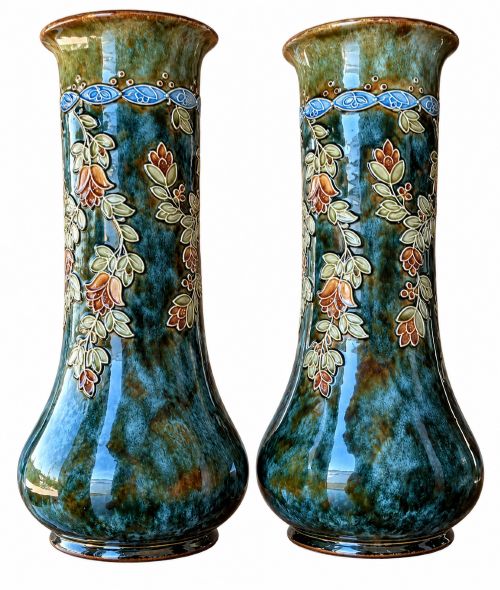
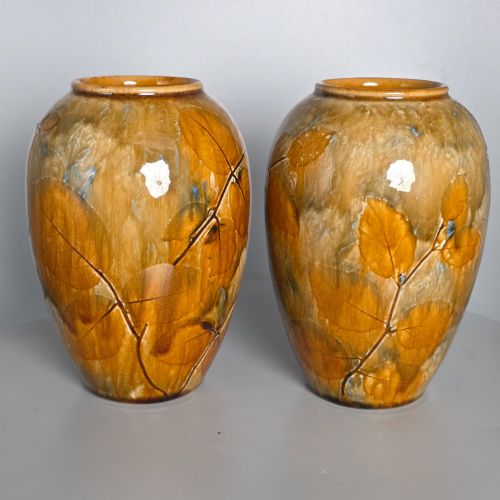
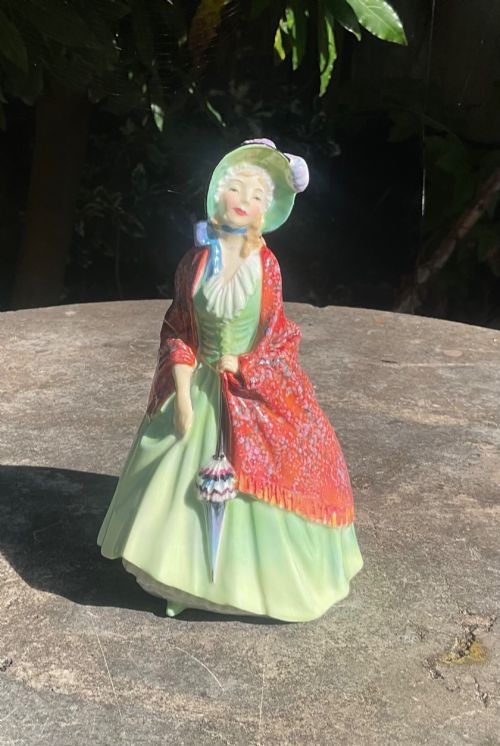
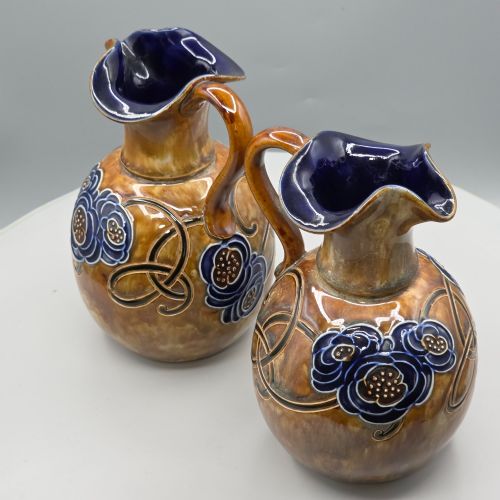
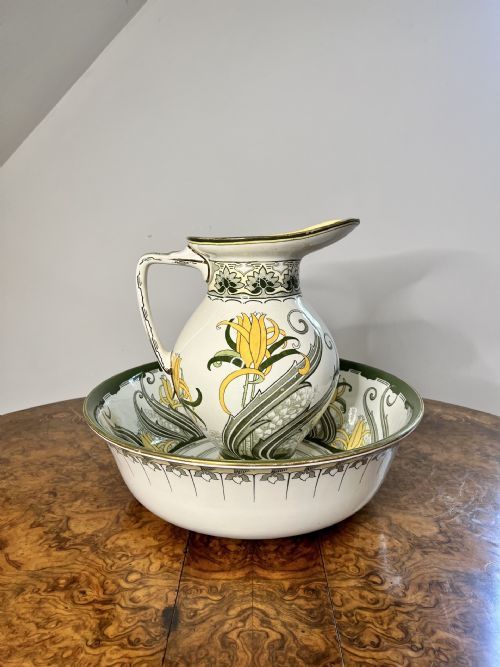
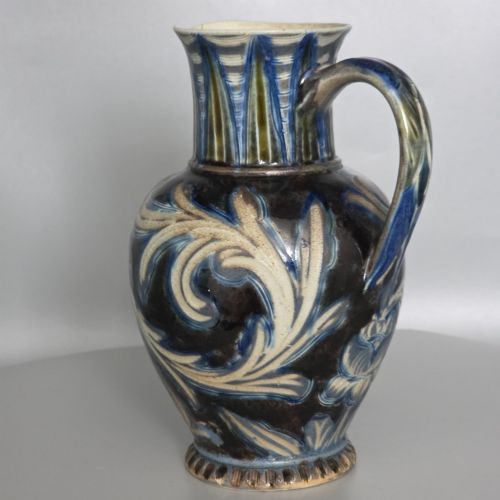
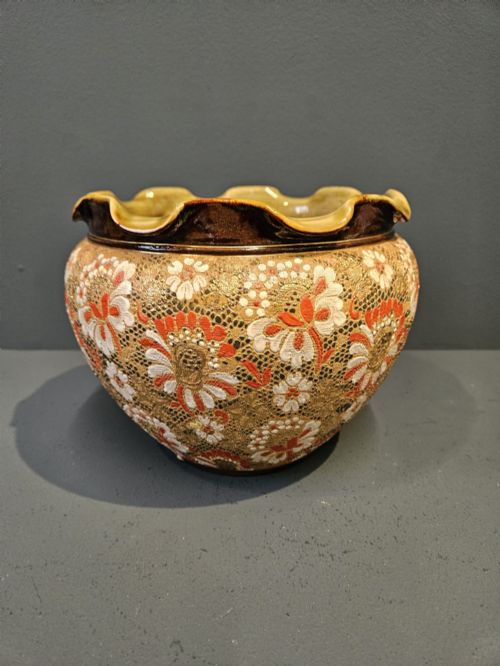
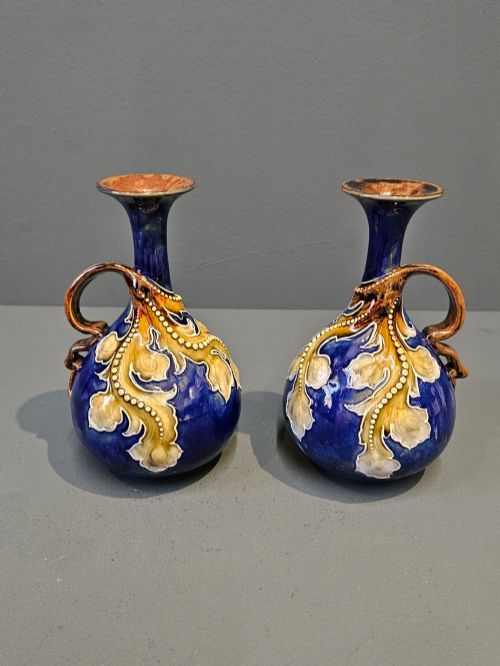
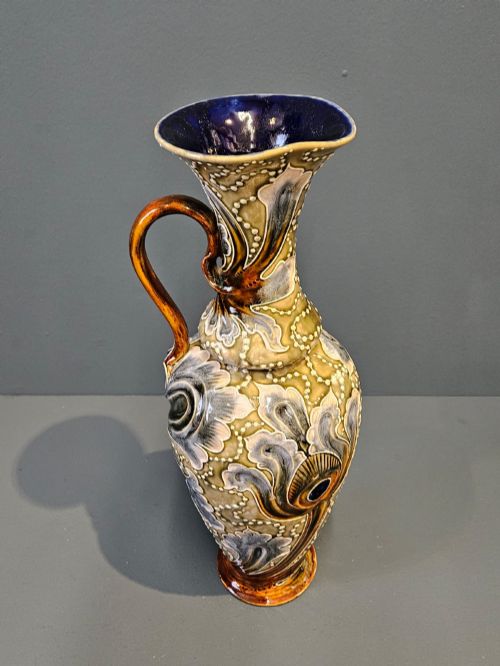
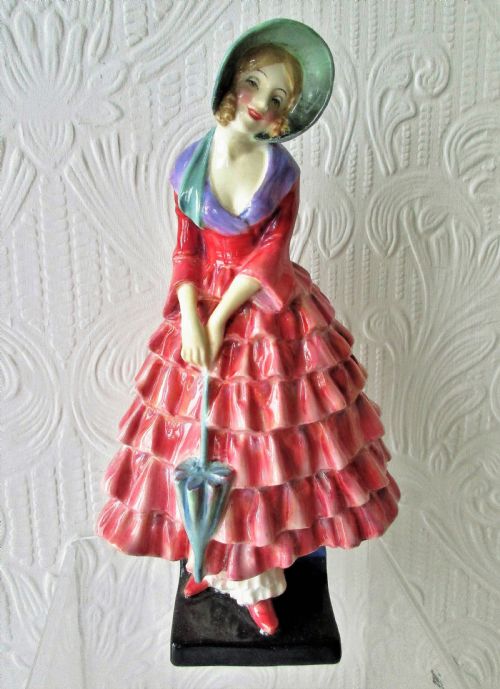
When searching for antique doulton ceramic, buyers typically encounter robust stoneware vases, delicate porcelain figurines, and utilitarian jugs originating from periods spanning the nineteenth century through the mid twentieth century. The selection leans heavily toward the ornate output of the Doulton Lambeth and Burslem potteries, capturing shifting tastes from Victorian elaboration to Art Nouveau and Art Deco design.
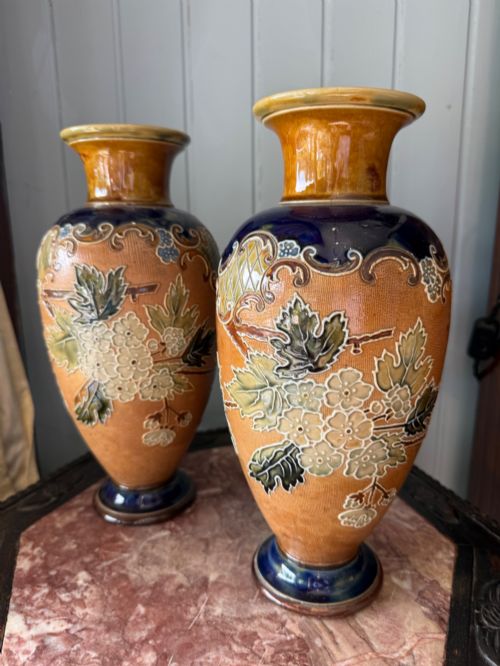
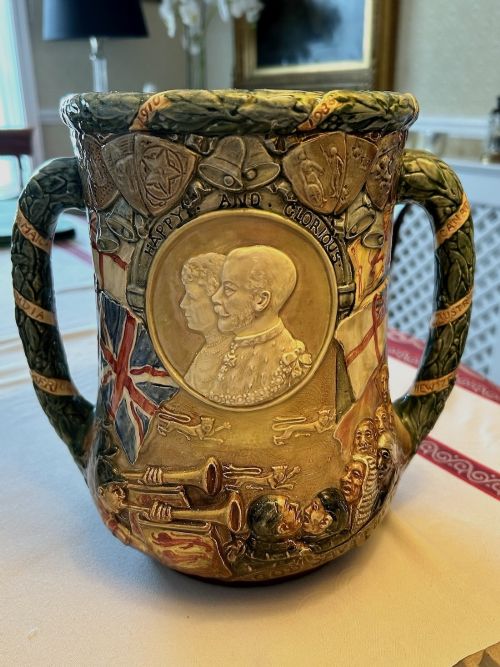
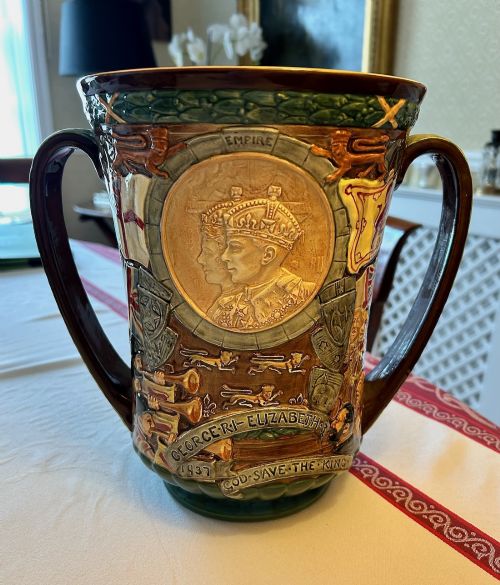
The most common forms on this page include baluster vases, jardinieres, and painted cabinet dishes, alongside named character figures and commemorative ware. These objects range from heavy salt-glazed stoneware decorated by notable studio artists to fine bone china and earthenware intended for display or refined table service.
How they were made
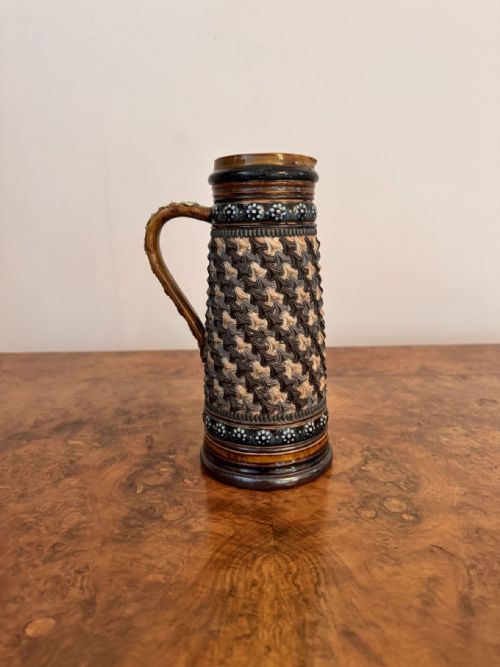
Production relied on distinct ceramic bodies, chiefly dense stoneware and refined English porcelain or earthenware, shaped by throwing, moulding, or casting. Stoneware pieces often utilised salt-glazing techniques, where salt thrown into the kiln vapour-glazed the clay to create a durable, textured surface.
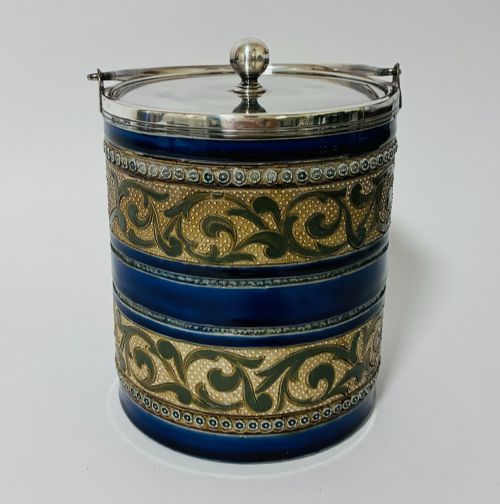
Decoration combined hand-painting, incising, and applied enamel work, frequently executed by specialist artists working within the potteries. Metal mounts in silver plate were occasionally added to vessels such as biscuit barrels and jugs to complete the functional design.
What varies in quality
The standard of an antique doulton ceramic piece rests largely on the complexity of its decoration and the identity of the artist responsible for its creation. Pieces painted or incised by recognised studio artists display superior control in line, palette, and depth compared to standard factory output.
Form and finish also dictate distinction, with crisply defined mouldings on figurines and balanced proportions on large baluster vases representing the upper tier of production. The integration of specialised techniques, such as intarsio faience or intricate pate-sur-pate detailing, separates exceptional examples from ordinary wares.
Royal Doulton·Doulton Lambeth·Doulton Burslem
The Antique Doulton Ceramic Glossary
- Stoneware
- A heavy, vitrified ceramic fired at high temperatures until impermeable to liquids. It forms the durable body of many nineteenth-century Lambeth vessels.
- Faience
- Tin-glazed earthenware decorated with painted designs before firing. This technique allowed for vibrant floral and pictorial surface patterns on vases.
- Tyg
- A large drinking vessel featuring multiple handles designed for communal passing. They appear frequently in salt-glazed stoneware productions.
- Jardiniere
- An ornamental ceramic pot or stand designed to hold a plant or floral arrangement. These were often produced in large sizes with rich botanical decoration.
- Bone China
- A type of porcelain incorporating bone ash for enhanced strength and translucency. It provides the smooth white base for painted cabinet dishes and figurines.
Antique Doulton Ceramic: Frequently Asked Questions
How do I identify a Doulton figurine?
Doulton figurines generally feature specific model numbers preceded by letters such as HN, alongside factory backstamps impressed or printed on the base.
These marks help determine the production year and the sculptor or designer responsible for the model.
Where were Doulton ceramics made?
The ceramics were primarily manufactured at two main sites: the Lambeth pottery in south London, which specialised in stoneware, and the Burslem works in Stoke-on-Trent, which focused on porcelain and earthenware.
Each location developed its own distinct stylistic identity based on local materials and regional expertise.
How should I clean antique ceramic?
Antique ceramics require gentle dusting with a soft, dry cloth to prevent accumulation of dirt on textured or painted surfaces.
Harsh chemical cleaners and immersion in water should be avoided, particularly on pieces with delicate enamel, silver plating, or unglazed earthenware bodies.