


English Porcelain Flower Urn
An english porcelain flower urn brings botanical grace to a room, combining painted blooms with classic ceramic forms.
English Porcelain Flower Urn
When buyers search for an english porcelain flower urn, they encounter a variety of decorative vessels designed to display blooms or stand as ornaments in their own right. The pieces seen on this page span several eras, including Georgian, Regency, Edwardian, and the nineteenth and twentieth centuries.
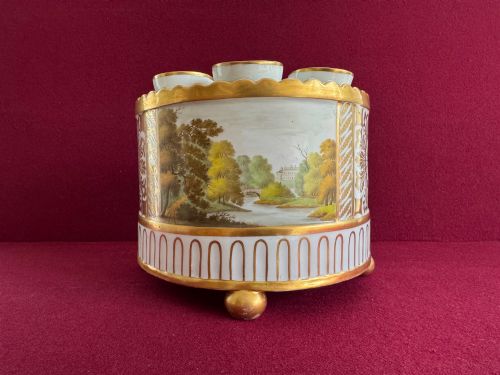
Forms range from traditional vases and beaker-form vessels with dolphin bases to pairs of bough pots and frill vases. These objects originate from notable factories and periods, reflecting evolving British ceramic tastes over generations.
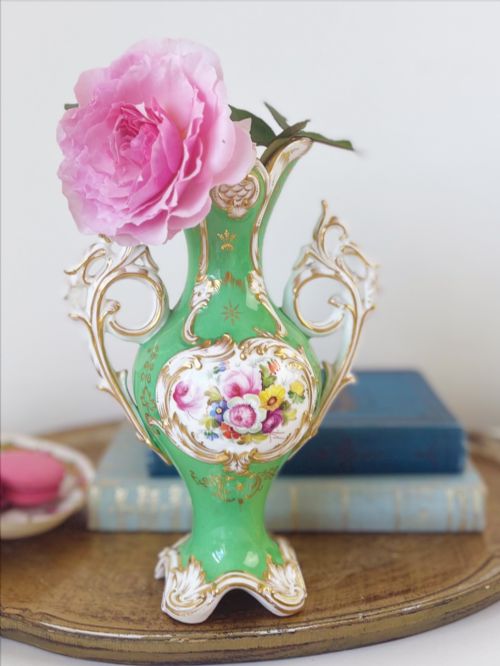
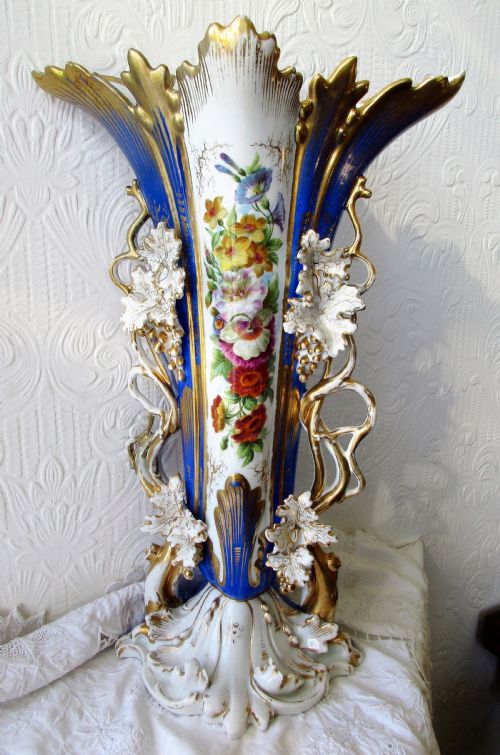
The most common versions met here include hand-painted botanical designs, gilt accents, and specific factory outputs such as Royal Worcester and Derby. Each piece offers a distinct glimpse into traditional English porcelain craftsmanship.
Materials and methods
These pieces are formed from porcelain, ceramic, and ironstone, shaped into urns, vases, and bough pots. Artisans applied smooth glazes to create the primary surface for subsequent decoration.
Decoration often involved hand painting floral motifs and applying gold leaf, gilding, or gilt highlights. Firing techniques fixed these enamels and metallic details onto the ceramic body.
Listings span periods from the eighteenth century through the 1960s, incorporating porcelain, enamel, gold leaf, and ironstone materials.
Distinctions in quality
Quality in these porcelain vessels rests primarily on the finesse of the hand-painted artwork, particularly in detailed floral scenes and bird motifs. Finer examples display meticulous brushwork and precise application of gilding or gold leaf.
The sophistication of the modelling also separates pieces, from standard thrown vases to complex moulded forms featuring three-dolphin bases or elaborate frill work. Factory origin and the clarity of factory marks further distinguish the standing of individual items.
Flight Barr and Barr·Mason’s·Doulton Burslem·Royal Worcester·Derby
The English Porcelain Flower Urn Glossary
- Bough pot
- A vessel with a pierced cover designed specifically for holding flowering branches or stems. These containers were popular in Georgian and Regency interiors.
- Gilding
- The application of gold leaf or powdered gold to the surface of porcelain. This technique highlights rims, handles, and painted borders.
- Frill vase
- A ceramic vessel decorated with applied ruffled or crinkled porcelain strips resembling lace or petals. Eighteenth-century Derby factories are particularly known for this style.
- Beaker-form
- A straight-sided, open-topped vessel shape resembling a drinking tumbler. These often sit upon elaborate sculptural bases.
English Porcelain Flower Urn: Frequently Asked Questions
What is an english porcelain flower urn?
An english porcelain flower urn is a decorative ceramic vessel created to hold floral arrangements or display painted artistry. These pieces range from Georgian bough pots to twentieth-century hand-painted vases.
They reflect centuries of British ceramic design, utilising materials such as porcelain, ironstone, and gold leaf to achieve their finished appearance.
How were bough pots used?
Bough pots served as indoor containers for fresh flowers and flowering tree branches during the Georgian and Regency periods. Their pierced lids held plant stems securely in place.
Placed on tables or mantelpieces, they brought natural scents and botanical displays into domestic rooms before standard floral arrangements became common.
How do I date an antique vase?
Dating an antique vase involves examining the ceramic body, glaze characteristics, and any factory marks or signatures present on the base. Stylistic cues such as Regency shapes or Edwardian decorative motifs also help narrow down the period.
Comparing the painting style and material composition to documented pieces from makers like Royal Worcester or Derby provides further chronological context.
How should I clean porcelain?
Porcelain vessels require gentle cleaning with a soft, dry cloth to remove dust. Avoid using harsh chemical cleaners or abrasive sponges that might damage delicate enamel painting or gilding.
If washing is necessary, use lukewarm water with mild soap, and dry the piece immediately with a soft towel to protect any metallic leaf.