








Antique Dog Portrait Print
An antique dog portrait print captures the character and breed type of esteemed hounds and lapdogs through enduring ink on paper.
Antique Dog Portrait Print
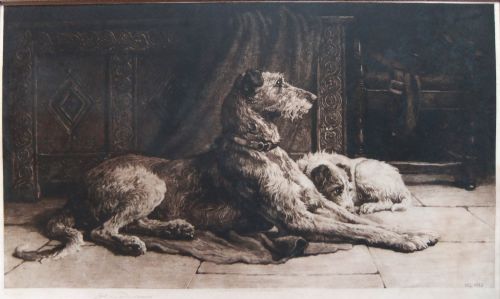
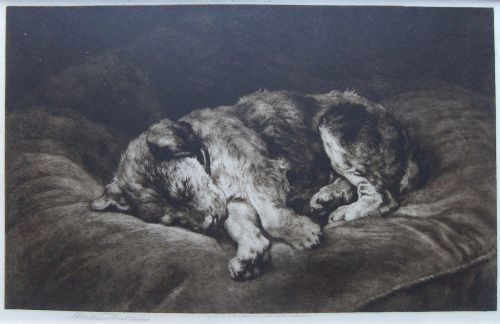
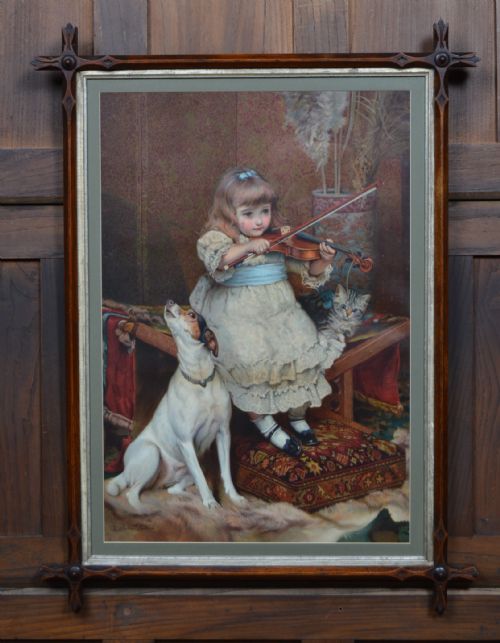
Every antique dog portrait print represents canine subjects across etching, engraving, chromolithography and drypoint mediums. These works celebrate individual animals and specific breeds through the skilled hands of historical printmakers and artists.
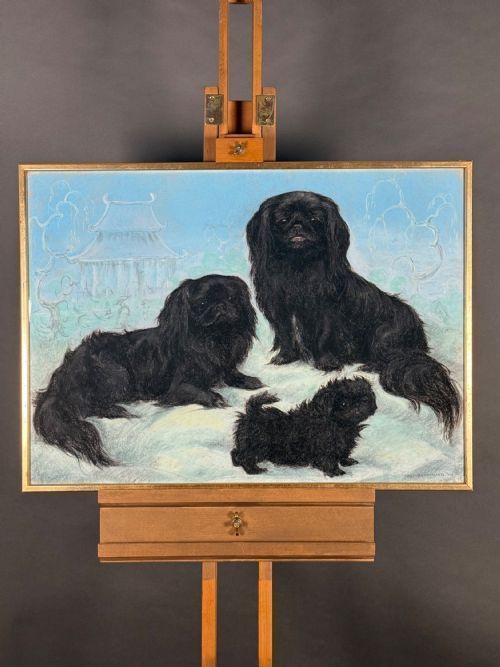
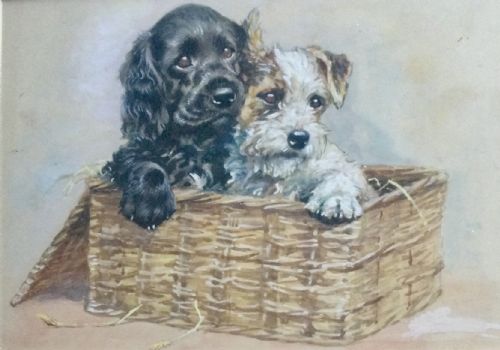
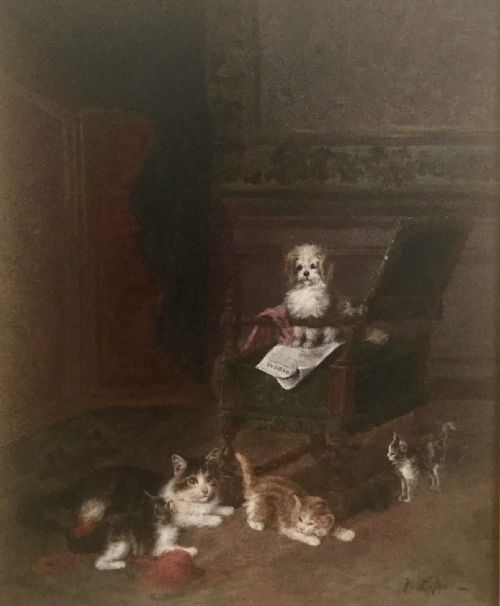
The most prominent examples on this page date from the Victorian era through the early twentieth century, spanning periods like the nineteen-twenties and nineteen-tens. Subjects range from working gun dogs and sporting hounds to cherished pet bulldogs, spaniels and pekingese.
Framed behind glass in wood or giltwood surrounds, these printed works bring historical canine artistry directly into domestic interiors. They reflect the deep British affection for dogs across working, sporting and domestic spheres.
Materials and print techniques
These works rely on paper supports receiving black or coloured ink through intaglio processes like etching and drypoint, or through early colour printing methods such as chromolithography. Artists worked copper or zinc plates by hand to build the rich textures of canine fur.
Framing materials typically combine period wood moulding and glass protection to preserve the delicate paper sheets. Giltwood frames add traditional weight, while simpler wooden surrounds maintain a domestic aesthetic.
Antique Dog Portrait Print Retail Price Guide 2026
Typical asking prices for dog portrait print among the pieces listed under this phrase on Sellingantiques today, from the lower quarter to the upper quarter. They describe what is for sale here now, not the wider market.
Listings feature paper works spanning the Victorian era through the nineteen-sixties, using oil on canvas, watercolour, pastel, and ink.
Evaluating print quality and impression strength
Quality rests upon the crispness of the inked line and the preservation of the delicate plate mark within the paper. Strong early impressions display deep tonal contrast in the rendering of fur and expression, whereas worn plates yield fainter details.
The skill of the original draughtsman dictates the anatomical accuracy and psychological presence of the animal. Condition of the paper sheet and the originality of the period frame further influence the standing of each piece.
Herbert Dicksee·Mabel Gear·Tom Carr·Charles Burton Barber·Florence Mabel Hollams·Jules Le Roy·Paul Jones
The Antique Dog Portrait Print Glossary
- Drypoint
- An intaglio printing technique where an artist scratches a design directly into a metal plate with a sharp needle. This creates a distinctive burr of metal that holds extra ink for velvety printed lines.
- Etching
- A method where metal plates are coated with acid-resistant ground and drawn through with a needle before being submerged in acid. The acid bites the exposed lines to hold ink for the printing press.
- Chromolithography
- A planographic colour printing process using multiple limestone blocks, one for each distinct hue. It allowed Victorian publishers to produce rich, multicoloured reproductions of original paintings.
- Engraving
- A printmaking process where an artist cuts lines directly into a hard metal plate using a sharpened steel tool called a burin. This produces clean, precise lines without the soft burr found in drypoint.
- Plate mark
- The indentation left in the paper by the edge of the metal printing plate under high press pressure. Finding this impression confirms an authentic hand-pulled print.
Antique Dog Portrait Print: Frequently Asked Questions
How do I date an old dog print?
Dating relies on paper characteristics, printing technology used, and the style of the wooden or giltwood frame. Signatures and publisher details often point to active decades like the Edwardian period or nineteen-twenties.
Subject attire, typography, and clothing styles in associated human figures also help narrow the decade of production.
What is the difference between an etching and an engraving?
An etching uses acid to bite lines into a metal plate through a protective wax coating. This allows for fluid, expressive strokes that mimic pencil or chalk.
An engraving relies purely on physical force with a burin tool to gouge metal. This results in sharper, stiffer, and highly geometric lines.
Are these prints originals or reproductions?
Original prints include hand-worked techniques like etchings, drypoints, and engravings where the artist or printer pulled impressions directly from the plate. Chromolithographs are period reproductive prints using multiple colour stones.
Both categories hold historical age and period status, though hand-pulled intaglio works carry different collector value than mass-market chromolithographs.
How should I frame and display antique paper art?
Keep framed prints away from direct sunlight to prevent fading of the ink and yellowing of the paper. Use acid-free mounting materials behind glass to protect the sheet from humidity and environmental damage.
Stable indoor temperatures ensure the wood frames and paper substrates survive safely for decades to come.
What dog breeds appear most often in these works?
Sporting dogs such as pointers, setters, foxhounds, and spaniels appear frequently due to the popularity of British sporting art. Bulldogs and terriers also feature prominently in Victorian and early twentieth-century works.
Lapdogs like Pekingese represent the domestic companion side of historical portraiture.