




Monochrome Dog Artwork Print
Monochrome dog artwork print selections capture canine character in ink on paper, bringing historic sporting and domestic animals into modern interiors.
Monochrome Dog Artwork Print
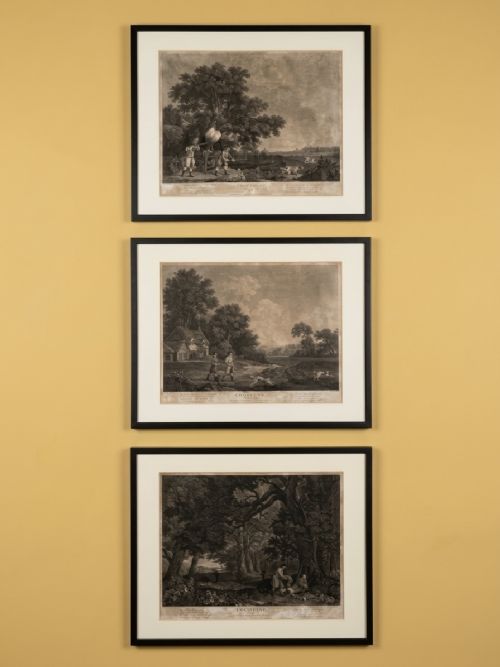
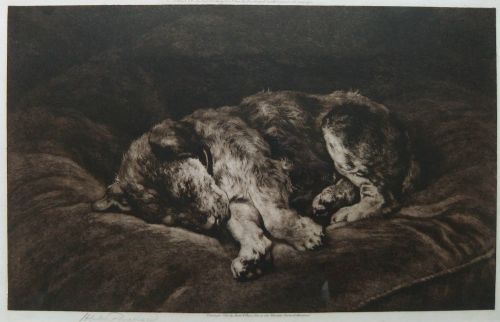
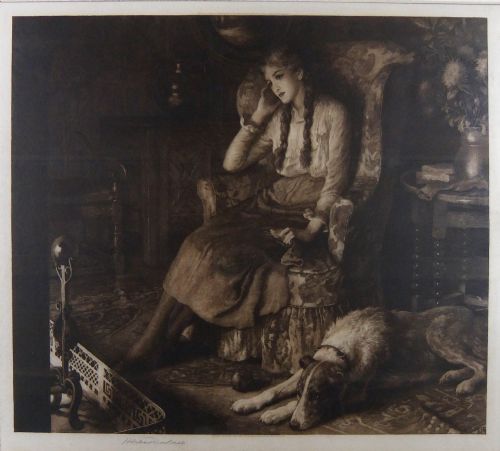
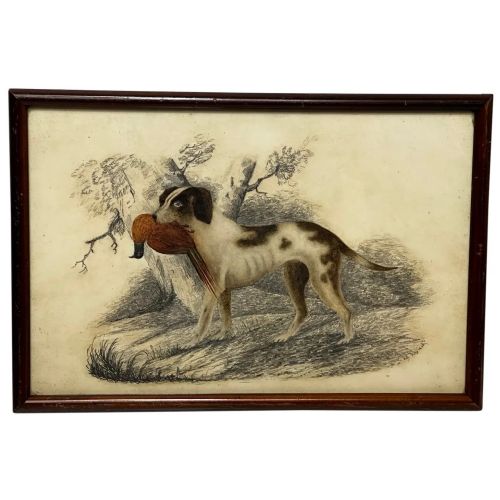
Monochrome dog artwork print examples encompass original etchings, drypoint works, and early engravings spanning the Victorian, Edwardian, and early twentieth century periods. Buyers searching this phrase encounter detailed portrayals of spaniels, terriers, bulldogs, and hunting pointers executed in stark black and white or sepia tones.
The pieces on this page lean heavily towards early twentieth century realism and English country house aesthetics, reflecting a period of high skill in animal portraiture. These works range from intimate studies of individual dogs to dramatic sporting scenes involving gun dogs and game birds.
Materials and techniques
The core technique relies on ink applied to paper through traditional printing methods such as etching, drypoint, and engraving, often finished with wood framing and glass protection. Artists carved lines directly into metal plates to hold the ink, creating the fine tonal gradations characteristic of these monochrome images.
Framed prints utilise period wood mouldings that complement the monochromatic palette, preserving the delicate paper surfaces from environmental damage while maintaining their original presentation style.
The inventory concentrates on etchers and engravers working within Victorian sporting, Edwardian, and early twentieth century realism traditions.
Quality factors
Quality rests in the precision of the plate impression and the strength of the artist's line work, which determines whether the animal's musculature and expression render with lifelike clarity. Finer examples show crisp contrasts between deep shadows and clean paper highlights, whereas lesser impressions appear muddy or washed out.
The presence of artist signatures and original period framing elevates the standing of an individual print, marking the distinction between standard decorative plates and notable works of animal art.
Herbert Dicksee·Blockey
The Monochrome Dog Artwork Print Glossary
- Etching
- A printmaking method where acid bites lines into a metal plate to hold ink. This technique allows for fluid, expressive lines that mimic hand-drawn sketches.
- Drypoint
- A printmaking process where the artist scratches directly into the metal plate with a sharp needle. This creates a distinctive velvety burr that holds ink for rich, dark lines.
- Engraving
- A technique involving direct cutting into a hard plate with a burin tool. It produces clean, precise lines without the chemical action of acid.
- Victorian Sporting
- A genre focusing on hounds, gun dogs, and field sports popular during the nineteenth century. These works document contemporary hunting practices and prized working animals.
- Edwardian
- A style period spanning the early twentieth century defined by refined realism and domestic comfort. Dog portraits from this era often highlight individual pets and champion breeds.
Monochrome Dog Artwork Print: Frequently Asked Questions
What is a monochrome dog artwork print?
These works are historic printed images of dogs created using ink on paper without colour. They utilise etching or engraving techniques to depict various canine breeds in realistic detail.
Most examples originate from the Victorian and Edwardian eras, capturing the textures of animal coats through fine lines and shading.
How do I care for these prints?
Keep the framed pieces away from direct sunlight to prevent the paper from yellowing and the ink from fading. Glass protection helps shield the delicate paper surface from airborne dust and moisture.
Maintain stable room temperatures and avoid hanging them in damp spaces like kitchens or bathrooms.
What subjects appear in these works?
The subjects range from domestic pets like terriers and spaniels to working gun dogs and champion bulldogs. Many pieces highlight specific breeds popular in English country houses during the nineteenth and early twentieth centuries.
Some artworks focus on intimate portraits, while others place the animals within sporting or narrative scenes.
How can I tell the age of a print?
Age is indicated by the paper type, the framing materials, and stylistic markers associated with periods like the Victorian era or early twentieth century realism. Signatures and publication details printed on the margins also provide clues to the production date.
Examining the ink texture through glass helps distinguish original antique plate impressions from modern reproductions.