
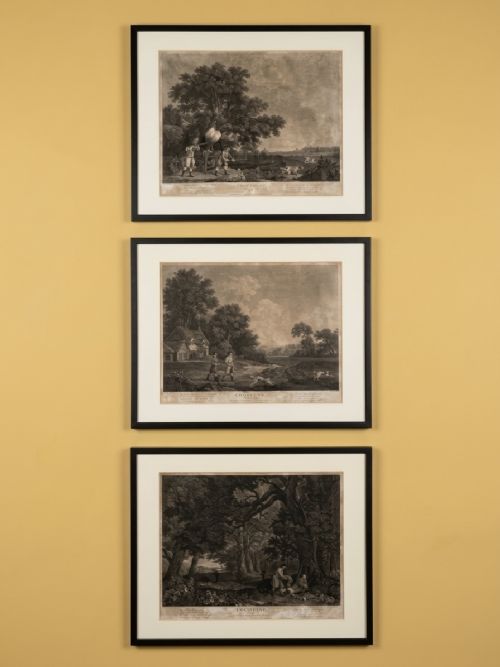
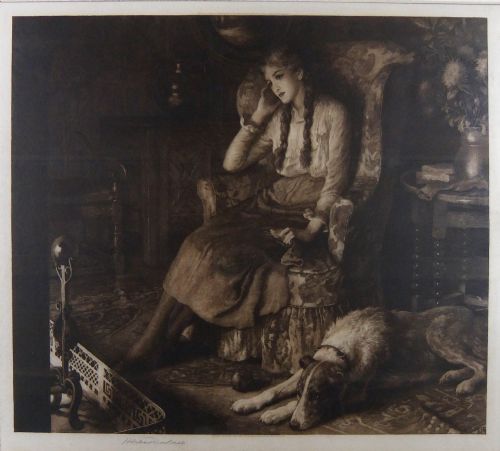
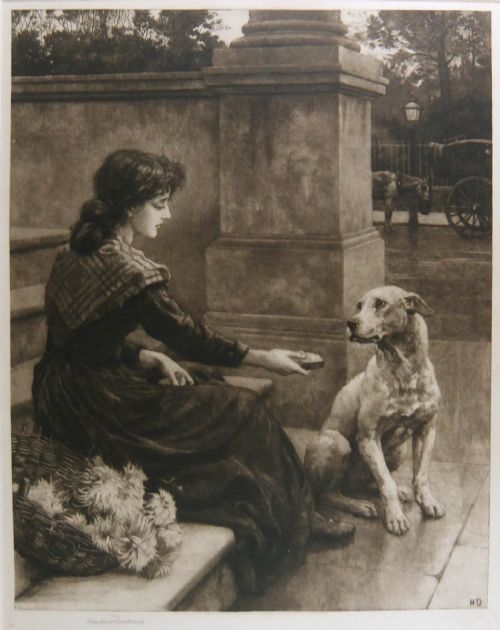


Framed Dog Etching Print
These framed dog etching print works capture canine character with remarkable linear precision, offering collectors fine historic portraits of beloved breeds.
Framed Dog Etching Print
A framed dog etching print brings historic canine subjects into domestic spaces through detailed intaglio printmaking techniques. These works portray various breeds with notable realism across the Victorian, Edwardian, and early 20th century periods.
The selections most commonly encountered on this page originate from the early twentieth century and the nineteenth century. Subjects range from individual spaniels and terriers to celebrated bull bitches recorded by period printmakers.
Framed examples typically combine original paper works with period wooden frames and protective glass. Collectors acquire these pieces to display traditional canine art within English country house style interiors.
How they were made
Makers utilised paper and ink to produce these intaglio works, employing techniques such as drypoint etching and traditional engraving. The printing process allows fine lines to define the texture of canine coats and the intensity of animal expressions.
Completed prints were subsequently housed behind glass within wooden frames suited to the period. This traditional framing protects the delicate paper surface while maintaining the historic presentation of each artwork.
Listings on this page span the Victorian, Edwardian, and early 20th century periods, executed on paper with ink, wood, and glass.
What varies in quality
Quality differences depend upon the clarity of the line work and the sensitivity of the canine depiction. Finer examples display remarkable depth in the rendering of fur and expression, whereas lesser prints show reduced definition.
The condition of the paper surface and the preservation of the original framing contribute significantly to the character of the piece. Works that retain their crisp tonal contrasts command greater appreciation from collectors.
Herbert Dicksee·Blockey
The Framed Dog Etching Print Glossary
- Drypoint
- A printmaking process where the design is scratched directly into a metal plate with a sharp needle. This technique raises a burr of metal that holds ink to create rich, velvety lines.
- Etching
- A method where lines are bitten into a metal plate using acid before ink is applied for printing. It allows artists to achieve fine tonal gradations across the paper.
- Engraving
- A technique involving the direct cutting of lines into a hard plate using a burin. The resulting impressions present sharp and precise linear detail.
- Realism
- An artistic approach focused on truthful and unidealised depiction of subjects. In these works, it defines the accurate portrayal of canine anatomy and breed characteristics.
Framed Dog Etching Print: Frequently Asked Questions
What is a drypoint etching?
A drypoint etching is a print created by scratching a design directly onto a metal plate using a sharp point. This process produces distinct, velvety lines on paper.
Unlike traditional acid-bitten etchings, drypoint relies entirely on the physical displacement of metal to hold the printing ink.
How old are these prints?
The pieces available here date primarily from the nineteenth and early twentieth centuries. Specific periods span from the Victorian era through Edwardian times and into the early twentieth century.
Each work reflects the artistic standards and canine subjects popular during those historic decades.
Which dog breeds appear most often?
The subjects include spaniels, terriers, and various bulldog types. Many pieces record specific named animals from the period.
Artists captured these dogs with careful attention to individual breed characteristics and expressions.
How should I display them?
These works suit traditional domestic interiors, particularly English country house style settings. They are already framed and glazed for immediate wall hanging.
Keep them away from direct sunlight to protect the paper and ink over time.