


Antique Dog Grate
An antique dog grate anchors the hearth with enduring iron and brass, holding the fire above the hearth floor.
Antique Dog Grate
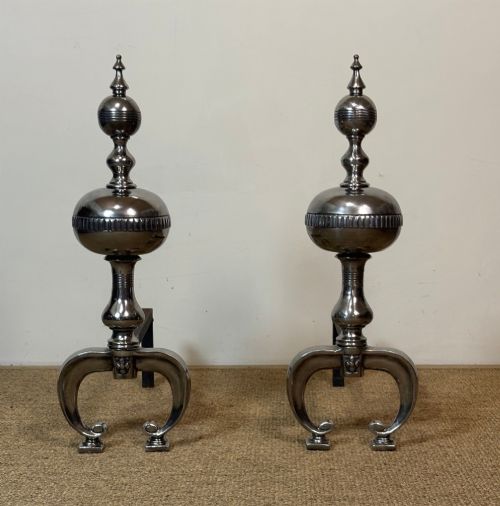
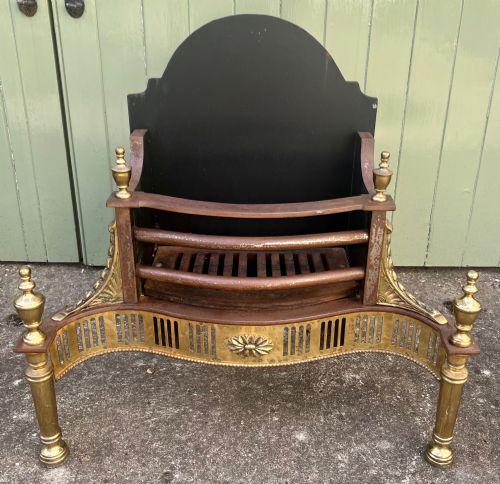
An antique dog grate combines a fire basket with supporting fire dogs, providing a raised structure for burning logs or coal in an open hearth. These hearth assemblies emerge in Georgian, Victorian, and Edwardian periods, often incorporating integrated firebacks or matching fenders.
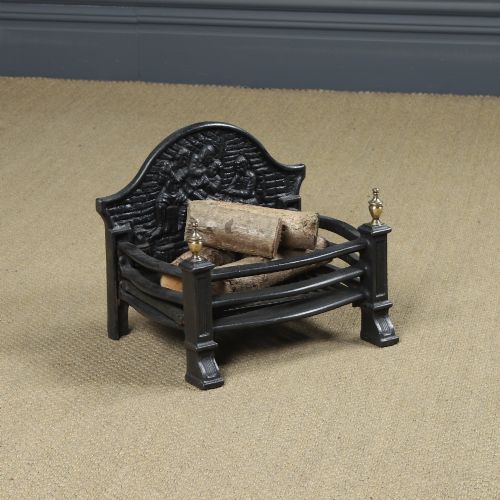
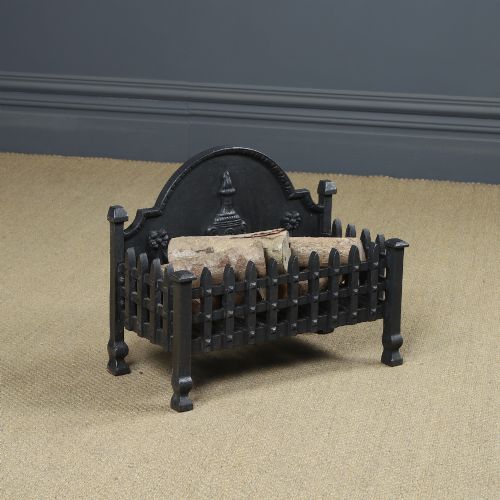
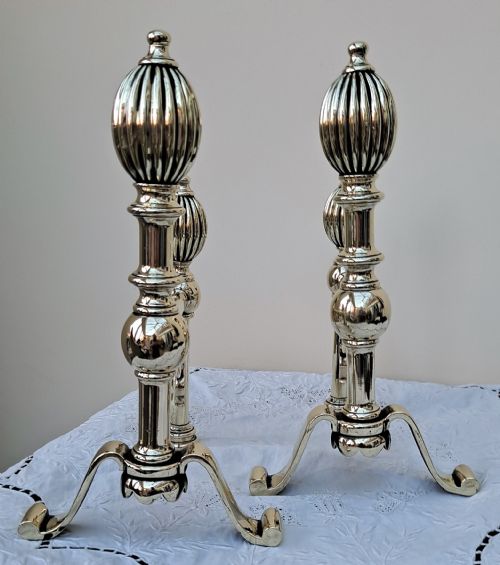
Buyers encounter forms ranging from small cast iron baskets to large inglenook sets paired with heavy brass andirons. The selection frequently spans Neoclassical, Gothic Revival, and Adam styles, alongside French bronze examples bearing parcel gilt cherub motifs.
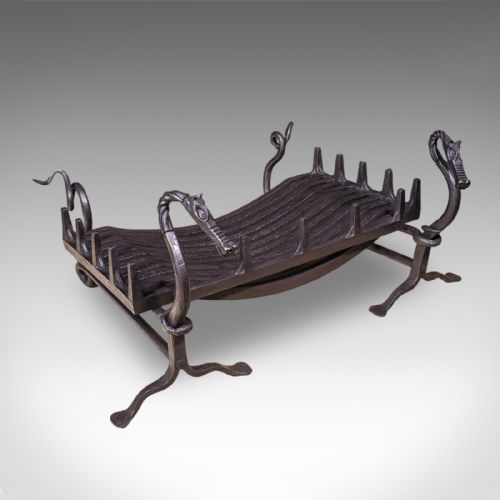
The layout typically integrates a log basket flanked by upright fire dogs or andirons, constructed to support the fuel and circulate heat into the room. Many versions rely on straightforward cast iron construction, while others introduce brass mounts and decorative dragon or cherub motifs.
How they were made
Foundries cast iron and bronze components in moulds to produce the structural baskets, firebacks, and ornamental details. Wrought iron and steel elements receive hand-forged shaping, yielding durable bars and hearth fixtures designed to withstand intense heat.
Brass and ormolu mounts, along with parcel gilt bronze accents, attach to the primary iron structures to provide contrast and decorative polish. Craftsmen assemble the separate fire dogs and baskets using bolts or interlocking joints to create a stable hearth unit.
Materials across these listings include cast iron, wrought iron, steel, brass, bronze, gilt bronze, and ormolu.
What varies in quality
The calibre of casting determines the sharpness of decorative details like Neoclassical swags, Gothic tracery, and dragon motifs. Finer pieces exhibit crisp lines and substantial metal thickness that resist warping under sustained high temperatures.
The choice of secondary metals influences the visual weight of the piece, with heavy cast brass and bronze components outlasting thinner plated alternatives. Hand-forged wrought iron elements demonstrate superior blacksmithing skill compared to mass-produced industrial equivalents.
The Antique Dog Grate Glossary
- Dog grate
- A fire basket supported by fire dogs or andirons. It lifts the fuel off the hearth floor to improve airflow.
- Andirons
- Upright metal supports placed on either side of the hearth. They often hold logs or anchor the ends of a fire grate.
- Fire back
- A heavy iron plate placed at the back of a fireplace. It protects the masonry and reflects heat back into the room.
- Chenet
- The French term for an andiron. These often feature decorative cast bronze or brass ornamentation such as cherubs.
- Fender
- A low metal guard placed around the hearth. It keeps embers contained and matches the metalwork of the grate.
Antique Dog Grate: Frequently Asked Questions
How do I choose the right size dog grate?
Measure the width, depth, and height of your fireplace opening before selecting a grate. Leave adequate clearance around the basket for proper airflow and safety.
Compare the dimensions of the fire dogs and basket to the scale of your hearth. Larger inglenook spaces accommodate heavy Victorian sets, while smaller grates suit modest proportions.
Can I burn real wood in an antique grate?
Most antique grates handle seasoned hardwood logs effectively. Ensure the iron bars and basket structure remain solid and free from deep thermal cracking before lighting a fire.
Cast iron and wrought iron baskets tolerate high heat, but avoid overloading large logs into small grates. Regular inspection keeps the hearth safe during use.
How do I clean cast iron and brass?
Remove ash and soot with a soft brush and dry cloth. Avoid harsh chemical cleaners that strip the historic surface finish from the metal.
Polish brass and ormolu components gently with a dedicated metal cleaner if desired. Cast iron benefits from a light application of grate polish or oil to prevent surface rust.
How do I identify the period of a grate?
Examine the decorative style and manufacturing technique. Georgian and Adam pieces display refined Neoclassical symmetry, whereas Victorian examples favour heavy Gothic Revival or ornate cast iron work.
Edwardian and later 20th-century reproductions often adopt 18th-century stylistic cues. Look closely at the casting quality and tool marks to determine the era of production.