




Traditional Coal Fire Basket
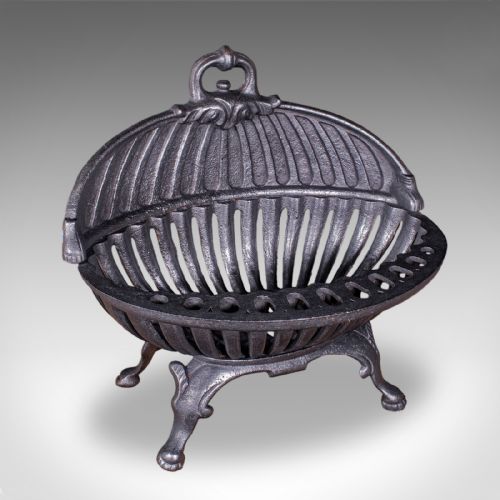
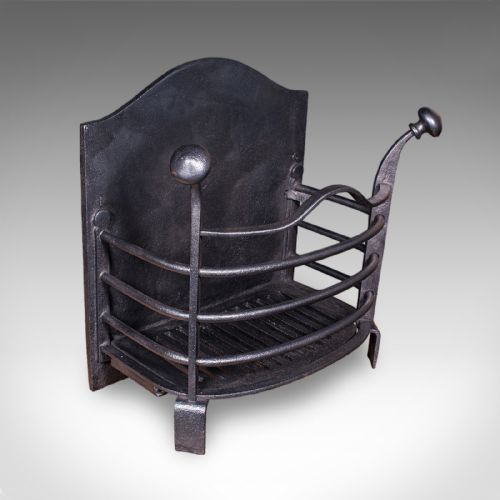
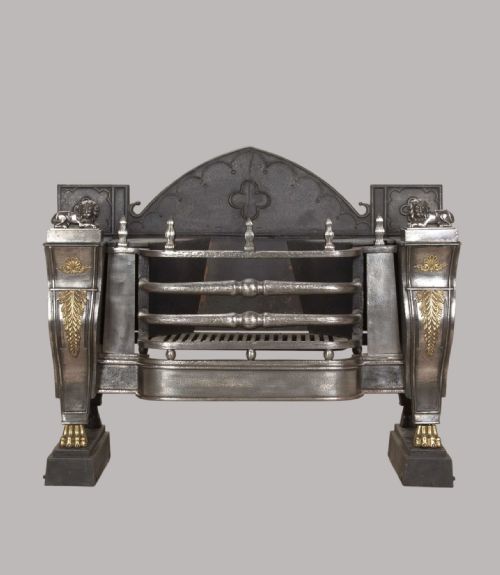
These traditional coal fire basket pieces bring warmth and architectural character to a hearth, combining period metals with robust grates.
Traditional Coal Fire Basket
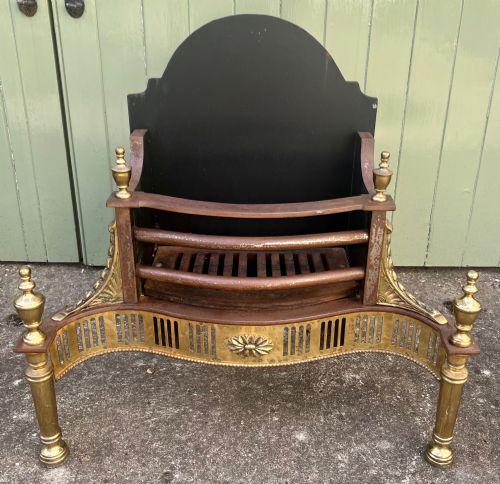
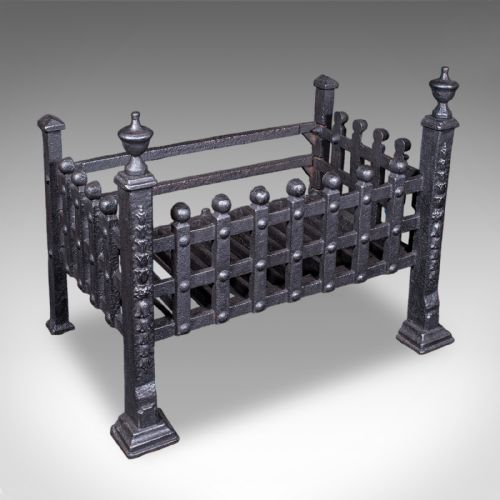
A traditional coal fire basket sits within a fireplace to contain solid fuel securely while radiating heat into the room. The selection spans several centuries and periods, offering everything from classical register grates to freestanding hearth furniture.
Most pieces encountered here date from the nineteenth century or the early twentieth century, with Regency, Victorian, Georgian, and Adam styles frequently represented. Forms include fire grates, fireplace inserts, and log bins constructed for domestic coal and wood burning.
Makers and designers of these grates utilised both formal neoclassical lines and heavier rustic farmhouse aesthetics. Buyers will find ironwork of small proportions alongside grander brass and copper examples designed as focal points for period interiors.
Materials and construction methods
Construction relies heavily on durable metals, specifically cast iron, wrought iron, brass, and copper, often paired with internal firebricks to withstand intense heat. Iron provides the structural strength for the grates, whilst brass and copper components add polished decorative contrast.
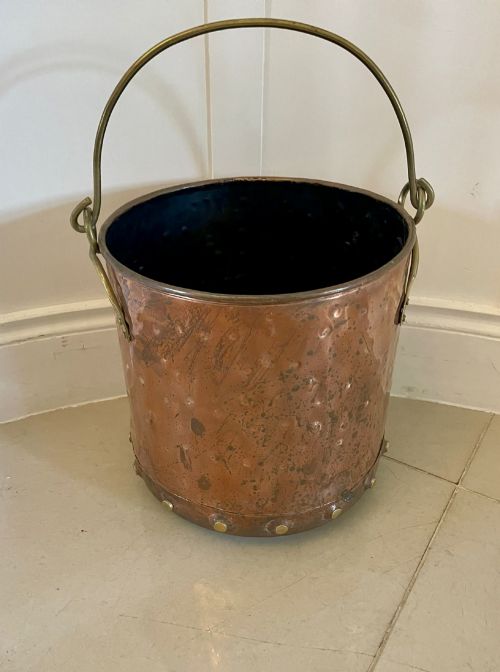
Many items incorporate mixed media, combining oak timber bodies with iron fittings in log bins or integrating brass finials and mouldings into classical iron frames. The casting and forging techniques reflect the industrial and artisanal capabilities of the eighteenth, nineteenth, and early twentieth centuries.
Traditional Coal Fire Basket Retail Price Guide 2026
Typical asking prices for traditional coal fire basket among the pieces listed under this phrase on Sellingantiques today, from the lower quarter to the upper quarter. They describe what is for sale here now, not the wider market.
Judging quality and craftsmanship
Quality rests in the crispness of the metal casting, the weight and thickness of the iron or brass, and the fidelity of the period style. Finer pieces display refined classical detailing such as Adam style ornamentation, whereas simpler items rely on plain utility.
The integrity of construction separates standard examples from superior ones, visible in the tightness of joints, the quality of the chased or polished brass, and the durability of the wrought iron components.
The Traditional Coal Fire Basket Glossary
- Fire Grate
- An iron or metal basket that holds coal or wood above the hearth floor. It allows air to circulate underneath for efficient burning.
- Register Grate
- A nineteenth-century fireplace insert featuring a moveable flap or plate to control the draught up the chimney. This type integrates the grate and surround into a single unit.
- Adam Style
- A neoclassical design style popular in the eighteenth century and revived later, characterised by symmetrical geometry, urn motifs, and delicate ornamentation. Grates in this style often feature bright brass elements.
- Hob Grate
- A style of fireplace grate featuring raised side platforms or hobs used historically for keeping kettles warm. They are typical of Regency and Georgian domestic interiors.
- Log Bin
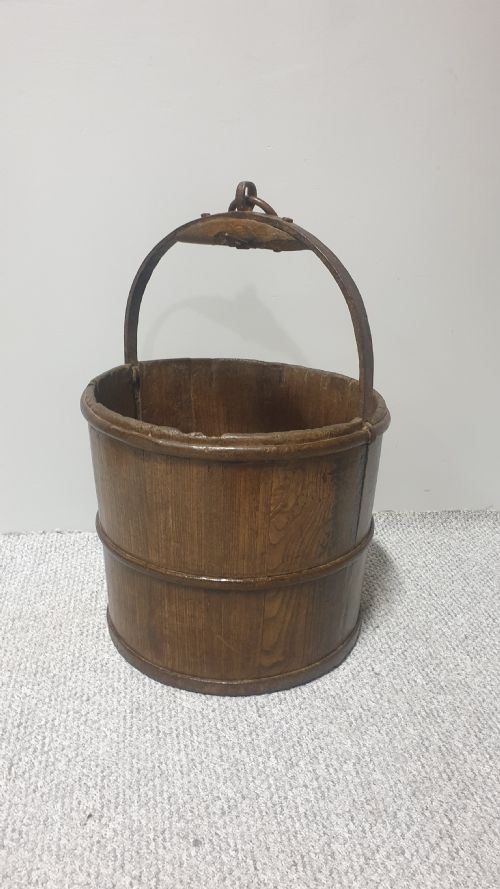
- A container made from materials like copper, brass, or oak designed to store fuel beside the fireplace. These complement the fire basket itself.
Traditional Coal Fire Basket: Frequently Asked Questions
How do I choose the right size?
Measure the opening of your fireplace cavity carefully before selecting a grate. Consider both the width and the depth to ensure the basket sits safely within the hearth.
Proportions vary significantly, from compact grates suitable for smaller rooms to larger architectural inserts designed for substantial chimney breasts.
Can these grates burn real coal?
Many traditional pieces were originally engineered for coal, whilst others accommodate wood or serve decorative purposes. Check the internal firebrick and metal condition before lighting any fuel.
Some lighter decorative grates or log bins are intended purely for storage or aesthetic display rather than active fires.
How do I identify a Regency piece?
Regency grates often display classical motifs, restrained lines, and a mix of cast iron and polished brass. Look for balanced proportions inspired by ancient Greek and Roman architecture.
Dates from this era generally span the early nineteenth century, showing distinct differences from heavier Victorian or Arts and Crafts designs.
What is the difference between iron and brass?
Cast and wrought iron provide the heavy, heat-resistant structure required for the fire basket itself. Brass and copper are softer metals utilised for decorative highlights, trim, and companion log bins.
Pieces often combine both materials to balance structural utility with visual elegance.