

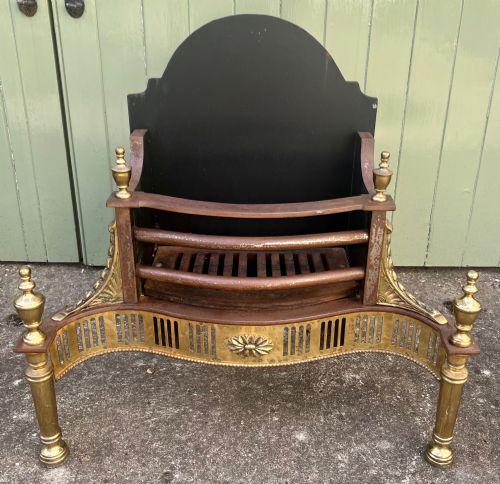
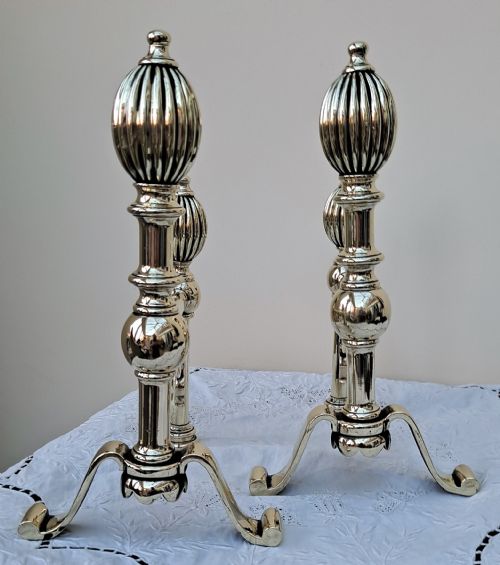


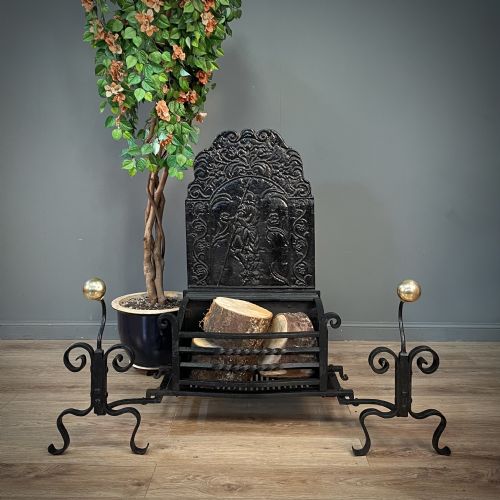
Period Fireplace Dog Grate
These period fireplace dog grate pieces bring hearth and tradition into a room, offering genuine historical metalwork for coal or wood fires.
Period Fireplace Dog Grate
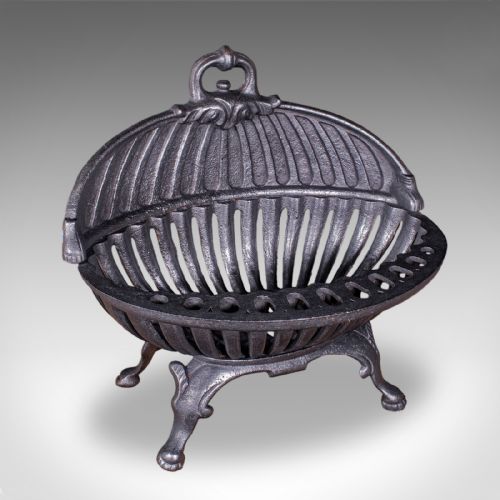
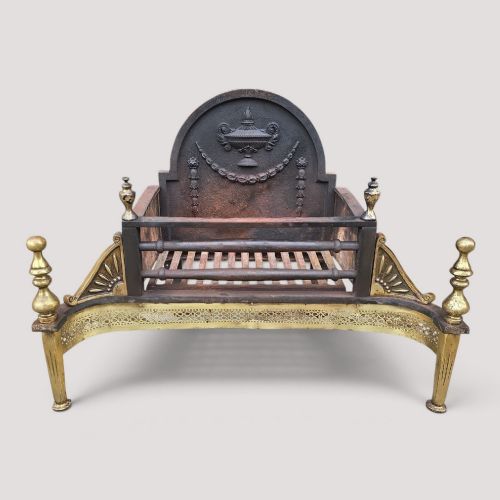
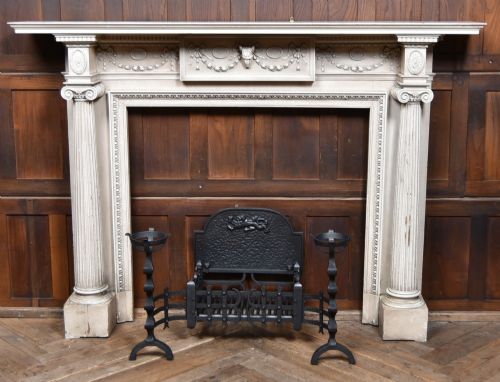
A period fireplace dog grate combines a fire basket or grate structure with integrated firedogs, serving both a functional and decorative role in the hearth. The examples gathered here span from the Georgian era through the Victorian period and into the early twentieth century, showing diverse revival movements.
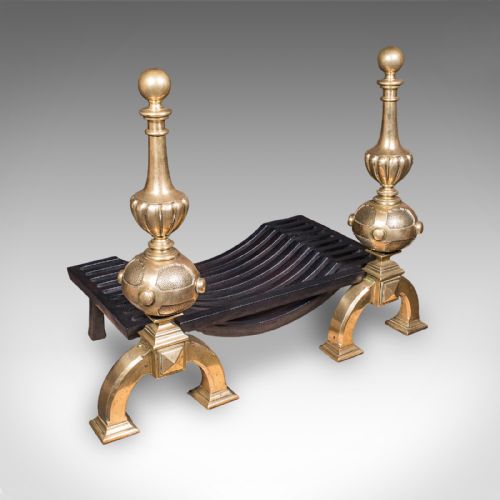
The objects take several forms, including complete fire baskets with backs and fenders, standalone fire dogs, and intricate log baskets. Buyers frequently encounter cast iron and brass combinations designed to project heat and anchor the hearth.
Origins stretch across English workshops, capturing styles from the Adam approach and Neoclassical revival to Arts and Crafts simplicity and Jacobean revival. Each piece reflects the domestic heating habits and interior design priorities of its respective decade.
Materials and construction
Makers utilised cast iron for the main basket bodies and firebacks because the metal withstands intense heat without warping. Wrought iron often appears alongside cast components to provide structural strength and support for the fuel.
Period Fireplace Dog Grate Retail Price Guide 2026
Typical asking prices for period fireplace dog grate among the pieces listed under this phrase on Sellingantiques today, from the lower quarter to the upper quarter. They describe what is for sale here now, not the wider market.
Some grates come paired with mulling andirons, ready to heat spiced ale by the fire.
Assessing quality and finish
Quality rests upon the crispness of the casting and the proportional harmony between the iron basket and the brass or iron firedogs. Finer pieces display refined neoclassical detailing, balanced ornamentation, and substantial metal thickness rather than superficial decoration.
The integrity of the construction depends on how securely the components fit together, particularly where fire baskets join backplates and fenders. Heavier, solid assemblies indicate superior domestic manufacture intended for active use.
The Period Fireplace Dog Grate Glossary
- Dog grate
- A metal basket for holding coal or wood, raised on legs or supported by firedogs within an open hearth.
- Fireback
- A heavy cast iron plate placed against the rear wall of a fireplace to protect the masonry and reflect heat forward into the room.
- Andirons
- Supporting metal pillars placed on either side of a hearth, historically used to hold logs off the floor for better airflow.
- Fender
- A low metal guard placed in front of an open fireplace to contain rolling embers and protect the floor covering.
Period Fireplace Dog Grate: Frequently Asked Questions
What is a dog grate?
A dog grate is a freestanding metal basket designed to hold fuel inside an open fireplace. It combines a fuel basket with supporting firedogs.
These units sit directly on the hearth, allowing air to circulate beneath the fire for better combustion.
How do I choose the right size?
Measure the internal width, depth, and height of your fireplace opening carefully before selecting a grate. Leave adequate clearance around the sides and back for safety and heat distribution.
Consider whether your fireplace burns wood or coal, as basket designs vary to accommodate different fuel types.
Are these grates suitable for everyday use?
Many period grates are robustly constructed from cast and wrought iron, making them suitable for burning solid fuel. However, some decorative or restored pieces may function better as aesthetic focal points.
Consult the material details and check for solid construction before lighting fires in antique metalwork.
How do I date a fireplace grate?
Dating relies on stylistic clues such as Neoclassical motifs, Arts and Crafts simplicity, or Victorian proportions. Material combinations, manufacturing marks, and assembly methods also guide attribution.
Georgian and Victorian examples often display distinct decorative vocabularies tied to the architecture of their period.