
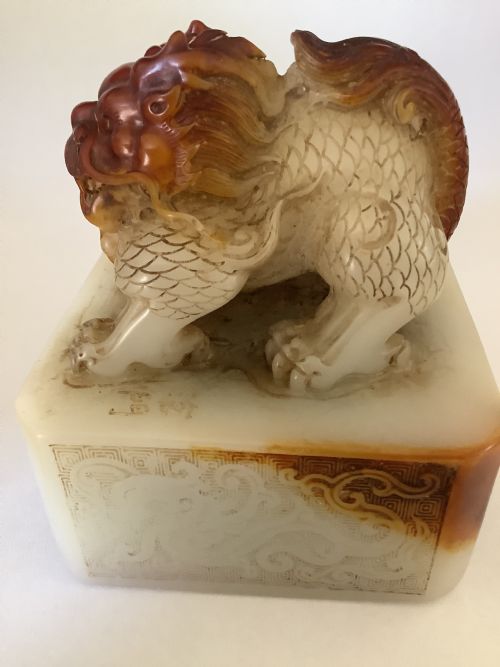


Antique Dog Desk Accessory
An antique dog desk accessory brings character to a study, offering both utility and craftsmanship from the Victorian and later periods.
Antique Dog Desk Accessory
Every antique dog desk accessory serves a practical function on a writing surface, whether holding ink, quills, books, or matches. These pieces combine animal subjects with desk equipment from the nineteenth and early twentieth centuries.
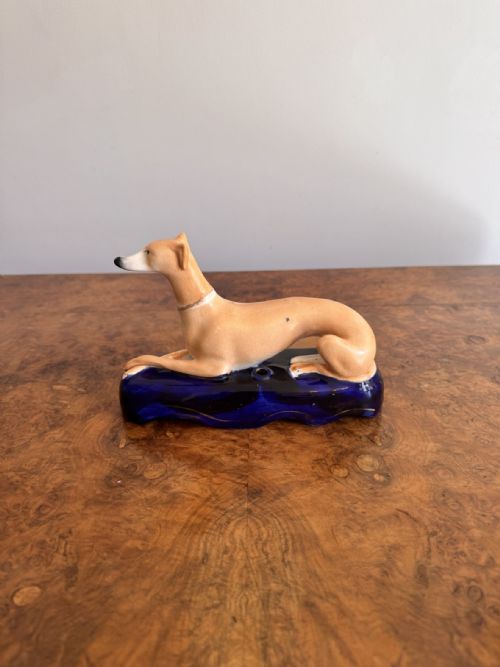
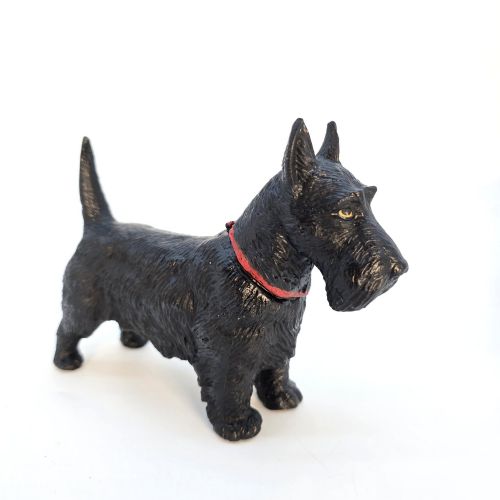
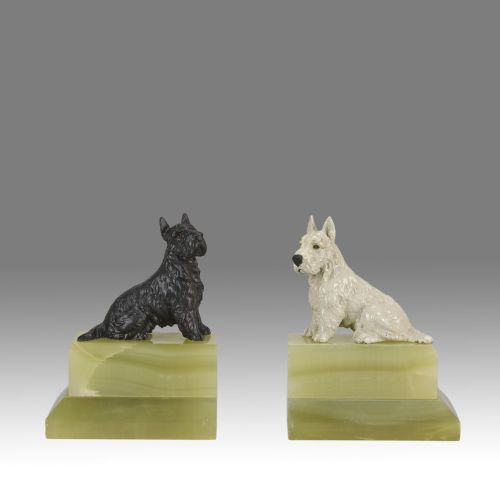
Bookends, inkwells, and quill holders dominate the selections available in this category, often shaped as terriers, greyhounds, spaniels, and bulldogs. Such forms reflect the Victorian and Edwardian fondness for animal subjects in domestic settings.
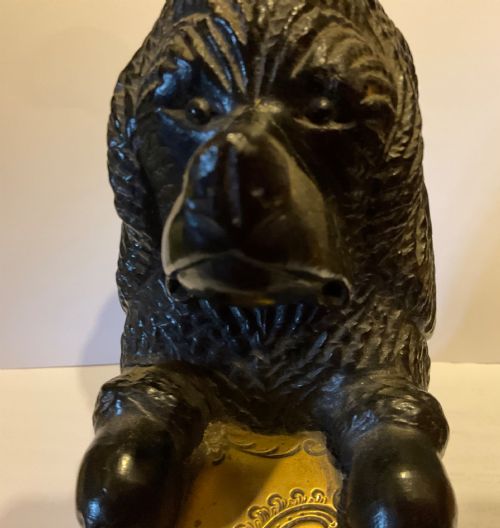
Buyers will encounter items ranging from simple earthenware pottery to intricate carved wood and cold-painted bronze figures. Each version brings a distinct texture and period style to a desk scheme.
Materials and construction methods
Foundry casting shapes many of the metal pieces, utilising bronze, brass, and cast metal finished with cold-painted pigments or silver. Artisans also worked with precious metals like sterling silver for items such as letter openers.
Natural stones such as jade, marble, and soapstone appear in specific regional bookends, shaped alongside organic materials like enamel and gold leaf. These varied substances dictate the weight and tactile quality of each accessory.
Listings feature items from the Victorian period through to 1930s Interwar styles, utilising bronze, glass, earthenware, and carved wood.
Distinctions in standard and execution
The preservation of original cold-painted surfaces, glazes, and patination dictates the integrity of an object. Intact finishes without extensive retouching preserve the historical authenticity of the piece.
Complexity of function also plays a role, as triple inkwells, lidded tobacco boxes, and articulated match dispensers require intricate joinery and mechanism work compared to simple bookends.
The Antique Dog Desk Accessory Glossary
- Cold-painted bronze
- A technique where bronze figures receive paint layers that are left unheated, common in Austrian animal bronzes from the early twentieth century.
- Black Forest carving
- Woodwork originating from central Europe featuring naturalistic animal subjects, often incorporating hinged lids and glass eyes.
- Staffordshire pottery
- Earthenware figures produced in English potteries, frequently moulded as dogs holding baskets or serving as inkwells.
- Table lighter
- A decorative functional device fuelled to produce a flame, often styled as an animal figure during the interwar period.
- Quill holder
- A desk accessory designed to support writing implements before the widespread use of steel nib pens.
Antique Dog Desk Accessory: Frequently Asked Questions
What is an antique dog desk accessory used for?
These items serve practical tasks on a writing desk, functioning as inkwells, bookends, match holders, or quill stands. They organise stationery while displaying canine forms modelled in bronze, wood, or ceramic.
Collectors place them on working desks or display shelves to add period character and practical utility to a room.
What materials were commonly used for these desk accessories?
Maker materials include cast bronze, brass, carved wood, earthenware, and sterling silver. Some pieces incorporate glass inserts for inkwells and stone bases like marble or jade.
Painted surfaces, cold-painting techniques, and gold leaf additions appear across Victorian and Edwardian examples.
Are these desk accessories Victorian or later?
The pieces span several decades, starting from the mid-nineteenth century Victorian era through the Edwardian period and into 1930s Art Deco designs. Victorian examples often feature Staffordshire pottery and carved wood.
Later items from the 1920s and 1930s introduce cast metal table lighters and stylised bookends reflecting interwar aesthetics.