









Antique Dog Carving
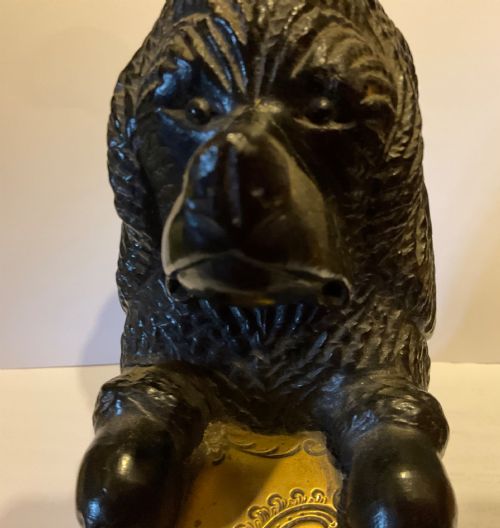
When you search for an antique dog carving, you uncover sculptural works in wood, bronze and marble that bring historical canine subjects into domestic spaces.
Antique Dog Carving
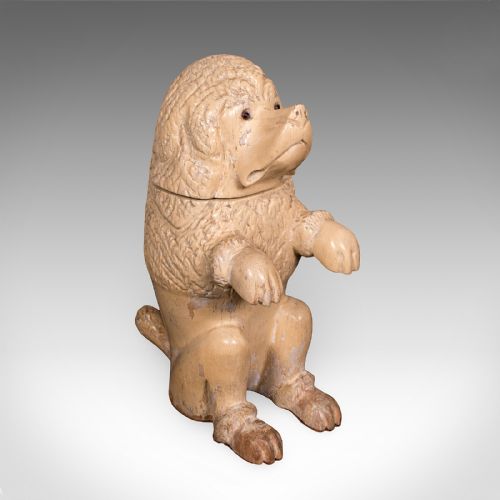
The antique dog carving category encompasses sculptural figures, functional items such as match dispensers and tobacco boxes, and furniture supports originating primarily from the nineteenth century.
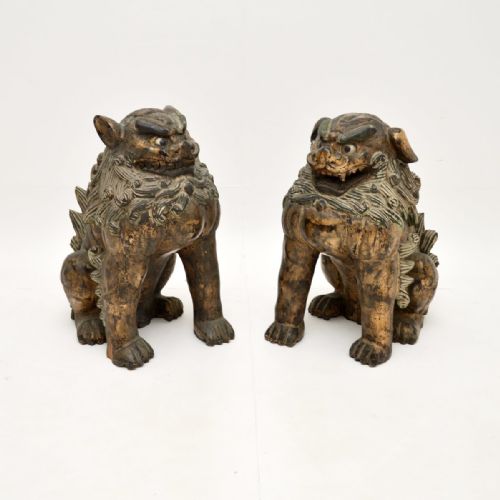
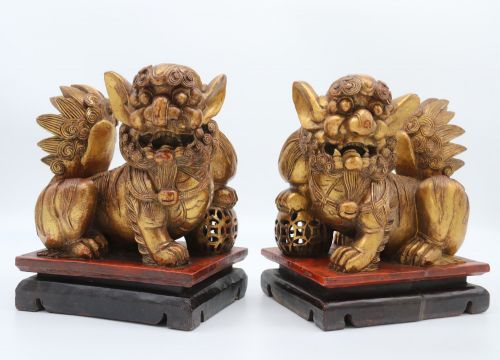
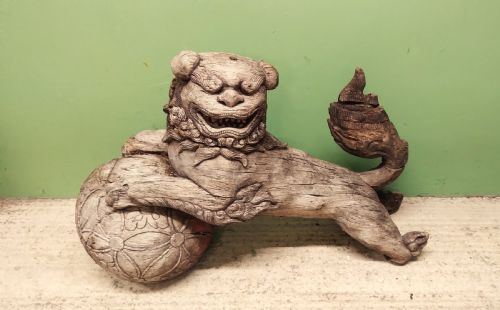
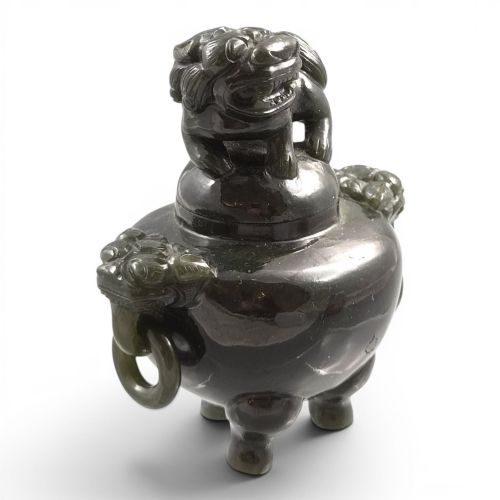
Pieces frequently emerge from European traditions, notably Black Forest workshops, alongside Chinese interpretations including Foo Dogs and Temple Guards rendered in wood or bronze.
Buyers encounter everything from small desk accessories and bookends to substantial life-sized wooden hounds and side tables shaped as seated dogs.
Materials and construction
Carved wood dominates the selection, utilising timber varieties such as fruitwood, oak, boxwood, and root wood shaped through manual chiselling.
Metals including bronze, brass, and steel appear in sculptural castings and fireplace accessories, while stone and marble provide dense bases and figures.
Artisans applied surface treatments ranging from natural polished finishes to gilt and lacquer, depending on the regional style and period.
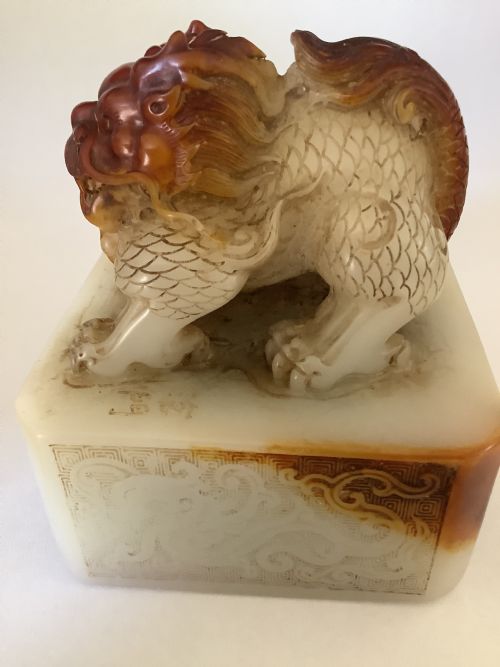
Listings feature materials spanning carved wood, bronze, marble, brass, steel, and jade across the nineteenth and early twentieth centuries.
Judging the execution
Quality rests upon the anatomical precision and expression captured by the carver or metal caster, distinguishing lifelike studies from rigid forms.
The depth of undercut in carved wood and the crispness of detail in cast bronze reveal the maker's proficiency and the time invested in finishing the piece.
The integration of the carving with its functional purpose, whether as a tobacco jar lid or walking stick handle, dictates the success of the object.
Carl Kauba·Bright And Sons
The Antique Dog Carving Glossary
- Black Forest
- A style of wood carving originating from the Swiss and German mountain regions, known for realistic animal subjects and rustic furniture.
- Foo Dog
- A traditional Chinese guardian lion, frequently represented in pairs guarding sacred spaces and domestic interiors.
- Treen
- Small handmade wooden household objects created before the advent of mass production, valued for their tactile surface and utility.
- Grand Tour
- Cultural travel undertaken by wealthy Europeans in the eighteenth and nineteenth centuries, bringing home classical sculpture and souvenirs.
- Meerschaum
- A soft white mineral used for carved tobacco pipes and cheroot holders, noted for absorbing nicotine and changing colour over time.
Antique Dog Carving: Frequently Asked Questions
What wood was used?
Makers utilised a variety of regional timbers, with fruitwood, boxwood, oak, and root wood appearing frequently across European and Asian pieces.
Softer woods allowed for deep undercutting in elaborate fur details, while denser hardwoods offered durability for structural forms and furniture.
How were they used?
Many carvings served dual purposes as functional domestic objects, including tobacco jars, match dispensers, cigar humidors, and bookends.
Others functioned purely as decorative sculptures, fireplace companions, walking stick handles, or architectural guardians in temples and homes.
Where were they made?
The evidence points to distinct geographic centres, including European workshops in the Black Forest region alongside traditional Chinese artisan studios.
Materials and stylistic motifs such as Foo Dogs or Alpine hounds generally reflect the specific regional heritage of the maker.
How old are they?
Most surviving examples date from the nineteenth century, spanning the Victorian and Edwardian eras, with occasional pieces from the late eighteenth century and early twentieth century.
Stylistic conventions and material treatments help contextualize the production period of each individual carving.