




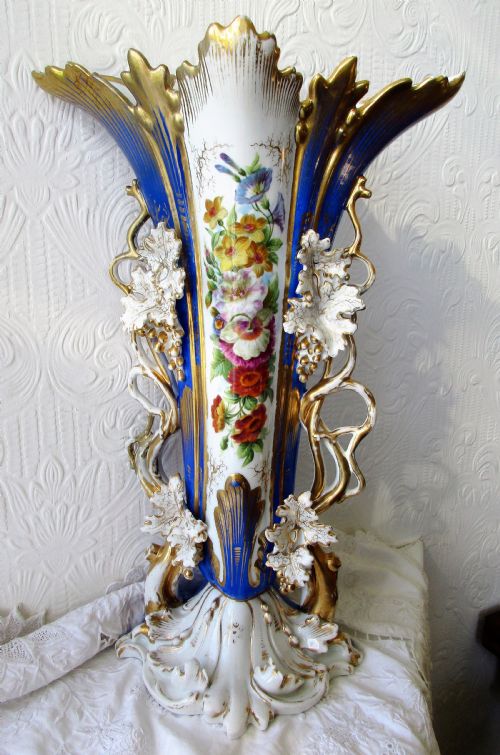
Antique Display Vases
Antique display vases bring monumental colour and intricate hand-painted detail to a room, ranging from grand floor vessels to delicate cabinet pieces.
Antique Display Vases
When searching for antique display vases, collectors encounter a diverse array of ceramic, glass, and bronze forms designed purely for ornamental impact rather than utilitarian function. These objects span multiple centuries, originating from European factories, English potteries, and East Asian kilns during the nineteenth and early twentieth centuries.
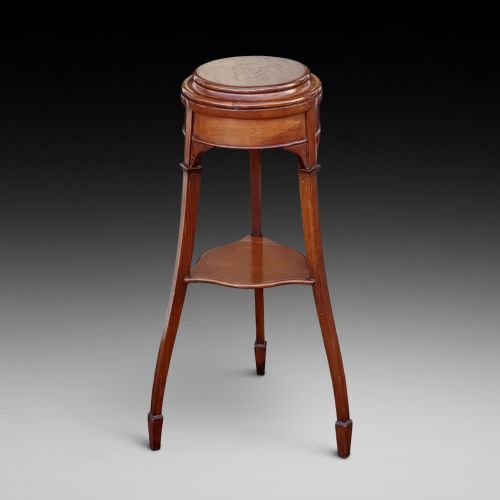
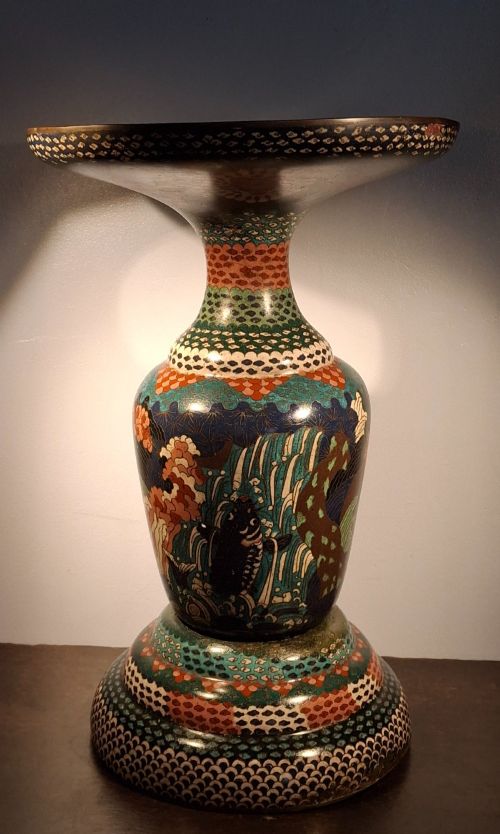
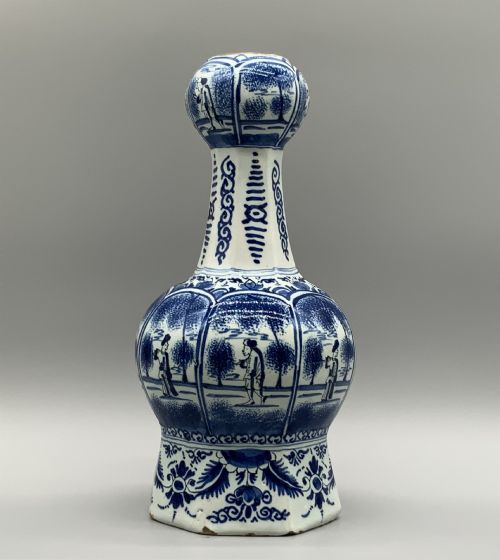
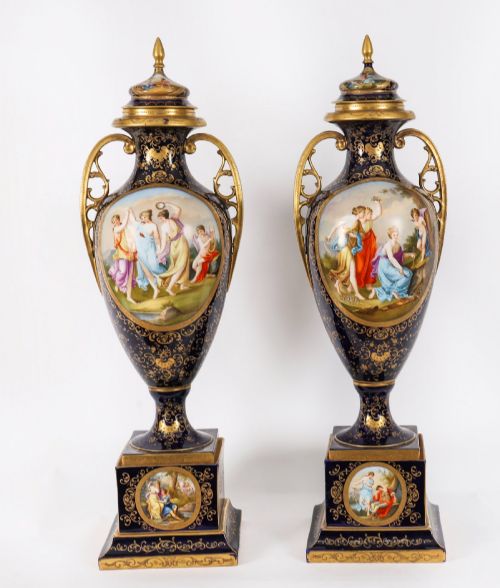
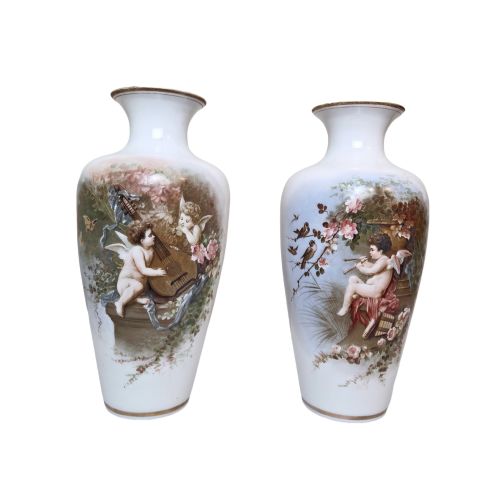
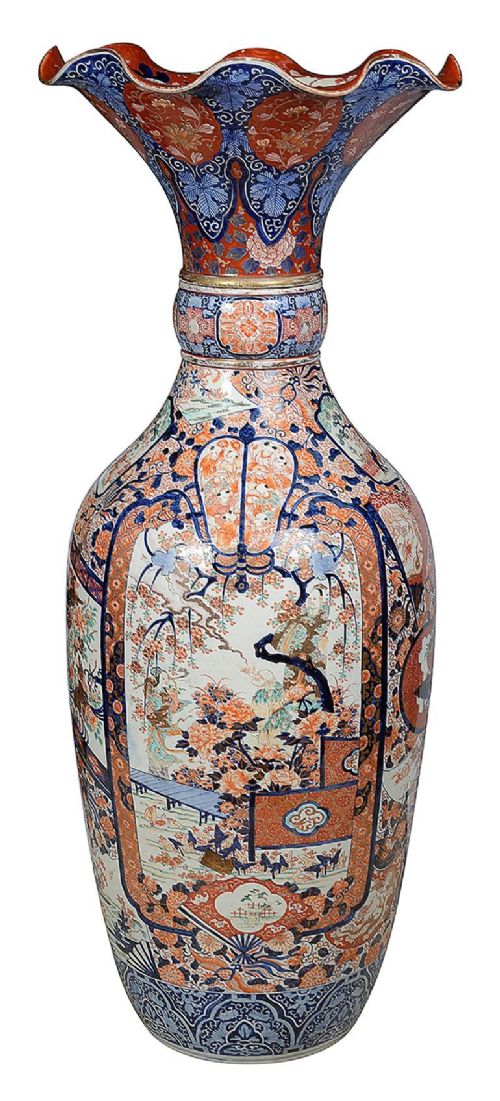
The pieces appearing on this page include towering Japanese Imari and Satsuma vessels, Dutch Delft blue and white faience, and ornate Victorian porcelain. Floor vases, lidded jars, and table centrepieces feature prominently alongside dedicated plant and vase stands carved from hardwood with marble inserts.
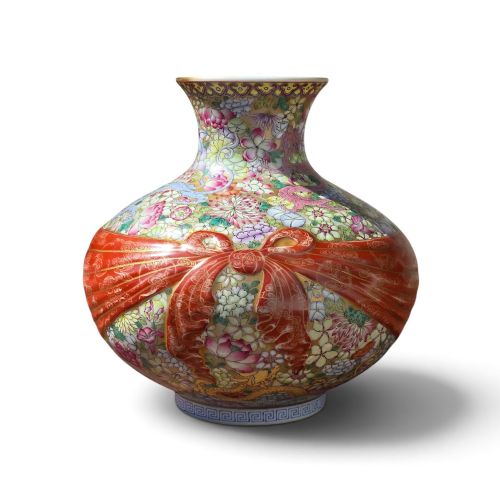
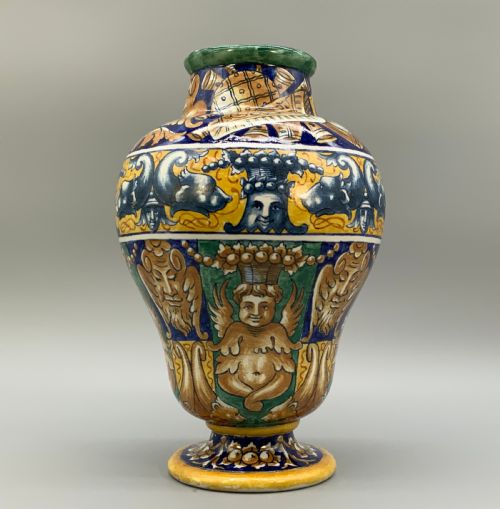
Buyers frequently find regional variations such as Chinese Famille Rose ceramics and English cranberry glass epergnes alongside continental majolica urns. Each style carries distinct cultural motifs, from Meiji period dragon processions to seventeenth-century chinoiserie bird and flower panels.
Materials and production techniques
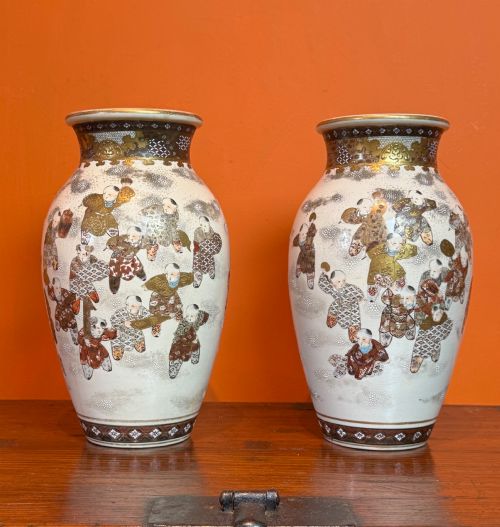
Potters and glassmakers utilised diverse mediums, combining porcelain, earthenware, and heavy crystal glass with surface applications of gold leaf, enamel, and hand-poured glazes. Japanese Satsuma production relied on fine earthenware bodies finished with complex moriage relief work and delicate gilt figural processions.
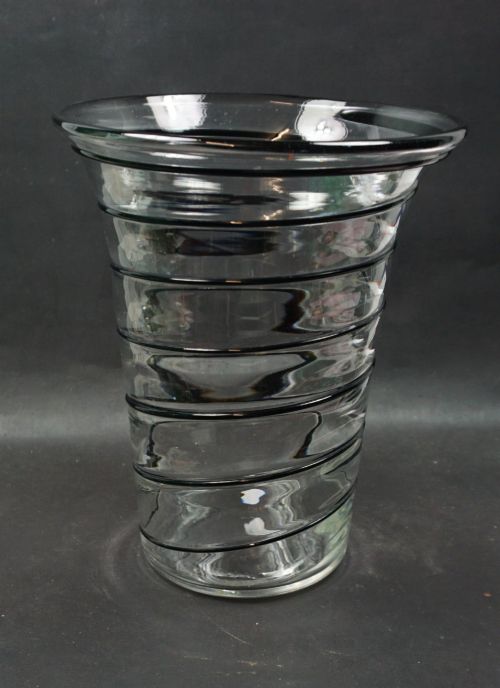
European factories employed refined porcelain bodies decorated with polychrome enamel transfers and meticulous hand painting by named artists. Glass production incorporated acid etching, cranberry staining, and raised gold enamel ornamentation on tall vessels and table centrepieces.
Carved hardwood and bronze casting provided structural support for stands and heavy oriental bronze urns. Artisans applied cobalt blue pigments under the glaze for traditional Delft and Imari palettes, while others utilised iron-red ribbons and millefleurs patterns.
Antique Display Vases Retail Price Guide 2026
Typical asking prices for display vases among the pieces listed under this phrase on Sellingantiques today, from the lower quarter to the upper quarter. They describe what is for sale here now, not the wider market.
Some nineteenth-century Japanese vases feature tiny painted samurai who appear remarkably relaxed despite facing charging dragons.
Measures of distinction
The distinction between standard commercial output and exhibition quality rests entirely upon the precision of the hand painting and the complexity of the modelled form. Master artisans working for celebrated houses executed intricate figural scenes and dense gilt detailing that required exceptional brushwork control.
Scale and ambition separate imposing monumental vessels from smaller cabinet pieces. Large floor-standing Satsuma and Royal Vienna porcelain vases demand superior structural firing techniques to prevent warping, elevating pieces that maintain symmetry at high dimensions.
The presence of artist signatures, factory marks, and specific mon designations confirms the origin and tier of production. Pieces created for international exhibitions or bearing documented signatures command greater attention from serious collectors of nineteenth-century ceramics.
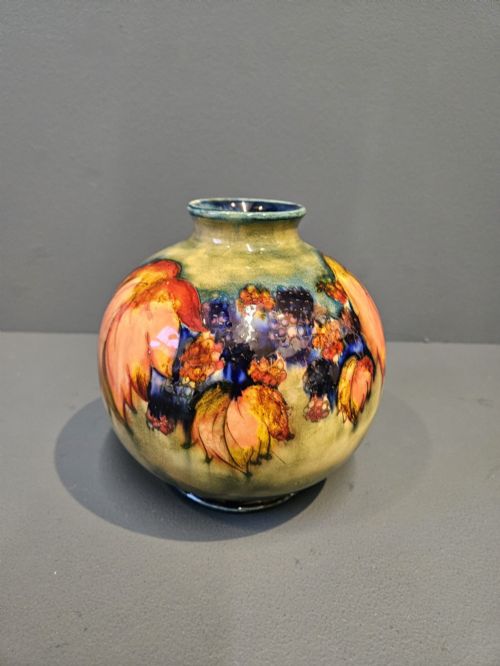
Royal Vienna·Moorcroft·Reissner Stellmacher and Kessel·Coalport·Kinkozan·Hododa
The Antique Display Vases Glossary
- Imari
- A style of Japanese porcelain decorated in underglaze blue, iron-red, and gold. This palette was exported extensively to European markets from the Edo period onward.
- Satsuma
- A type of Japanese earthenware featuring an ivory-coloured, crackle-glazed body. It is typically decorated with polychrome enamels and extensive gilding.
- Faience
- Tin-glazed earthenware produced in Europe, particularly in France, the Netherlands, and England. It frequently imitates Chinese porcelain designs through blue and white or polychrome painting.
- Moriage
- A Japanese ceramic technique using slip trailed from a tube to create raised decorative dots and lines. This method adds a tactile, three-dimensional texture to the surface.
- Epergne
- A large table centrepiece featuring multiple branching dishes, baskets, or vases. Victorian examples frequently utilise cranberry or coloured glass.
- Chinoiserie
- European artistic styles reflecting Chinese motifs and decorative techniques. Artisans applied these interpretations to ceramics, furniture, and decorative vases.
Antique Display Vases: Frequently Asked Questions
How do I display large floor vases?
Large floor vases require secure positioning in low-traffic corners or against sturdy walls where accidental knocks can be avoided. Placing them on flat, level flooring ensures stability for heavy ceramic and bronze bodies.
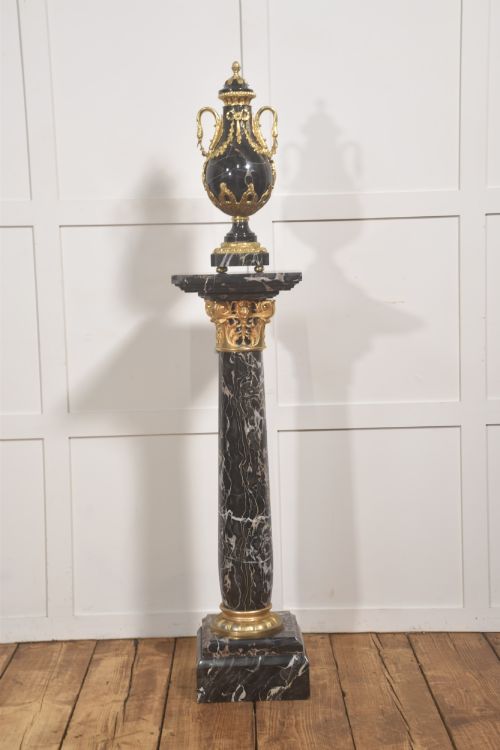
Pairing oriental or European urns with matching stands elevates their height and protects the base from dampness or wear.
What is Satsuma ware?
Satsuma ware is a distinct category of Japanese pottery characterised by a warm, ivory-coloured earthenware body covered in a fine network of transparent glaze cracks. Artisans decorated these surfaces with detailed figures, landscapes, and raised enamel.
Exhibition pieces from the Meiji period often feature dense gilt processions and mon crests belonging to noble Japanese families.
How do I distinguish Delft from other ceramics?
Delft pottery is recognised by its tin glaze, which provides an opaque white background for blue and white or polychrome painting. Seventeenth-century examples frequently feature Dutch interpretations of Chinese chinoiserie motifs.
Later European revivals imitated these tin-glazed earthenwares, maintaining the distinctive manganese blue and white colour schemes.