


Antique Display Unit
An antique display unit organises books and objects with period character, bringing traditional cabinet-making and open shelving into modern rooms.
Antique Display Unit
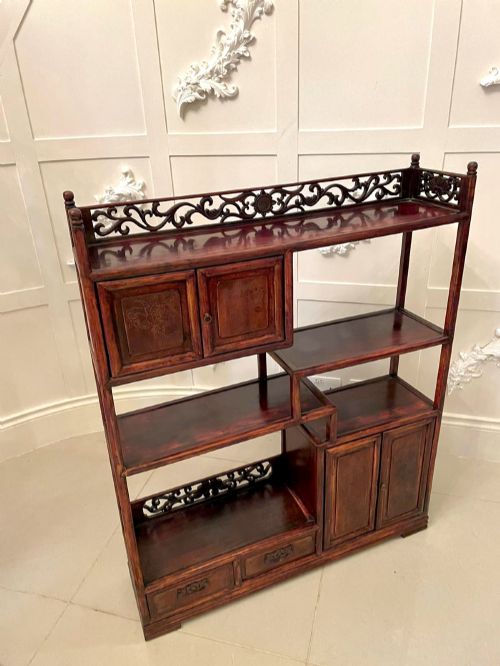
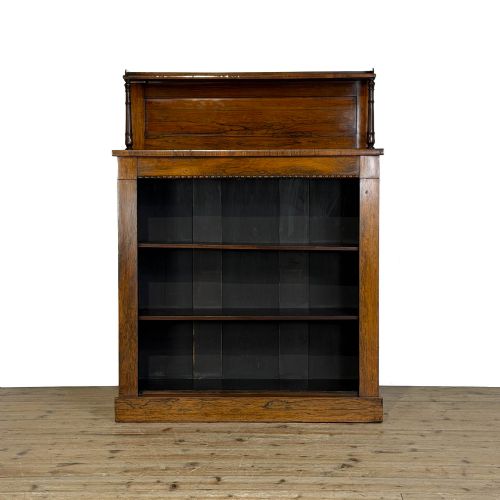
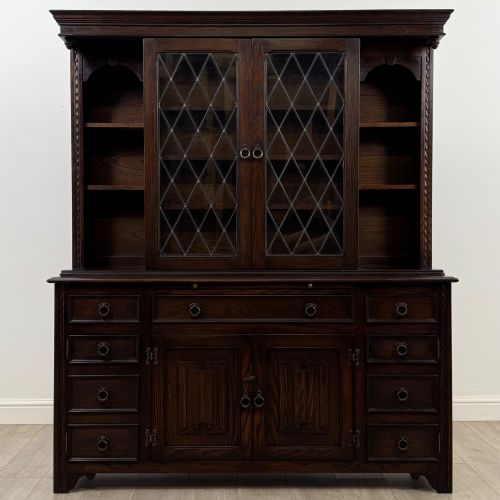
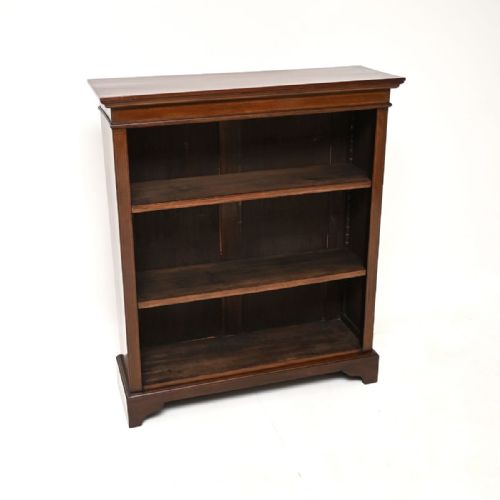
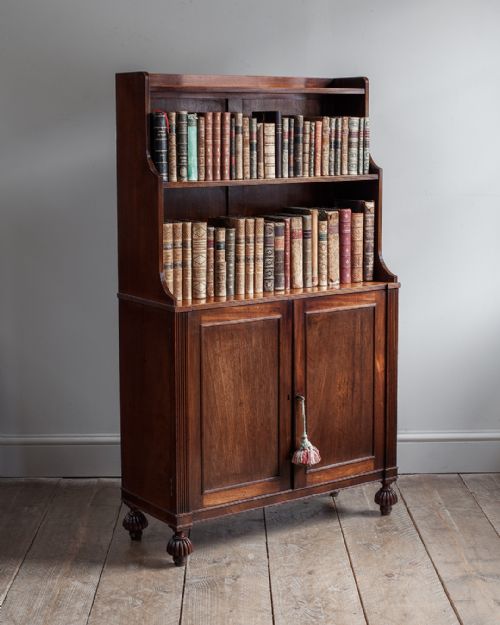
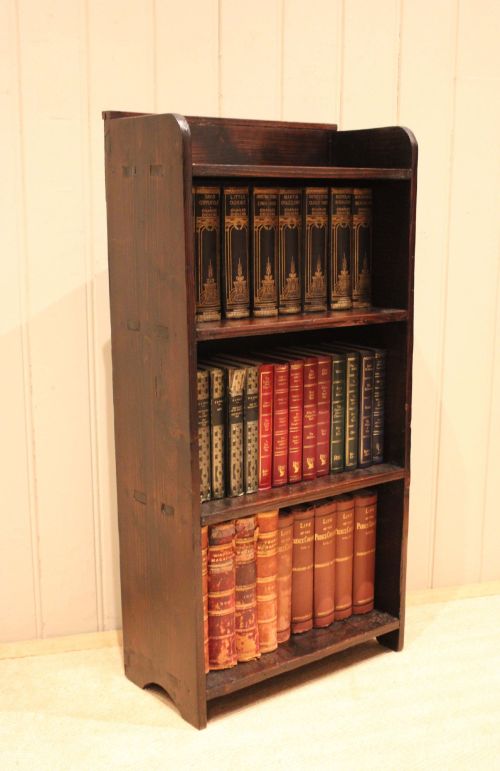
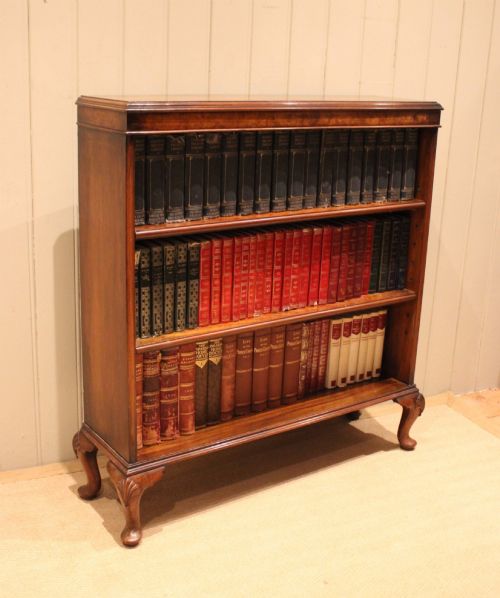
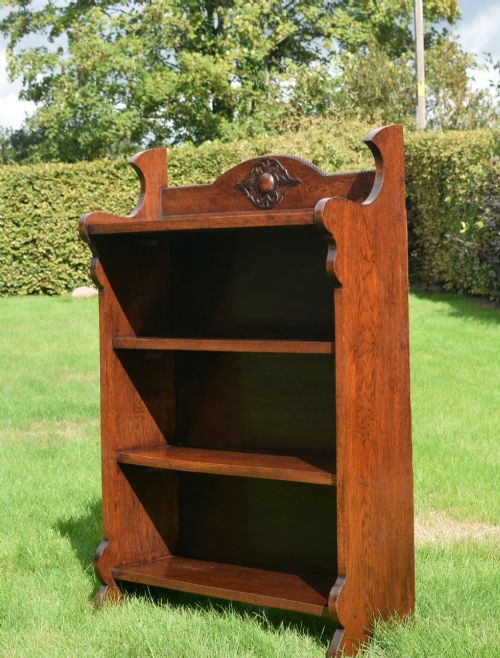
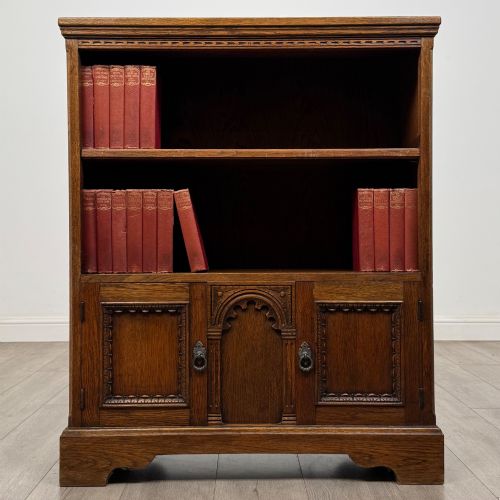
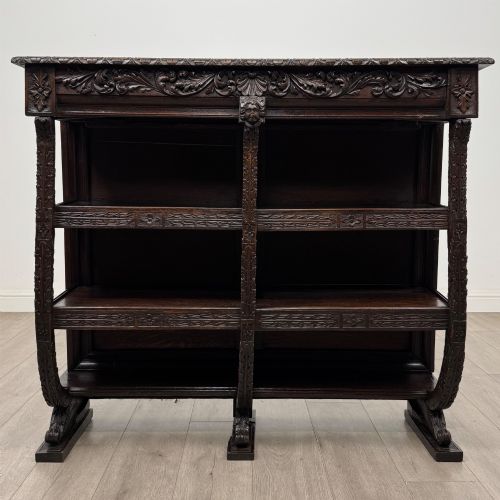
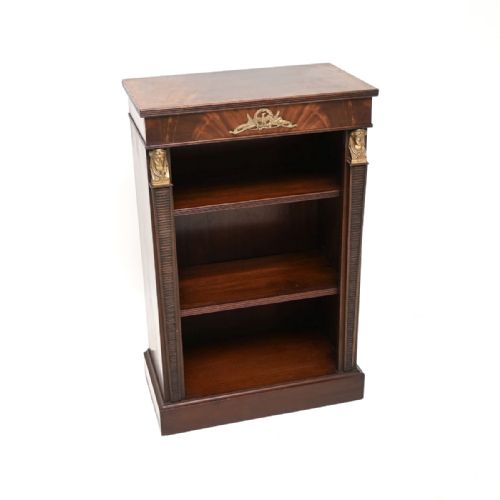
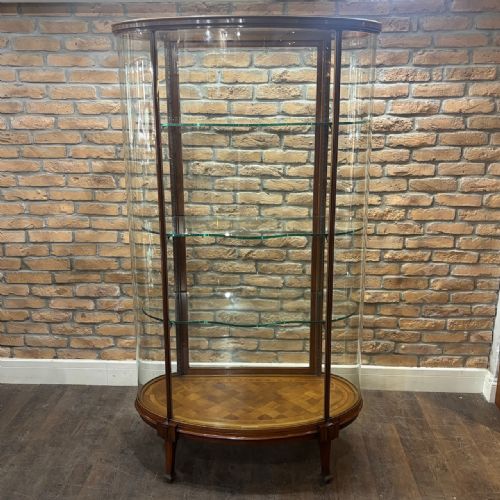
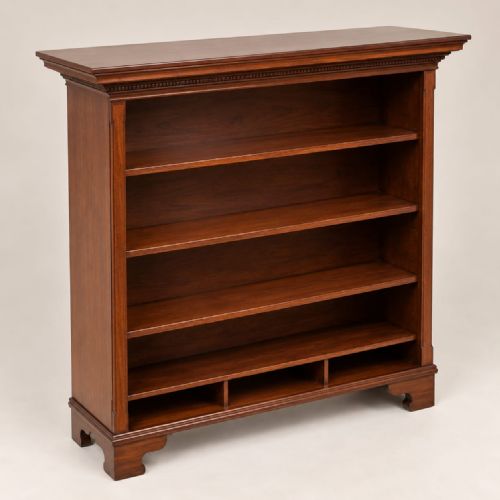
An antique display unit encompasses open bookcases, glazed display cabinets, corner cupboards, and multi-tiered whatnots designed to hold books and treasured possessions. These pieces appear across Victorian, Edwardian, Regency, and Georgian periods, reflecting the domestic storage needs of past centuries.
Makers and workshops constructed these units to serve functional roles in the home, combining utility with decorative styles such as Arts and Crafts, Neoclassical Empire, and Jacobean Revival. Surviving examples demonstrate how homeowners displayed literature and curiosities before the advent of modern modular furniture.
How they were made
Cabinet-makers relied heavily on solid timber foundations, constructing carcasses primarily in oak, mahogany, walnut, and pine. Timber selection dictated both the visual weight and the structural integrity of each bookcase or display cabinet.
Makers enhanced surfaces through decorative techniques including intricate carving, marquetry inlay, and figured burr walnut veneers. Brass fittings such as castors and handles appear on finer pieces to assist mobility and provide functional contrast against dark wood.
Glazing techniques incorporated lead or clear glass panels within doors to protect delicate contents from dust while maintaining visibility. Shelving systems frequently utilised adjustable wooden supports to accommodate varying heights of books and ornamental objects.
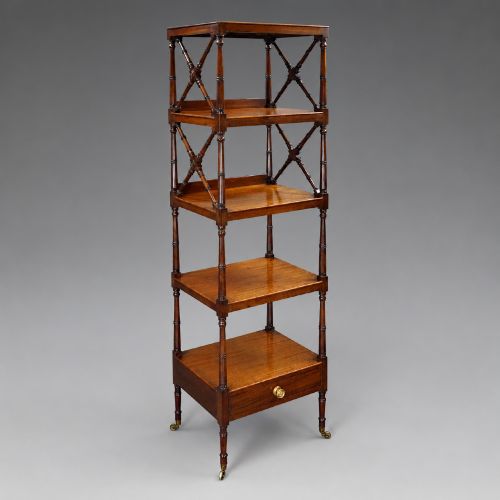
Some Victorian whatnots roll easily across the carpet on small brass castors, ready to follow you from the parlour to the library.
What varies in quality
The grade of timber and the choice of veneer establish the baseline quality of an antique display unit. Pieces featuring highly figured burr walnut or carefully matched mahogany represent a higher tier of craftsmanship than standard utility pine.
Refinement in secondary details, such as hand-carved mouldings, precise corner joinery, and fine marquetry inlay, separates standard production from superior workshop output. The presence of original brass hardware and well-fitted adjustable shelving mechanisms further elevates a piece.
F. Sage and Co
The Antique Display Unit Glossary
- Whatnot
- A set of open shelves supported on small pillars or columns, designed for displaying ornaments and small objects. These pieces often feature multiple tiers and sometimes incorporate drawers.
- Waterfall bookcase
- A tiered shelving unit where each successive shelf is deeper than the one above, creating a cascading silhouette. This style gained popularity during the Regency and Victorian periods.
- Inlay
- A decorative technique where contrasting materials such as lighter woods or brass are inserted into recesses within the primary wood surface. This creates flat, ornamental patterns across doors and friezes.
- Linenfold
- A carved wooden panel motif that mimics the appearance of folded fabric, commonly found on Tudor Revival and early twentieth-century oak furniture. The carving creates subtle texture and shadow on cabinet doors.
- Barley twist
- A turned wooden column or leg carved in a helical, rope-like spiral. This decorative turning technique appears frequently on seventeenth-century revival and Victorian furniture.
- Corner cabinet
- A specialised storage unit constructed with a triangular footprint designed to fit directly into a room angle. These pieces maximise floor space while offering shelved storage behind panelled or glazed doors.
Antique Display Unit: Frequently Asked Questions
What is an antique display unit?
An antique display unit is a piece of wooden furniture designed to hold books or exhibit decorative objects within the home. Categories range from open bookcases and hanging shelves to glazed cabinets and corner cupboards.
These pieces originate from periods spanning the Georgian era through to the early twentieth century. They utilise traditional materials such as oak, mahogany, and walnut to combine practical storage with decorative presence.
How were open bookcases used?
Open bookcases served primarily to store domestic libraries and personal collections of literature within studies, libraries, and drawing rooms. Their accessible shelves allowed everyday reading material to remain close at hand.
Over time, owners also utilised these shelves to display ceramic figures, framed photographs, and curiosities. This dual purpose made them central fixtures in formal and informal living spaces alike.
How do I style an antique display unit?
Integrating an antique display unit into a modern interior works best by balancing books with carefully chosen decorative objects. Grouping volumes by height and colour creates visual rhythm, while leaving some shelf space empty prevents overcrowding.
Pairing the rich tones of oak or mahogany with contemporary neutral walls allows the historical timber to stand out. Mixing antique bookbindings with simple ceramics bridges historical craftsmanship and modern living.
How do I tell Victorian from Edwardian bookcases?
Victorian bookcases generally feature darker, heavier timbers like carved oak or dense mahogany, often accompanied by elaborate mouldings and barley twist turnings. Their construction emphasises structural weight and rich, dark patination.
Edwardian pieces tend to be lighter in appearance, frequently employing golden oak, delicate string inlay, and refined Edwardian proportions. They reflect a shift towards brighter, less imposing domestic interiors at the turn of the twentieth century.