

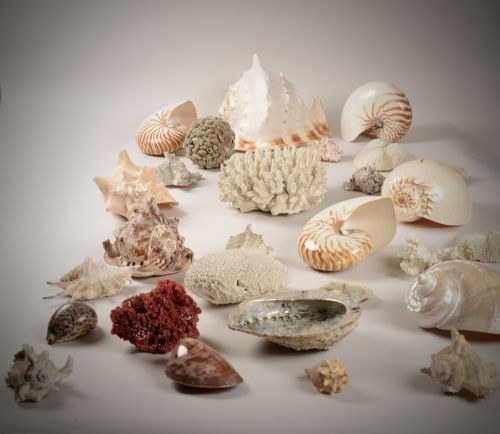


Antique Collection Cabinet
An antique collection cabinet houses your treasures behind glass, preserving curious finds from dust while putting them on full display.
Antique Collection Cabinet
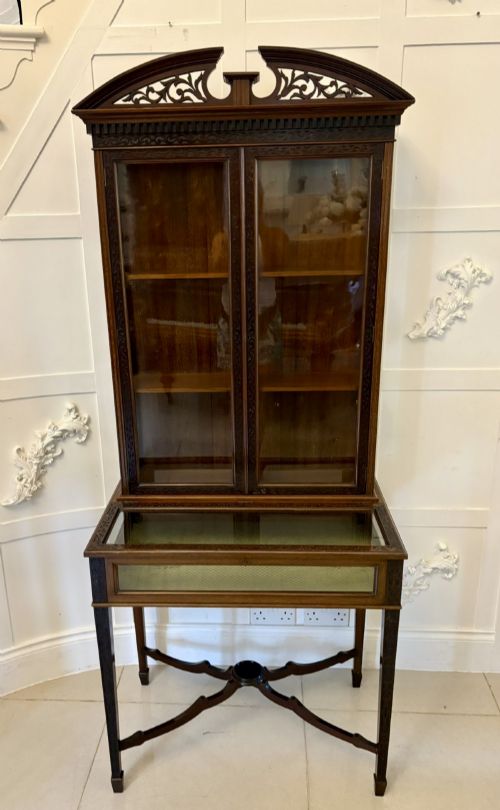
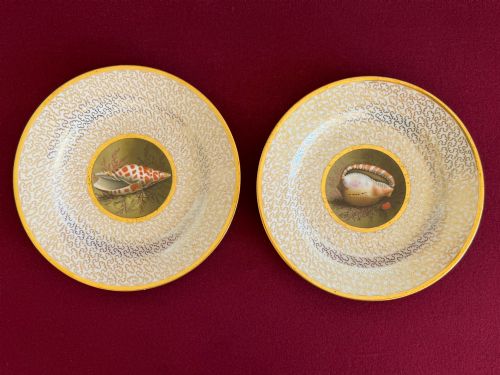
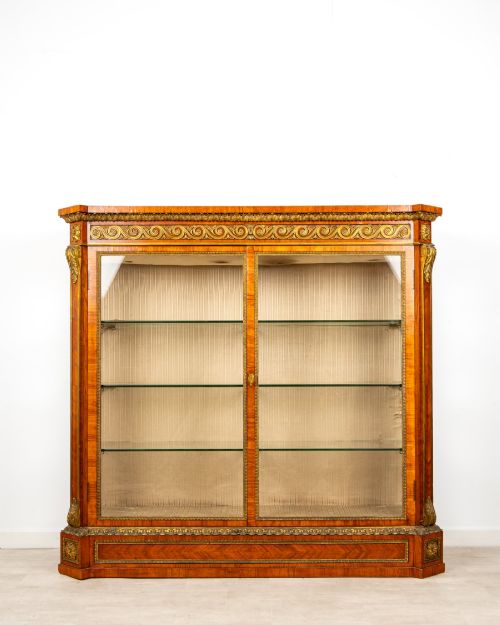
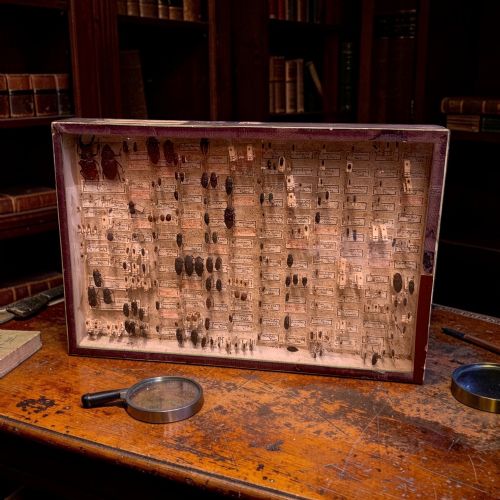
When you search for an antique collection cabinet, you encounter specialised display furniture designed to hold everything from natural history specimens and porcelain plates to games compendiums and miscellaneous curiosities. The pieces on this page span several eras, moving from Victorian and Georgian examples through Edwardian interpretations up to the early twentieth century.
The forms vary significantly depending on their original purpose, ranging from carved mahogany bijouterie cases and entomology drawers to ornithological cabinets and barbershop stands. Mahogany and wood dominate the structural framework, while glass panels and brass fittings ensure the contents remain visible and secure.
You will also find related decorative objects and collection pieces alongside the primary furniture, including Japanese Imari plates and specimen display cases. These items reflect the Victorian and Edwardian passion for assembling and exhibiting orderly groups of objects.
How these pieces were made
Cabinet makers utilised dense timbers like mahogany, burr walnut, and oak to construct the main bodies of these pieces, often adding carved details or fine wood inlays. Glass was fitted into doors and lift-up lids to protect fragile contents while maintaining visibility.
Metal components such as brass hinges, locks, and handles provided structural integrity and security for valuable contents. Gilt-bronze mounts and gold leaf occasionally appeared on high-status nineteenth and twentieth-century examples to elevate their visual presence.
Antique Collection Cabinet Retail Price Guide 2026
Typical asking prices for collection cabinet among the pieces listed under this phrase on Sellingantiques today, from the lower quarter to the upper quarter. They describe what is for sale here now, not the wider market.
The available selection includes pieces spanning from the Georgian era through Victorian times up to the 1930s.
What varies in quality
The standard of timber selection and cabinet work separates standard utility furniture from finer workshops. Closely fitted joints, well-chosen wood grain, and crisp carving distinguish better examples.
The quality of the glazing, the weight of the brass hardware, and the integration of specialised velvet or fabric linings dictate the overall execution of the display piece.
Barr Flight and Barr·H J Hatfield And Sons
The Antique Collection Cabinet Glossary
- Bijouterie cabinet
- A display table or cabinet featuring a glazed top and sides specifically designed for small ornaments, jewellery, and delicate curiosities. These pieces often lift open from above.
- Imari plate
- A type of Japanese porcelain decorated in underglaze blue, iron red, and gold, highly prized by European collectors during the Victorian and Edwardian periods.
- Entomology case
- A shallow wooden box or cabinet fitted with tightly sealed drawers intended for housing and preserving insect collections. They rely on precise construction to keep out pests.
- Compendium
- A multi-functional box or cabinet holding various games, writing materials, or sewing tools within a single fitted interior. They showcase clever internal carpentry.
- Ornithological cabinet
- A specialised piece of furniture built to store bird specimens, eggs, or related study materials in shallow, dust-proof drawers.
Antique Collection Cabinet: Frequently Asked Questions
What fits inside an antique collection cabinet?
These cabinets house small artefacts, ceramics, geological specimens, and assorted curiosities behind glass or within specialised drawers.
Owners historically used them to organise and exhibit personal study collections or decorative items gathered during travels.
How do I clean the glass and wood?
Dust wooden surfaces gently with a dry, soft cloth and avoid commercial silicone sprays that damage old finishes.
Clean glass panels with a mild solution applied directly to a cloth rather than the wood to prevent moisture damage.
Are the interior linings original?
Many cabinets retain their period fabric or velvet linings, though heavy use or fading sometimes necessitates careful replacement.
Examine the edges and tack work to determine whether the textile matches the age of the surrounding timber frame.
How do I distinguish Victorian from Edwardian styles?
Victorian pieces tend to use heavier dark timbers, dense carving, and formal layouts suited to traditional drawing rooms.
Edwardian designs often display lighter wood tones and influences from earlier French revivals like Louis XVI.