


Antique Display Cabinet Drawers
These antique display cabinet drawers combine storage and visibility, offering a practical way to organise and exhibit collections.
Antique Display Cabinet Drawers
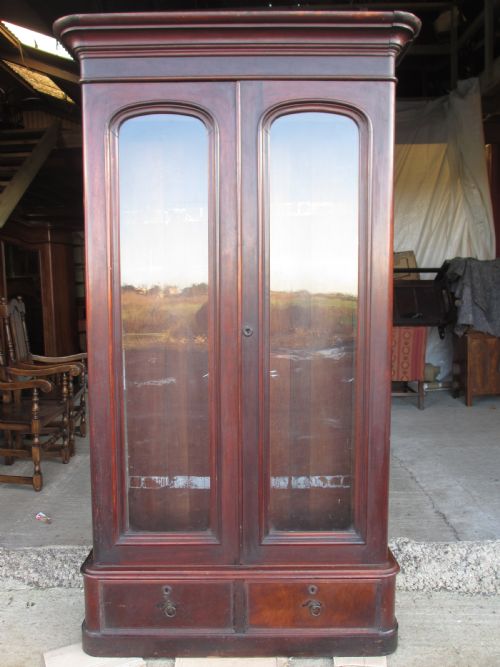
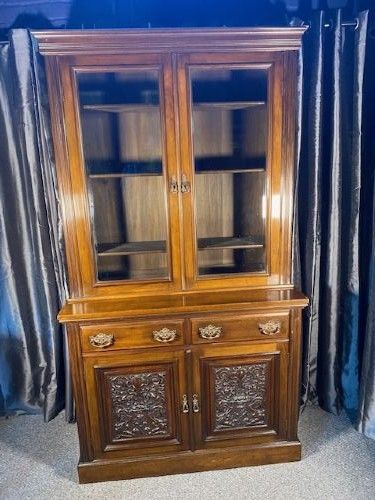
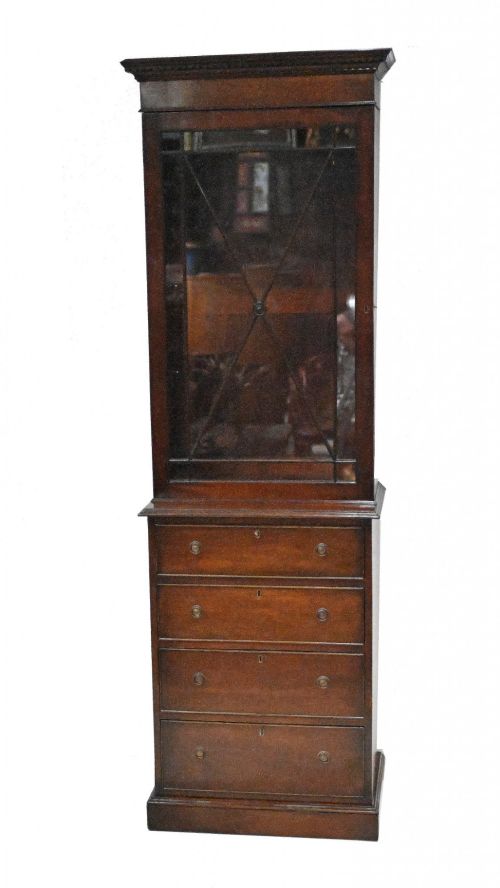
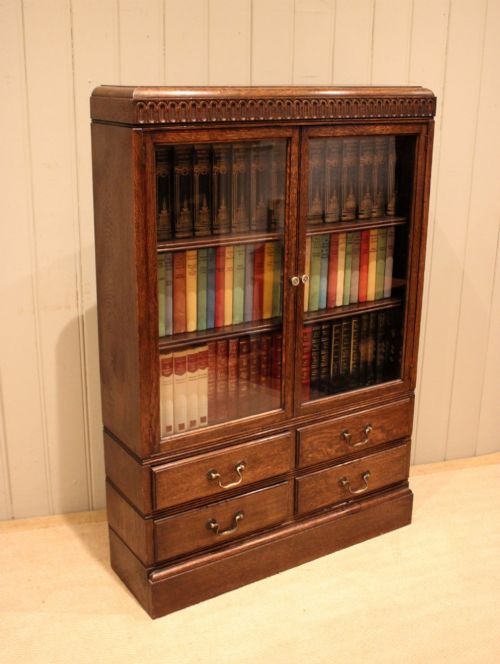
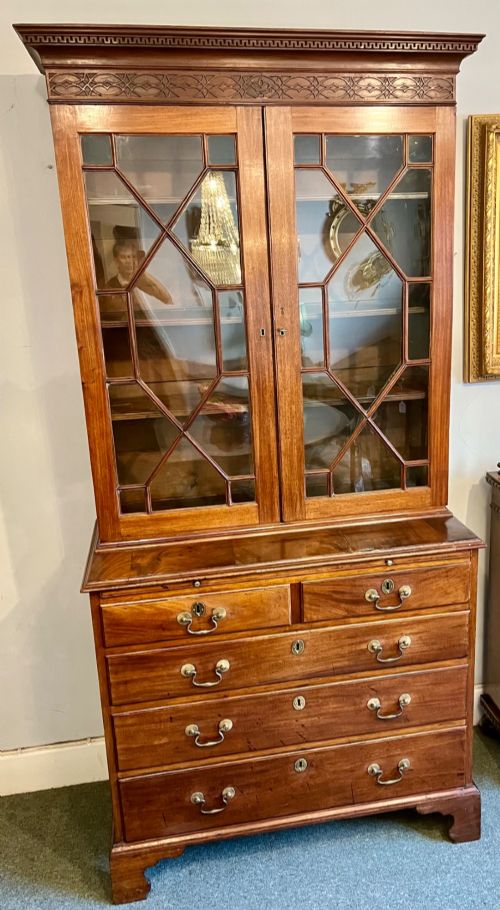
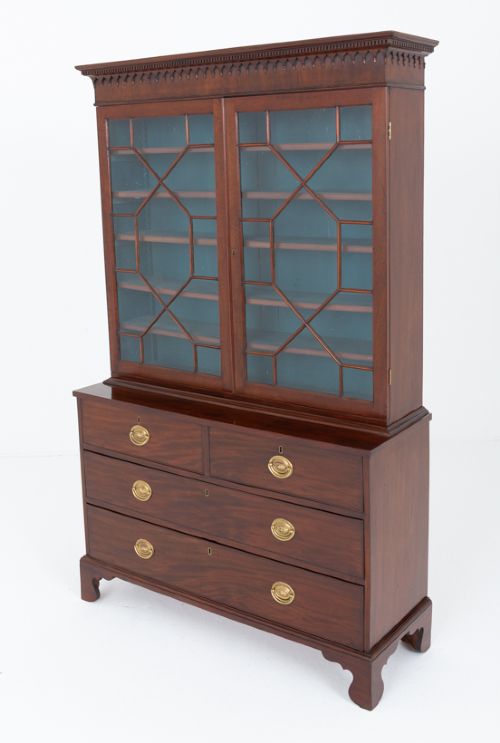
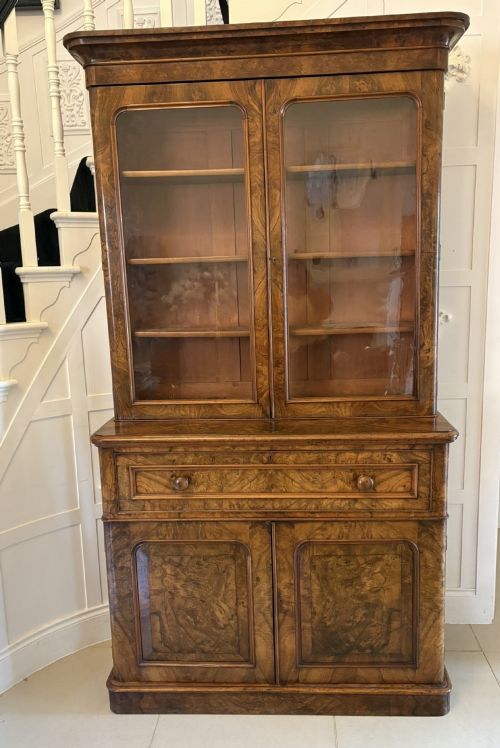
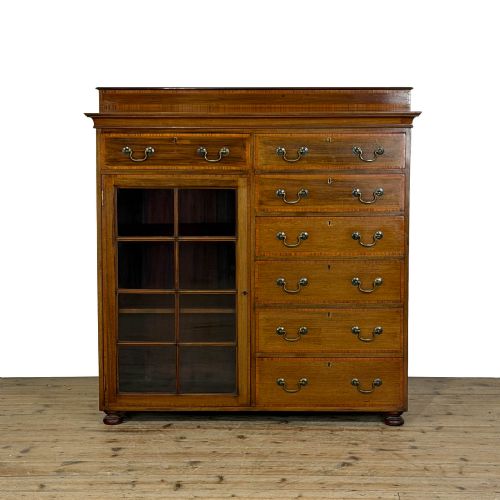
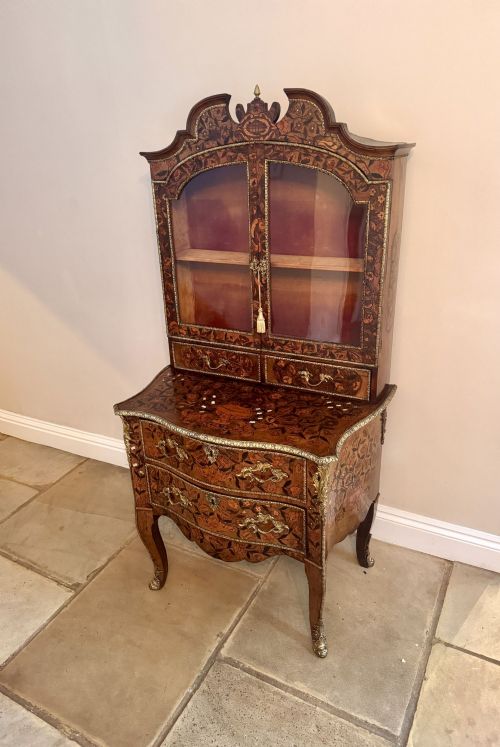
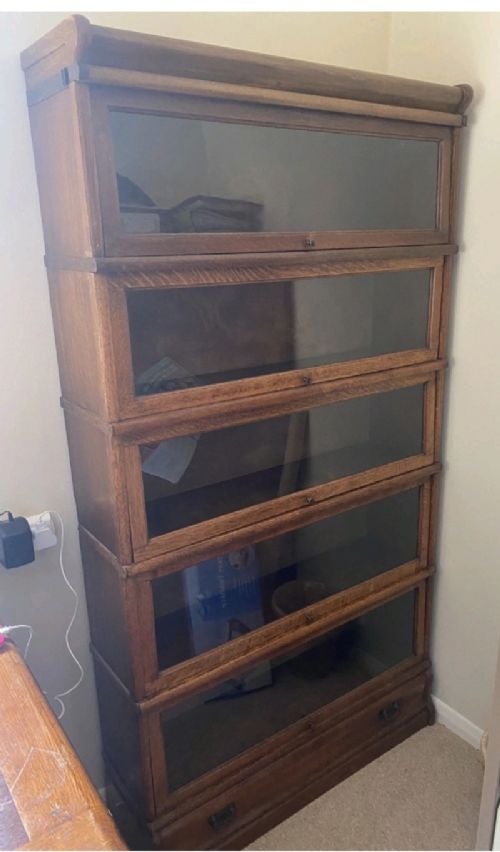
When searching for antique display cabinet drawers, you examine pieces that bridge the gap between enclosed storage and visible presentation. These forms frequently appear as bookcases, dressers, and specialised haberdashery or chemist shop fittings incorporating glass panels and integrated drawer sections.
The selection on this page relies heavily on Victorian and Georgian periods, alongside Edwardian and later twentieth-century iterations. You will regularly encounter mahogany, oak, and pine constructions originating from English, Welsh, Dutch, and Swedish workshops.
How they were made
Cabinet makers utilised dense hardwoods like mahogany, walnut, and satinwood, alongside sturdy structural timbers such as oak and pine. These woods were often enhanced with marquetry, inlay, or painted finishes.
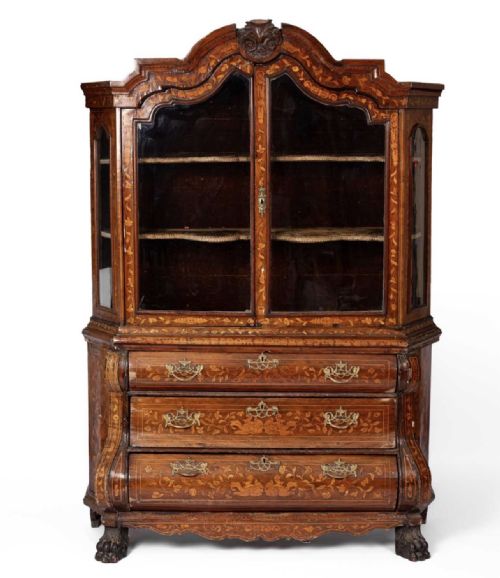
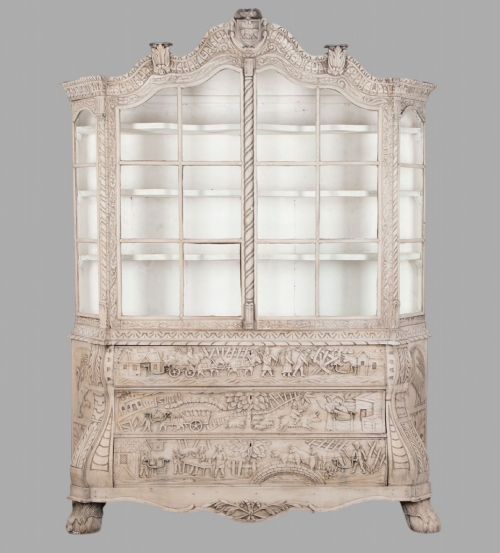
Hardware played a functional and decorative role, featuring brass embellishments, glass doors for viewing contents, and occasionally chrome elements in later pieces. Joinery techniques varied from straightforward drawer construction to complex carved bombé forms and glazed upper display sections.
Antique Display Cabinet Drawers Retail Price Guide 2026
Typical asking prices for display cabinet drawers among the pieces listed under this phrase on Sellingantiques today, from the lower quarter to the upper quarter. They describe what is for sale here now, not the wider market.
Materials documented across the inventory include brass, glass, mahogany, oak, pine, walnut, satinwood, and iron.
What varies in quality
The calibre of a piece rests upon the selection of timber and the precision of the cabinet work, from plain pine shop fittings to intricately carved Dutch marquetry display cabinets. Higher quality examples demonstrate considered grain matching, refined inlay, and well-executed structural details.
Maker attribution also distinguishes certain items, where documented workshops such as Gillows, Edwards & Roberts, or James Winter & Sons imparted superior execution to standard forms.
Gillows·Edwards & Roberts·James Winter & Sons·Dudley & Co
The Antique Display Cabinet Drawers Glossary
- Bom bombé
- A swelling, rounded contour typical of certain continental furniture forms. It creates a bulging profile on cabinet bases.
- Haberdashery cabinet
- A shop fitting designed for retail display and stock storage, usually featuring numerous glass-fronted drawers. They originate from commercial settings.
- Secretaire bookcase
- A tall cabinet incorporating a pull-out writing drawer with fitted compartments beneath a glazed bookcase top. It combines a desk and a display unit.
- Marquetry
- Decorative veneer work arranged in pictorial or geometric patterns using various coloured woods. It ornaments the external surfaces of finer cabinets.
- Welsh dresser
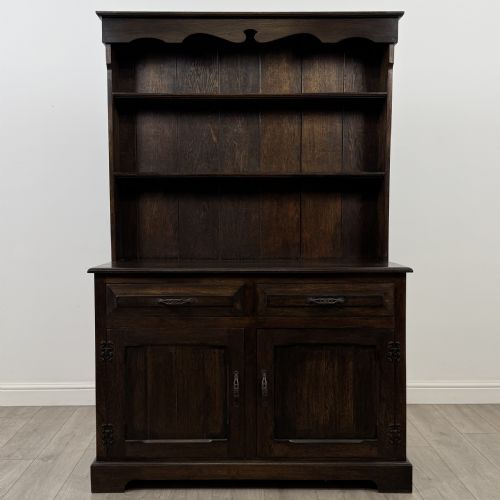
- A traditional kitchen or dining storage form featuring open rack shelving above a base of drawers and cupboards. They are predominantly constructed in oak or pine.
Antique Display Cabinet Drawers: Frequently Asked Questions
What is a haberdashery cabinet?
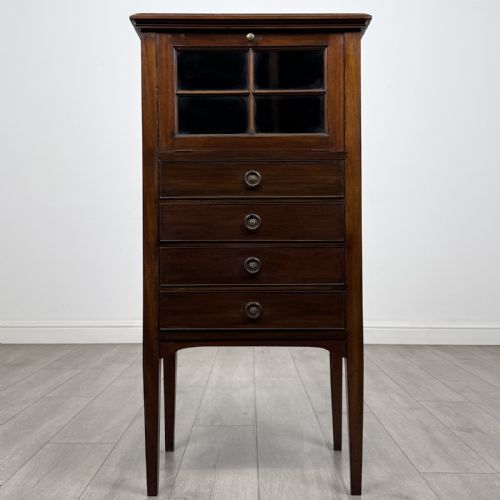
A haberdashery cabinet is a specialised retail storage unit designed for displaying small goods. They typically feature multiple shallow drawers with glass panels for viewing contents.
These pieces originate from nineteenth and twentieth-century shops and translate well into domestic settings for organising collections.
How do I identify a Georgian bookcase?
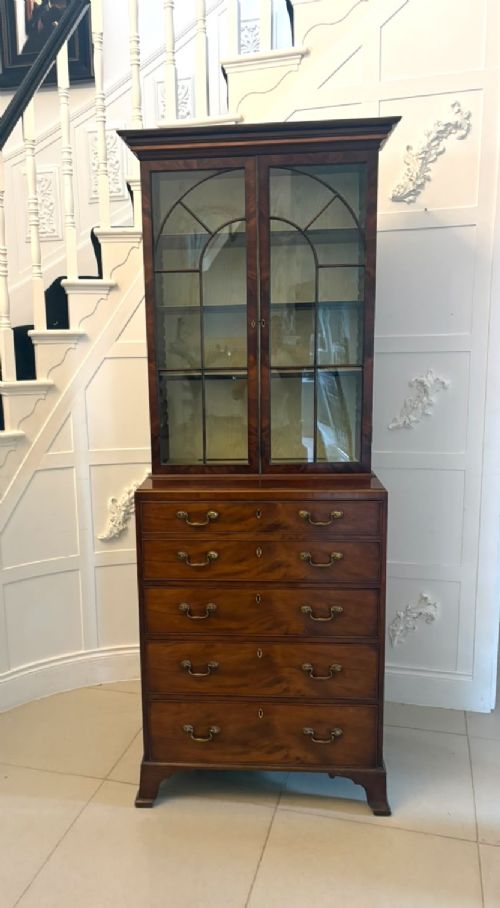
Georgian bookcases date from the eighteenth and early nineteenth centuries, displaying proportions and timber selection typical of the period. They frequently utilise solid mahogany with precise joinery and traditional hardware.
Many examples feature glazed upper doors with wooden glazing bars above a base of drawers or a secretaire section.
Where were Welsh dressers used?
Welsh dressers served as primary storage furniture in domestic kitchens and dining spaces. The open upper racks displayed ceramics, while the lower drawers and cupboards held household provisions.
They appear primarily in oak and pine across various regional traditions.
What distinguishes a secretaire bookcase?
A secretaire bookcase includes a dedicated writing drawer that drops down to reveal small internal drawers and pigeonholes. This element conceals behind a false drawer front for daily correspondence.
Above this functional writing surface sits a traditional glazed bookcase section.