






Antique Desktop Tidy
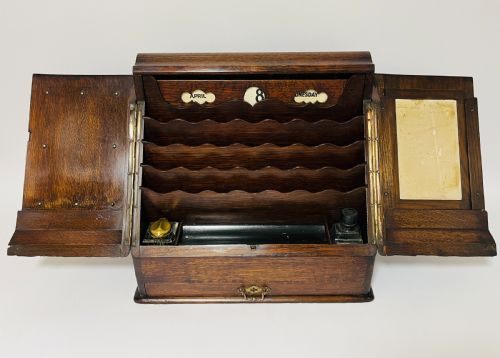
An antique desktop tidy brings order to letters and ink, turning a messy writing surface into a neat Victorian or Edwardian study.
Antique Desktop Tidy
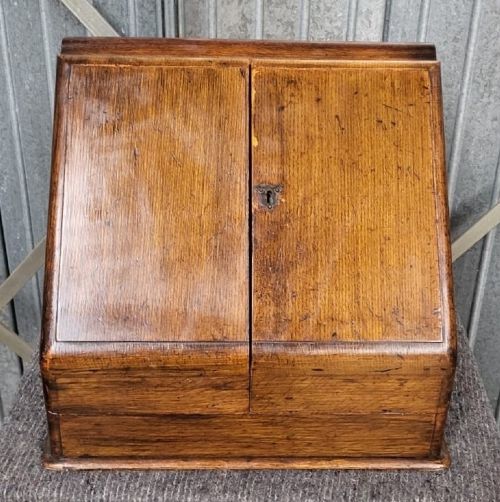
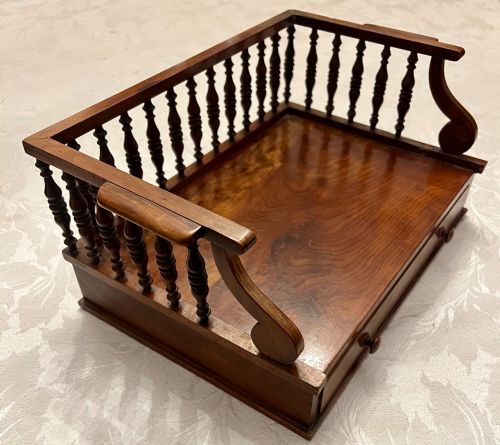
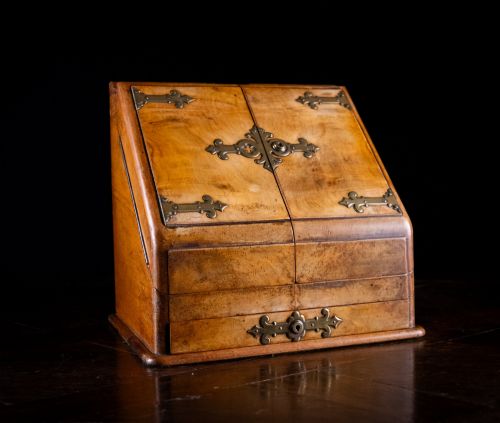
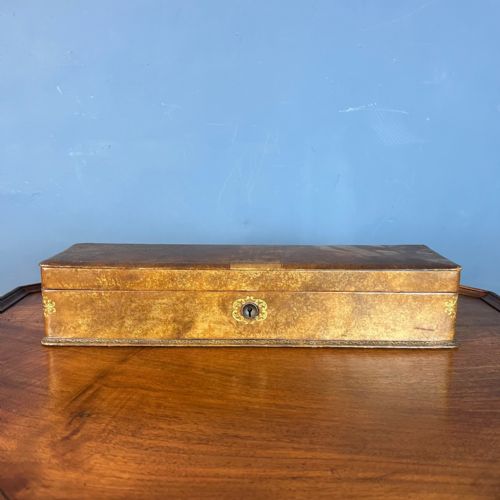
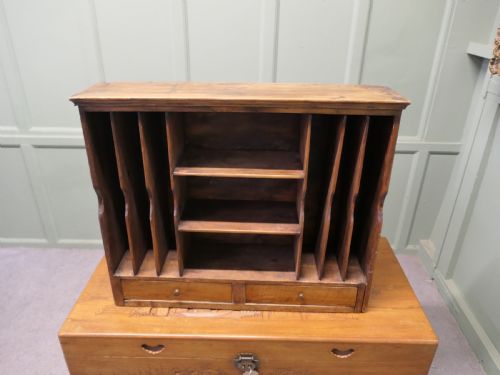
When you search for an antique desktop tidy, you encounter a wide assortment of desk accessories designed to hold writing materials, books, and correspondence. The pieces listed on this page span from the eighteenth century through to the early twentieth century, taking forms such as stationery cabinets, letter racks, inkstands, and book stands.
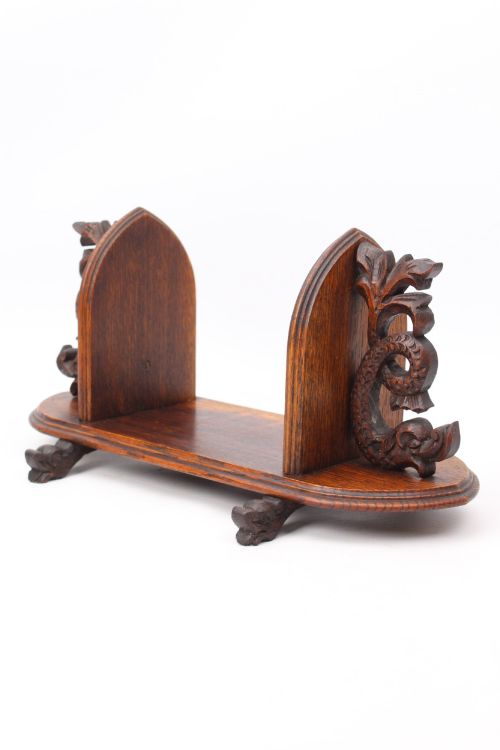
You are most likely to meet oak and mahogany pieces originating from the Victorian and Edwardian periods, alongside earlier Georgian examples and later twentieth-century accessories. These range from simple folding book slides and leather pen boxes to elaborate stationery boxes fitted with brass mounts and secret drawers.
Materials and construction
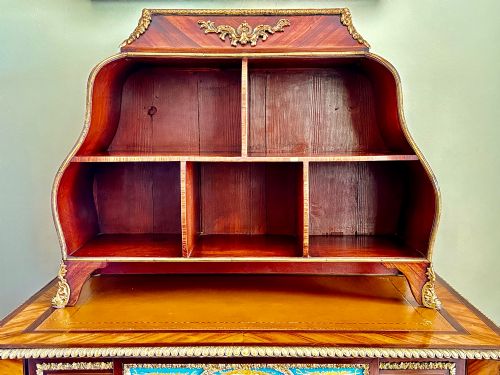
Cabinetmakers built these pieces primarily using hardwoods like oak, mahogany, walnut, and rosewood, frequently incorporating brass hinges, handles, and locks. Finer examples feature decorative elements such as bone inlay, ormolu mounts, tooled leather, and pokerwork decoration.
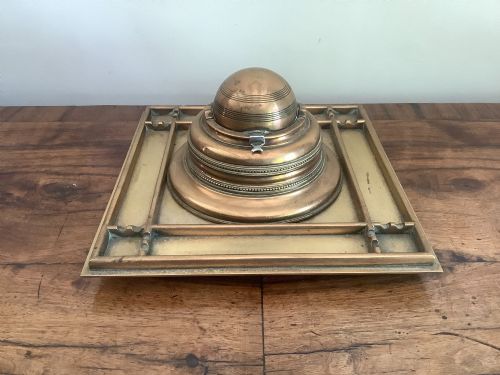
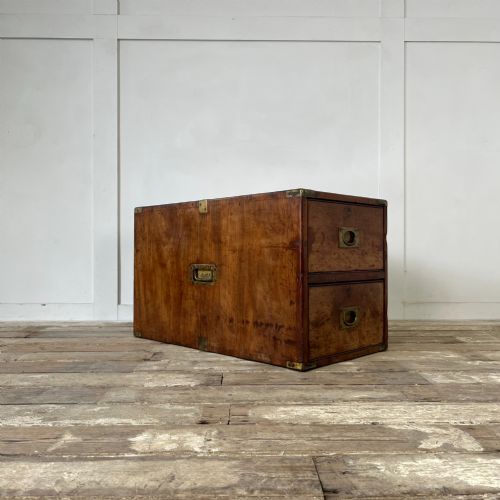
Desk accessories like inkstands combine turned wood or silver-plated metal with heavy cut glass inkwells and ceramic elements such as Dutch Delft blue and white faience. Construction methods reflect traditional joinery, utilising dovetailed drawers, panelled doors for stationery cabinets, and brass campaign mountings for portability.
Antique Desktop Tidy Retail Price Guide 2026
Typical asking prices for desktop tidy among the pieces listed under this phrase on Sellingantiques today, from the lower quarter to the upper quarter. They describe what is for sale here now, not the wider market.
Listings feature eighteenth-century Georgian book carriers alongside Edwardian oak letter racks and George V tabletop shelves.
What separates the best examples
Quality in these pieces rests on the selection of timber and the crispness of secondary details such as brass fittings, inlaid banding, and carved decoration. Superior items retain their original matched glass ink bottles, working locks with keys, and functional internal mechanisms like adjustable date calendars or secret compartments.
The degree of finish distinguishes standard office items from high-end library pieces, particularly seen in the smoothness of sliding book racks, the tightness of cabinet door joints, and the depth of polish on rosewood and coromandel surfaces.
Lefebvre of Belgium
The Antique Desktop Tidy Glossary
- Cartonnuer
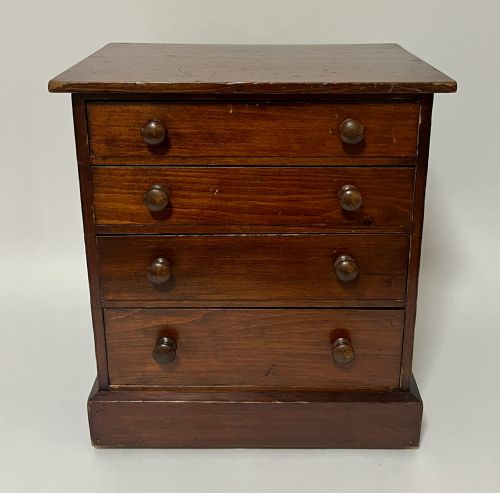
- A desktop filing cabinet with multiple compartments or drawers designed for holding papers and letters.
- Inkstand
- A tray or stand holding one or more inkwells, often with dedicated grooves for pens.
- Book slide
- An extending or adjustable desk accessory designed to keep a small row of books upright between two ends.
- Pokerwork
- A decorative technique using a heated tool to burn designs into wood, common in Arts and Crafts pieces.
- Campaign chest
- Portable furniture made in sections with brass corners and recessed handles for travel.
Antique Desktop Tidy: Frequently Asked Questions
What is an antique desktop tidy used for?
These pieces were originally designed to organise correspondence, store writing paper, and hold inkwells and pens on writing desks.
Today, they serve a similar functional purpose in a home study while displaying period craftsmanship on a desk or shelf.
How do I tell a Victorian tidy from an Edwardian one?
Victorian pieces often feature heavy, dark timbers like coromandel and walnut, sometimes with elaborate brass mounts or Gothic Revival details.
Edwardian items frequently lean towards lighter oak or simpler Arts and Crafts designs with cleaner lines and exposed construction.
Are ink bottles usually original?
Many surviving inkstands and stationery boxes retain their heavy cut glass inkwells, though replacements are common due to breakage over time.
Inspect the fit of the bottle within its collar to see if it matches the age and wear of the surrounding tray.
How should I clean a wooden desk tidy?
Dust the wood regularly with a soft, dry cloth and avoid using modern spray polishes that can build up a sticky residue.
Feed dry timbers occasionally with a quality beeswax to maintain the natural lustre of the mahogany or oak.