

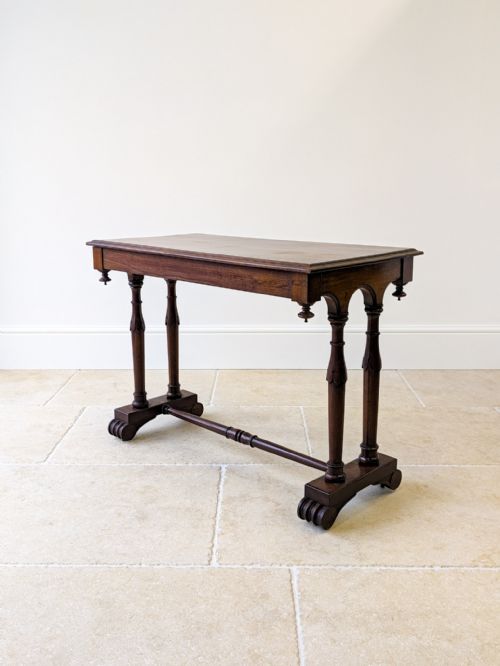

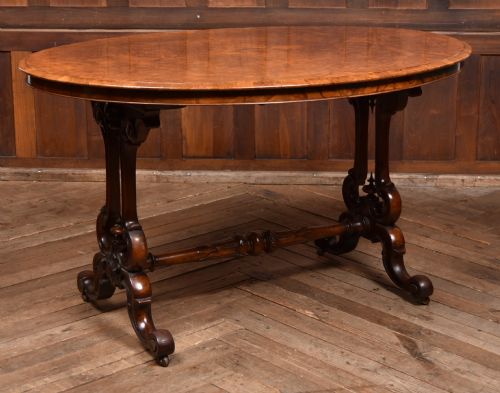
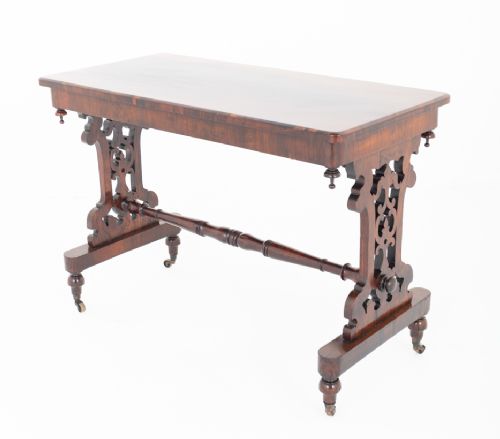

Antique Desk with Stretchers
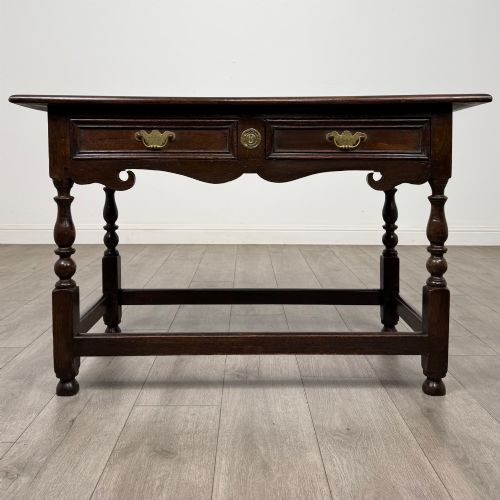
An antique desk with stretchers offers robust timber construction and traditional bracing, bringing enduring utility and character to a study.
Antique Desk with Stretchers
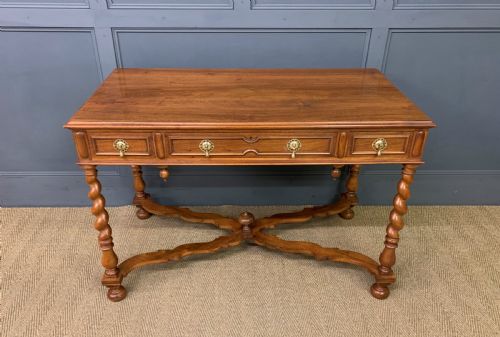
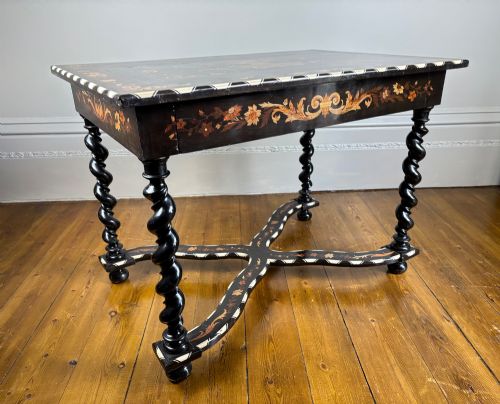
When buyers search for an antique desk with stretchers, they encounter robust writing tables and bureaux built from walnut, oak, fruitwood and mahogany. These pieces rely on underframe bracing to connect the legs and provide structural stability.
The selection on this page spans walnut and oak examples from the seventeenth century through to the Victorian era, alongside revival styles. Buyers are most likely to meet oak and walnut writing tables or side tables equipped with turned supports and stretcher bars.
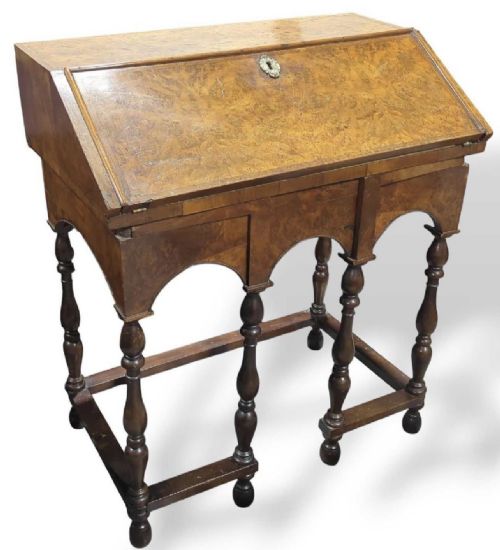
Forms range from early bureaux on baluster supports to nineteenth century library tables and refectory serving tables. Each utilises timber framing designed to withstand heavy daily use while retaining period charm.
How they were made
Construction relies on solid hardwoods such as oak, walnut, elm and fruitwood, joined using traditional methods suited to heavy furniture. Timber components are shaped by hand and united with structural stretchers for rigidity.
Metal hardware such as brass handles and iron fixings appear on drawers and structural joints where appropriate. Surfaces often display a patinated finish developed through centuries of use and application of natural oils or waxes.
Antique Desk with Stretchers Retail Price Guide 2026
Typical asking prices for desk with stretchers among the pieces listed under this phrase on Sellingantiques today, from the lower quarter to the upper quarter. They describe what is for sale here now, not the wider market.
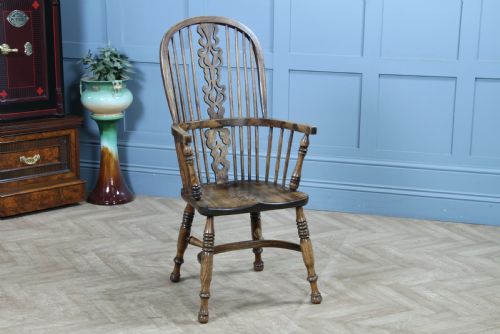
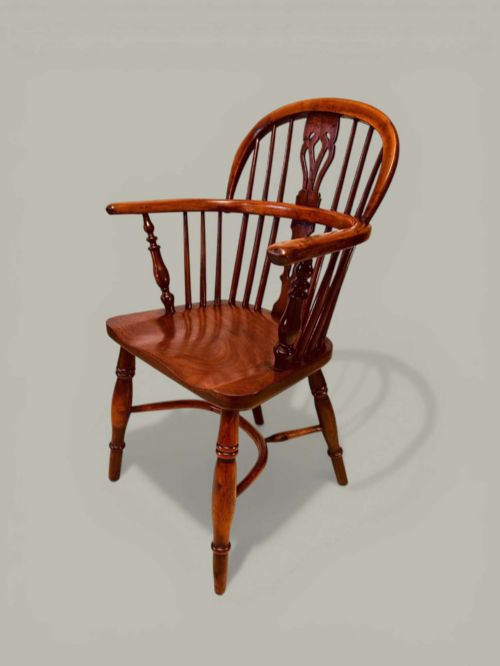
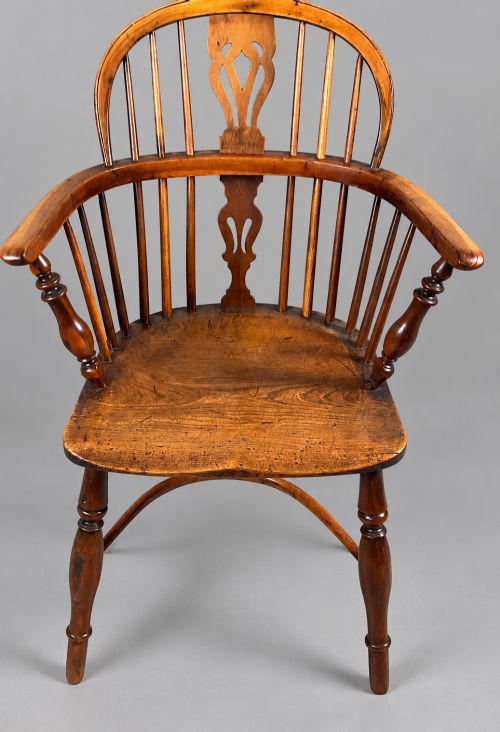
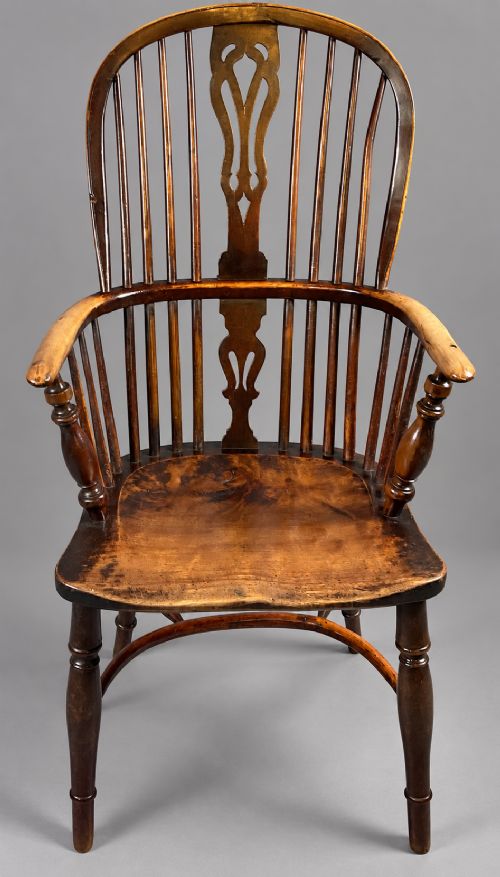
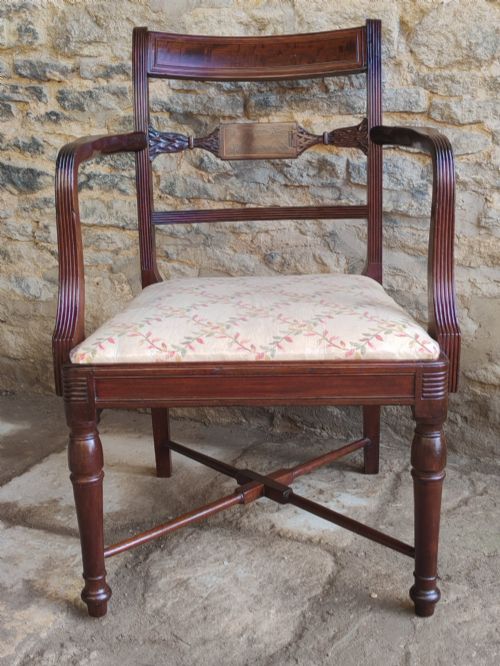
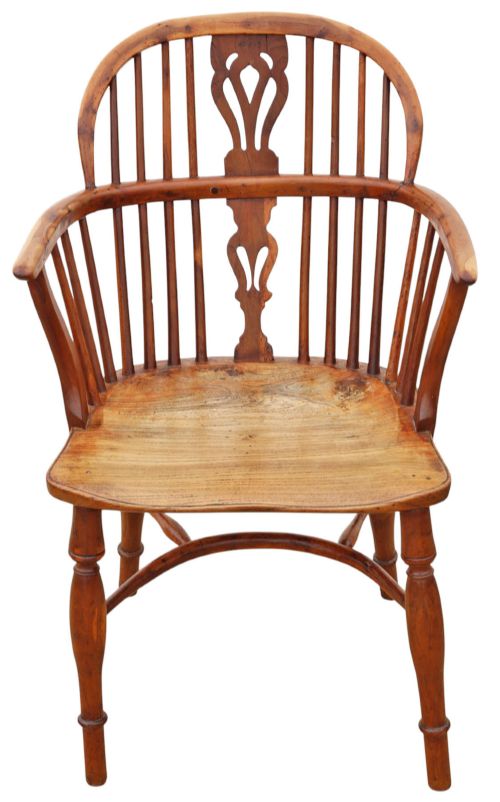
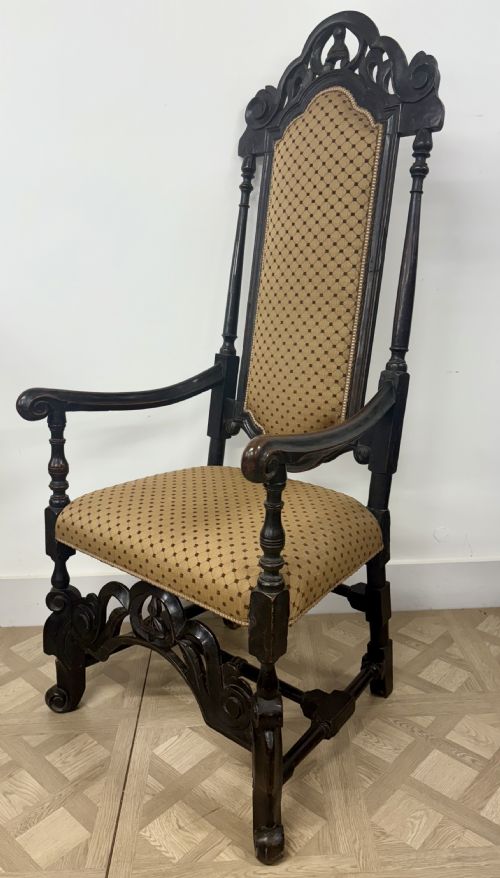
Some chairs include a crinoline stretcher shaped like a hoop skirt to keep silk dresses clear of dusty floors.
What varies in quality
Quality rests upon the choice of timber and the integrity of the original construction. Dense walnut and quarter-sawn oak demonstrate superior durability compared to softer secondary woods.
The execution of turnings on the legs and stretchers indicates the level of craftsmanship invested in the piece. Well-proportioned framing and original patination elevate the standing of a desk above standard vernacular examples.
W J Mansell
The Antique Desk with Stretchers Glossary
- Stretcher
- A horizontal wooden bar connecting the legs of a table or chair to provide structural rigidity. These supports can take simple straight forms or elaborate turned shapes.
- Baluster
- A moulded vertical support with a swelling profile reminiscent of a small column or vase. This turned shape frequently appears on seventeenth and eighteenth century leg supports.
- Patina
- The surface sheen and colour acquired by timber over decades and centuries of handling and exposure to light. Original patina is valued by collectors for its depth and warmth.
- Refectory table
- A long dining or serving table historically used in communal halls and characterised by sturdy leg bracing. Examples in oak feature prominently among older vernacular forms.
- Bureaux
- A sloping-lidded desk enclosing fitted interior compartments and drawers, typically raised on a stand with legs and stretchers.
Antique Desk with Stretchers: Frequently Asked Questions
What is an antique desk with stretchers?
An antique desk with stretchers is a traditional writing table or bureau featuring horizontal wooden bracing between the legs. These stretchers add structural support and visual interest to the underframe.
Such pieces span centuries of cabinetmaking, utilising timbers like oak, walnut and fruitwood. They provide a stable writing surface while displaying historical craftsmanship.
How do I date an antique desk with stretchers?
Dating relies on examining the timber species, construction joints, hardware and overall style. Seventeenth and eighteenth-century pieces often feature solid walnut or oak with hand-turned baluster supports and pegged joints.
Later Victorian and revival pieces may incorporate machine-turned elements or different secondary woods. Comparing the patination and wear patterns to the recorded period helps confirm the age.
What woods were used for these desks?
Cabinetmakers primarily utilised native hardwoods such as oak and walnut for durable desks and tables. Elm, yew and fruitwood also appear in vernacular and regional furniture pieces.
Selection depended on availability and the desired finish, with burr walnut and mahogany reserved for finer library tables. These timbers develop a rich patina over time.
Where should I place a stretcher desk?
A stretcher desk suits a study, library or living space where its traditional timber presence can be appreciated. Because stretchers connect the lower legs, consider legroom and chair clearance before placement.
Positioning the desk away from direct heat sources protects the antique wood from drying out. Allowing space around the piece also highlights the turned stretcher details.