
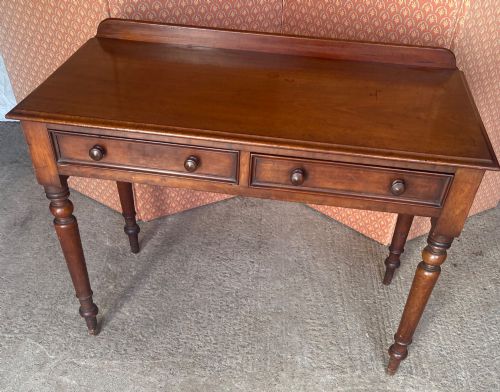
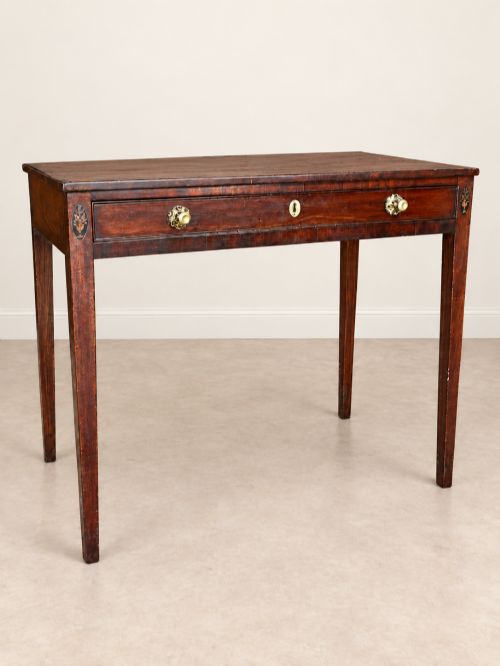
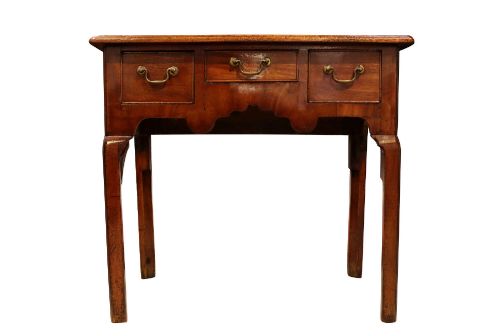
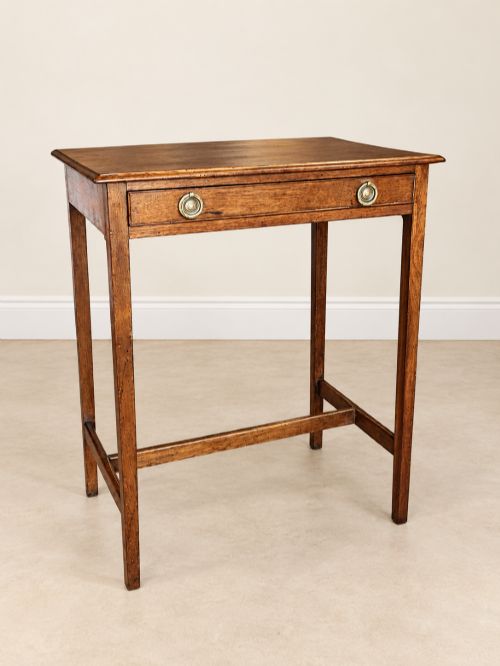
Antique Desk with Side Drawers
An antique desk with side drawers brings functional storage and period craftsmanship into a room.
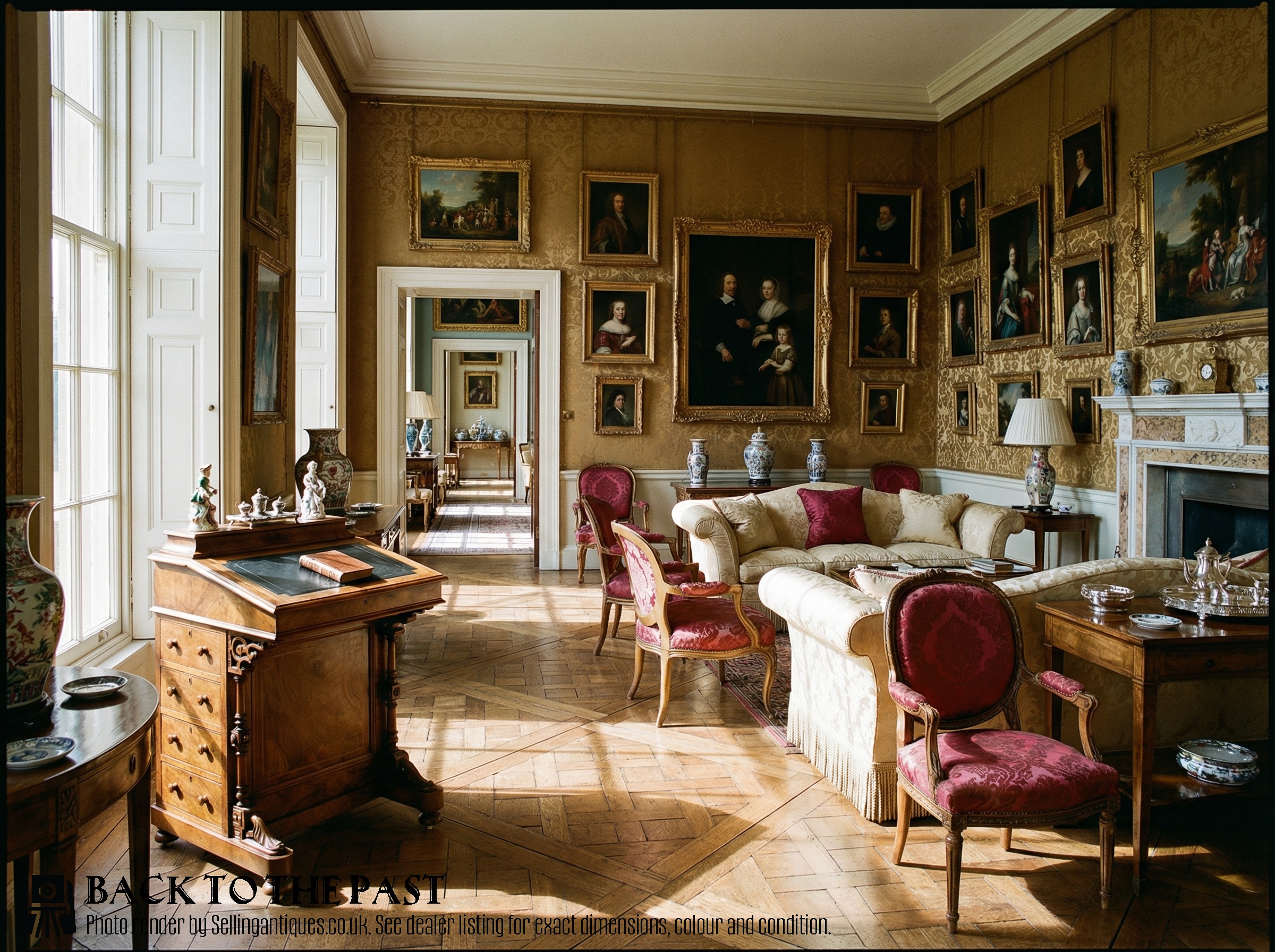
Antique Desk with Side Drawers
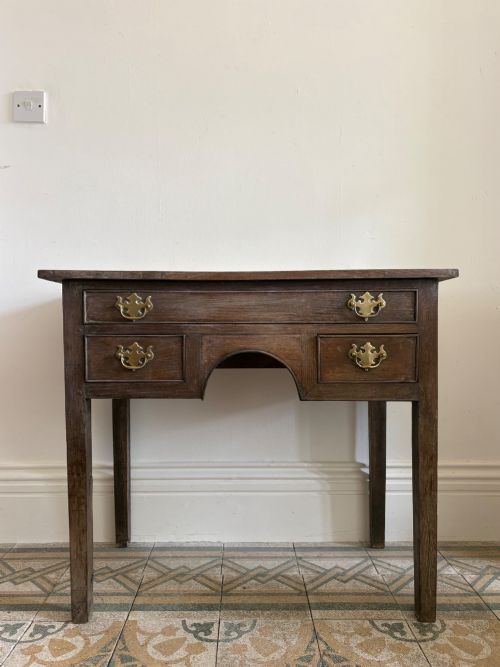
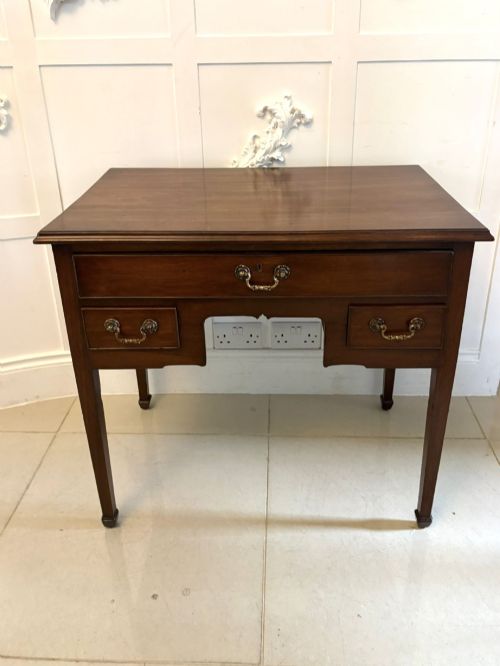
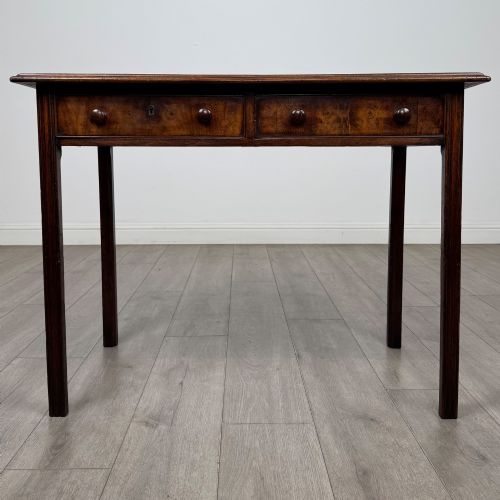
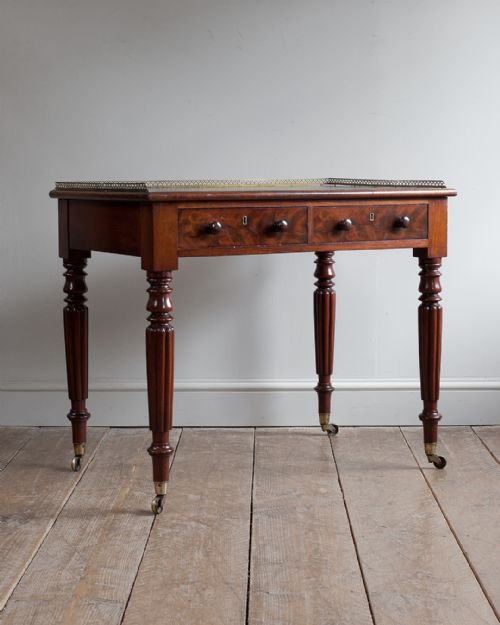
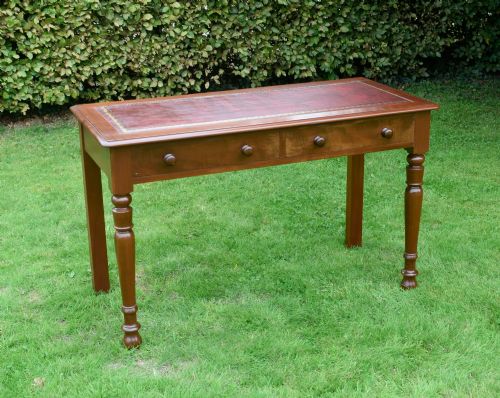
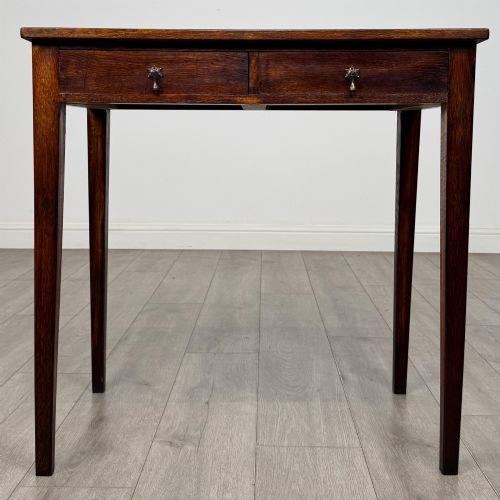
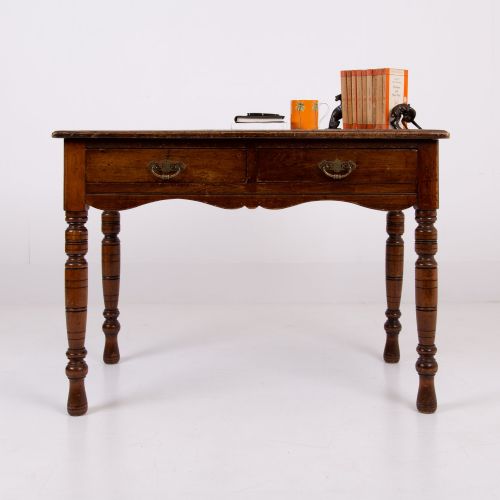
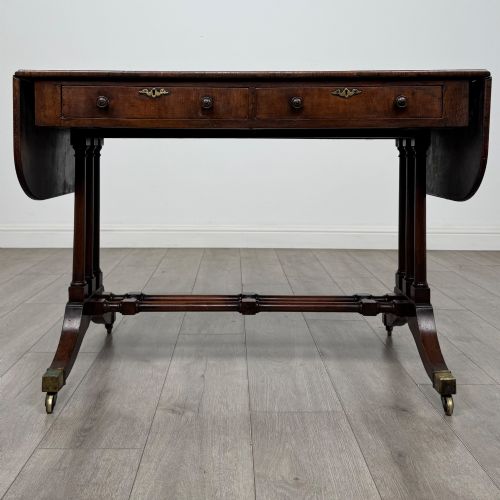
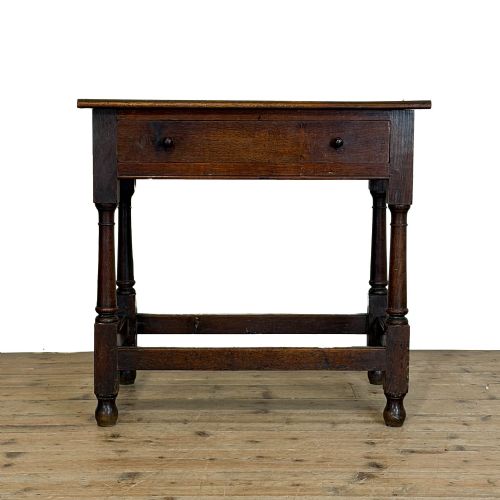
An antique desk with side drawers combines a writing surface with integrated compartment storage, appearing across Georgian, Regency, Victorian, and Edwardian periods. These pieces range from compact lowboys and oak writing tables to refined mahogany writing desks and walnut console tables fitted with drawers.
The most common versions met on this page include Victorian and Edwardian examples in mahogany, oak, and pine, often serving dual purposes as writing tables and side tables. Makers from these eras constructed pieces with single drawers, twin drawers, or multi-drawer configurations beneath the surface.
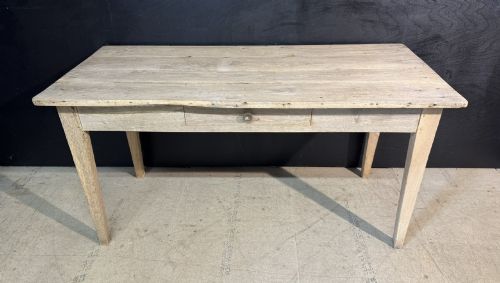
Buyers look for these items to provide practical workspace alongside period character, utilising forms that originated as lowboys, writing tables, or side serving tables. The assortment spans simple farmhouse pine tables to decorative burr walnut and inlaid mahogany writing surfaces.
How they were made
Cabinet makers utilised a selection of hardwoods and softwoods, predominantly mahogany, oak, walnut, and pine, frequently pairing them with brass hardware and leather inserts for writing surfaces. Timber selection dictated the visual weight of the piece, from the dense grain of mahogany to the rustic character of pitch pine.
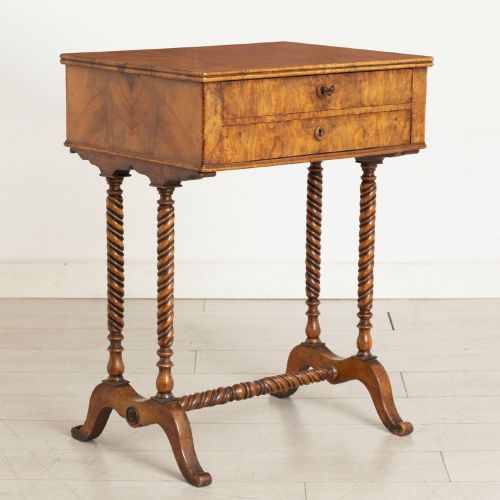
Construction relied on traditional joinery methods to house drawers within the table frieze, incorporating fitted interiors and locking mechanisms where required. Surfaces often received polish or paint finishes, while decorative variations included inlay, carving, and barley twist legs.
Several desks come equipped with original keys, proving that eighteenth-century correspondents valued their privacy just as much as we do.
What varies in quality
The degree of refinement in timber selection and secondary woods dictates the distinction between standard utility items and finer parlour pieces. Burr walnut, figured mahogany, and detailed inlay distinguish high-status examples from simpler pine or oak country tables.
Joinery execution and drawer construction demonstrate the maker's hand, seen in the precision of dovetails and the smooth operation of fitted drawers. Decorative flourishes such as Gothic pierced brackets, carved oak details, or original brass handles elevate the standing of the piece.
The Antique Desk with Side Drawers Glossary
- Lowboy
- A small eighteenth-century dressing table or side table with one or more drawers, typically raised on cabriole or straight legs. These low oak or walnut tables frequently double as compact desks.
- Frieze
- The central horizontal band beneath the tabletop where drawers are customarily housed. Single or multiple drawer fronts align flush with this structural section.
- Secretaire
- A cabinet or desk incorporating a pull-down writing flap that conceals small drawers and pigeonholes. Examples range from Wellington chests to Pembroke work tables.
- Davenport
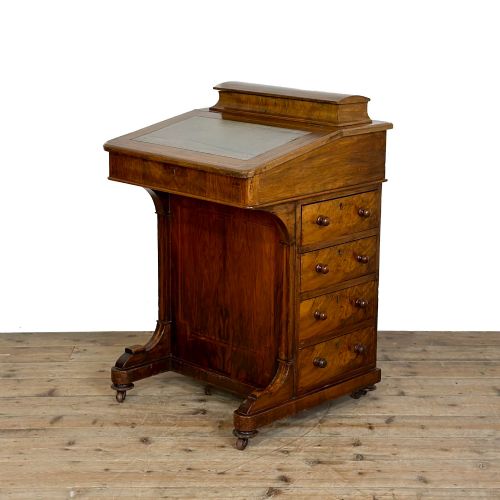
- A compact pedestal desk featuring a sloped writing lid and drawers accessed from the side. Early Victorian versions often include side drawers with locking mechanisms.
- Console table
- A table designed to stand against a wall, sometimes adapted with drawers to function as a writing surface. These pieces appear in mahogany, walnut, and oak.
Antique Desk with Side Drawers: Frequently Asked Questions
What periods do these desks cover?
The pieces span from the eighteenth century through the Georgian, Regency, Victorian, and Edwardian eras up to the early twentieth century. Materials and styles shift accordingly from early oak lowboys to later walnut and mahogany writing tables.
Victorian and Edwardian examples form a large portion of the available selection, reflecting shifts in domestic workspace requirements over time.
How do I identify a lowboy?
A lowboy is a small table with drawers, typically dating from the eighteenth century in oak or walnut. They sit lower than standard modern desks and generally feature delicate legs.
These versatile tables were used for dressing or writing in period homes and fit well into smaller rooms today.
Were these desks used for writing?
Many examples are designated as writing tables, writing desks, or secretaires, built specifically for correspondence and paperwork. Others started as side tables, console tables, or serving tables that incorporated drawers for storage.
Their surfaces and drawer layouts suit modern use as compact writing stations or hallway desks.
What woods were commonly used?
Mahogany, oak, and pine appear most frequently, alongside walnut, burr walnut, satin birch, and rosewood. Country pieces often utilise pine or oak, while formal parlour desks favour mahogany and walnut.
Secondary woods like deal or pine were frequently used for drawer linings and internal framing.