



Antique Desk Box Drawer
An antique desk box drawer brings together practical stationery storage and compact craftsmanship, offering fitted compartments and hidden storage for the modern study.
Antique Desk Box Drawer
When you search for an antique desk box drawer, you encounter a variety of compact storage forms designed for correspondence and small valuables, predominantly originating from the Georgian and Victorian eras.
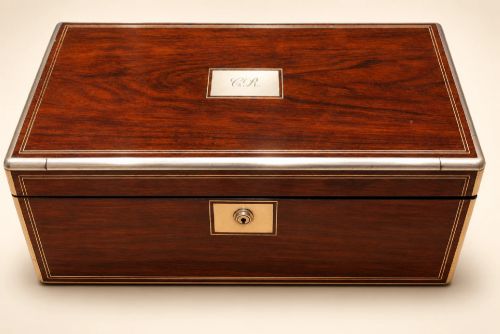
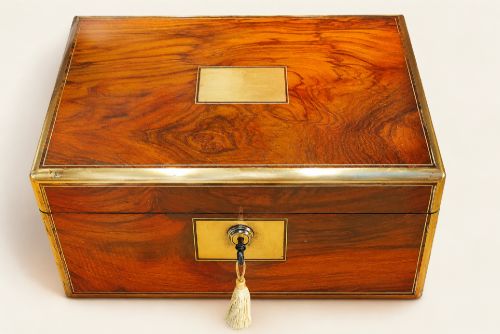
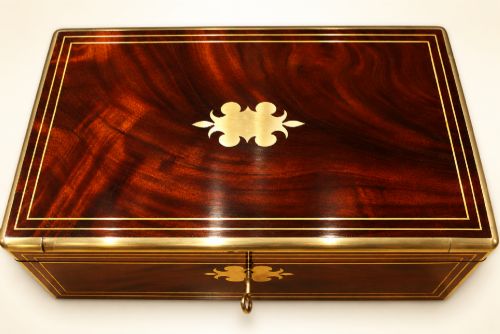
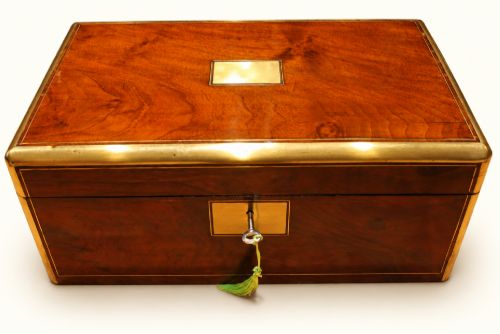
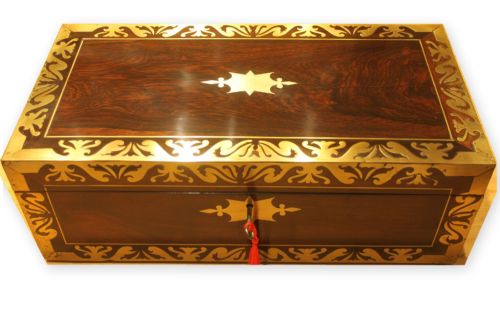
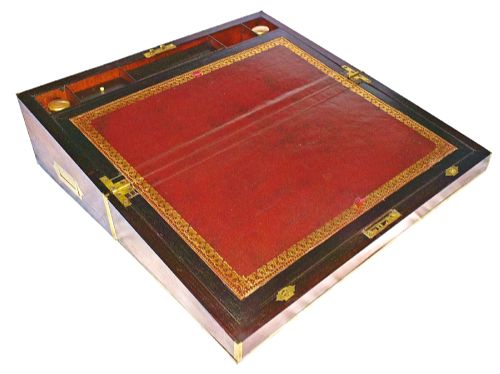
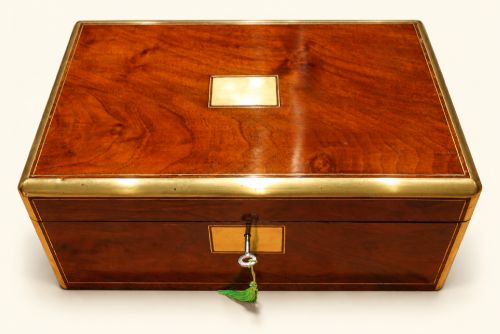
The version you are most likely to meet on this page is the walnut or mahogany writing slope, often fitted with brass banding and secret drawers concealed beneath internal writing surfaces.
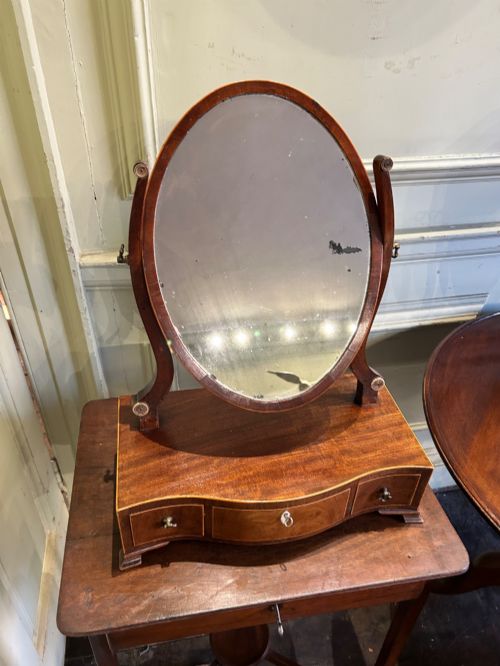
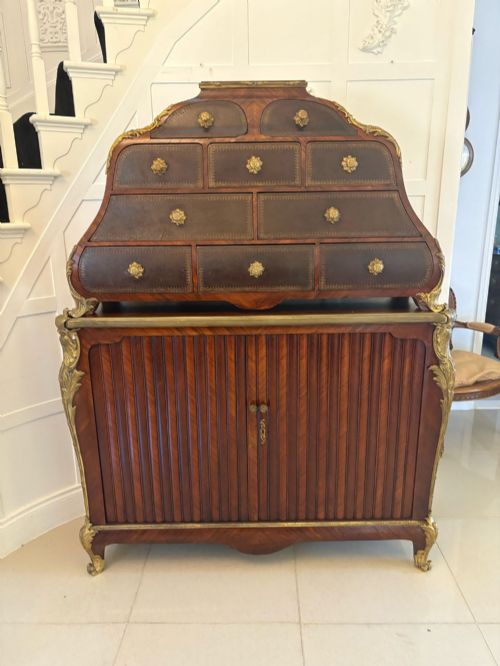
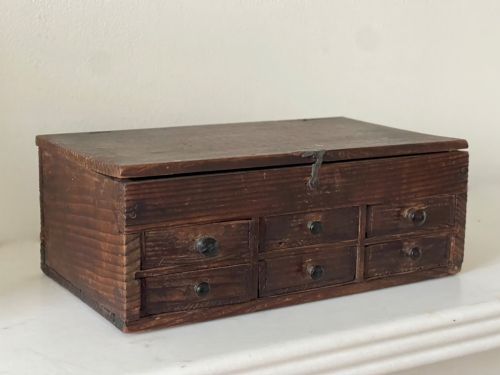
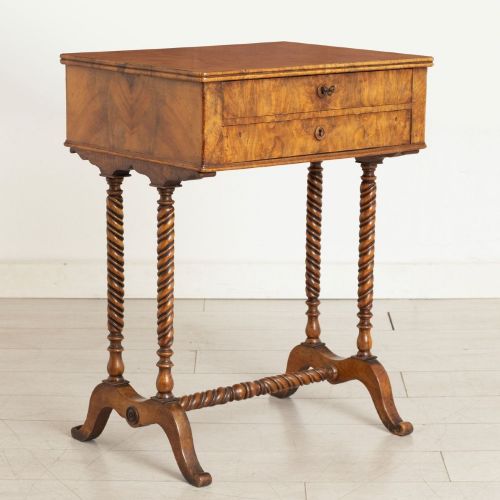
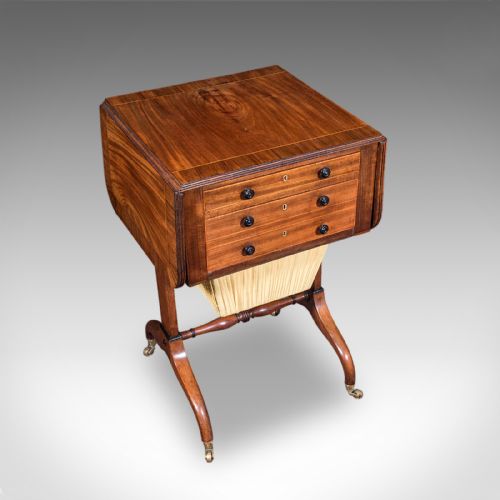
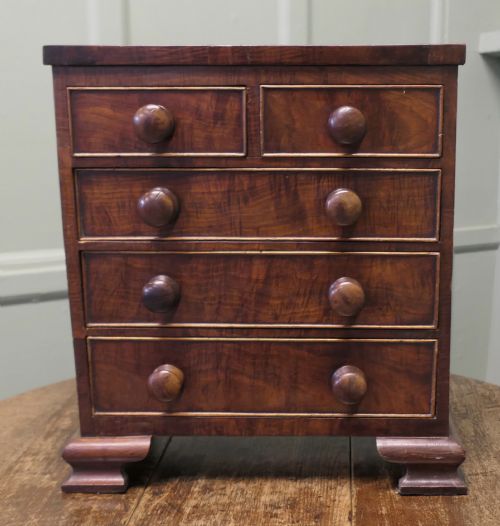
Beyond writing slopes, the selection includes tabletop chests of drawers, miniature apprentice pieces, table cabinets, and dressing mirrors equipped with functional base drawers.
Periods represented stretch from the seventeenth century through to the early twentieth century, spanning oak table boxes, campaign pieces, and rosewood lapdesks.
Materials and Construction
Cabinet makers utilised dense hardwoods such as mahogany, walnut, rosewood, and oak, frequently selecting figured veneers and burr grains to create decorative exterior surfaces on these small desk accessories.
Internal elements often include secondary timbers, hand-cut dovetail joints on small drawers, secret compartments operated by hidden spring catches, and baize-lined writing surfaces.
Antique Desk Box Drawer Retail Price Guide 2026
Typical asking prices for desk box drawer among the pieces listed under this phrase on Sellingantiques today, from the lower quarter to the upper quarter. They describe what is for sale here now, not the wider market.
Secret drawers often require a specific sequence of pulls and lifts, ensuring that modern finders share the secret thrill of the original owner.
Standards of Execution
Quality in these pieces is dictated by the crispness of the cabinet work, the symmetry of the wood grain selection, and the integration of functional hardware such as Bramah locks.
Finer examples distinguish themselves through the precision of hidden mechanisms and secret drawers, where tolerances remain tight and joints show meticulous hand craftsmanship rather than hasty assembly.
George Austin of Dublin·Amberg
The Antique Desk Box Drawer Glossary
- Writing slope
- A portable box with a hinged, sloping lid that opens to reveal a writing surface and internal stationery compartments. These pieces were essential for correspondence during travel or in rooms without full-sized desks.
- Secret drawer
- A concealed compartment built into a desk box or writing slope, usually accessed by removing a false floor, sliding a panel, or releasing a hidden wooden spring catch.
- Campaign style
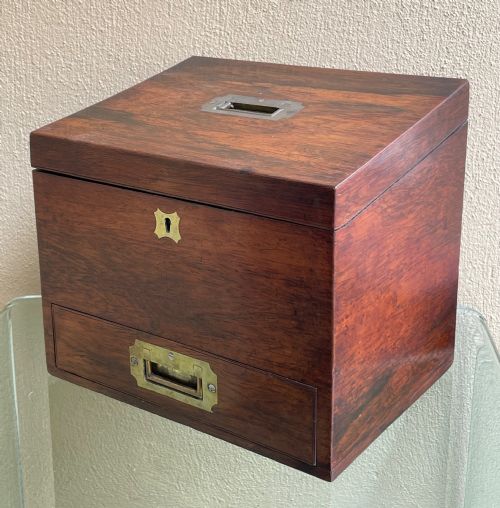
- Furniture and boxes designed for military use in the field, characterised by recessed brass handles, reinforced corners, and durable construction that allowed officers to transport their belongings securely.
- Table cabinet
- A small, enclosed desktop cabinet featuring doors or small drawers for storing letters, spices, or valuables. These pieces often display marquetry or fine timber veneers on the exterior.
Antique Desk Box Drawer: Frequently Asked Questions
What is an antique desk box drawer?
An antique desk box drawer refers to portable writing boxes, table cabinets, and miniature chests equipped with integrated drawers for storing stationery and small valuables. These items were designed for desktop use in studies, bedrooms, or during travel.
Most examples date from the Georgian and Victorian periods, constructed from hardwoods like mahogany, walnut, and rosewood with brass hardware.
How do secret drawers work?
Secret drawers are concealed compartments built behind pigeonholes or false bottoms within writing slopes and table cabinets. They are typically released by lifting a divider, sliding a panel, or pressing a hidden wooden spring mechanism.
Cabinet makers incorporated these hidden spaces to secure sensitive correspondence, currency, and small jewels.
How do I date an antique writing box?
Dating a writing box involves examining the timber species, construction methods, and hardware styles. Earlier seventeenth and eighteenth-century pieces often use solid oak or walnut with simple hinges, while nineteenth-century versions frequently employ rosewood or burr walnut with brass binding and sophisticated locks.
Secret drawer configurations and the presence of maker stamps or specific lock types also help establish the period of manufacture.