

Antique Delft Wall Display
These antique delft wall display pieces combine tin-glazed earthenware plates with timber racks to bring historic domestic colour to any room.
Antique Delft Wall Display
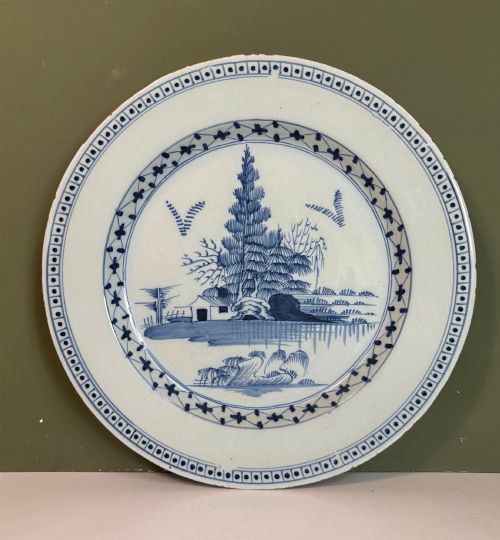
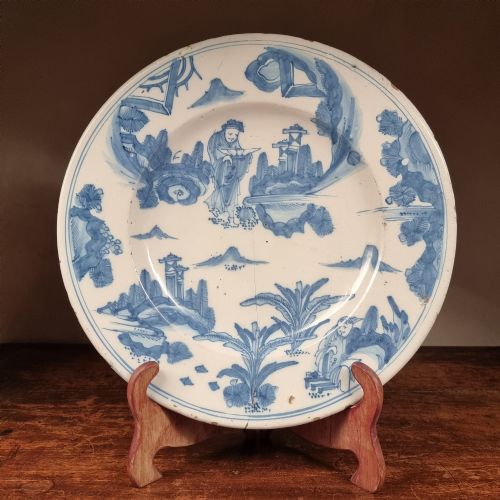
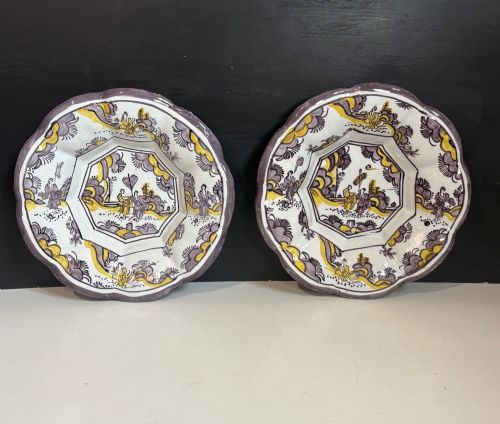
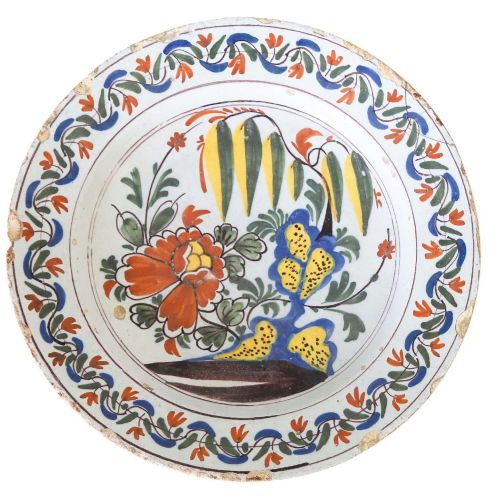
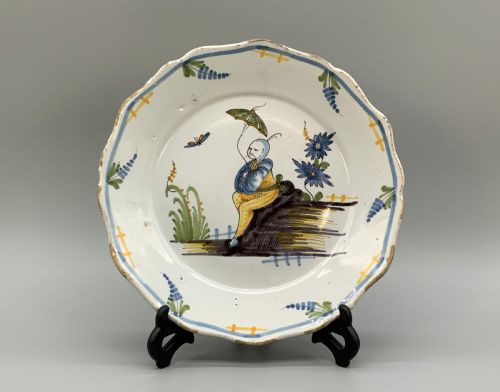
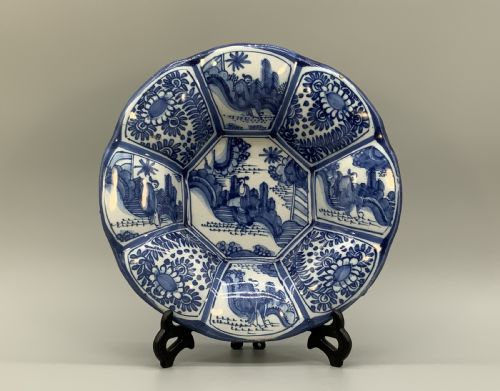
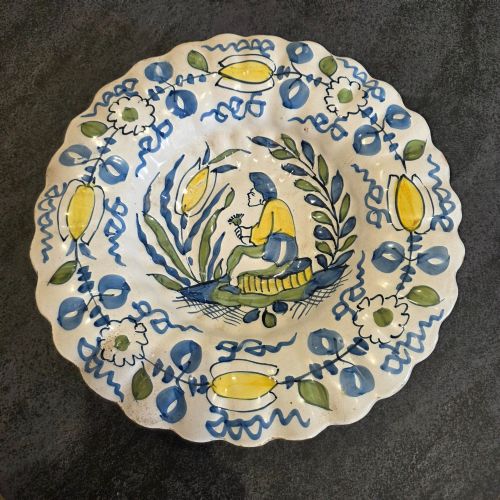
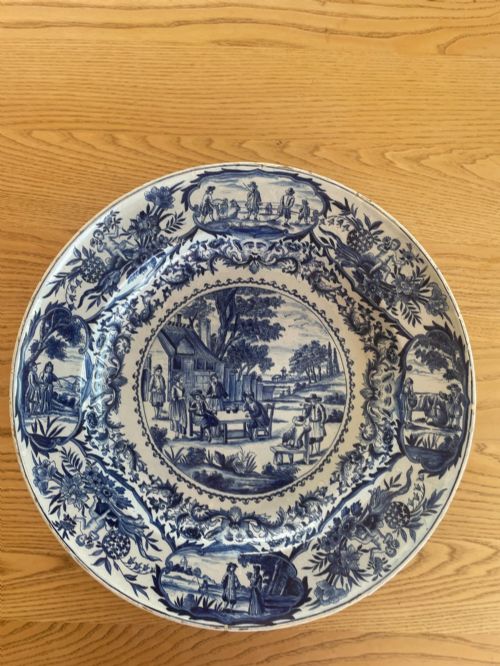
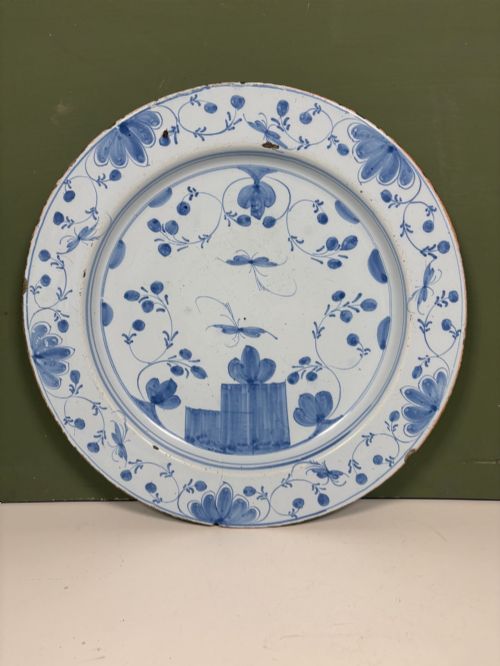
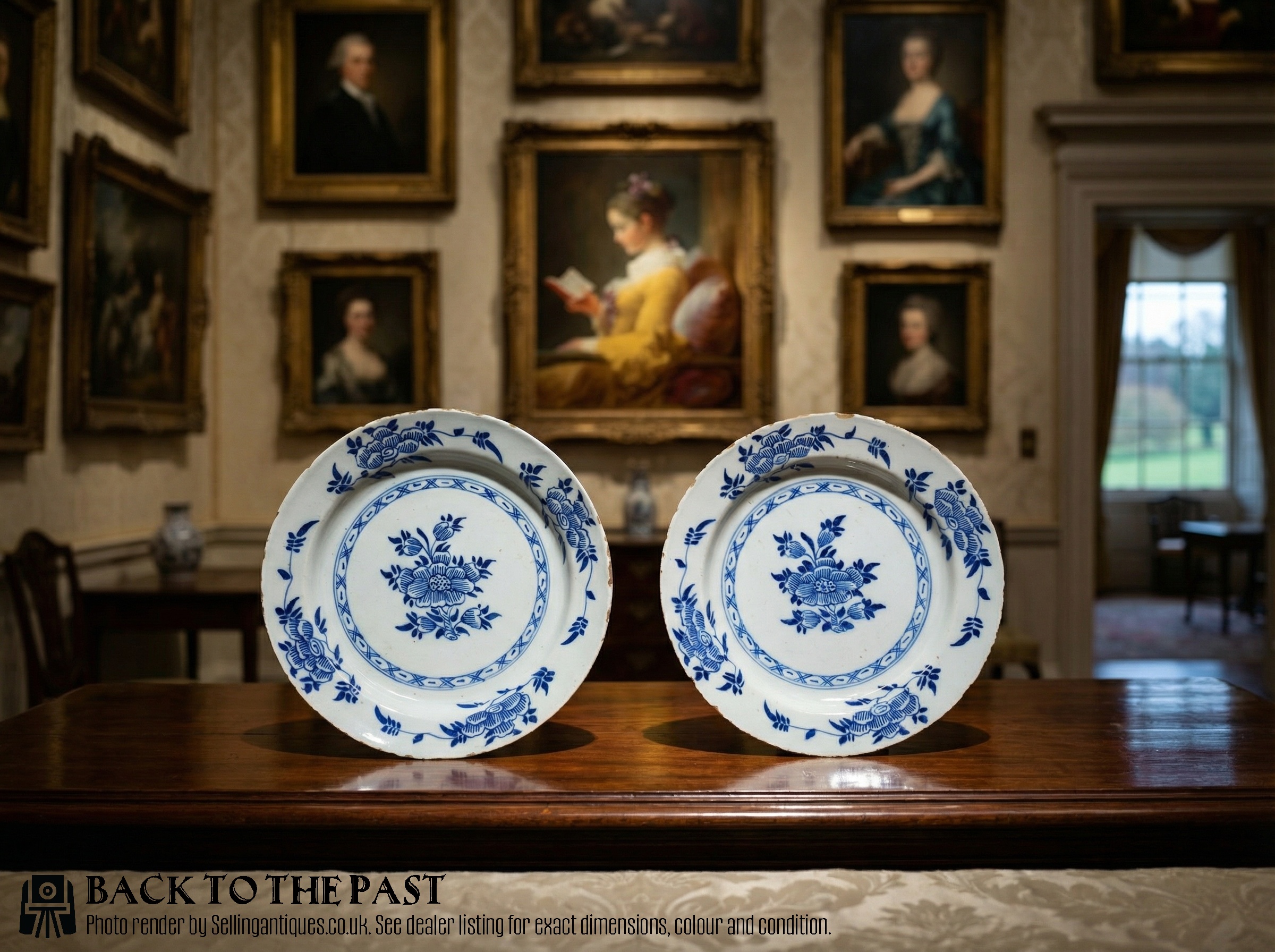
When searching for an antique delft wall display, buyers encounter a combination of ceramic dishes and timber wall furniture designed to hold them. The ceramic elements span chargers, plates, and lobed dishes originating from Dutch and English potteries.
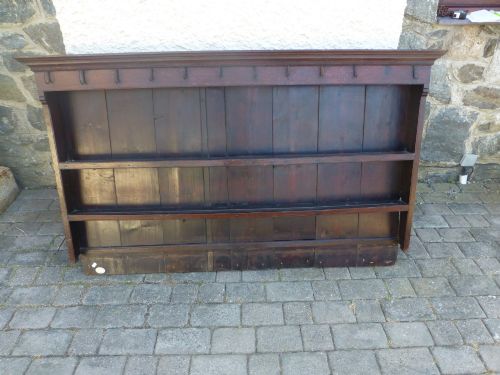
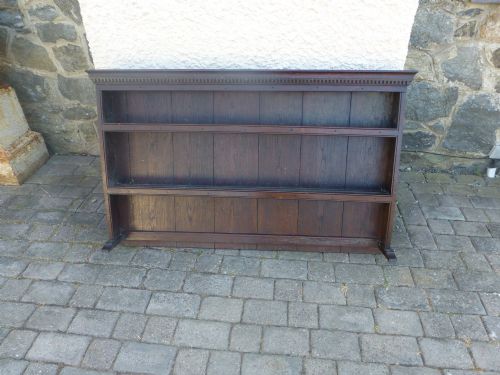
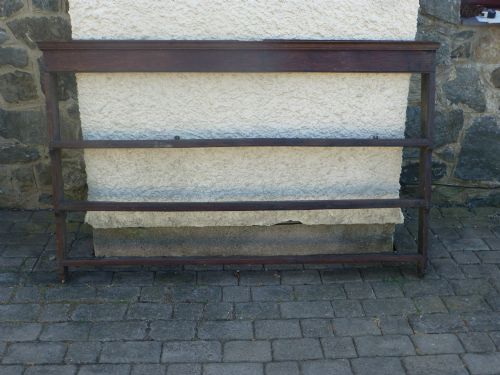
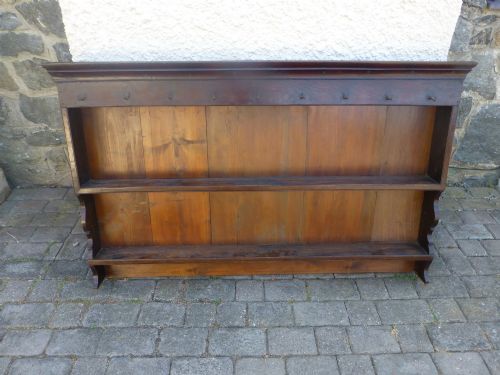
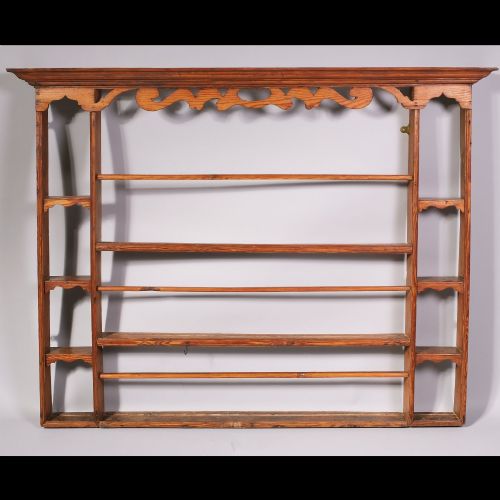
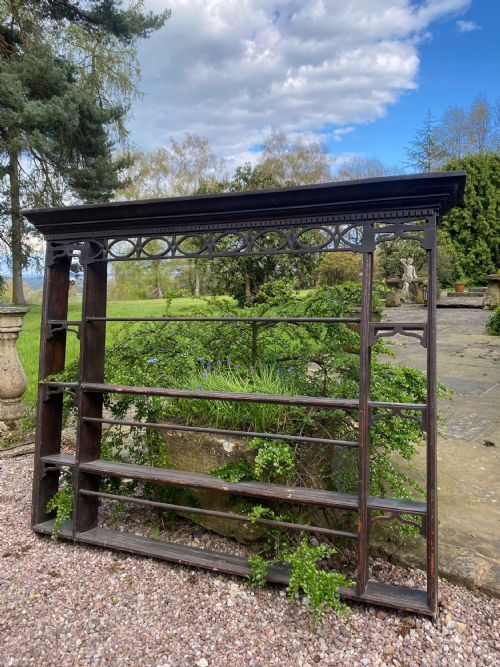
The timber component typically takes the form of an oak or pine dresser plate rack designed for wall hanging. Examples range from simple country shelving to pieces with architectural details like Corinthian columns and marquetry.
The most frequent items met on this page are eighteenth-century tin-glazed chargers paired with oak or pine wall racks. These objects reflect centuries of domestic display traditions across English and Dutch interiors.
Materials and construction
The ceramic plates are formed from earthenware covered in an opaque tin glaze, providing a smooth white surface for cobalt pigment, manganese, and polychrome hand-painted decoration. Many pieces utilise grand feu techniques to fuse the pigments directly into the wet glaze during firing.
The accompanying wall racks are constructed from native timbers such as oak and pine, frequently joined with traditional pegging and carpentry methods. Some examples incorporate carved ornamentation or inlaid marquetry panels into the main frame.
Current listings feature oak and pine timbers alongside tin-glazed earthenware ceramics spanning the seventeenth to nineteenth centuries.
Quality and execution
Quality in the ceramic plates is evident in the crispness of the hand-painted brushwork, particularly within Chinoiserie or floral motifs. Deeper glaze coverage and richer cobalt or polychrome palettes distinguish finer examples from standard production.
In the timber wall racks, quality rests on the selection of timber, the depth of patination, and the complexity of architectural joinery. Pieces featuring detailed mouldings or integrated columns represent more ambitious cabinetmaking.
The Antique Delft Wall Display Glossary
- Charger
- A large decorative plate intended for wall hanging or ceremonial display rather than dining. These ceramics provide a broad canvas for painted cobalt or polychrome scenes.
- Tin-glazed earthenware
- Pottery coated with a lead glaze made opaque by the addition of tin oxide. This technique forms the white ground characteristic of delftware.
- Grand feu
- A firing method where ceramic pigments are applied directly to the unfired tin glaze and subjected to a high temperature. This fuses the colours into the glaze for a glossy finish.
- Kraak style
- A decorative scheme inspired by Chinese export porcelain featuring segmented panels and central motifs. Dutch potters frequently adopted this aesthetic during the seventeenth century.
- Plate rack
- A wall-mounted wooden frame fitted with horizontal slats or grooves to support plates vertically. They allow decorative ceramics to be stored safely in domestic kitchens and dining rooms.
Antique Delft Wall Display: Frequently Asked Questions
How do I hang a heavy timber rack?
Wall racks require secure fixings into structural wall studs or masonry using appropriate screws and brackets. The substantial weight of oak woodwork and heavy earthenware plates makes secure wall attachment essential.
Professional installation ensures the combined weight of the timber and the ceramic display is safely distributed across the wall.
Were these racks made for kitchens?
Plate racks served practical purposes in historic domestic kitchens by holding everyday earthenware upright to dry and display. Kitchens and dining parlours relied on these open shelves for accessible storage.
Over time, display racks transitioned into decorative furniture for showing off finer chargers and plates.
How do I date a delft plate?
Dating relies on stylistic shifts in painting, such as the transition from seventeenth-century Kraak designs to eighteenth-century floral polychrome work. Tin-glaze characteristics and body thickness also provide clues to the period of production.
Pots from different decades exhibit distinct tin glaze tones and pigment hues.
Can I put plates in the rack?
The grooves and slats in antique racks are sized to hold matching plates and chargers securely. Careful placement prevents the earthenware edges from rubbing against the timber.
Most historic racks accommodate standard plate depths safely when mounted level on a wall.