



Antique Delft Decorative Plate
An antique delft decorative plate brings tin-glazed earthenware and vibrant cobalt pigments into a room, offering centuries of historic craftsmanship.
Antique Delft Decorative Plate
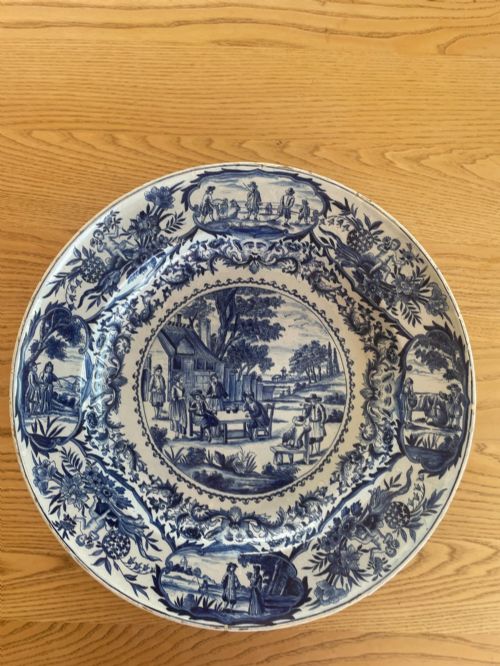
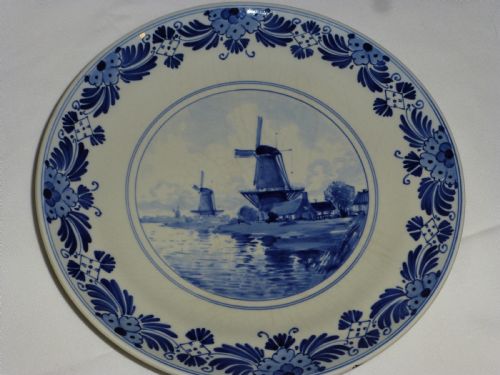
An antique delft decorative plate encompasses chargers, platters, and dishes created across several centuries, with the eighteenth century providing the majority of examples on this page. These pieces display forms ranging from standard plates to large display chargers intended for wall hanging or dresser display.
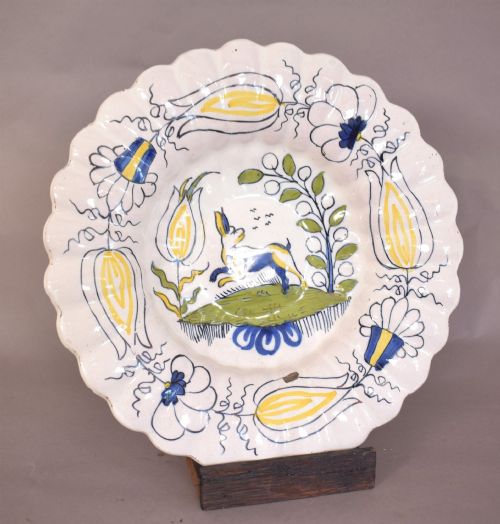
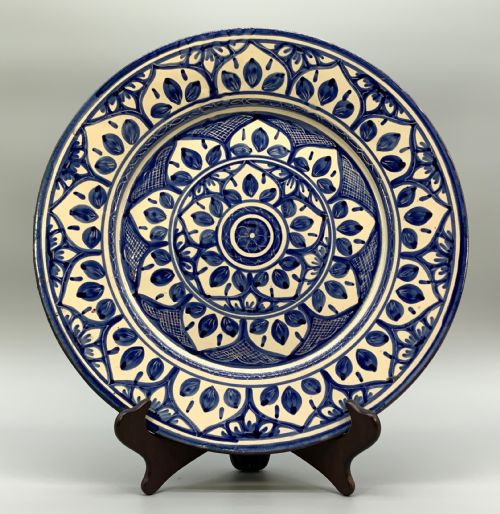
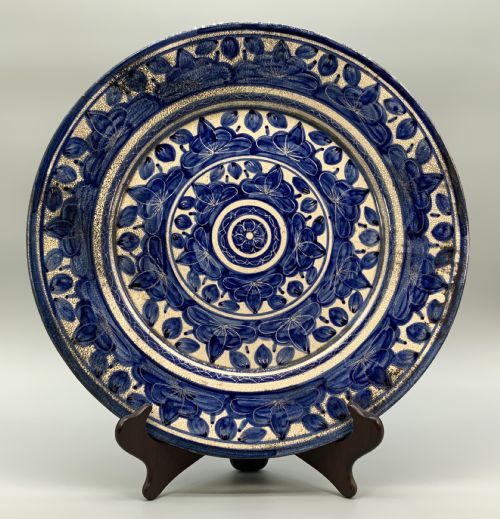
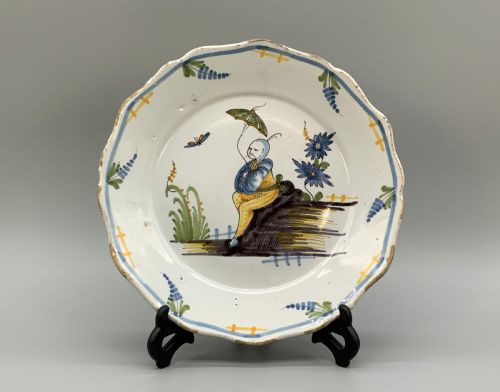
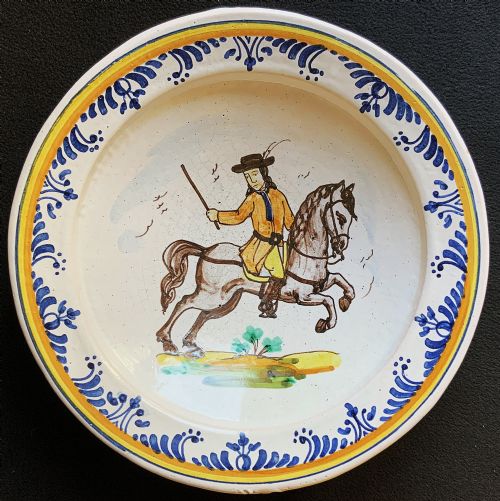
The origins stretch across English, Dutch, French, and Spanish workshops, alongside continental interpretations like Moorish style pieces. Buyers encounter both classic blue and white schemes and polychrome palettes utilising manganese and yellow.
Makers produced these works using earthenware bodies covered in a distinctive white tin glaze, which served as a canvas for painted decoration. Most examples date from the seventeenth, eighteenth, and nineteenth centuries, supplemented by later continental revival pieces.
How they were made
Potters formed the base of each piece from earthenware clay before coating it in an opaque tin glaze. This glaze created a smooth white surface suitable for absorbing painted mineral pigments.
Artisans applied cobalt oxide, manganese, and polychrome pigments directly onto the unfired or raw glaze, a technique requiring immense skill because the porous surface absorbed the colour instantly. Grand feu firing then fused the pigments into the glaze, producing rich blue, manganese, and yellow tones.
Early potters occasionally painted cheerful birds and whimsical rabbits onto chargers, ensuring centuries-old tableware retains a sense of playfulness.
What varies in quality
The clarity and detail of the hand-painted decoration distinguish finer examples from simpler output, particularly in complex Chinoiserie or floral motifs. Palette richness also plays a role, with multi-coloured polychrome and manganese pieces demonstrating advanced firing and pigment control.
The crispness of the tin glaze over the earthenware body indicates the maker's technical proficiency in achieving an even, unblemished surface. Larger chargers and platters require greater skill in throwing and firing without distortion.
The Antique Delft Decorative Plate Glossary
- Tin glaze
- An opaque white ceramic glaze containing tin oxide that provides the characteristic background for painted decoration on delftware. It creates a smooth, reflective surface that accepts cobalt and other metal oxides.
- Charger
- A large decorative plate or dish traditionally used for ceremonial display on sideboards or walls rather than dining. These pieces measure larger than standard tableware.
- Polychrome
- A style of decoration utilising multiple colours rather than a single pigment like blue. On these pieces, this typically includes manganese, yellow, and green alongside cobalt.
- Grand feu
- A high-temperature ceramic firing technique that fixes the pigments directly into the raw glaze. This method produces durable colours integrated smoothly with the tin glaze.
- Manganese
- A metallic pigment used in ceramics to create purple, brown, or reddish-brown tones. It frequently appears alongside blue and yellow on continental chargers.
Antique Delft Decorative Plate: Frequently Asked Questions
How do I hang a heavy charger?
Large chargers require robust, professionally fitted wire plate hangers that distribute weight evenly across the rim and foot ring. Wall placement should avoid areas prone to vibration or direct knocks.
Ensuring the fixing is secured directly into wall studs provides the stability needed for heavier earthenware bodies.
Can I use these plates for food?
Historic tin-glazed earthenware possesses a soft, porous ceramic body and an early glaze composition that is not suitable for modern culinary use or dishwashers. Acids in food can interact with the historic glaze and body.
These pieces function best as purely decorative objects displayed on walls, shelves, or plate racks.
How do I clean an antique plate?
Dusting with a dry, soft microfibre cloth removes surface particles safely without introducing moisture to vulnerable historic earthenware. Water and cleaning solutions risk seeping into unglazed areas or historic hairline fractures.
Professional conservation advice should be sought if deeper cleaning becomes necessary.
How do I tell English and Dutch delft apart?
English pieces often feature subtle differences in the tin glaze composition and body weight compared to their Dutch counterparts, alongside distinct regional painting styles. Palette choices such as specific shades of blue or the use of manganese also offer clues to origin.
Examining the foot rim and reverse of the plate frequently reveals characteristics typical of specific European workshops.