



Vintage Delft Wall Display
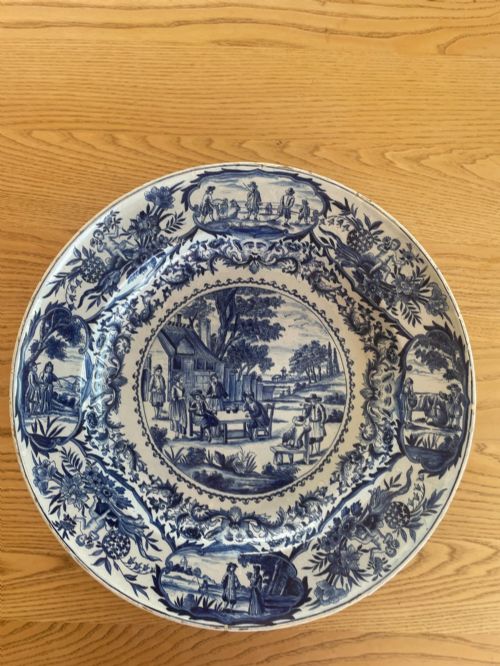
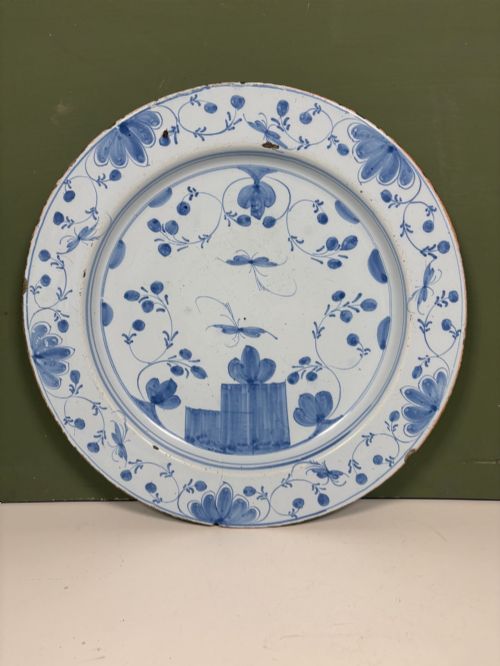
These vintage delft wall display pieces bring together tin-glazed earthenware and timber racks to hold hand-painted chargers in any room.
Vintage Delft Wall Display
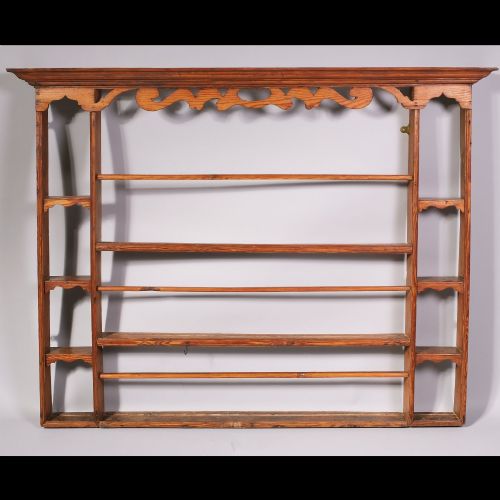
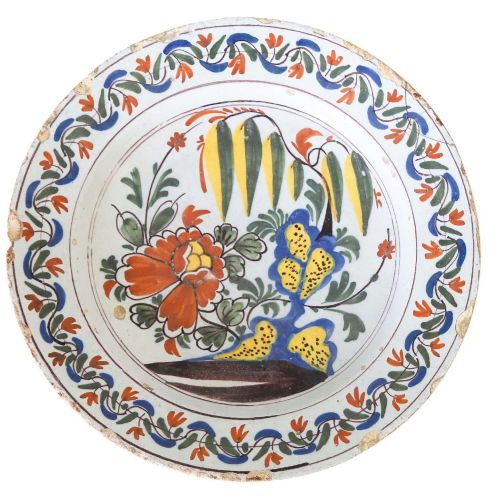
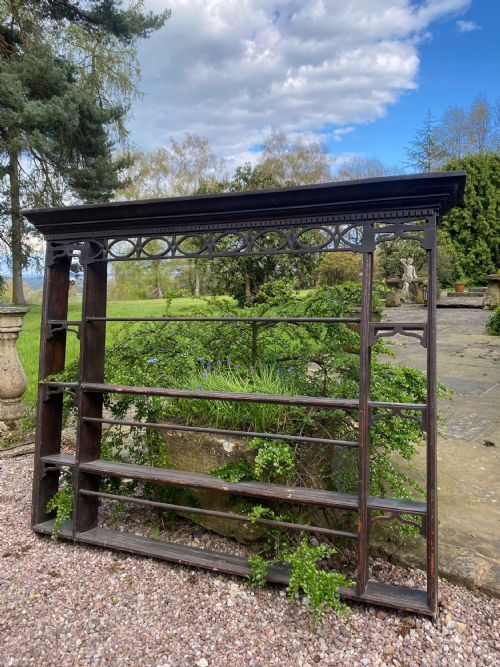
Vintage delft wall display items combine ceramic dishes with timber furniture designed to mount upon a wall. You find plate racks and wall shelves holding decorative chargers and plates.
The ceramics span blue and white, manganese, and polychrome palettes originating in Dutch and English workshops. Timber structures typically appear in oak and pine from the eighteenth and nineteenth centuries.
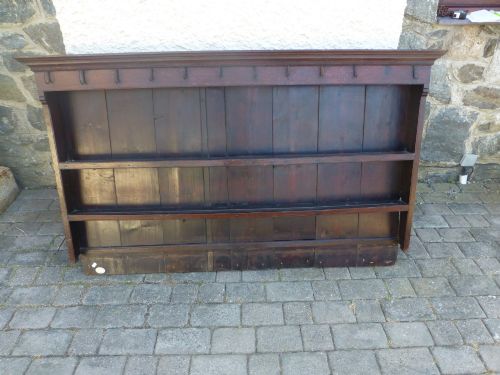
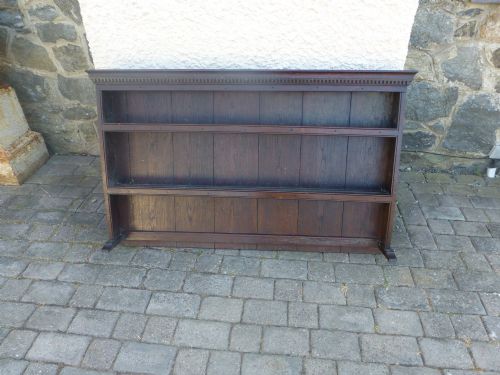
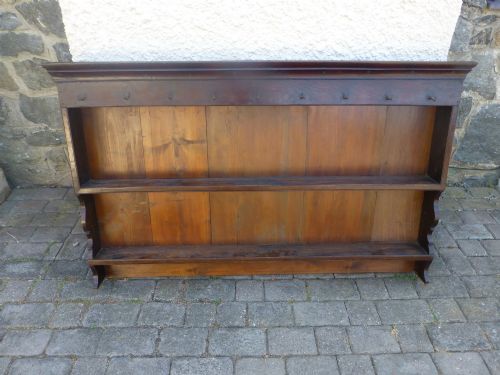
The common form on this page pairs a timber dresser rack with tin-glazed earthenware chargers. These groupings provide both storage and visual decoration for interior spaces.
How they were made
Potters shaped earthenware bodies and coated them in tin glaze before applying hand-painted cobalt oxide and other mineral pigments. Firing fixed these colours beneath a glossy surface.
Woodworkers constructed wall racks and shelves using traditional joinery in oak, pine, and marquetry. These timber mounts support the weight of heavy ceramic plates safely against vertical surfaces.
Periods represented on this page span the seventeenth, eighteenth, and nineteenth centuries.
What varies in quality
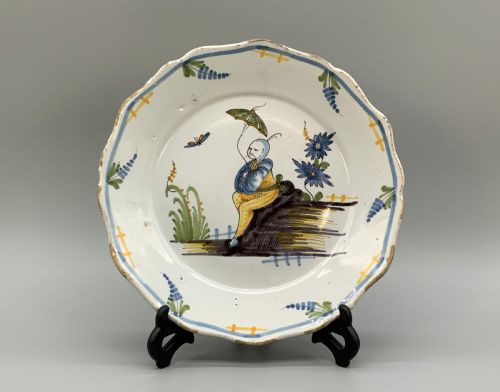
Quality rests in the precision of the hand-painted brushwork on the ceramic chargers and the complexity of the timber rack construction. Finer pieces display crisp botanical or Chinoiserie motifs alongside robust joinery.
The clarity of the tin glaze and the richness of the cobalt oxide or manganese pigments distinguish standard items from exceptional examples. Timber frames show varied depths of carving and grain selection.
The Vintage Delft Wall Display Glossary
- Charger
- A large decorative plate designed primarily for display rather than dining. These form the colourful centrepiece of many wall arrangements.
- Tin-Glaze
- An opaque white ceramic coating containing tin oxide that provides a smooth ground for painted decoration. It defines the surface of traditional delftware.
- Cobalt Oxide
- A mineral pigment used under the glaze to produce deep blue painted designs. It withstands high firing temperatures without losing intensity.
- Dresser Rack
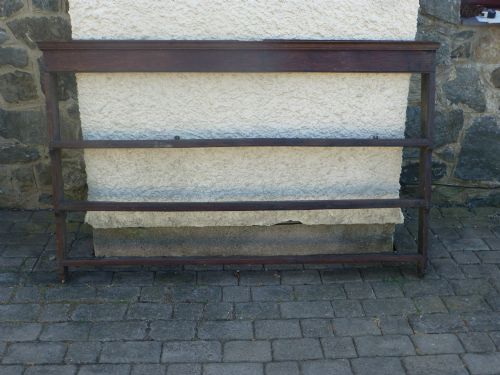
- A timber wall-mounted framework featuring slats or shelves to hold plates upright. These fixtures organise ceramic collections in domestic interiors.
- Chinoiserie
- European artistic styles reflecting Chinese decorative motifs. Painters applied these imaginative scenes to ceramic chargers and dishes.
Vintage Delft Wall Display: Frequently Asked Questions
How do I hang a heavy oak plate rack?
Secure the timber frame directly into wall studs using appropriate fixings to support the substantial weight of both wood and ceramics.
Ensure the mounting brackets inside the rack structure bear the load evenly before placing any plates on the shelves.
What is the difference between delft and faience?
Both terms describe tin-glazed earthenware, though delft specifically associates with Dutch production centres like Delft, while faience often relates to French or broader continental origins.
Painters on both traditions utilised tin glazes and mineral pigments, though stylistic details in floral and figural motifs vary by region.
Can I wash tin-glazed plates?
Clean these fragile earthenware surfaces gently with a soft, dry cloth to remove dust without harming the historic glaze.
Avoid submerging older ceramics in water, as moisture can infiltrate hairline cracks in the porous earthenware body.
How do I date a delft wall display?
Examine the timber construction methods of the rack, such as hand-cut joints in oak or pine, alongside the characteristics of the ceramic glaze.
Eighteenth-century examples often display softer tin glazes and hand-painted pigments, whereas nineteenth-century pieces show different blue tones and manufacturing marks.