
Antique Deep Seated Chair
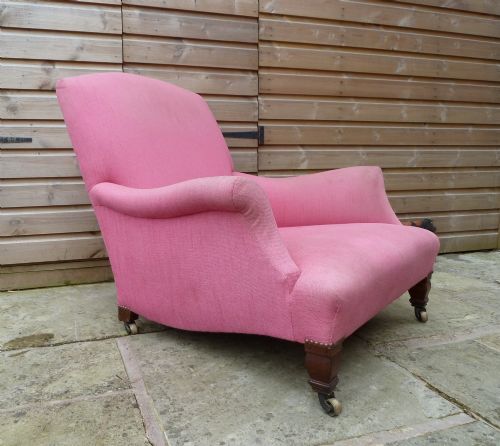
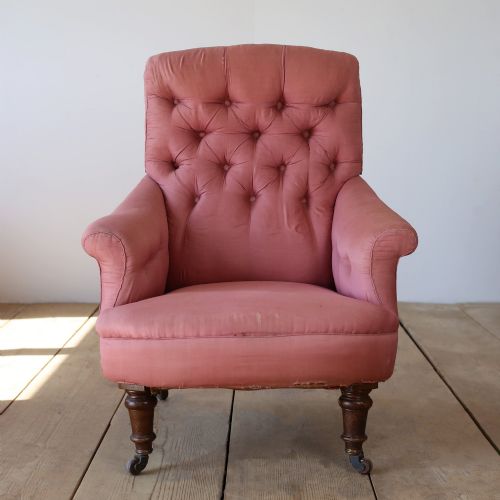
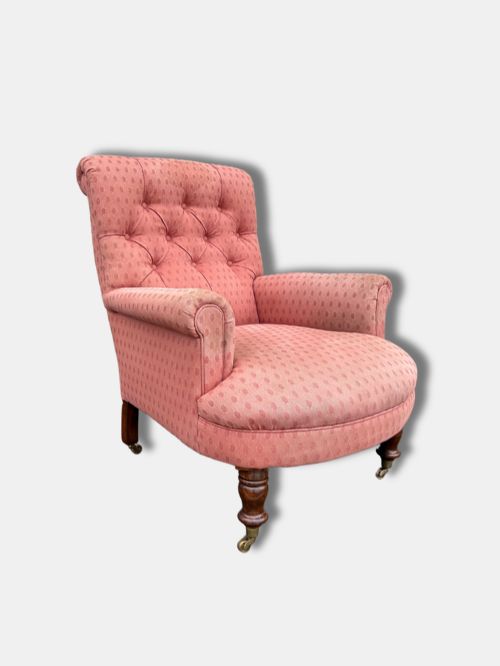
An antique deep seated chair offers low-slung, generous proportions designed for long hours of relaxation in a library, study or drawing room.
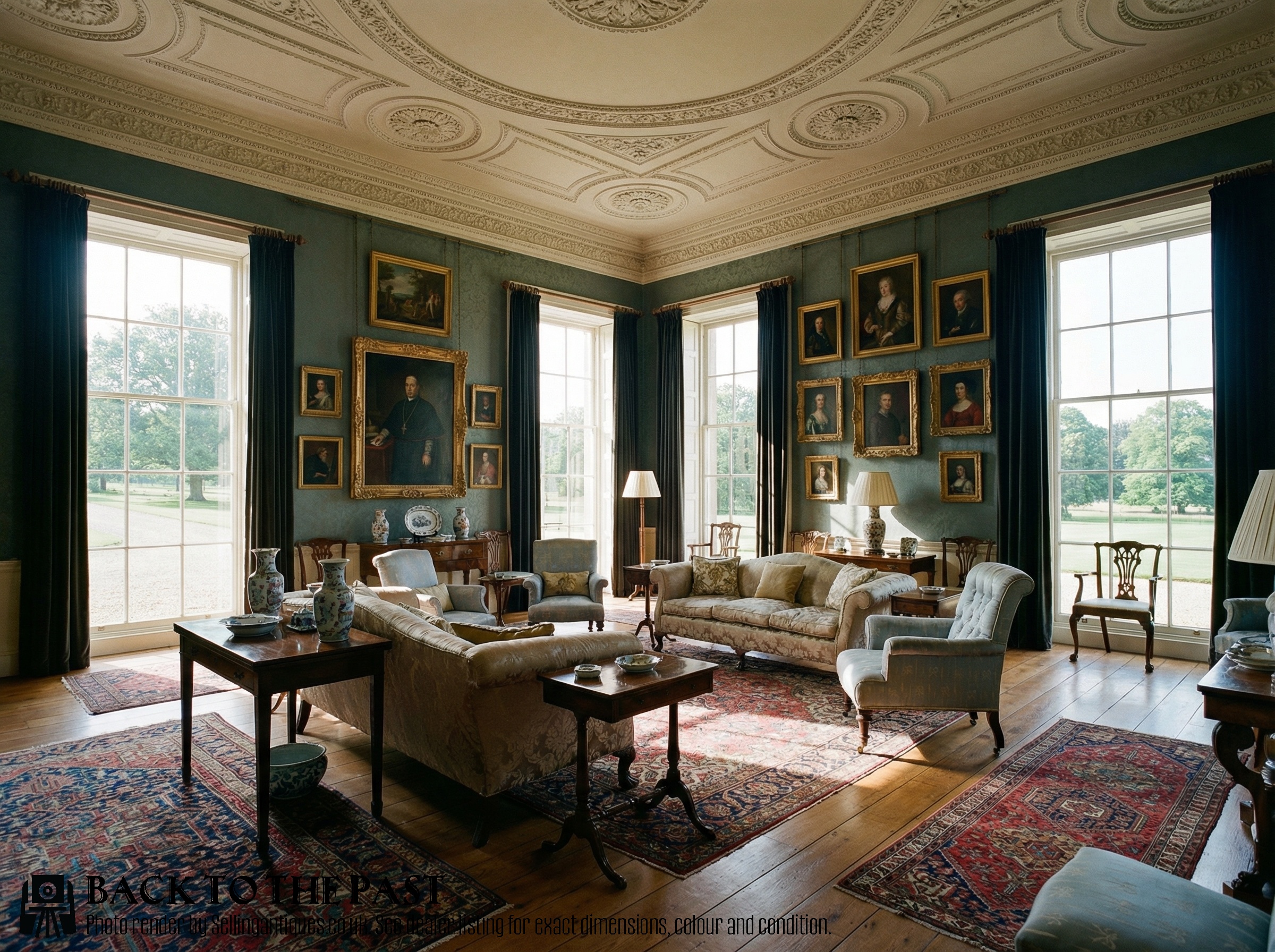
Antique Deep Seated Chair
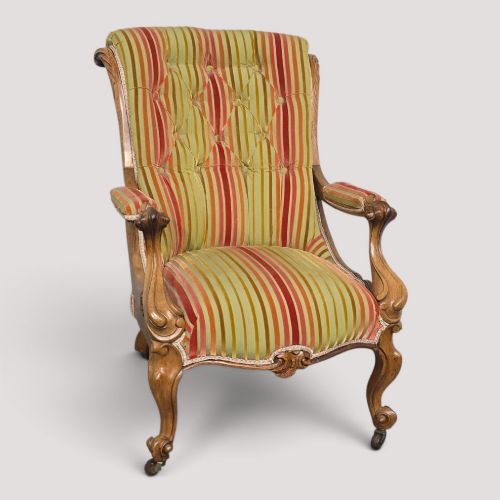
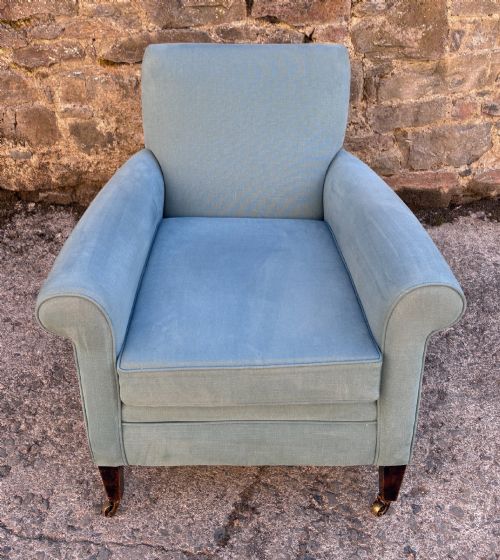
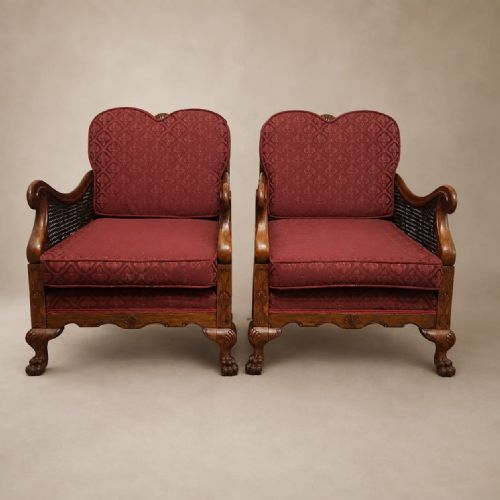
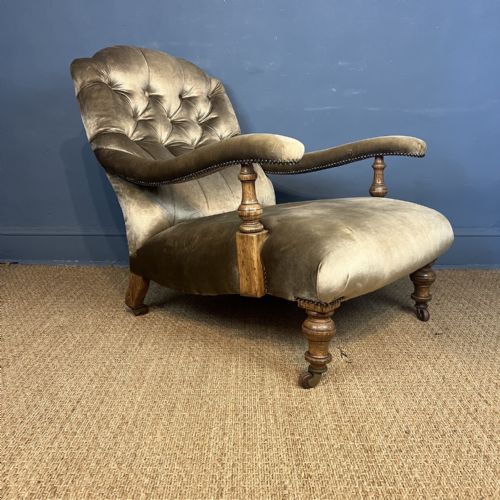
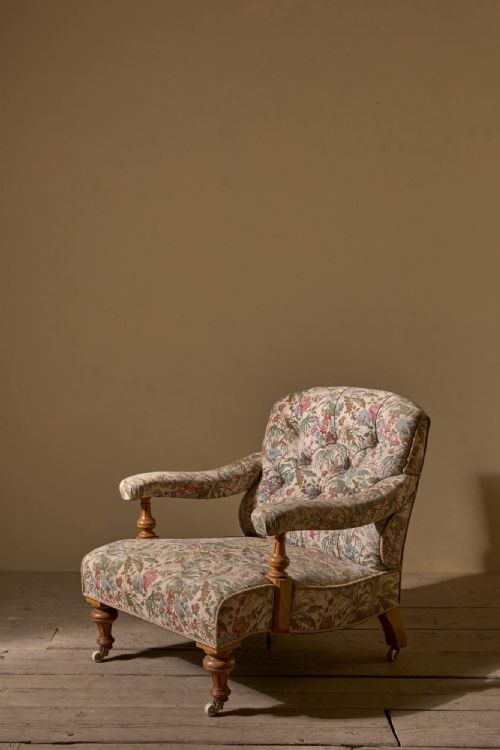
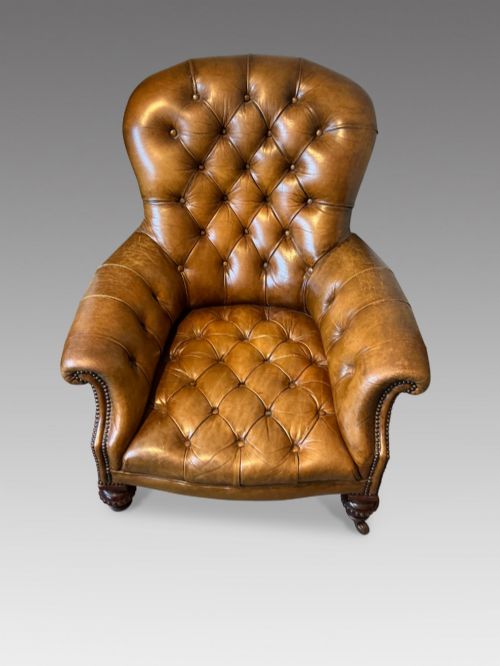
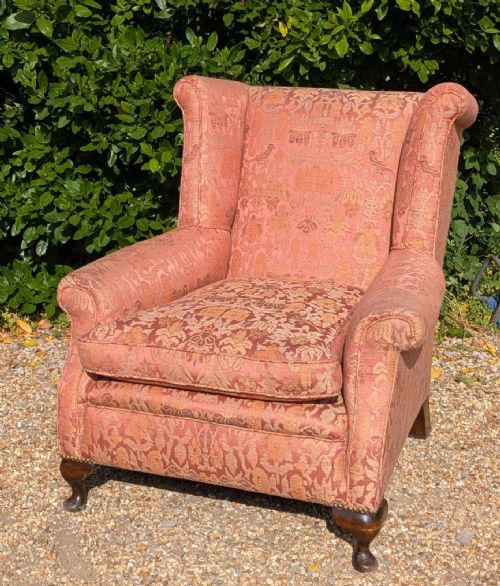
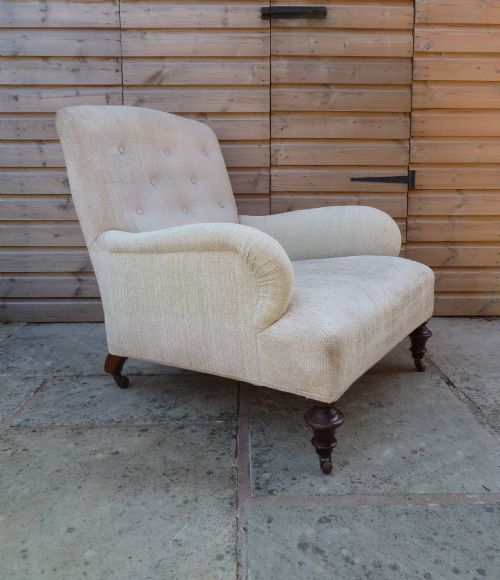
An antique deep seated chair is an upholstered armchair built for comfort, frequently taking the form of library armchairs, country house seating, button back designs and club chairs. These pieces originate across the nineteenth and early twentieth centuries, spanning Victorian, Edwardian, Regency, William IV and Art Deco periods.
The versions most commonly met on this page include nineteenth-century English country house models, Victorian button-backed chairs and Edwardian or later styles influenced by London makers. They appear as single reading chairs or matching pairs finished in leather, fabric, calico or hessian.
How they were made
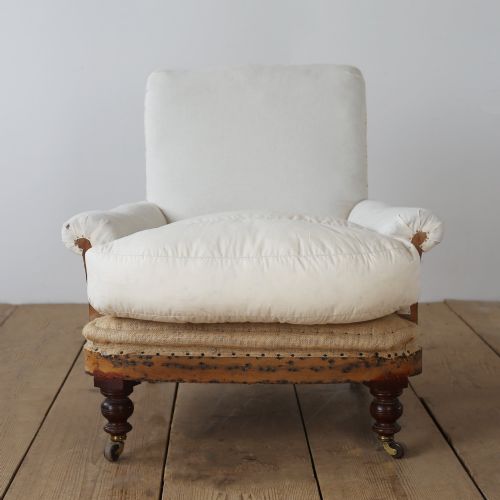
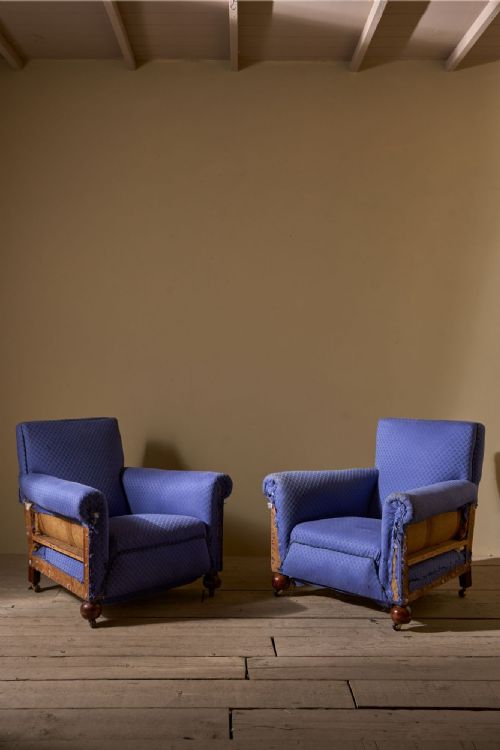
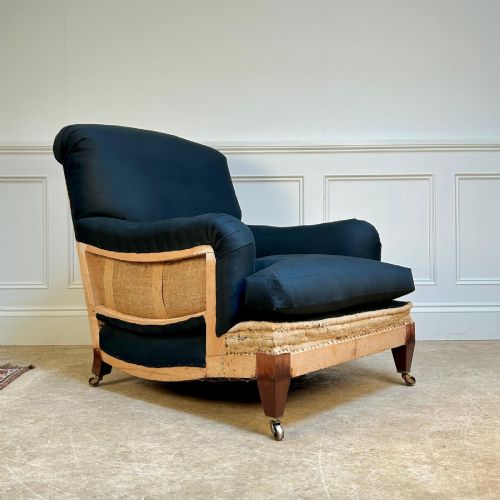
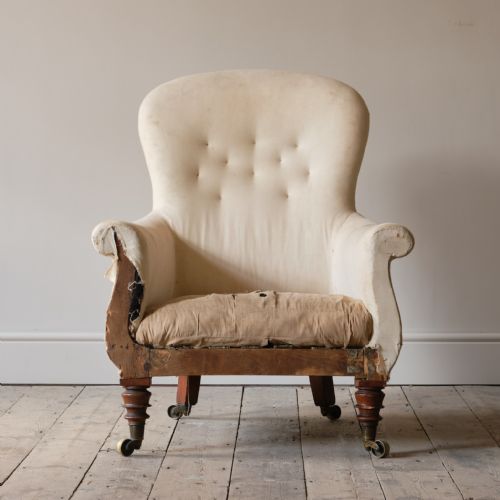
Frames are constructed from sturdy timbers such as mahogany, oak, walnut and general hardwood, providing a rigid internal skeleton for heavy upholstery. These wooden supports often remain hidden beneath layers of padding or are revealed through carved legs, aesthetic movement details and brass castors.
Upholstery relies on traditional stuffing materials like feather fillings and horsehair, held together with hessian, calico and top covers of leather or woven fabric. Buttoning techniques secure the deep cushioning while split cane panels appear on specific framed bergere chairs.
Antique Deep Seated Chair Retail Price Guide 2026
Typical asking prices for deep seated chair among the pieces listed under this phrase on Sellingantiques today, from the lower quarter to the upper quarter. They describe what is for sale here now, not the wider market.
Concealed storage tucked inside a chaise longue proves that nineteenth-century makers understood the eternal need to hide library clutter.
What varies in quality
The standard of an antique deep seated chair rests upon the integrity of its internal frame construction and the original proportions set by the maker. Timbers chosen for the underframe and the weight of the timber in the legs dictate the overall longevity.
Upholstery depth and the resilience of traditional fillings like feathers determine how well the seat maintains its form over time. The refinement of carved details, the choice of covering materials, and the presence of maker signatures or specific style attributions elevate certain examples above standard workshop output.
Howard And Sons·SF Cullen·Gillows
The Antique Deep Seated Chair Glossary
- Button back
- An upholstery method where depressions are formed in the padding by stitching through the stuffing to secure buttons, creating a tufted surface.
- Bergere
- An enclosed armchair with wooden frames where the sides are filled with cane work rather than solid upholstery.
- Calico
- A plain-woven cotton fabric utilised as an inner lining or base cover beneath top upholstery layers.
- Hessian
- A coarse woven fabric made from jute fibres, traditionally employed for webbing and internal stuffing containment.
- Club chair
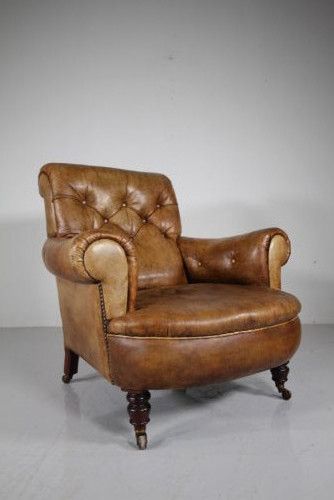
- A heavy, low-slung armchair upholstered in leather, originating in French and English smoking rooms and sitting spaces.
Antique Deep Seated Chair: Frequently Asked Questions
What defines an antique deep seated chair?
These seats are characterised by generous seating proportions, low frames and deep padding designed for extended lounging rather than upright posture.
They emerged strongly during the nineteenth century in English country houses and libraries, prioritising comfort above formal rigidity.
How do I spot a Howard style chair?
Howard style pieces typically exhibit low profiles, scrolled arms and generous cushion depths supported by turned wooden legs on brass castors.
Many examples feature specific maker stamps or nineteenth-century upholstery methods that distinguish them from standard vernacular seating.
Where were these chairs used historically?
Library armchairs and country house seats belonged in private studies, smoking rooms, drawing rooms and reading spaces where long periods of sitting were expected.
Their substantial timber frames and heavy leather or fabric coverings suited domestic interiors designed for relaxation.
How do I live with leather club chairs?
Leather club chairs require stable room humidity and regular conditioning to keep the hide supple and prevent cracking over decades of daily use.
Their robust construction handles everyday sitting well while developing a natural patina that reflects the age of the piece.