
Antique Decorative Vessel
An antique decorative vessel holds the eye through form and material, bringing centuries of craftsmanship into a room.
Antique Decorative Vessel
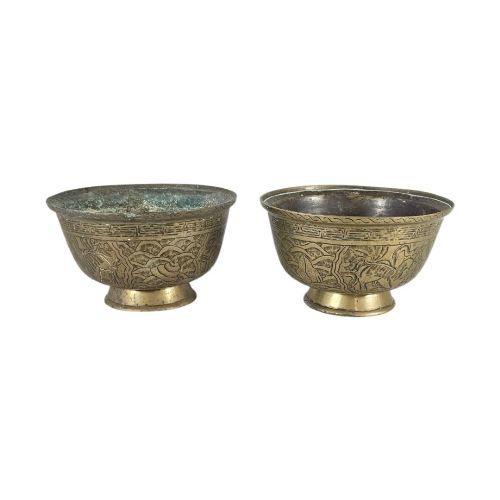
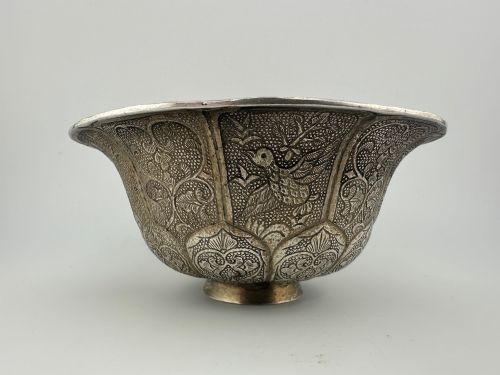
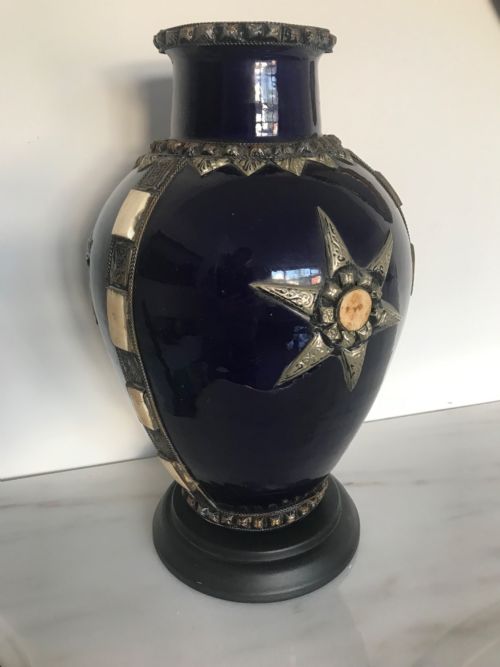
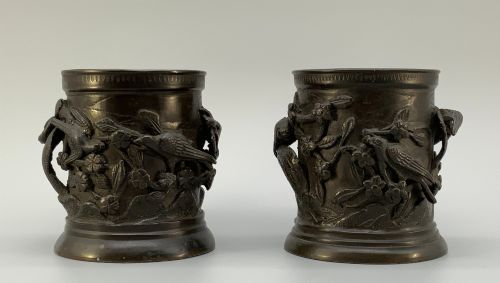
When searching for an antique decorative vessel, buyers encounter objects designed primarily for display rather than utility, including vases, urns, jardiniere bowls, and pharmacy jars. These pieces emerge from the nineteenth century through the interwar decades, spanning diverse origins from European potteries to Japanese metalwork studios.
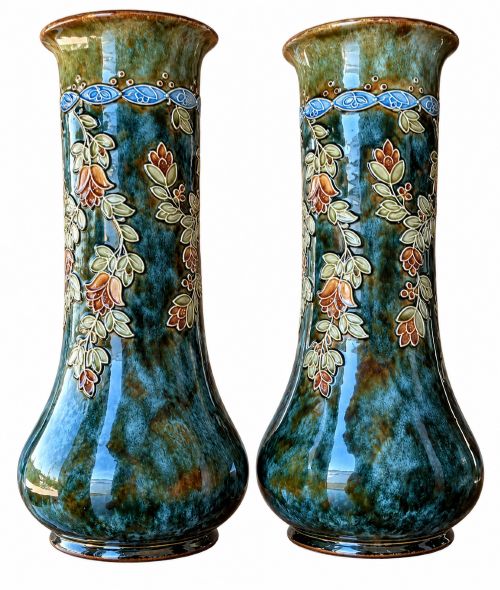
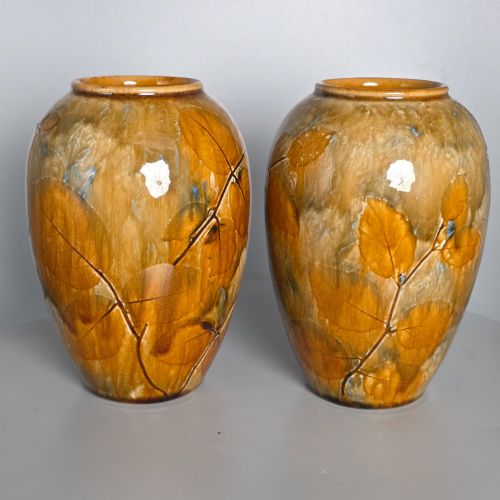
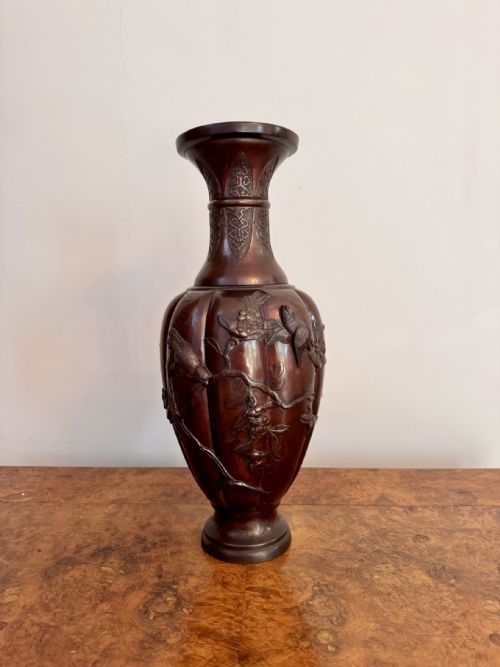
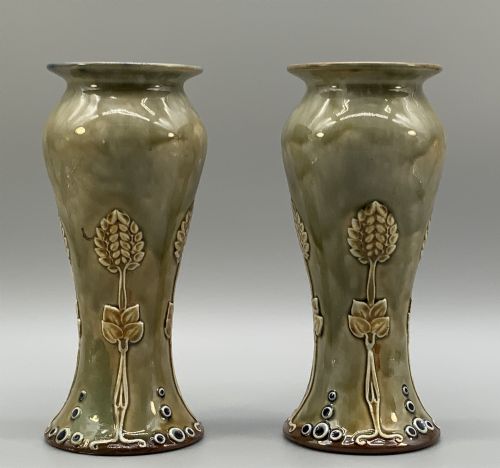
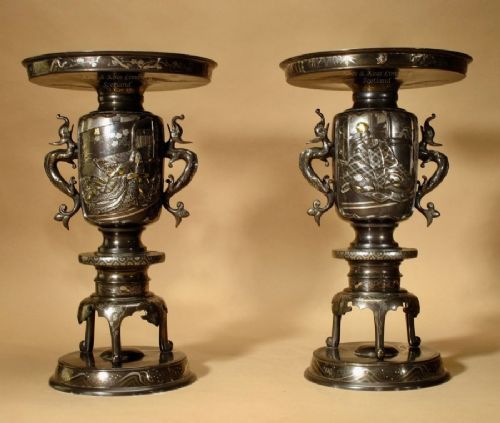
The most common examples on this page are ceramic and stoneware vases, alongside bronze and copper vessels. Works from makers such as Royal Doulton and various Japanese Meiji period workshops appear frequently, reflecting both Western arts and crafts movements and Eastern aesthetic traditions.
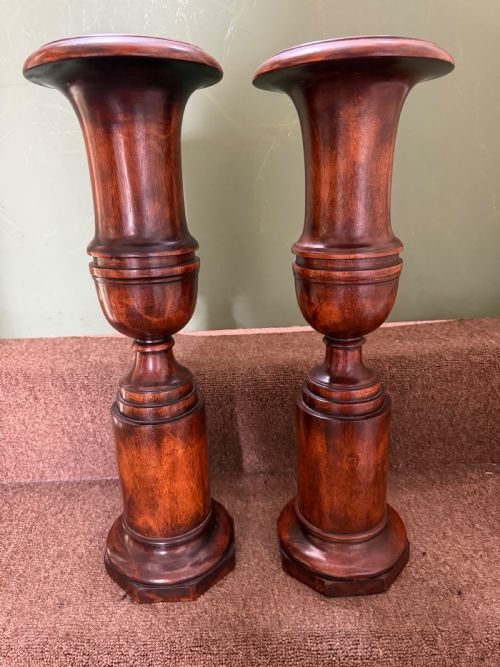
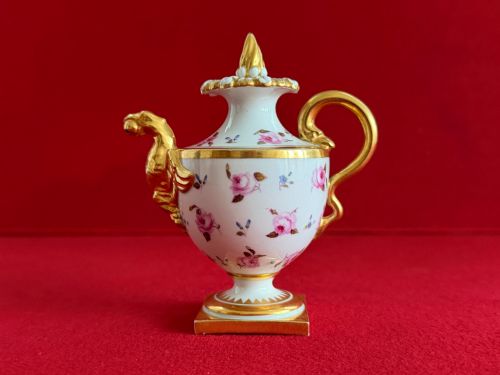
Forms range from tall baluster vases and moon flasks to wide decorative bowls and handled ewers. Each piece carries the distinct stylistic markers of its period, whether the flowing lines of Art Nouveau or the geometric precision of Art Deco.
How they were made
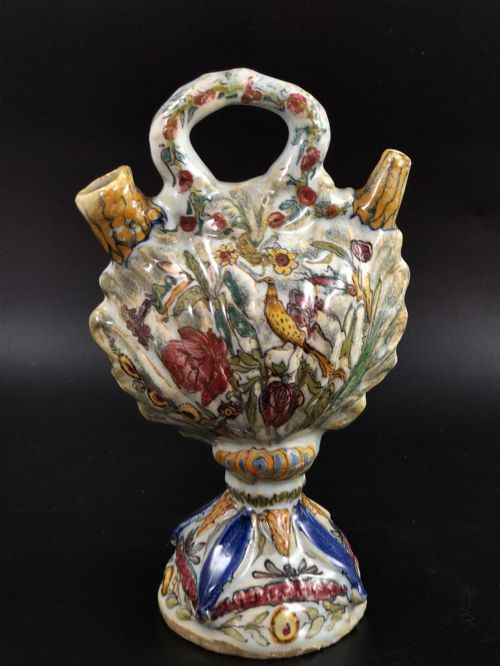
Ceramic vessels rely on stoneware, porcelain, and terracotta bodies shaped by hand or on the wheel, finished with glazes, enamel, or hand-painted motifs. Stoneware pieces often feature detailed incised patterns or applied decoration before firing.
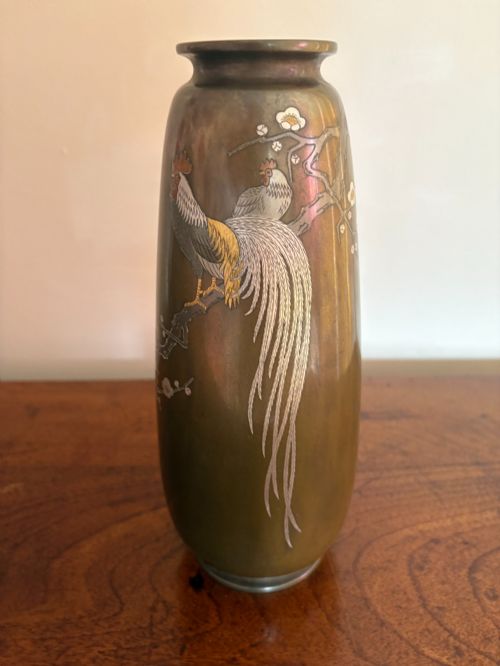
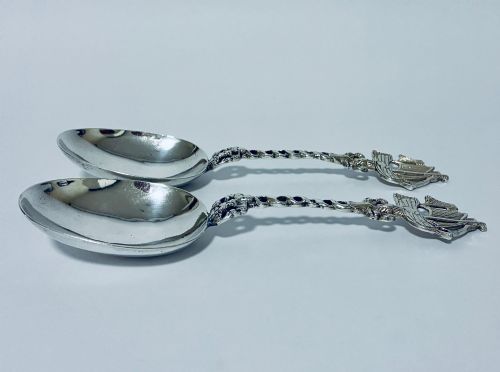
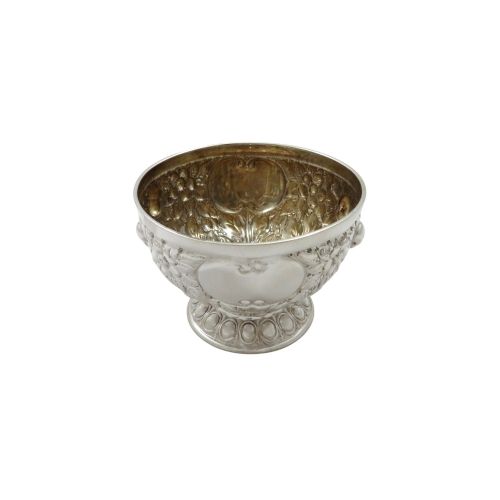
Metal vessels utilise bronze, copper, brass, and silver, shaped through casting, repoussé, or hand-beating. Many feature intricate surface enrichment such as bronze inlay, cloisonné enamel work, or silver cabochon mounts.
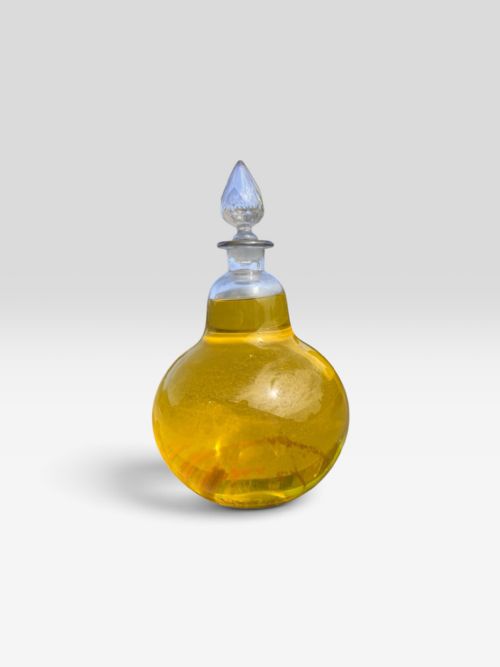
Glass pieces incorporate hand-blown techniques, sometimes combining coloured glass with acid-etched or enamelled geometric designs characteristic of later periods.
The selection includes regional items such as Japanese Meiji bronzes, Chinese Canton porcelain, and English stoneware from Doulton Lambeth.
What varies in quality
The standard of a vessel rests upon the crispness of its modelling and the control evident in its surface decoration. Hand-painted ceramic details and finely chased metalwork separate ambitious studio pieces from standard commercial production.
Material selection dictates much of the visual weight and longevity of an object, from heavy cast bronze and solid silver to well-vitrified stoneware. The integration of mounts, handles, and applied elements reveals the care taken during assembly.
Royal Doulton·Flight Barr and Barr·Liberty and Co·Royal Worcester
The Antique Decorative Vessel Glossary
- Baluster
- A vase form characterised by a rounded body that tapers toward the base and neck. This traditional silhouette appears frequently across eighteenth and nineteenth-century ceramic and metal pieces.
- Cloisonné
- A metalwork technique where thin wire partitions are soldered to a metal base to create compartments filled with enamel paste. These are subsequently fired and polished to a smooth finish.
- Jardiniere
- A large ornamental pot or stand designed to hold growing plants or flowers. They appear in ceramic, terracotta, and brass across the Victorian and Edwardian periods.
- Moon flask
- A flattened circular vessel with a short neck and small handles, often supported on a small base. This ceramic form frequently displays hand-painted pictorial scenes or gilded highlights.
- Repoussé
- A metalworking method where a malleable sheet of copper or silver is hammered from the reverse side to create a raised design in relief. Details are then refined from the front using punches.
Antique Decorative Vessel: Frequently Asked Questions
How were these vessels used historically?
Historically, these items stood upon mantelpieces, sideboards, and pedestals to demonstrate the taste and refinement of the household. Some held dried botanicals, rose water, or cut flowers, while others remained purely ornamental.
Larger vessels like jardinieres housed indoor plants, whereas pharmacy carboys and apothecary jars indicated professional trades or filled scholar's desks.
How do I style an antique vessel at home?
Living with these pieces involves placing them where light can catch their glazes or metallic patinas. Placing a bronze or ceramic vase on an uncrowded surface allows its silhouette and surface texture to stand out.
Mixing periods can work well when materials complement one another, such as pairing an earth-toned stoneware vase with natural wood furniture or placing a metal bowl near glass accents.
How can I tell the period of a ceramic vessel?
Determining the period involves examining the clay body, glaze characteristics, and any maker marks stamped or painted on the base. Stylistic cues such as the organic motifs of Art Nouveau or the rigid geometry of the 1930s provide clear chronological markers.
Manufacturing techniques also change over time, shifting from hand-thrown earthenware and early soft-paste porcelains toward industrial stoneware and modern art glass.