


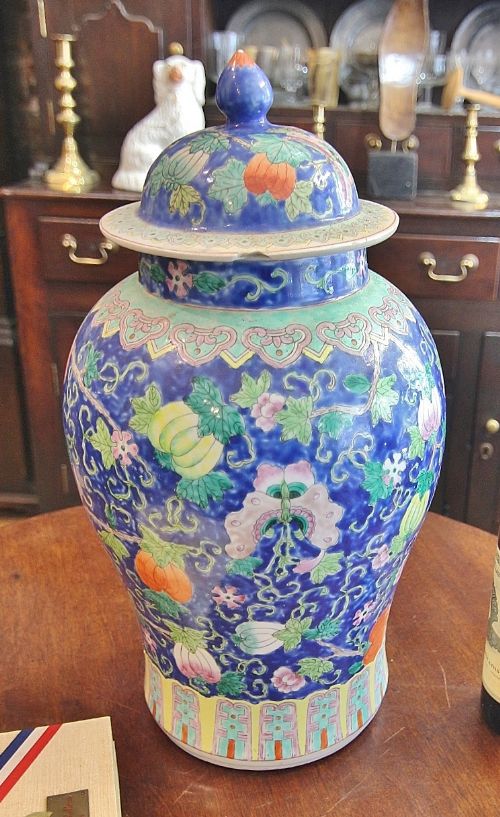

Polychrome Painted Vessel
A polychrome painted vessel brings together varied clays and pigments across centuries, offering vibrant palettes that transform a room.
Polychrome Painted Vessel
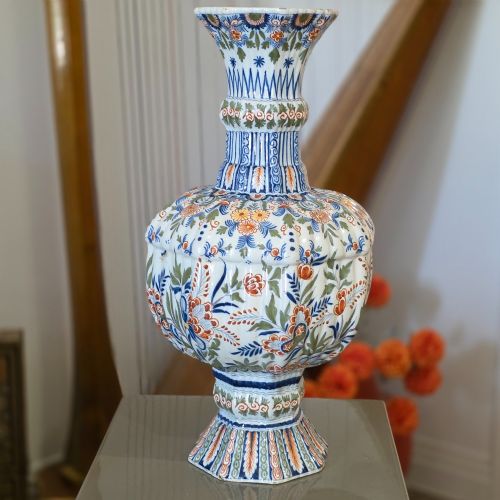
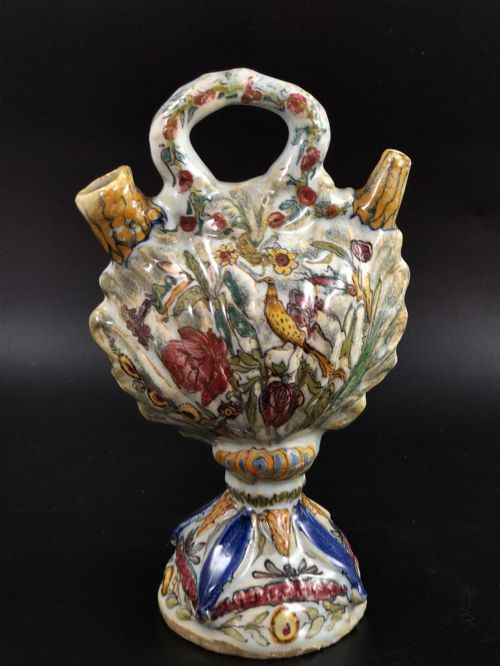
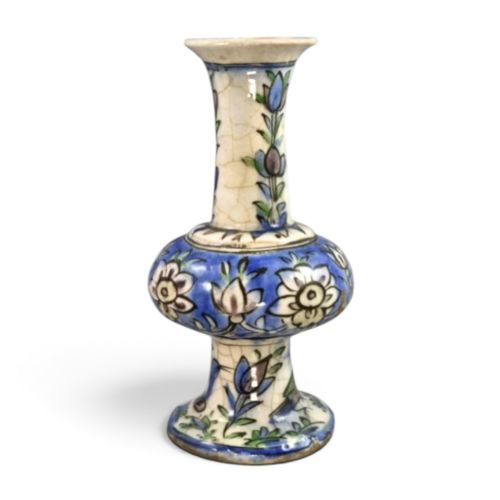
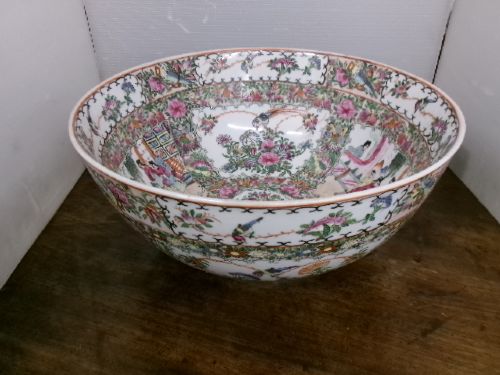
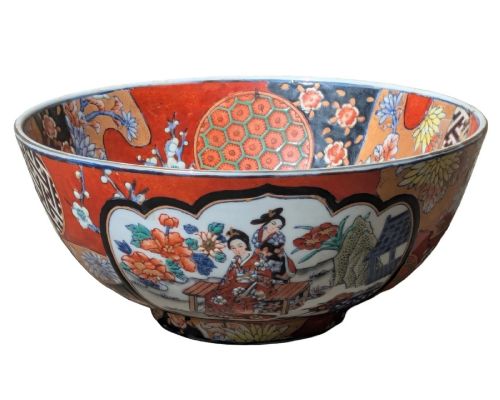
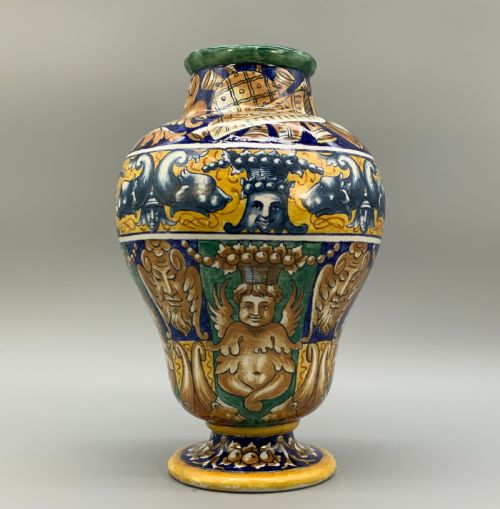
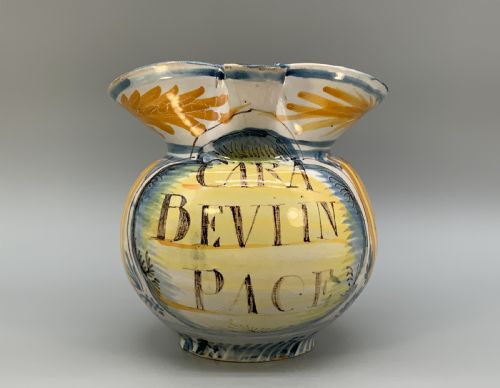
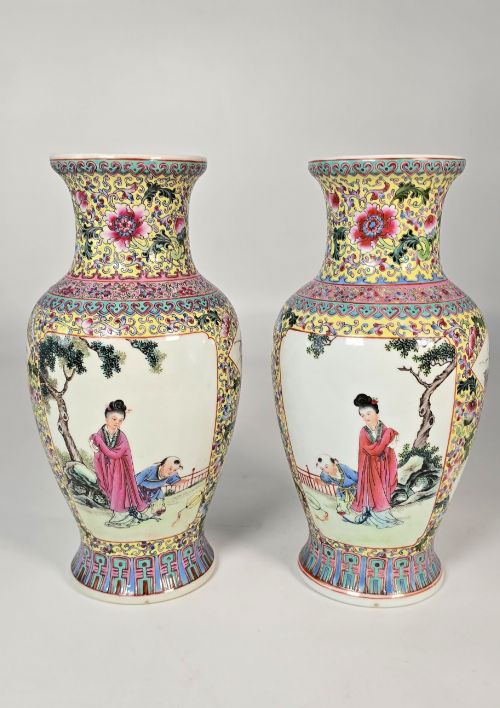
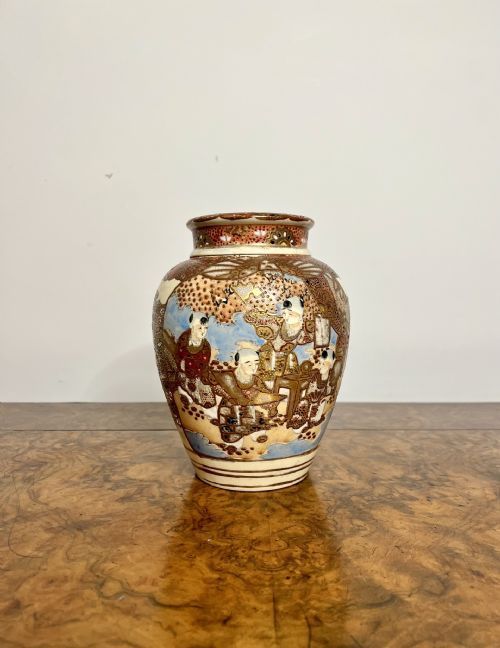
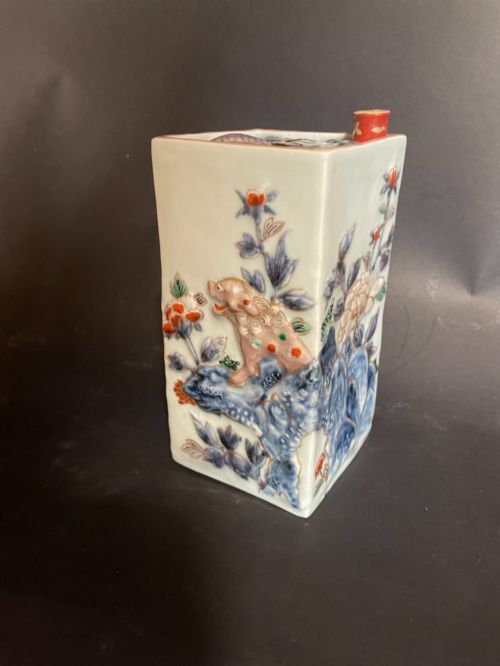
A polychrome painted vessel encompasses diverse forms like vases, ginger jars, pilgrim flasks, and decorative bowls decorated in multiple colours. When searching for a polychrome painted vessel, buyers encounter pieces ranging from 18th-century European majolica and Delft to Qing Dynasty porcelain and Meiji period Japanese satsuma.
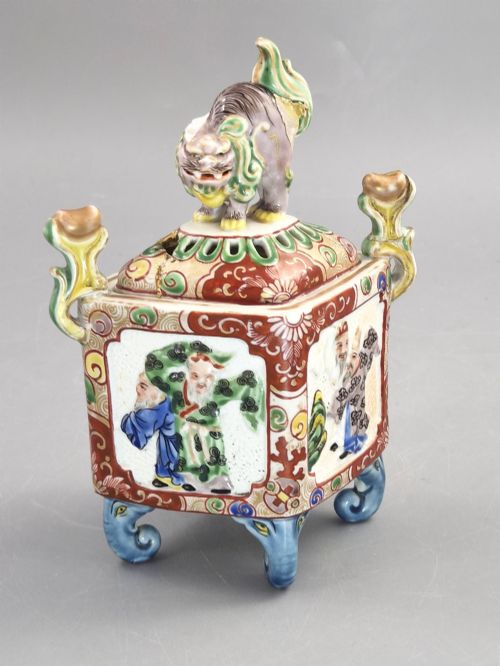
The selection on this page leans heavily toward Asian ceramics and European tin-glazed earthenwares, alongside Kashmiri wooden and paper-mache containers and ironstone. These items functioned historically as display pieces, pharmaceutical storage, tea caddies, and incense burners.
The periods represented stretch from the 18th century through the Victorian era and into the early 20th century. Forms vary from monumental temple vases to small snuff bottles and tankards.
How they were made
Potters shaped porcelain, earthenware, and ceramic bodies on the wheel or in moulds before applying tin glazes, enamels, or delicate gold leaf. Pigments were hand-painted directly onto the raw glaze or over fired porcelain surfaces.
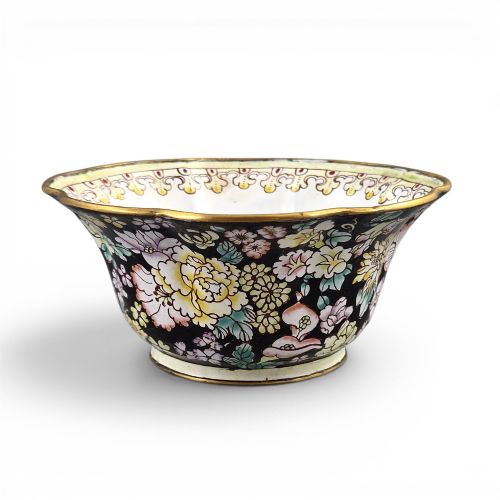
Japanese satsuma wares utilised fine-crackled earthenware painted with mineral pigments and raised gold outlines, while Chinese pieces employed famille rose enamels on porcelain and copper.
European majolica and Delftware relied on opaque tin glazes to create a white ground suitable for bright manganese, yellow, and blue painting.
Listings span tin glaze, enamel, gold leaf, and earthenware across the 18th, 19th, and early 20th centuries.
What varies in quality
Quality rests in the precision of the brushwork and the clarity of the colour palette. Finer examples display meticulous detail in facial expressions, flora, and fauna without pigment bleeding into the surrounding glaze.
The weight and refinement of the underlying ceramic body also dictate distinction. Superior pieces demonstrate uniform thickness, stable glazing without excessive pitting, and confident hand-applied gilding.
Kizan·Moser·Miles Mason·Gao Hengsheng
The Polychrome Painted Vessel Glossary
- Famille rose
- A palette of opaque pink or rose enamels introduced to Chinese ceramics during the Qing Dynasty. This technique allowed for subtle tonal gradations in floral and figural scenes.
- Majolica
- Tin-glazed earthenware produced in Italy and other European regions, noted for bright polychrome decoration. It often depicts historical, mythological, or botanical motifs.
- Satsuma
- Japanese earthenware featuring a distinctive ivory crackle-glaze decorated with intricate enamel and gold leaf. It originated in Satsuma Province and gained immense popularity for export during the Meiji period.
- Delftware
- Tin-glazed earthenware made in the Netherlands and England, imitating Chinese porcelain or featuring local European scenes. The glaze provides an absorbent white surface for cobalt blue and polychrome pigments.
- Pilgrim flask
- A flattened circular or oval vessel with handles for suspension cords, historically carried by travellers or pilgrims. Later versions became purely decorative showpieces in Italian and French ceramics.
Polychrome Painted Vessel: Frequently Asked Questions
What is a polychrome painted vessel?
A polychrome painted vessel is a ceramic, porcelain, or wooden container decorated in multiple colours using enamels, glazes, or pigments. These objects include vases, jars, flasks, and bowls created across various global traditions.
Makers applied diverse techniques such as tin glazing, famille rose enamels, and underglaze painting to achieve lasting decorative impact.
How do I care for antique painted vessels?
Antique vessels require gentle dusting with a soft, dry cloth to protect fragile overglaze enamels and gold leaf. Avoid using water or chemical cleaners, especially on earthenware and wooden surfaces.
Keep pieces away from direct sunlight and areas prone to dramatic temperature shifts to preserve the integrity of the glaze and pigments.
How do I tell Chinese and Japanese pieces apart?
Chinese pieces often feature refined porcelain bodies with famille rose or Canton enamel decoration, focusing on symmetry and symbolic motifs. Japanese ceramics frequently utilise earthenware with crackled glazes, dense patterns, and prominent gilt highlights.
Markings on the base, where present, help identify specific periods and imperial reigns or workshops.
Were these vessels used or decorative?
Many vessels served practical purposes in historic households, functioning as pharmacy jugs, tea caddies, incense burners, and tableware. Over time, finer examples transitioned into purely decorative display items.
Larger jars and vases were designed to accent grand rooms, while smaller flasks and snuff bottles remained personal or cabinet pieces.