

Antique Decorative China
Antique decorative china encompasses painted plates, patterned bowls, and porcelain vessels created to display visual artistry within domestic interiors.
Antique Decorative China
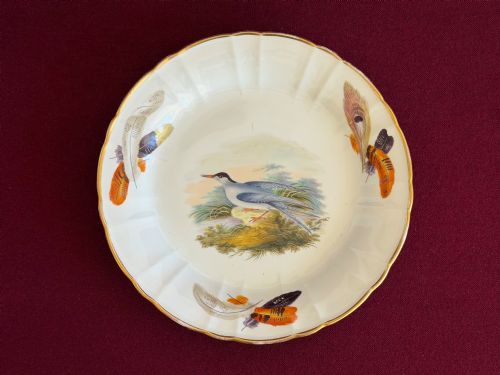
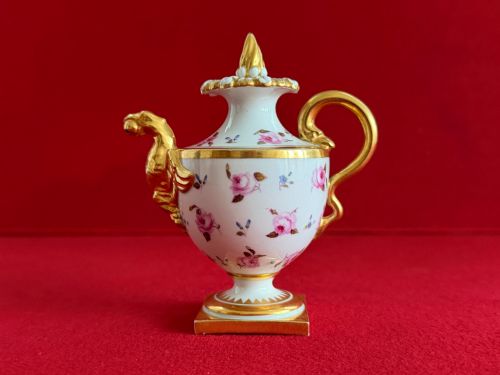
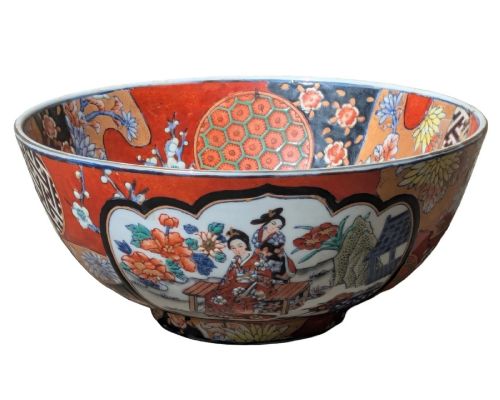
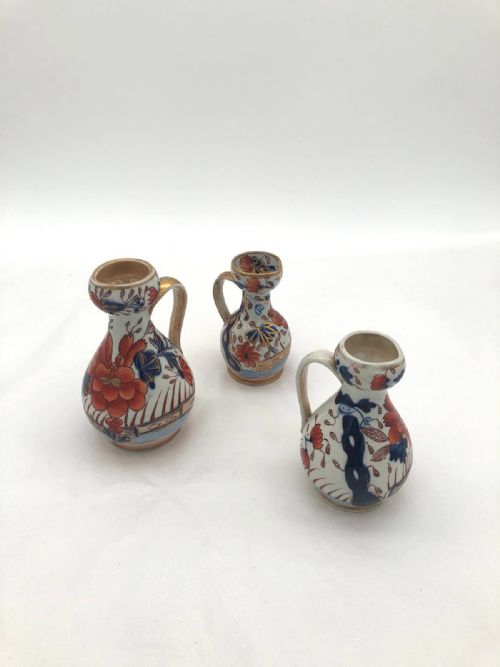
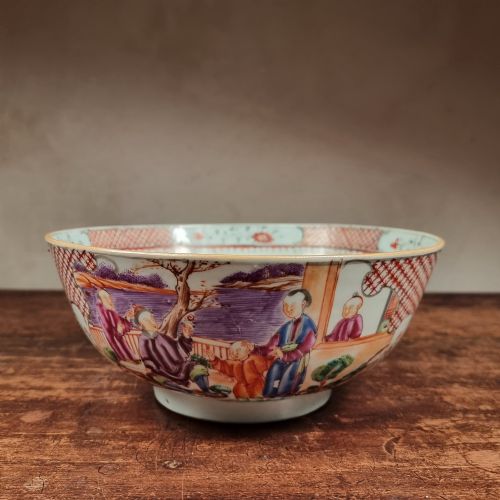
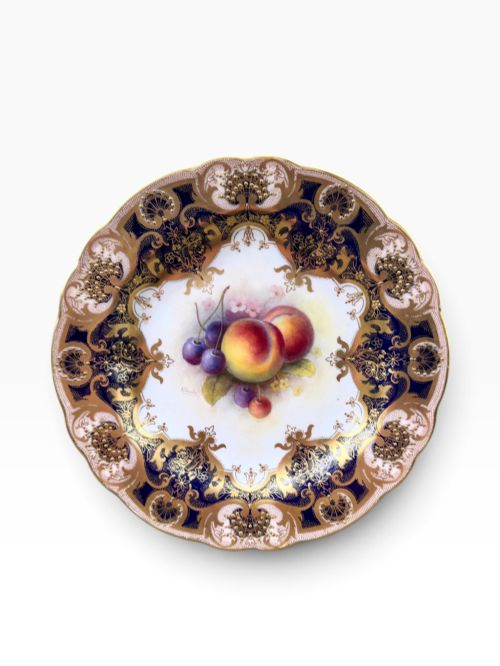
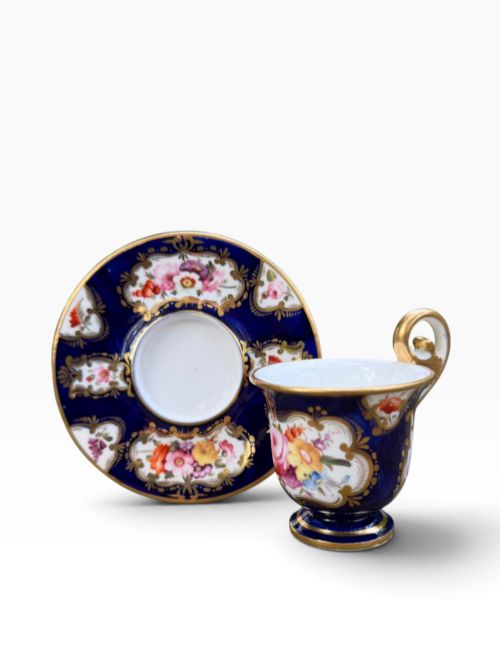
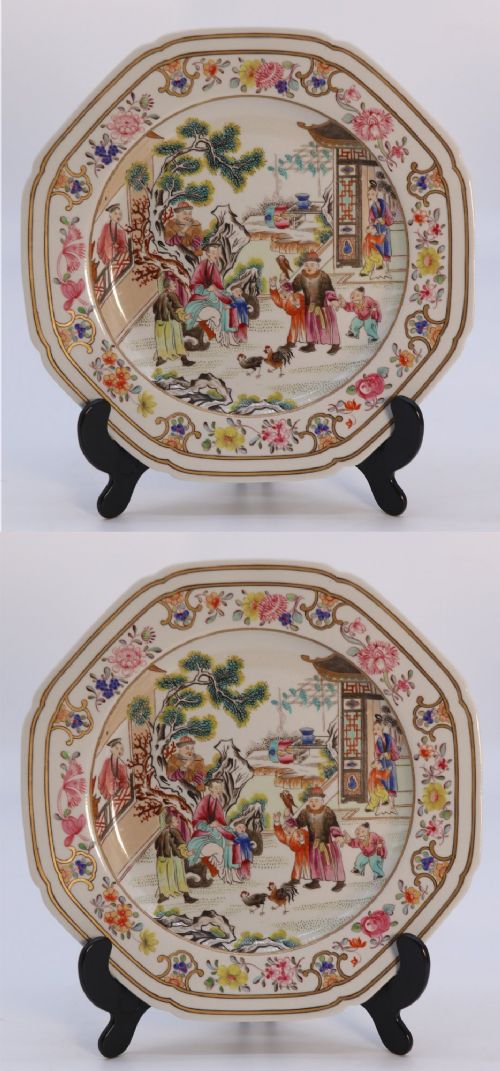
When buyers search for antique decorative china, they encounter a diverse selection of ceramic objects primarily designed for visual display rather than dining use. The pieces most commonly found on this page include cabinet plates, decorative bowls, pitchers, jugs, and porcelain figurines.
The selection spans several key periods, running from the Georgian and Regency eras through the Victorian period, Edwardian years, and into the early twentieth century. English factories dominate the records, alongside continental European pieces and Japanese Imari imports that influenced British taste.
Materials and Techniques
The items recorded utilise traditional ceramic bodies such as porcelain, bone china, ironstone, and earthenware. Potters shaped these materials into vessels and plates before applying detailed underglaze painting, enamel colours, and gilding with gold leaf.
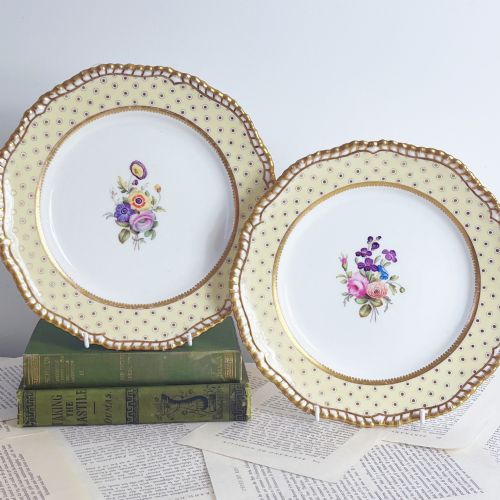
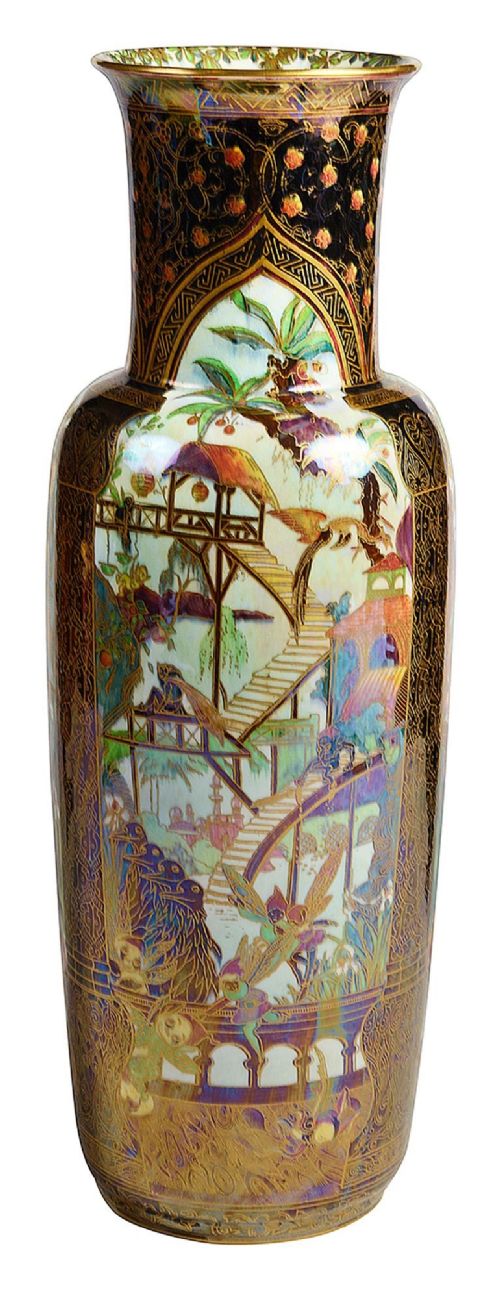
Many showcase specialised decorative techniques, including hand-painted botanical or fruit studies signed by individual artists, transfer-printed blue and white patterns, and lustrous glazes.
Assessing Quality
Quality in these ceramics rests upon the precision of the hand painting and the execution of the gilding. Pieces featuring signed artwork by recognised porcelain painters display a superior level of artistry compared to standard transfer-printed wares.
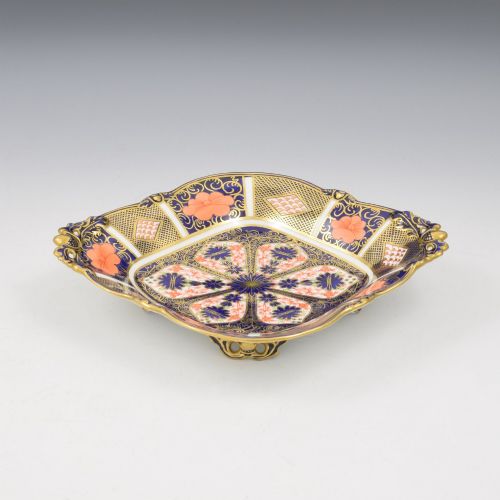
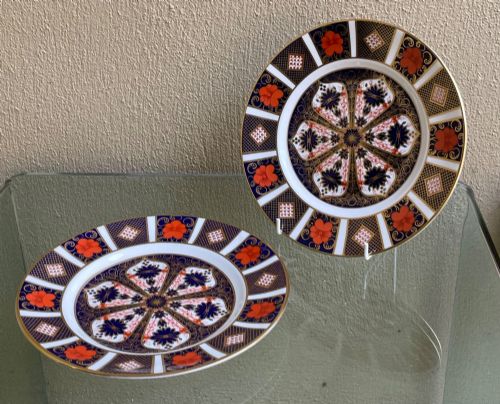
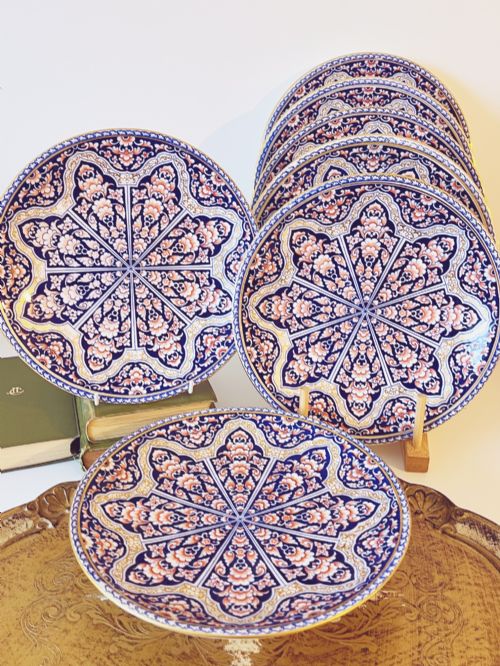
The crispness of the moulded detail, the complexity of the pattern such as Japanese Imari motifs, and the preservation of the enamel colours and gold leaf over time determine the standing of each piece.
Royal Crown Derby·Spode Felspar·Flight Barr And Barr·Royal Worcester·John Davenport·John Bevington
The Antique Decorative China Glossary
- Cabinet plate
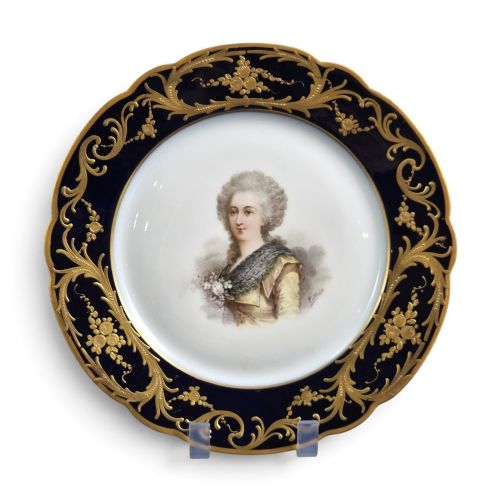
- A decorative plate intended for display in a cabinet or on a wall rather than for serving food. These often feature elaborate hand-painted scenes or rich gilding.
- Bone china
- A type of soft-paste porcelain incorporating bone ash, developed in England to create a durable, milky-white ceramic body suitable for fine decoration.
- Imari
- A style of Japanese export porcelain characterised by underglaze blue, iron red, and gold, which heavily influenced European ceramic factories.
- Ironstone
- A patented ceramic body developed in nineteenth-century England to provide a durable, heavy alternative to porcelain while accepting bright enamel patterns.
Antique Decorative China: Frequently Asked Questions
What is antique decorative china?
Antique decorative china refers to ceramic items made primarily for visual display rather than daily utility. These include hand-painted cabinet plates, ornamental jugs, and porcelain figurines.
They represent various historic periods and manufacturing techniques, ranging from Regency porcelain to Victorian earthenware.
How were cabinet plates used?
Cabinet plates were created to be showcased in glass-fronted display cabinets or mounted on walls to demonstrate the owner's refined taste.
Unlike everyday tableware, they often feature intricate painted scenes, extensive gilding, or delicate relief work that would not withstand regular use.
How do I identify Imari patterns?
Imari patterns are recognised by their distinct palette, which typically combines deep underglaze blue with rusty iron red and generous applications of gold leaf.
This decorative style originated in Japan and was extensively replicated by English factories during the nineteenth century.
How should I care for porcelain?
Porcelain and bone china require gentle handling and should be kept away from direct sunlight to prevent fading of the enamel colours and gilding.
Dusting with a soft, dry cloth is usually sufficient for maintenance, avoiding abrasive cleaners entirely.